
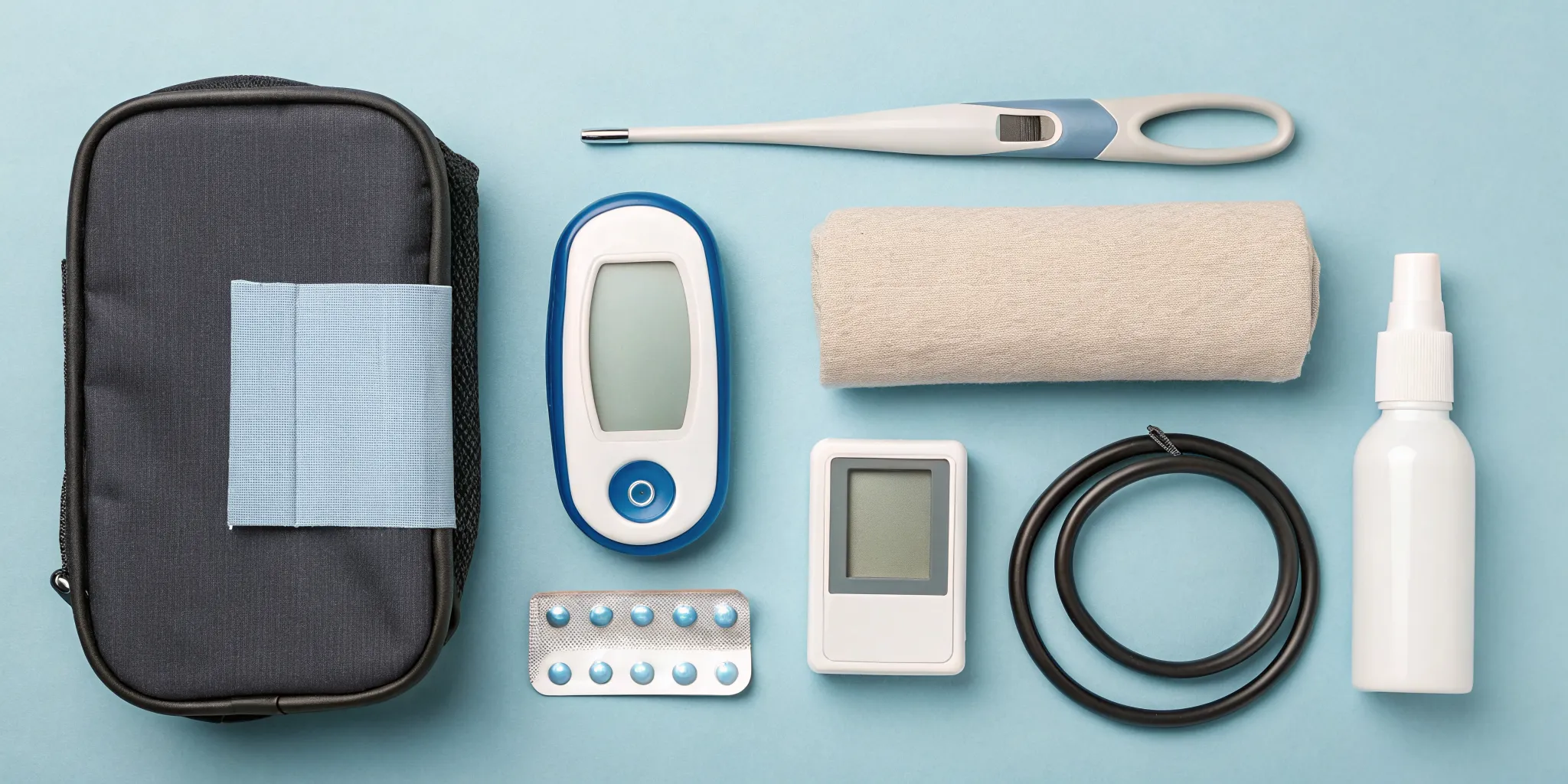
Think of your HSA as a secret savings weapon hiding in your wallet. While you know it’s for medical costs, you might be surprised to learn just how broad that category is. Thanks to recent changes, you can now buy over-the-counter medications, feminine care products, and even some skincare without a prescription. This turns a store like Walmart into a goldmine for health savings. Instead of guessing what’s covered, this article will give you the clarity you need. We’ll cover the surprising finds and everyday essentials that make up the list of Walmart HSA eligible items, empowering you to shop smarter.
Key Takeaways
- Expand your HSA shopping list: Your pre-tax funds can cover many everyday items you already buy, including sunscreen, first-aid supplies, and feminine care products, not just prescriptions.
- Shop confidently at Walmart: Find qualified products easily by looking for the “HSA Eligible” label on store shelves, using the online filter, or shopping directly in Walmart’s dedicated HSA/FSA online store.
- Save your receipts for proof: While using your HSA card is easy, you are responsible for proving your purchases are qualified, so keep your receipts in a safe place in case you need them for your plan administrator or the IRS.
What Are HSA-Eligible Items?
Think of HSA-eligible items as a broad category of medical expenses and health products you can buy with your Health Savings Account funds. Many common products you already purchase are eligible, even if you don’t realize it. The main idea is that the product or service must be used primarily to prevent or treat a physical or mental illness. This opens up a lot more possibilities than just prescriptions and doctor visits, helping you make the most of your pre-tax health dollars.
What Makes an Item HSA-Eligible?
An item is generally considered HSA-eligible if it helps diagnose, treat, or prevent a medical condition. While that sounds a bit formal, it covers a lot of ground. To make things simple, many retailers, including Walmart, now mark products with an “HSA/FSA Eligible” badge on the shelf or online. This label is your best friend when shopping, as it helps you quickly identify which items you can purchase with your HSA funds without any guesswork. It’s a straightforward way to shop with confidence and know you’re staying within the guidelines.
How the CARES Act Changed the Rules
A few years ago, the rules for HSAs received a major, consumer-friendly update. The CARES Act significantly expanded the list of eligible items you can buy with your HSA funds. The biggest change was allowing the purchase of over-the-counter medications like pain relievers, cold medicine, and allergy pills without needing a doctor’s prescription. The act also made menstrual care products, such as tampons, pads, and liners, fully eligible for the first time. This was a huge step forward, making it easier to use your HSA for everyday health needs.
Clearing Up Common HSA Myths
One of the biggest myths about HSAs is that they are only for “serious” medical costs. Many people are surprised to learn just how many everyday wellness products qualify. For example, did you know that many types of sunscreen and even some acne-fighting face washes are HSA-eligible? These items are often overlooked but are considered valid medical expenses because they prevent or treat a medical condition (sunburn or acne). By understanding the full scope of what’s covered, you can use your HSA to support your overall health and well-being, not just when you’re sick.
The Financial Perks of Using Your HSA
Think of your Health Savings Account (HSA) as more than just a special debit card for medical costs. It’s a powerful financial tool designed to help you save money and prepare for the future. The real magic of an HSA lies in its unique tax advantages. You contribute money before taxes, it can grow tax-free, and you can spend it on qualified expenses without paying any taxes. This triple-threat of savings makes it one of the smartest ways to manage your health-related spending. Let’s break down two of the biggest financial benefits you get when using your HSA.
Save Money with Pre-Tax Dollars
One of the best parts of having an HSA is that you fund it with pre-tax dollars. This means the money goes into your account straight from your paycheck before income taxes are taken out. Using your HSA allows you to set aside money to pay for qualified medical expenses, which effectively reduces your overall taxable income and saves you money. So, when you buy that bottle of sunscreen or a pack of bandages at Walmart with your HSA card, you’re paying with money you never paid taxes on. It’s like getting an automatic discount on all your health essentials, making every purchase a little smarter for your wallet.
Your HSA Funds Roll Over—Here’s Why That Matters
Unlike a Flexible Spending Account (FSA), which often has a strict “use it or lose it” rule, your HSA funds are yours to keep. One of the most significant advantages of an HSA is that the funds do not expire. Instead, they roll over year after year, which is a key difference between an HSA and FSA. This means you can say goodbye to that frantic, end-of-year spending spree on things you don’t really need. You can take your time to accumulate savings for future medical expenses, giving you a safety net for both small costs and unexpected health events down the road. Your HSA becomes a personal health savings fund that grows with you.
Your Guide to HSA-Eligible Items at Walmart
Walking into Walmart with your HSA card can feel like having a superpower. Suddenly, aisles you’ve walked down a hundred times look different. You start seeing opportunities to save on health essentials everywhere. The key is knowing what to look for. You can use your HSA funds to pay for a huge range of medical expenses and health products, many of which you might not even realize are eligible. From the pharmacy section to the baby aisle, your tax-free dollars can go a long way. This guide will walk you through the main categories of HSA-eligible items you can find at Walmart, so you can feel confident and prepared on your next shopping trip. Think of it as your personal shopping list for making smart, healthy choices that are also great for your wallet. We’ll cover everything from everyday medications to surprising finds, helping you shop with clarity and make the most of your pre-tax savings. Getting familiar with these categories turns a regular shopping trip into a strategic way to manage your health and finances.
Over-the-Counter Medications
Your HSA is perfect for stocking your medicine cabinet. Think about all the basics: pain relievers like ibuprofen or acetaminophen, allergy pills for seasonal sniffles, and cold and flu medicine to get you through the winter. Thanks to the CARES Act, you no longer need a prescription to buy these items with your HSA funds. This makes it so much easier to grab what you need for headaches, heartburn, or motion sickness right off the shelf at Walmart and pay with your pre-tax money.
First Aid Supplies
A well-stocked first aid kit is a must for any home, and your HSA can cover the cost. You can buy everything from a box of fun, character-themed Band-Aids for your kids to more serious supplies like antiseptic wipes, gauze, and medical tape. Don’t forget items like antibiotic ointments, burn cream, and instant cold packs. Building or replenishing your kit at Walmart is a smart way to be prepared for any minor scrapes, cuts, or sprains that life throws your way, all while using your tax-advantaged health savings.
Vision and Eye Care
Taking care of your eyes is crucial, and your HSA funds can help. You can purchase contact lens solution, cleaning cases, and rewetting drops. If you wear glasses, you can also buy reading glasses directly off the rack at Walmart. Even prescription sunglasses are eligible if you have a prescription. Eye drops for allergies or dry eyes are also covered, making it easy to find relief. It’s a great way to use your account for those recurring vision expenses that really add up over the year.
Dental Care Products
Your HSA covers more than just your dentist visits. You can use it for a variety of dental care products that help prevent or treat specific issues. This includes items like night guards to prevent teeth grinding, denture adhesives and cleaners, and oral pain relief gels. While your everyday toothbrush and toothpaste aren’t covered, products that serve a clear medical purpose are. It’s a great way to invest in your oral health beyond your routine cleanings without dipping into your regular budget.
Feminine Care Products
This is a big one. All tampons, pads, menstrual cups, and liners are now HSA-eligible without a prescription. This change makes a huge difference for managing monthly expenses. You can also purchase products for period pain relief, like heating pads or over-the-counter pain medicine. It’s a simple, practical way to use your HSA funds for essential items you’re already buying. Stocking up on feminine hygiene products at Walmart with your HSA card is a smart financial move.
Baby and Infant Health Products
For parents, an HSA can be a lifesaver. You can use your funds for a wide range of baby and infant health products. This includes essentials like baby thermometers, nasal aspirators, and diaper rash creams. Children’s pain relievers and fever reducers are also eligible, as are baby-specific electrolyte solutions for dehydration. Even things like baby sunscreen and certain formulas can qualify. It’s an excellent way to manage the costs of keeping your little one healthy and comfortable.
Medical Devices and Health Monitoring Equipment
You can use your HSA to purchase a variety of medical devices that help you monitor and manage your health at home. This includes blood pressure monitors, glucose meters and test strips, and cholesterol testing devices. Even larger items like nebulizers or certain air purifiers can be eligible, though they may require a Letter of Medical Necessity from your doctor. These tools empower you to take an active role in your health, and using your HSA makes them more accessible.
Mental Health and Sleep Aids
Your mental well-being is a critical part of your overall health, and some related products are HSA-eligible. Over-the-counter sleep aids are a common purchase. You may also be able to use your funds for items like light therapy lamps (for seasonal affective disorder) or weighted blankets, though these often require a Letter of Medical Necessity from a doctor explaining their therapeutic purpose. Using your HSA for these items is a great way to invest in your rest and mental peace.
Vitamins and Supplements
Taking care of your nutritional needs is a key part of staying healthy, and your HSA can help. You can use your funds to purchase vitamins and supplements, as long as they are for the treatment or prevention of a specific medical condition. While a general multivitamin for “general wellness” might not qualify, prenatal vitamins, iron supplements for anemia, or calcium for osteoporosis prevention are typically covered. It’s always a good idea to check your plan’s specific rules on this.
Sunscreen and Skin Care Products
Protecting your skin is a medical necessity, which is why many skin care products are HSA-eligible. Sunscreen with an SPF of 15 or higher is always covered, so you can stock up for the whole family. You can also buy acne treatments, including medicated face washes, spot treatments, and creams. Even certain lotions for treating skin conditions like eczema or psoriasis are eligible. It’s a fantastic way to use your pre-tax dollars on products that protect and care for your body’s largest organ.
Surprising HSA-Eligible Items at Walmart
Your HSA is for more than just doctor’s appointments and prescriptions. It’s a powerful tool for covering a wide range of health-related expenses, including many everyday items you’re already buying at Walmart. You might be surprised to find that your HSA can cover everything from your favorite sunscreen to your go-to allergy medicine.
The key is that the item must treat or prevent a medical condition. Thanks to the CARES Act, this now includes a huge selection of over-the-counter products that you no longer need a prescription for. This change makes it easier than ever to use your pre-tax dollars on things you use daily. Let’s look at some of the most unexpected finds that qualify.
Everyday Skin and Sun Care
Many people don’t realize that their skin care routine can be partially funded by their HSA. Because it protects your skin from sun damage (a medical concern), sunscreen is almost always an eligible expense. This includes face and body sunscreens, and even some SPF-rated lip balms. Beyond sun protection, you can often buy certain over-the-counter medical products like acne treatments. Medicated face washes, pimple patches, and acne creams designed to treat breakouts are typically eligible for HSA spending.
Feminine and Family Health
Your HSA is also a great resource for feminine care and family wellness items. Products like tampons, pads, menstrual cups, and liners are all considered qualified medical expenses. This category also includes items for monitoring your health at home, such as UTI test strips and pregnancy tests. For parents, many child-focused products are eligible, including children’s pain relievers, nasal sprays, and baby sunscreen. Stocking up on these essentials with your HSA card is a smart way to make your healthcare dollars go further.
What Isn’t HSA-Eligible at Walmart?
While it’s great to know what you can buy with your HSA funds, it’s just as important to understand what you can’t. Knowing the boundaries helps you avoid accidental non-qualified purchases, which can lead to taxes and penalties. The rules generally come down to whether an item is for treating a specific medical condition or for general health and personal upkeep. Getting this distinction right is key to using your HSA smartly and confidently.
Personal Care vs. Medical Care: Drawing the Line
The IRS draws a clear line between medical care and personal care. Your HSA is intended for qualified medical expenses, which means items for general well-being or cosmetic purposes typically don’t make the cut. Think of things you use for daily hygiene, like regular toothpaste, deodorant, makeup, and standard shampoos. While they contribute to your health, they are considered personal care items and are not eligible for purchase with your HSA card. The key difference is whether the item treats or prevents a specific health issue. That’s why bandages, first-aid kits, and medicated acne treatments are eligible, but your everyday face wash is not.
Fitness and Wellness: What Qualifies?
When it comes to fitness and wellness, the rules can feel a bit gray, but the same principle applies. General wellness expenses are not eligible. This means you can’t use your HSA funds for a gym membership, fitness classes, or workout equipment like dumbbells, even though they are great for your overall health. However, an item may become eligible if your doctor recommends it to treat a specific diagnosis. For example, while a treadmill for general fitness isn’t covered, it might be if prescribed for cardiac rehabilitation. Similarly, you can find many HSA eligible expenses like crutches, blood pressure monitors, or braces at Walmart because they directly address a medical need.
How to Find HSA-Eligible Items at Walmart
Okay, so you know what you can buy, but how do you actually find these items without spending hours reading labels? Walmart makes it pretty straightforward to identify HSA-eligible products, whether you’re shopping in person or online. Knowing where to look can turn a potentially confusing shopping trip into a simple, confident one. It’s all about using the right tools and looking for the right signs. Let’s walk through the three easiest ways to spot qualified items and get the most out of your health savings.
Find Eligible Items In-Store
When you’re walking down the aisles at Walmart, keep an eye out for special tags on the shelves. Many HSA-eligible products are clearly marked, so you don’t have to do any guesswork. You’ll often see a sign or label that says “HSA Eligible” right next to the price tag, especially in the pharmacy and health sections. This simple labeling system helps you quickly confirm if that bottle of sunscreen or box of bandages qualifies. It’s a small detail that makes a big difference, letting you shop with confidence and get on with your day without second-guessing your purchases.
Find Eligible Items Online
If you prefer shopping from your couch, Walmart’s website makes finding eligible items just as simple. As you browse for products, look for a small badge on the item’s page that says “FSA/HSA eligible.” This tag is your green light, confirming you can use your health savings account for that purchase. It takes all the uncertainty out of filling your virtual cart with qualified medical expenses. This clear labeling is a huge help when you’re trying to figure out exactly what you can buy with your funds, making online shopping for health needs a breeze.
Use the Walmart HSA/FSA Shop
Want to skip the searching altogether? Here’s my favorite trick: head straight to Walmart’s dedicated online FSA/HSA Store. Think of it as a curated shop where everything on the virtual shelves is already approved for purchase with your HSA funds. You can browse by category, from cold and flu to baby care, knowing that every single item is eligible. This is the most direct way to shop for your health needs and saves a ton of time. Instead of filtering or searching, you can simply add items to your cart, confident that they all qualify.
Can You Use Your HSA Card at Walmart?
Good news, the answer is a clear yes. You can absolutely use your Health Savings Account (HSA) card at Walmart for eligible health-related purchases. This makes Walmart a convenient one-stop shop for stocking up on everything from over-the-counter medicine to first-aid supplies using your pre-tax dollars. Think of it as one more way to simplify your health journey. Instead of making a separate trip to a specialty pharmacy, you can grab your HSA-approved items during your regular grocery run, which saves you time and energy.
Using your HSA at a major retailer like Walmart helps you get the most out of your savings. Because your HSA funds are pre-tax, every eligible purchase you make is like getting an automatic discount, equivalent to your tax rate. It’s a smart financial move that empowers you to take control of your health spending. The process is designed to be straightforward, but knowing a few tips before you head to the checkout lane can make the experience even smoother. We’ll walk you through exactly how to pay with your card and what to do if you run into any snags, so you can shop with total confidence and make your health dollars work for you.
Using Your HSA Card at Checkout
When you’re ready to pay, the process is as simple as using a regular debit card. As you shop, keep an eye out for items marked with an “FSA and HSA eligible” badge. Walmart does a great job of labeling these products both in-store and online, taking the guesswork out of your shopping trip. This makes it easy to spot exactly what you can buy with your HSA funds. At the register, just swipe or insert your HSA debit card. The system is set up to automatically approve the qualifying items in your cart. It’s a seamless way to make sure you’re putting your health savings to good use without any extra hassle.
Troubleshooting at the Register
Even with the best systems, you might occasionally hit a snag at checkout. If an item doesn’t ring up as eligible or you have any other issues, don’t panic. First, double-check that the item is indeed HSA-qualified. If you’re sure it is, you can always pay out of pocket and reimburse yourself from your HSA later, just be sure to keep the receipt. Speaking of receipts, it’s a great habit to save them for all HSA purchases. Some customers have even reported being able to see in-store receipts in the Walmart app, which is a handy feature for tracking. This documentation is your proof of purchase if you ever need to verify expenses for your HSA administrator or the IRS.
What to Know Before You Shop
Heading to Walmart with your HSA card in hand is a fantastic way to save on health essentials. But a little prep work can make your shopping trip even smoother and help you get the most out of your funds. Think of it like creating a grocery list before you go to the store; knowing the rules of the road prevents confusion at the checkout counter and ensures you’re using your account correctly.
Before you start filling your cart with sunscreen and first-aid supplies, there are a few key things to keep in mind. From handling a mix of eligible and non-eligible items to knowing what records to keep, these simple tips will give you the confidence to shop smart. Taking a moment to understand the process will save you time and potential headaches later, especially when tax season rolls around.
How to Handle a Mixed Cart
It’s pretty rare to go to Walmart and only buy HSA-eligible items. What happens when your cart has bandages, allergy medicine, and a new set of towels? Don’t worry, you won’t have to do separate transactions. Most modern checkout systems, including Walmart’s, are set up to handle this. When you swipe your HSA card, the system automatically identifies the eligible products and deducts their cost from your account.
You will then need to pay for the remaining items, like the towels, with a different payment method, such as a personal credit or debit card. To make it easy on yourself, look for items marked with an “HSA Eligible” badge as you shop on Walmart’s website. This way, you’ll have a good idea of what to expect when you get to the register.
Why You Should Keep Your Receipts
While using your HSA card feels just like using a debit card, it comes with one important responsibility: you need to keep your records. Your Health Savings Account offers great tax benefits, and the IRS might want you to prove that you used the funds for qualified medical expenses. Holding onto your receipts is the easiest way to do this. It’s a good habit to get into, just in case you ever face an audit.
You don’t need a complicated filing system. Simply tuck your paper receipts into a dedicated envelope or folder. For online orders, creating a digital folder on your computer or in a cloud drive works perfectly. This simple step ensures you have all the necessary documentation to back up your purchases, as outlined in IRS Publication 969.
Check Your Plan’s Specific Rules
While the IRS sets the general guidelines for what qualifies as a medical expense, your specific HSA plan might have its own nuances. Think of the IRS rules as the foundation and your plan administrator’s rules as the specific house built on top of it. Most plans stick closely to the federal list, but it never hurts to double-check. This is especially true for items that can sometimes fall into a gray area.
Before making a large purchase, take a minute to log into your HSA provider’s online portal or review the documents they sent you. This is the best way to understand your plan and confirm exactly what is covered. Being proactive gives you total confidence that you’re spending your health dollars wisely and in full compliance with your account’s rules.
Track Your HSA Spending at Walmart
Keeping track of your HSA spending is just as important as making smart purchases. Good record-keeping ensures you can prove your expenses were for qualified medical costs, which is essential for tax purposes. It might sound like a chore, but with a few simple habits, you can make tracking your HSA spending at Walmart feel effortless. Think of it as the final step in making your health dollars work for you.
The goal is to create a clear paper trail that connects your spending to your HSA. This way, if you ever need to verify your purchases for the IRS, you’ll have everything you need ready to go. Let’s walk through two simple strategies to keep your HSA spending organized and stress-free.
Use Your HSA Card for Simple Tracking
The easiest way to track your spending is to use your HSA debit card for every eligible purchase. When you swipe your card at Walmart, the transaction is automatically recorded through your HSA provider. This creates a digital footprint that separates your health spending from your everyday purchases. Many items at Walmart are even marked with an “HSA/FSA Eligible” badge, taking the guesswork out of your shopping trip.
Using your dedicated card for these items helps keep your health expenses neatly organized in one place. It simplifies your financial management because you won’t have to sift through bank statements to find your qualified purchases. Just make sure you use your special HSA debit card when you pay to keep everything streamlined.
Get Organized for Tax Time
While your HSA provider tracks your transactions, it’s still a great idea to keep your own records, especially your receipts. This is your backup proof that your funds were spent on qualified medical expenses. A simple trick is to keep an envelope or a folder specifically for your HSA receipts. After a Walmart run, just toss the receipt inside.
This small habit can save you a major headache when it’s time to do your taxes. The IRS may require you to show proof of your purchases, and having your receipts handy makes reporting your distributions a breeze. This simple step provides peace of mind and ensures you’re always prepared.
Related Articles
- The Ultimate Guide to HSA Eligible Products
- Your Guide to Walmart FSA Eligible Products
- HSA Eligible Items: The Ultimate Shopping List
- 24 FSA & HSA Eligible Expenses You Didn’t Know About (2025)
- HSA Eligible Hand Sanitizer: The Ultimate Guide
Frequently Asked Questions
What if I pay for an HSA-eligible item with my regular credit card by mistake? Don’t worry, you can still get your tax savings. If you pay for a qualified medical expense out of pocket, you can reimburse yourself directly from your HSA. Just log into your HSA provider’s online portal and follow their process for reimbursement, which usually involves transferring the funds to your personal bank account. This is another great reason to keep your Walmart receipts, as you’ll need them as proof of the qualified purchase.
You mentioned some items need a “Letter of Medical Necessity.” What is that and how do I get one? A Letter of Medical Necessity (LMN) is a formal note from your doctor that explains why a specific product is needed to treat your medical condition. You typically only need this for items that aren’t automatically considered medical care, like a weighted blanket for anxiety or an air purifier for asthma. To get one, simply ask your doctor during your next appointment to write a letter detailing the diagnosis and their recommendation. Keep this letter with your receipts for your records.
Why are some skin care products like sunscreen eligible, but my daily moisturizer isn’t? This comes down to the primary purpose of the product. Sunscreen is eligible because its main job is to prevent a medical condition, which is sun damage and skin cancer. Likewise, an acne face wash is eligible because it treats acne. A general moisturizer, however, is usually considered a cosmetic or personal care item for general skin health, not for treating a specific medical diagnosis. The line is drawn between treating a condition and general upkeep.
What happens if I accidentally buy something that isn’t eligible with my HSA card? It happens, and it’s usually an easy fix. If you realize you bought a non-qualified item with your HSA funds, you should contact your HSA administrator. They can guide you on how to return the funds to your account to correct the mistake. Acting quickly helps you avoid any potential taxes or penalties on the withdrawal, keeping your account in good standing.
Do my HSA funds expire at the end of the year like an FSA? No, they don’t, and this is one of the best features of an HSA. Unlike a Flexible Spending Account (FSA), your HSA balance rolls over year after year. The money is yours to keep and can even grow over time if you choose to invest it. This means you never have to rush to spend your funds before a deadline, allowing you to build a health savings fund for future needs, big or small.