
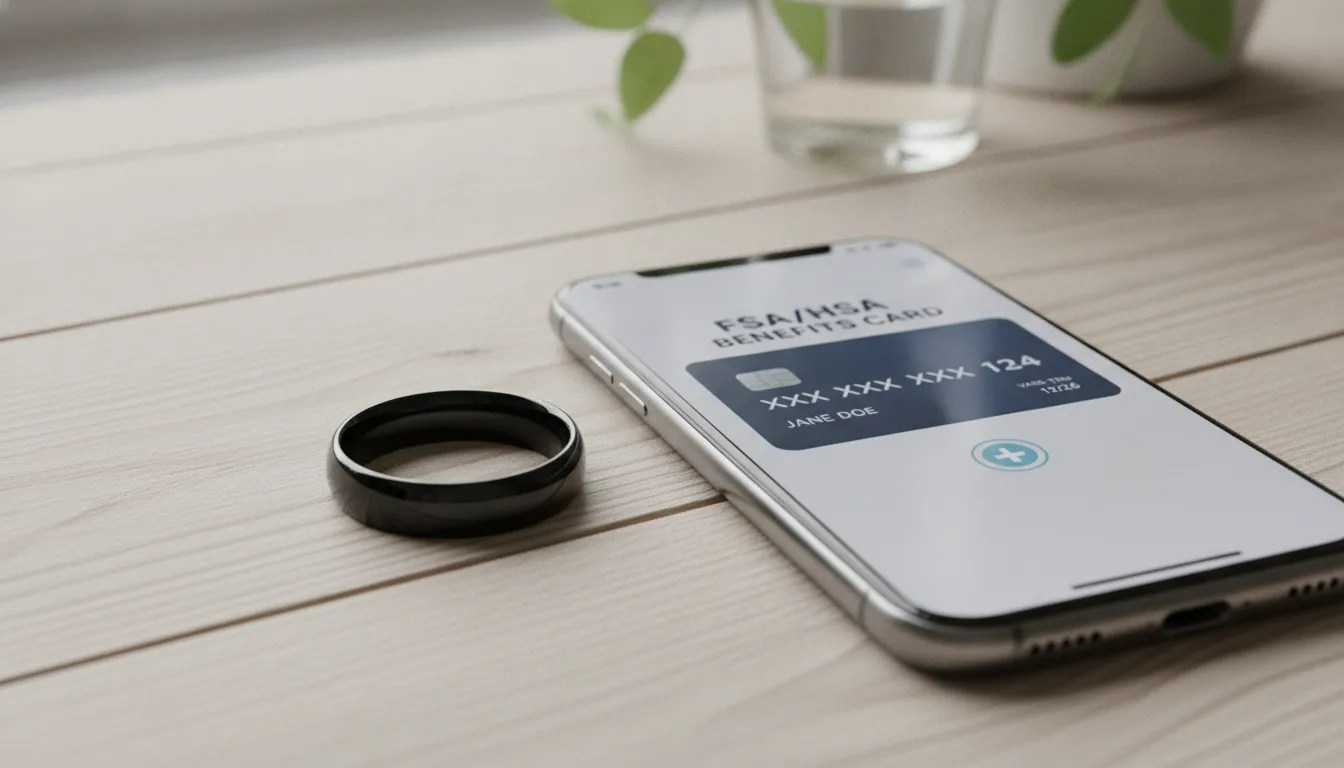
The Oura Ring often qualifies for pre-tax spending through flexible spending or health savings accounts. Getting this high-tech wearable covered requires a few simple steps and the right paperwork to satisfy IRS rules.
The Oura Ring FSA eligible status depends on the device serving a specific medical purpose because the IRS generally treats health trackers as dual-purpose items. This means most plan administrators require a signed Letter of Medical Necessity confirming the device is medically required for a diagnosed condition. According to hsalist.org, an LMN is a document from a provider that explains why a product is medically necessary. By keeping proper records, you can use pre-tax funds for the ring and membership fees while remaining compliant with IRS guidelines.
At daylii, we are building tools to simplify health spending and help you avoid manual claims. Understanding whether your Oura Ring qualifies for pre-tax dollars is the first step toward maximizing your healthcare plan.
Is the Oura Ring FSA Eligible?
Yes, the Oura Ring is broadly FSA or HSA eligible. This smart ring tracks health data including sleep patterns, heart rate variability, body temperature, and activity levels. Major retailers like FSAStore and Oura’s own storefront confirm that pre-tax funds can purchase both the device and its subscription plan. This makes it a practical option for anyone monitoring their health while maximizing tax-advantaged spending.
Understanding IRS Publication 502 Rules
The eligibility framework for FSA purchases comes from federal tax guidance. Per IRS Publication 502, medical expenses must be for the diagnosis, cure, mitigation, treatment, or prevention of disease. This includes costs for care affecting any structure or function of the body. Since the Oura Ring tracks physiological signals that help manage health conditions, it falls within this category when used for a documented medical purpose.
However, the IRS classifies some items as dual-use, meaning they serve both general wellness and medical needs. Because the ring tracks sleep patterns and step counts alongside clinical-grade metrics, some plans may request additional documentation. A signed Letter of Medical Necessity from a physician confirms the device is needed to treat or monitor a specific condition. Maintaining a clear audit trail of the purchase rationale helps satisfy both IRS and plan-level requirements.
Accounts That Do Not Cover the Oura Ring
Most health spending accounts accept the Oura Ring, but there are important exceptions. The ring is not eligible through a Limited Purpose Flexible Spending Account (LPFSA), which restricts spending to dental and vision expenses only. Similarly, a Dependent Care FSA (DCFSA) cannot be used for this purchase, as that account is designated for childcare or adult care costs while you work. Always verify your specific plan documents for any employer-specific exclusions.
Why the Oura Ring Qualifies as Medical Care
The ring qualifies because its functionality extends beyond basic step counting. It delivers continuous data on heart rate, HRV, respiratory rate, and sleep architecture. This information is clinically valuable for individuals managing cardiovascular conditions, sleep disorders, or chronic stress. By tracking these biometric trends, users can collaborate with their physicians to make more informed treatment decisions. The device functions as a bridge between daily wellness and clinical care, which is precisely the type of medical utility that supports pre-tax eligibility.
How to Buy an Oura Ring with FSA or HSA Funds
Purchasing a smart ring with pre-tax health funds is a straightforward process. Most users complete the transaction in minutes. You have two primary options: pay directly with your health card at checkout, or pay out-of-pocket and submit a reimbursement request. Both methods comply with IRS Publication 502 guidelines for medical expenses.
Step 1: Choose Your Ring and Membership
First, select your preferred ring style and finish. The Oura Ring 4 is FSA or HSA eligible because it monitors heart rate and sleep patterns. Add the Oura Membership to your cart as well; this monthly subscription fee is also eligible for pre-tax spending. Bundling both in a single order simplifies tracking and claim submission.
Step 2: Check for Ineligible Items
Be aware of items your plan will not cover. While the ring and membership are safe purchases, extended warranty or protection plans are not considered medical expenses. Multi-year protection plans must be paid with a standard payment method. Keeping these costs separate helps streamline your eligible spending strategy for the remainder of the plan year.
Step 3: Pick Your Payment Method
When ready to complete the purchase, use one of the following methods. Oura accepts health cards at checkout for a frictionless experience.
- Use your FSA or HSA card at checkout. Enter your health card number like a standard credit card. This is the fastest route and avoids reimbursement delays.
- Pay with a personal card and request reimbursement. If you do not have a physical health card, pay with your own funds and submit the receipt to your plan administrator for repayment.
- Retain all purchase records. Save your order confirmation, invoice, and any email correspondence from Oura. These documents serve as proof should your plan request verification of the medical expense.
- Shop at eligible retailers. Purchase from stores that explicitly list the ring as an FSA- or HSA-eligible item before completing the transaction.
Step 4: Manage Your Monthly Fees
The Oura Membership requires an ongoing subscription to access detailed health analytics. Since this fee qualifies as a medical expense, you can set it to auto-pay from your health card each month. This keeps your tracking active without dipping into personal income. Using tools for eliminating manual claims can help automate these recurring expenses and ensure uninterrupted data access.
Do You Need a Letter of Medical Necessity for an Oura Ring?
You may need a Letter of Medical Necessity (LMN) to purchase an Oura Ring with pre-tax funds. While many users complete the purchase directly, some plan administrators request this documentation. An LMN is a formal statement from a licensed healthcare provider that establishes the medical purpose of a device. Since the ring tracks both wellness and clinical metrics, it frequently falls into the dual-purpose classification that triggers additional review.
What Is an LMN?
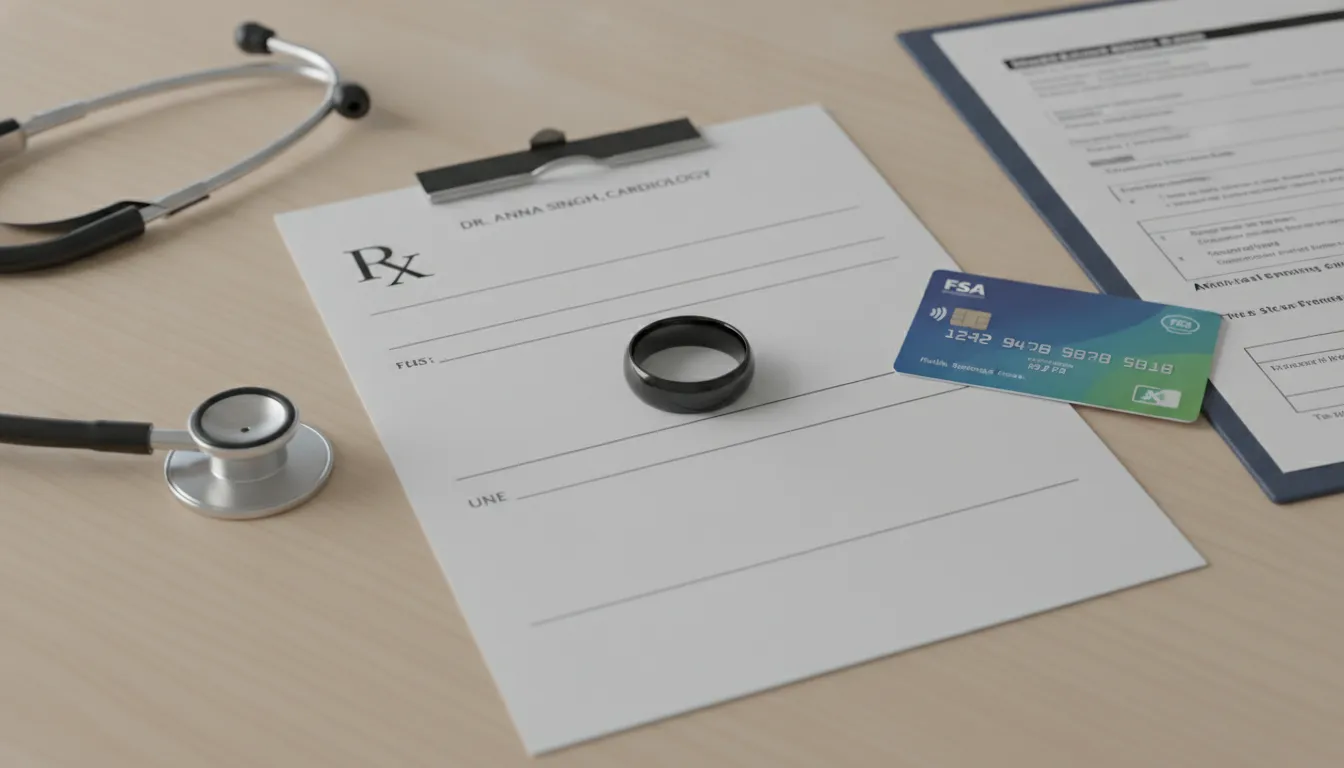
A Letter of Medical Necessity bridges the gap between a general wellness product and a recognized medical device. Under IRS Publication 502, eligible medical expenses must diagnose, treat, or prevent disease. A licensed provider must author this document, specifying your diagnosis and explaining how the Oura Ring supports your treatment plan. For example, a cardiologist might recommend the ring to monitor heart rate variability in a patient with arrhythmia. Or a sleep specialist might prescribe it to track sleep apnea treatment efficacy.
Why Plan Administrators Request It
Plan administrators require proof that a purchase serves a medical rather than general fitness purpose. The IRS has explicitly stated that general wellness expenses do not qualify as deductible medical costs. Because the line between wellness and medical necessity can be subjective, a physician’s documentation provides the clearest evidence of eligibility. Having an LMN prepared in advance prevents claim denials and strengthens your position in the event of an IRS audit.
How to Obtain a Doctor’s Note
Requesting an LMN requires a consultation with your healthcare provider about your specific health goals. The provider evaluates whether the device is integral to your care plan. If they concur, they will issue a signed document on official letterhead. This letter typically requires renewal if the treatment plan extends beyond one year. Review the Letter of Medical Necessity requirements for a detailed breakdown of what your physician should include. Maintaining current documentation ensures ongoing compliance with IRS standards.
What Documentation Do You Need for FSA or HSA Reimbursement?
Using pre-tax funds for an Oura Ring requires proof that the expense qualifies as medical care. The IRS mandates specific recordkeeping standards, and incomplete paperwork is the leading cause of denied claims. Preparing the right documentation in advance eliminates reimbursement delays and preserves your tax savings.
Basic Itemized Receipts
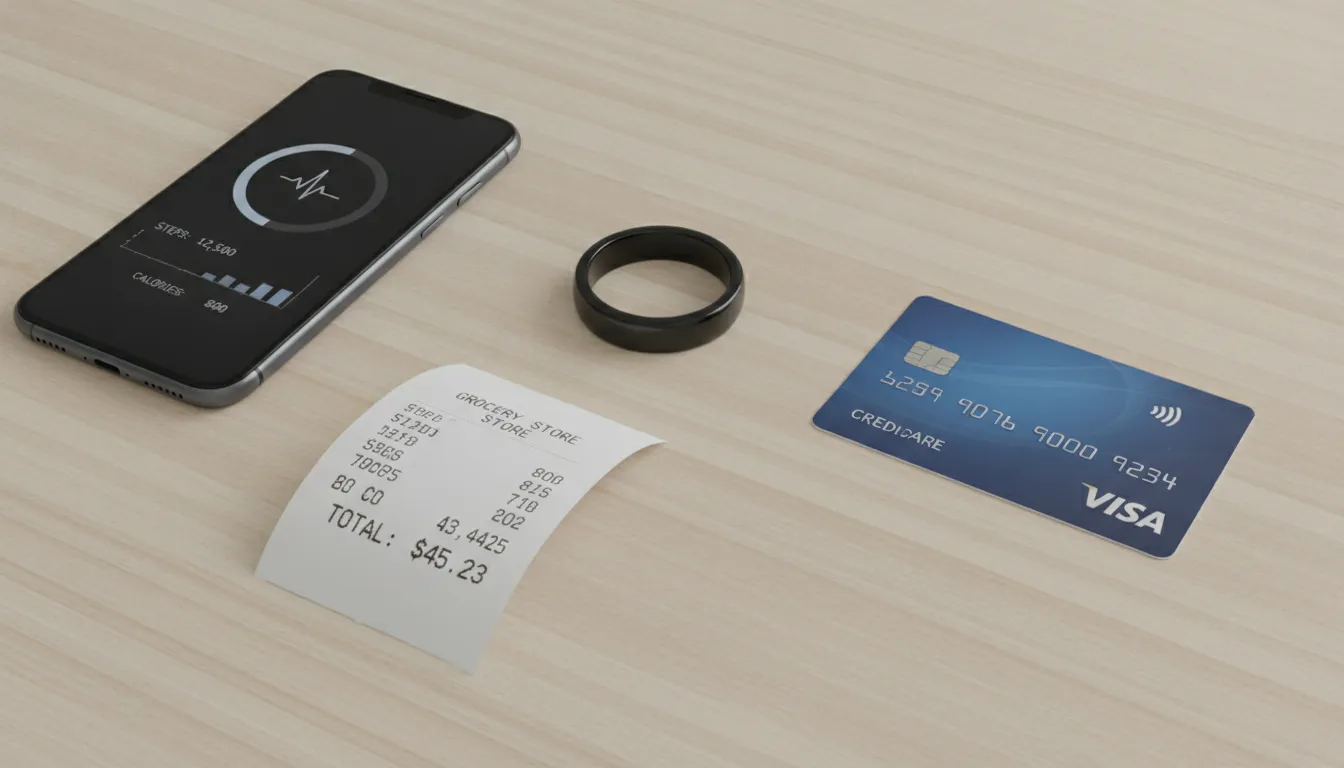
Every purchase requires a detailed receipt. A credit card statement alone does not satisfy health account requirements. You must maintain records sufficient to demonstrate that the expenditure was for medical care. A compliant receipt should include:
- Date of purchase
- Product name (Oura Ring and specific model)
- Total amount paid
- Merchant name and address
For online purchases, save the order confirmation and emailed invoice. These records are essential because FSA or HSA cards are occasionally declined when merchant category codes do not clearly indicate medical spending. Having a complete receipt on hand simplifies resolution with your plan administrator. Maintain digital copies of all receipts throughout the plan year for easy access.
The Letter of Medical Necessity
Because the Oura Ring tracks general wellness metrics alongside clinical data, a standard receipt may not suffice. A Letter of Medical Necessity provides the medical context that transforms a wellness device into a qualified medical expense. Many plans require this document before approving an Oura Ring FSA eligible claim.
Your healthcare provider must issue a statement explaining the medical rationale for the device. It should reference your diagnosis and describe how the ring’s data supports your ongoing care. Review the Letter of Medical Necessity requirements for a comprehensive guide on what your physician should include. This step is especially critical for dual-purpose items that bridge fitness tracking and medical monitoring.
Recordkeeping for the IRS
The burden of proof for medical expenses falls on the taxpayer. Even when a health card transaction processes successfully, the IRS may request substantiation during an audit. Retain receipts and medical necessity letters for a minimum of three years following the tax year of the purchase. Store digital copies in a secure cloud location for reliable retrieval.
Employer-sponsored plans may impose stricter documentation standards than the IRS baseline. Plan administrators retain the discretion to review and deny claims that do not meet their specific criteria, particularly for emerging health technologies like smart wearables. Check your plan portal regularly for any additional form requirements. At daylii, we help users navigate these requirements so pre-tax dollars are used with full confidence.
Which Other Smart Wearables Are FSA or HSA Eligible?
The Oura Ring represents a leading option for pre-tax health spending, but other devices may also qualify. Many users ask whether an Apple Watch, Fitbit, or Whoop band is FSA or HSA eligible. The answer depends on the intended use. Under IRS Publication 502, pre-tax funds apply only to medical care, meaning the device must diagnose, treat, or prevent a specific condition.
General Health vs. Medical Care
Most wearable devices are designed for general wellness. The IRS considers personal fitness trackers as non-qualified expenses when used solely for general health. A step counter used casually falls into this category. However, when a physician prescribes a device to monitor a diagnosed condition, the same device may qualify as medical care. Wearables with FDA-cleared features, such as ECG or atrial fibrillation detection, are more likely to meet the medical threshold.
The Need for a Doctor’s Note
Using pre-tax funds for these devices virtually always requires a Letter of Medical Necessity. This document must establish a diagnosed condition and demonstrate how the wearable supports treatment or monitoring. Without it, plans typically classify the purchase as a general wellness expense. Review the Letter of Medical Necessity requirements to understand what documentation your provider should prepare. Maintaining thorough records is the key to avoiding out-of-pocket costs.
Wearable Eligibility Comparison
The table below compares popular devices and their typical FSA/HSA eligibility. Individual results depend on your specific diagnosis and plan administrator.
| Device | Primary Tracking | Typical Status | LMN Required? |
|---|---|---|---|
| Oura Ring | Sleep, Heart Rate, HRV | Eligible with LMN | Recommended |
| Apple Watch | ECG, Blood Oxygen, Heart Rate | Dual-Purpose | Yes |
| Fitbit | Steps, Sleep, Heart Rate | Dual-Purpose | Yes |
| Whoop | Strain, Recovery, Sleep | Dual-Purpose | Yes |
| Other Smart Rings | Varies by Brand | General Health | Yes |
Making the Most of Your Pre-Tax Funds
Navigating eligibility across multiple devices can be time-consuming. Platforms like daylii are designed to streamline this process, helping users identify eligible products and manage their health spending efficiently. Our goal is to make smarter eligible spending a seamless part of your financial routine. Future automated tools will further reduce the manual effort involved in eligibility checks and claim submissions, ensuring you maximize every pre-tax dollar.
How daylii Simplifies FSA and HSA Spending
Managing health funds should not require a manual review of complex IRS rules. Many users find pre-tax spending guidelines confusing. Which leads to missed savings opportunities on devices like the Oura Ring. daylii transforms this experience by providing clarity and automation throughout the health spending lifecycle.
Smart Product Discovery with dayliiMarketplace
The first step to smarter eligible spending is knowing exactly what qualifies. The dayliiMarketplace is being built to deliver instant eligibility checks across thousands of products. It will let you confirm whether a device qualifies under your specific plan before you commit to a purchase. This eliminates the uncertainty of a declined card at checkout. By surfacing eligibility data upfront, daylii removes the guesswork from health spending decisions.
Search for any product within the marketplace to see its real-time eligibility status. This feature is particularly valuable for dual-use items that may require supporting documentation from a physician. Instead of parsing lengthy IRS publications, you receive a straightforward answer. This proactive approach puts you in control of your health budget and lets you focus on wellness rather than paperwork.
Automated Claim Support with dayliiReimburse
Receipt management remains one of the most persistent pain points in health spending. The IRS requires detailed records substantiating every medical expense as outlined in IRS Publication 502. The dayliiReimburse tool is being designed to address this through AI-driven receipt parsing and automated elimination of manual claims workflows.
This upcoming feature will scan receipts, extract relevant data, and map each purchase to the appropriate medical expense category. It will streamline the post-purchase claim process for items like the Oura Ring or diagnostic test kits. Centralizing all documentation in one platform simplifies audit preparation and ensures your records are always accessible when needed.
Real-Time Balance Tracking with dayliiPulse
One of the most common pitfalls in health spending is leaving funds unspent at the end of the plan year. Plan rules vary significantly, and some carry stricter documentation requirements than others. The dayliiPulse tool is being developed to track your account balance in real time and deliver alerts when spending opportunities arise.
This visibility helps you plan upcoming health purchases with confidence. It also prevents the year-end rush to spend remaining balances on non-essential items. By presenting a clear dashboard of your spending trends, daylii empowers smarter, more deliberate use of every pre-tax dollar.
Frequently Asked Questions
How often should a Letter of Medical Necessity for an Oura Ring be renewed?
A Letter of Medical Necessity typically requires annual renewal when used for ongoing health monitoring. Plan administrators may request an updated letter each plan year to confirm continued medical need. According to HSA List, this documentation establishes that the expense qualifies as medical care under current IRS guidelines.
What should I do if my health plan denies an Oura Ring reimbursement claim?
If your claim is denied, review the explanation provided in your plan portal. Most denials result from incomplete documentation or insufficient medical justification. Submitting a properly completed Letter of Medical Necessity often resolves the issue. According to daylii, plan administrators may deny claims when the medical purpose of a dual-use item is not clearly established. Always retain copies of all submitted documentation for your records.
Are Oura Ring sizing kits and replacement chargers FSA eligible?
Yes, most accessories purchased directly from Oura qualify for FSA or HSA spending. This includes the ring, the monthly membership subscription, sizing kits, and replacement chargers. The primary exclusion is extended protection plans, which are not classified as medical expenses. Retain receipts for all accessory purchases to ensure smooth reimbursement processing.
Can I use my FSA or HSA to buy an Oura Ring for a family member?
Yes, FSA and HSA funds can cover qualified medical expenses for your spouse and dependents as defined by the IRS. If a family member has a diagnosed condition that would benefit from the Oura Ring’s tracking capabilities, you can use your pre-tax dollars for their device. Ensure the Letter of Medical Necessity is written for the specific individual who will be using the ring.
Ready to Simplify Your FSA and HSA Spending?
Understanding the Oura Ring FSA eligible status is just the beginning of maximizing your pre-tax health dollars. From documentation requirements to smart purchasing strategies. The process rewards those who stay informed. daylii is building the tools to make this entire experience effortless, from product discovery through reimbursement and balance tracking. Take control of your health spending today and ensure every dollar works as hard as you do.
Discover daylii and start saving on the health tools you need.