
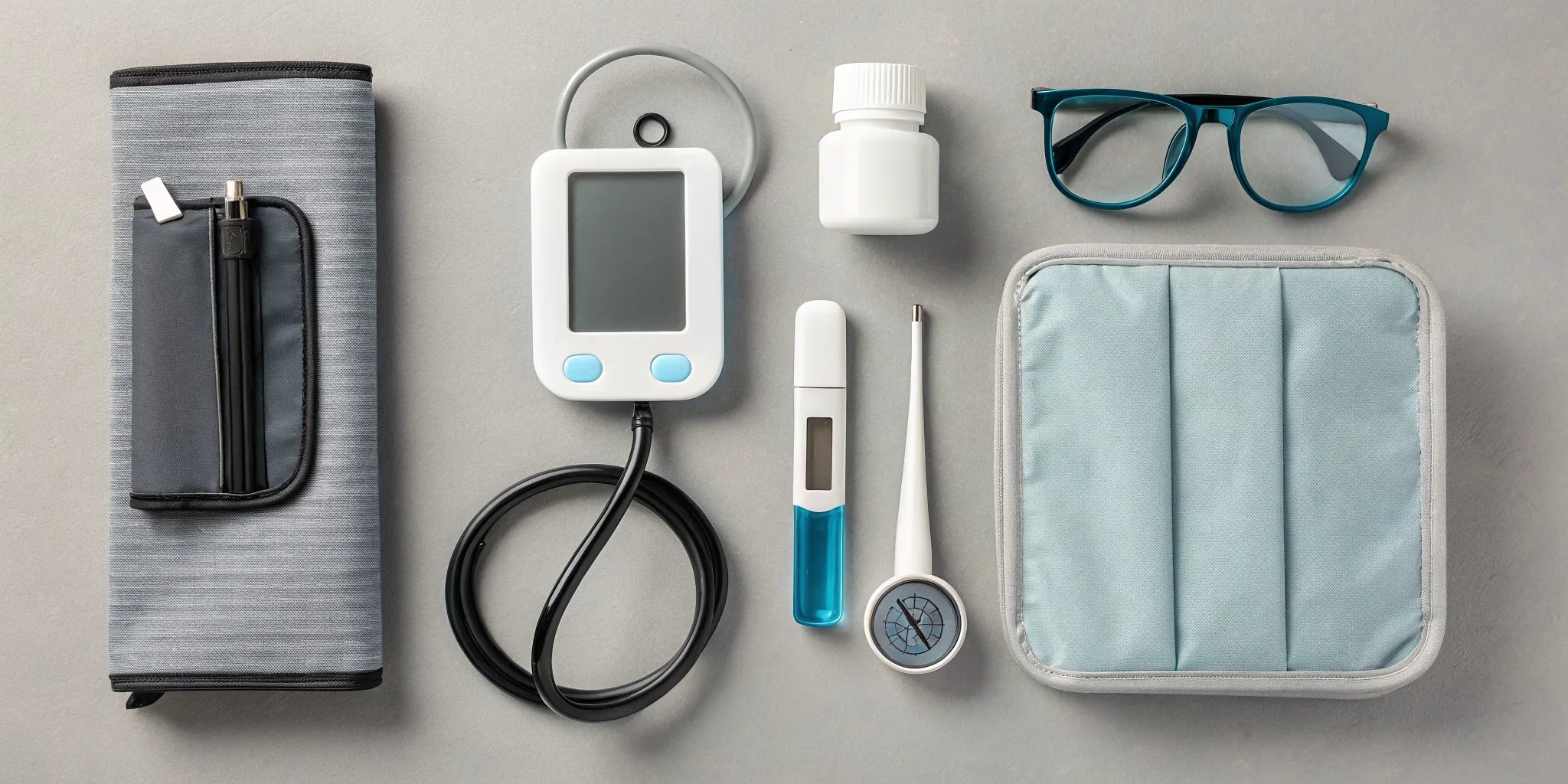
When you think about using your HSA, co-pays and prescriptions are probably the first things that come to mind. And you’re right, those are key uses. But your account’s power extends far beyond the doctor’s office and pharmacy counter. Did you know you can use your HSA for your next eye exam, a new pair of glasses, and even your contact lens solution? Or that it covers first-aid supplies, menstrual care products, and at-home health tests? The list of hsa eligible items is longer and more practical than most people realize. This guide will serve as your ultimate shopping list, revealing all the ways you can use your pre-tax funds for everyday health.
Key Takeaways
- Your HSA covers more than you think: Use your tax-free funds for a broad range of qualified expenses, including dental check-ups, new glasses or contacts, prescription drugs, and even orthodontics.
- Know the difference between treatment and wellness: Your HSA is for expenses that treat or prevent a specific medical issue, not for general wellness items like gym memberships or cosmetic products unless prescribed by a doctor for a diagnosed condition.
- Shop confidently for everyday health items: Recent rule changes mean you can buy over-the-counter medicine, menstrual care products, and sunscreen with your HSA funds without needing a prescription, making it easier to stock your medicine cabinet.
What Can You Buy With an HSA?
So you have a Health Savings Account (HSA), which is a fantastic tool for managing your healthcare costs. But the big question is: what can you actually buy with it? The answer is, thankfully, a lot. Your HSA funds can be used tax-free for a wide range of health-related products and services, from major medical procedures to everyday items you can grab at the pharmacy. The key is understanding what the IRS considers a “qualified medical expense.”
Think of your HSA as your personal health fund. It’s there for you when you need a prescription filled, have a co-pay at the doctor’s office, or need to stock up on first-aid supplies. It’s not just for emergencies; it’s for proactive and routine care, too. Getting familiar with the rules helps you make the most of your savings and take confident control of your health spending. It’s about turning confusion into clarity and making your money work smarter for your well-being. Let’s walk through the basics and get you ready for your next HSA-powered shopping trip.
HSA 101: The Basics
First, let’s cover the ground rules. A Health Savings Account is a tax-advantaged savings account you can use for healthcare costs, but there’s a catch. You can only open and contribute to an HSA if you’re enrolled in a specific type of insurance: a high-deductible health plan (HDHP). These plans typically have lower monthly premiums but require you to pay more for your care before insurance kicks in. To qualify as an HSA-eligible plan, your HDHP must meet certain IRS standards for minimum deductibles and maximum out-of-pocket costs each year. Think of your HSA as a personal savings fund dedicated to your health, giving you more control over your spending.
What the IRS Considers a Qualified Medical Expense
The IRS has a long list of what it calls qualified medical expenses. This covers a huge range of costs, from the expected, like doctor’s visits, lab fees, and hospital care, to things like physical therapy and acupuncture. Your prescription medications are covered, too. Thanks to recent changes, you can also use your HSA for many over-the-counter medicines without needing a doctor’s note. This includes everyday items like pain relievers, cold medicine, and allergy pills. For some expenses, you might need a doctor to provide a Letter of Medical Necessity, which confirms an item or service is needed to treat a specific condition. This letter can open up even more possibilities for using your funds.
Your Guide to HSA-Eligible Medical Services
One of the best ways to use your Health Savings Account is for direct medical care. Think of it as your dedicated fund for staying healthy, addressing problems as they arise, and handling unexpected health events. Your HSA can cover costs before you meet your deductible, pay for copays, and handle coinsurance, making it a flexible tool for managing your health expenses. From routine check-ups to more intensive treatments, these funds are there to ensure you can access the care you need without financial stress. Let’s walk through the main categories of medical services you can pay for with your HSA.
Doctor’s Appointments and Specialist Visits
You can absolutely use your HSA to pay for visits to your primary care doctor. This includes everything from your annual physical to appointments for a sudden illness. The funds can cover your copay, or the full cost of the visit if you have a high-deductible plan. It doesn’t stop there; visits to specialists are also eligible. Whether you’re seeing a cardiologist for a heart condition, a dermatologist for a skin issue, or an allergist for testing, these appointments are considered qualified medical expenses. This makes it easier to get specialized care without worrying about the immediate out-of-pocket cost.
Hospital Stays and Emergency Care
No one plans for a hospital stay, but your HSA can be a huge help if one becomes necessary. You can use your funds to pay for inpatient services, which include costs like the room, meals, lab fees, and X-rays. Emergency room visits are also covered, so you can use your HSA to pay for urgent care when you need it most. This is especially valuable for covering your high deductible in an emergency. According to the IRS, eligible expenses include ambulance services and hospital care, giving you a financial cushion for those significant and often unexpected medical events.
Preventive Care and Health Screenings
Using your HSA for preventive care is a smart way to be proactive about your health. These services are designed to catch potential health issues early, and your HSA makes them more accessible. This category includes a wide range of services, such as annual physicals, routine prenatal care, and cancer screenings like mammograms and colonoscopies. Many common immunizations for children and adults are also covered. By using your HSA for preventive services, you’re investing in your long-term wellbeing and making the most of your health benefits without having to pay for these important check-ups out of pocket.
Mental Health and Therapy Services
Taking care of your mental health is just as important as your physical health, and your HSA can be used to pay for it. Eligible expenses include payments for visits to psychologists, psychiatrists, and licensed therapists for mental health counseling. This means your weekly therapy sessions or psychiatric consultations can be paid for with your tax-advantaged HSA funds. The costs of inpatient treatment at a facility for alcohol or drug addiction are also covered. This eligibility helps reduce the financial barriers to seeking mental health support, empowering you to prioritize your emotional and psychological wellness.
Paying for Prescriptions With Your HSA
One of the most straightforward ways to use your HSA is for prescription medications. This is a core benefit of the account, helping you manage the costs of both short-term and long-term health needs. If your doctor writes you a prescription to treat or prevent an illness, you can almost always use your HSA funds to pay for it at the pharmacy. This simple fact empowers you to follow your treatment plan without the full financial weight falling on your post-tax income.
Brand-Name and Generic Drugs
Whether your doctor recommends a specific brand-name medication or a more affordable generic version, your HSA has you covered. As long as you have a valid prescription, you can use your account to pay for it. This flexibility is great because it lets you and your doctor decide on the best treatment, not just the one you think you can afford out-of-pocket. The IRS considers all prescribed prescription drugs to be qualified medical expenses, making this a clear and simple way to use your funds.
Insulin and Diabetes Care
Managing a chronic condition like diabetes comes with recurring costs, and your HSA can be a huge help. Insulin is a fully eligible expense, allowing you to use your pre-tax dollars for this essential medication. Beyond insulin, other necessary diabetes care supplies also qualify. This includes items like blood sugar test kits, glucose monitors, and test strips. Using your HSA for these predictable expenses can make managing your health more sustainable and less of a financial burden month after month.
Specialty Medications and Treatments
If you have a condition that requires more complex treatment, your HSA can still provide support. Specialty medications, which might need special handling, administration, or monitoring, are eligible as long as they are prescribed by your healthcare provider. This is reassuring for anyone dealing with a complex diagnosis, as these treatments can often be expensive. Knowing you can use your tax-advantaged HSA funds for these critical medications gives you more financial breathing room while you focus on your health and recovery.
Your HSA-Eligible Over-the-Counter Shopping List
Walking down the pharmacy aisle can feel a little like a pop quiz. Can I use my Health Savings Account for this? What about that? For years, the rules were confusing, often requiring you to get a prescription for simple over-the-counter (OTC) items just to make them eligible. Thankfully, that has changed. Now, you can use your HSA funds to buy hundreds of everyday health products without needing a doctor’s note, making it easier than ever to care for yourself and your family. This shift puts more power back in your hands, letting you decide what you need to stay healthy.
Think of your HSA as your dedicated health and wellness budget. Using these pre-tax dollars for eligible items is one of the smartest ways to manage your healthcare costs. It’s not just for doctor visits and prescriptions anymore. Your account can be used for a wide range of products that fill your medicine cabinet and first-aid kit. To help you get started, we’ve put together a shopping list of some of the most common and useful HSA-eligible items you can buy. From pain relievers to sunscreen to contact lens solution, the list is longer than you might think. Get ready to shop with confidence and make the most of your savings.
Pain and Cold Medicine
When a headache, fever, or cough strikes, the last thing you want to worry about is the cost of relief. Your HSA can be used to purchase a wide range of pain and cold medicines, so you can be prepared before you get sick. This includes common pain relievers like acetaminophen (Tylenol) and ibuprofen (Advil), as well as allergy medication, cough drops, and nasal sprays. Stocking your medicine cabinet with these essentials using your pre-tax HSA dollars is a practical way to plan ahead. It ensures you have what you need to manage symptoms and feel better faster, without an unexpected hit to your wallet.
First-Aid Supplies
From scraped knees on the playground to a minor cut while cooking dinner, life is full of little accidents. Having a well-stocked first-aid kit is a must for any home, and your HSA is the perfect way to pay for it. You can use your funds to buy all the essentials, including adhesive bandages, antiseptic wipes, gauze, medical tape, and antibiotic ointments. By using your HSA, you can build a comprehensive kit without feeling the pinch in your everyday budget. It’s a simple step that prepares you to handle minor injuries with confidence and care. You can find a full list of IRS qualified medical expenses to confirm any specific items.
Menstrual Care Products
In a long-overdue and welcome change, menstrual care products are now recognized as essential medical expenses. This means you can use your HSA to purchase tampons, pads, menstrual cups, and liners. This update provides significant financial relief, as the cost of these necessary items can add up month after month. It also validates what so many have known for years: menstrual health is a critical component of overall health. Using your pre-tax HSA dollars for these products is a smart financial strategy that empowers you to manage your health with the resources you deserve.
At-Home Health Tests
Taking an active role in your health is easier than ever, thanks to a growing number of at-home health tests. Your HSA can help you pay for these empowering tools, allowing you to monitor your health from the comfort of your home. This category includes a variety of useful kits, such as blood sugar monitors, pregnancy tests, cholesterol tests, and COVID-19 testing supplies. These tests provide valuable information quickly and conveniently, helping you track your health, make informed decisions, and know when it’s time to consult your doctor. Using your HSA for these items puts more health data directly into your hands.
Are Dental and Vision Expenses Covered?
This is a question I hear all the time, and the answer is a resounding yes! Many people think their HSA is just for doctor’s visits and prescriptions, but it’s also a powerful tool for managing your oral and visual health. This is fantastic news, since dental and vision insurance plans don’t always cover everything. Your HSA can step in to fill those gaps, making essential care more accessible.
The great part is that these benefits aren’t just for you. Your HSA funds can be used for eligible health, dental, and vision costs for yourself, your spouse, and your dependents. This includes your children, parents, or other relatives who qualify for tax purposes. Let’s look at exactly what you can pay for, from routine cleanings and new glasses to more complex procedures like braces.
Routine Dental Work and Procedures
Keeping up with your dental health is crucial, and your HSA is here to help. You can absolutely use your pre-tax dollars for routine and restorative dental work. This goes way beyond just covering a toothache. Think about your regular check-ups, cleanings, fillings, and even more involved procedures like root canals, extractions, and dentures. Your HSA makes it easier to say yes to the care you need without stressing over the bill. It’s a smart way to budget for the predictable (and sometimes unpredictable) costs of maintaining a healthy smile for you and your family.
Eye Exams, Glasses, and Contacts
Yes, your HSA is your best friend when it comes to vision care. You can use it to pay for your annual eye exam, which is a critical part of preventive health. And when it’s time for new eyewear, your HSA covers it all: prescription eyeglasses, reading glasses, and even prescription sunglasses. If you’re a contact lens wearer, you can use your funds for the lenses themselves and the necessary cleaning solutions. Your HSA can also be used for bigger-ticket items, with HSA Bank confirming that even laser eye surgery is a qualified expense.
Braces and Orthodontic Treatments
The cost of braces can be a major financial hurdle for many families, but your HSA can provide significant relief. Orthodontic treatments for both adults and children are considered qualified medical expenses. This means you can use your HSA funds to pay for braces, retainers, and other necessary orthodontic work. The coverage also extends to more complex procedures, including braces and dental implants, which can make a huge difference in your budget. It’s an empowering way to invest in your family’s long-term dental health without derailing your finances.
Using Your HSA for Medical Equipment
Think your HSA is just for co-pays and prescriptions? Think again. One of the smartest ways to use your health savings account is by investing in medical equipment that helps you stay on top of your health right from home. This is all about using those pre-tax dollars to get the tools you need for peace of mind and proactive care. It’s a powerful way to equip your home for health monitoring and support without dipping into your post-tax budget. From daily monitoring devices to aids that help you get around, let’s break down what’s covered.
Blood Pressure Monitors and Thermometers
Keeping tabs on your health shouldn’t require a trip to the doctor’s office every time. If you’re managing a condition like hypertension or just want to be more proactive, having a blood pressure monitor at home is a game-changer. The great news is that these devices are considered essential health tools, so you can buy one with your HSA. The same goes for a good digital thermometer or a blood sugar test kit. These items are all considered IRS qualified medical expenses, which means you can use your pre-tax funds to purchase them. It’s a simple way to gather your own health data, track changes over time, and feel more prepared for conversations with your doctor.
Mobility Aids like Crutches and Canes
Life happens, and whether you’re dealing with a sprained ankle from a weekend hike or need more consistent support for your mobility, your HSA can help. Items that help you get around safely, like crutches, canes, and walkers, are eligible for purchase with your HSA funds. This is about more than just convenience; it’s about maintaining your independence and quality of life. The IRS includes these items under the umbrella of medical equipment & supplies, a category that also covers things like wheelchairs and hearing aids. Using your HSA for these necessities means you can get the support you need without the financial stress, helping you recover or adapt with confidence.
Home Testing and Diagnostic Tools
Sometimes you just need a quick answer without the hassle of scheduling an appointment. That’s where at-home diagnostic tools come in, and your HSA is perfect for covering them. Common pharmacy items like pregnancy tests, ovulation kits, and even at-home COVID-19 tests are eligible expenses. This gives you the power to get clear, private information right when you need it. Cigna Healthcare includes diagnostic tests in its list of covered items, so you can feel confident stocking your medicine cabinet. Having these tools on hand provides immediate insight, reduces uncertainty, and helps you decide on your next steps, all while using your tax-advantaged funds wisely.
What’s New? Recent Changes to HSA Rules
The rules around Health Savings Accounts can feel a bit rigid, but here’s some great news: they’ve become more flexible and user-friendly. Recent updates expanded the list of eligible expenses, making it easier to use your pre-tax dollars on things you need to stay healthy. These changes are all about giving you more control and simplifying your healthcare journey. The updates reflect a better understanding of what health looks like day-to-day. From grabbing cold medicine off the shelf to a virtual chat with your therapist, your HSA is now a more powerful tool. Let’s walk through what’s new so you can make the most of your account.
Over-the-Counter Items (No Prescription Needed!)
This is a big one. For years, you needed a doctor’s prescription for over-the-counter (OTC) medicines, which was a huge hassle. Thankfully, that rule is gone. You can now use your HSA funds to buy common OTC products without a doctor’s note, including pain relievers, allergy medicine, and cold remedies. This change makes it so much easier to take care of minor health issues as they pop up. You can simply head to the pharmacy and use your HSA card for a wide range of eligible health products without any extra steps.
Expanded Telehealth Coverage
Life is busy, and getting to a doctor’s office isn’t always easy. The rules have been updated to permanently include telehealth, so you can now use your HSA to pay for virtual appointments with doctors, specialists, and mental health professionals. This gives you the flexibility to get care from the comfort of your home. Whether it’s a quick consultation or a regular therapy session, telehealth services are now a standard, covered part of managing your health, making it more convenient than ever to connect with providers.
More Everyday Health Products Now Eligible
Thanks to the CARES Act, the list of HSA-eligible items has grown to include many everyday wellness products. You can now use your HSA funds for things like sunscreen, lip balm with SPF, and menstrual care products like tampons, pads, and cups. This update acknowledges that proactive care and daily wellness are key parts of your overall health. Retailers often have dedicated sections to help you find FSA/HSA eligible items online and in-store, so you can easily stock up on essentials using your pre-tax dollars.
Common HSA Myths, Busted
Health Savings Accounts are powerful tools, but they can also be a source of confusion. It’s easy to get tripped up by outdated rules or common misunderstandings about what’s actually covered. When you’re not sure what’s eligible, you might miss out on valuable savings or accidentally make a non-qualified purchase. Let’s clear the air by busting a few of the most common HSA myths. Getting these facts straight will help you shop with confidence and make the most of every dollar in your account.
Misconception: You need a prescription for OTC items
This is one of the biggest and most welcome changes in recent years. For a long time, you needed a doctor’s prescription to get reimbursed for over-the-counter medicines. Thankfully, that rule is gone. You can now use your HSA funds to buy everyday items like pain relievers, allergy pills, and cold medicine directly off the shelf, no doctor’s note required. This change makes it so much easier to take care of minor health issues without the extra step of scheduling an appointment just to get a prescription for something you can buy freely. It’s a perfect example of how using your health funds is getting simpler.
Misconception: Cosmetic products are covered
It’s easy to blur the line between health and beauty, but the IRS has a clear distinction. Your HSA is intended for medical expenses, which means products and procedures that are purely cosmetic don’t make the cut. Things like makeup, anti-aging creams, general skincare lotions, and shampoo are not considered qualified medical expenses. The key is whether the item treats or prevents a medical condition. For example, medicated acne treatment would likely be covered, but a daily moisturizer for dry skin would not. Always think “treatment,” not “beautification,” when you’re shopping with your HSA card.
Misconception: General wellness items qualify
Many of us invest in our general well-being through things like gym memberships, vitamins, and fitness classes. While these are fantastic for your health, they typically aren’t eligible for HSA reimbursement on their own. Your HSA is designed to pay for expenses tied to a specific medical need, not for maintaining your general health. So, that monthly yoga studio pass or bottle of multivitamins usually won’t qualify. The exception is if your doctor determines that a specific item is medically necessary to treat a diagnosed condition and provides a Letter of Medical Necessity.
What You Can’t Buy With Your HSA
While your Health Savings Account is a powerful tool for managing healthcare costs, it’s not a free-for-all savings account. The IRS has specific rules about what qualifies as a medical expense, and understanding the boundaries is just as important as knowing what’s covered. The main principle is that your HSA is for diagnosing, treating, or preventing a specific physical or mental illness or condition. It’s not intended for items or services that simply promote general health or improve your appearance.
This distinction can feel a bit fuzzy at times. After all, isn’t a gym membership for your health? The key is whether the expense addresses a specific medical need. Think of it this way: if you can buy it to feel good, it’s probably not eligible. If you need it to get well, it likely is. Accidentally using your HSA funds for a non-qualified expense can lead to taxes and penalties, so it’s always best to be sure. To help you stay on the right side of the rules, let’s walk through some of the most common categories of expenses that you can’t pay for with your HSA.
Cosmetic Treatments
If a procedure is done purely to improve your appearance, you won’t be able to use your HSA funds for it. This includes common cosmetic treatments like teeth whitening, liposuction, hair removal, and breast augmentation. The IRS draws a clear line between medical necessity and aesthetic preference.
However, there is an important exception. If a procedure corrects a deformity resulting from a congenital abnormality, a personal injury, or a disfiguring disease, it may be considered a qualified medical expense. For example, breast reconstruction surgery following a mastectomy would be eligible. The determining factor is the primary reason for the procedure. You can review official lists of IRS qualified medical expenses to see detailed examples.
General Health Supplements
This is an area that trips up a lot of people. While the supplement aisle is full of products aimed at improving health, most of them are not HSA-eligible. Your daily multivitamin, fish oil capsules, or protein powder for general wellness fall into this category. The IRS considers these items beneficial for maintaining good health, not for treating a specific medical condition.
The rule changes, however, if your doctor recommends a supplement to treat a diagnosed medical issue. For instance, if blood tests show you have an iron deficiency and your doctor tells you to take iron supplements, that expense becomes eligible. The same goes for prenatal vitamins. The key is to have a doctor’s recommendation for a specific health problem. Many providers offer guides on HSA eligible items to help you distinguish between general and medical use.
Gym Memberships and Fitness Equipment
While we all know that regular exercise is crucial for a healthy life, you can’t use your HSA to pay for your gym membership or that new stationary bike. These expenses are considered part of general health and wellness, not a direct treatment for a medical condition. This rule also applies to fitness classes, personal training sessions, and most exercise equipment you’d buy for your home.
As with supplements, there’s a narrow exception. If your doctor prescribes a specific physical activity or program to treat a diagnosed condition, like obesity or heart disease, the costs may become eligible. This requires a Letter of Medical Necessity from your doctor explaining how the expense will treat your specific illness. Without that direct link and formal prescription, fitness costs are paid for out-of-pocket.
How to Double-Check If an Item Is Eligible
Knowing what’s eligible is one thing, but confirming it while you’re shopping is another. When you’re not quite sure if an item qualifies, a quick double-check can save you a headache later. Here are a few simple ways to verify if a product or service is on the approved list, giving you the confidence to spend smarter.
Review Official IRS Resources
The IRS website is the definitive source for what counts as a qualified medical expense. Think of their list as the master guide. However, keep in mind that rules can be updated, and if you have a Flexible Spending Account (FSA) or Health Reimbursement Arrangement (HRA), your employer’s plan might have its own specific limitations. It’s always a smart move to cross-reference with your plan’s documents to make sure you’re covered before you buy.
Check Your HSA Administrator’s Website
Your next stop should be your HSA plan administrator’s website. They are the authority on your specific account and can give you the most accurate information about what your plan covers. Most administrators have searchable lists or detailed guides right on their site. If you have a question about a specific item or service, their customer support is your best resource for a clear answer. This is the quickest way to get information tailored directly to you and your plan.
Use Retailer Eligibility Tools
Many retailers have made it incredibly simple to shop for eligible items. Stores and online marketplaces often have dedicated sections or labels for FSA/HSA eligible products. This takes the guesswork out of buying everyday health products, especially since the CARES Act expanded eligibility for things like pain relievers and allergy medicine without a prescription. Using these tools can streamline your shopping trip and give you confidence that you’re making a qualified purchase.
Related Articles
- What Can I Buy With HSA? A Complete List for 2025
- What Can You Buy With an HSA? The Complete List
- HSA Eligible Items: The Ultimate Shopping List
- The Ultimate Guide to HSA Eligible Products
- Can You Withdraw Cash From HSA? The Rules Explained
If you pay out of pocket first, review how HSA reimbursement works so you know which receipts to keep and how to document eligible expenses before paying yourself back.
Frequently Asked Questions
Can I use my HSA for my spouse or kids? Yes, you absolutely can. Your Health Savings Account isn’t just for your own medical costs. You can use the funds tax-free to pay for qualified medical, dental, and vision expenses for yourself, your spouse, and any dependents you claim on your tax return. This makes your HSA a powerful tool for managing your entire family’s healthcare spending.
What happens if I accidentally buy something that isn’t eligible? It happens, so don’t panic. If you use your HSA funds for a non-qualified expense, you have a couple of options. The simplest solution is to return the funds to your HSA administrator as soon as you realize the mistake. If you don’t correct it, the amount you spent will be considered taxable income, and you may also have to pay an additional 20 percent tax penalty on it. It’s always best to double-check eligibility before you buy to avoid any issues.
Do I really need to keep all my receipts? Keeping good records is a smart habit. While you don’t have to submit receipts every time you make a purchase, you do need to keep them in case the IRS ever audits you. The receipts are your proof that you used your HSA funds for qualified medical expenses. I suggest creating a dedicated digital folder or a physical file where you can store all your HSA-related receipts and paperwork for the year.
You mentioned a “Letter of Medical Necessity.” When would I need one? A Letter of Medical Necessity (LMN) is a formal note from your doctor that explains why a specific product or service is needed to treat a diagnosed medical condition. You typically need one for expenses that aren’t automatically considered medical care, like a gym membership to treat obesity or special dietary foods for a specific allergy. The letter connects the expense directly to your health needs, making it an eligible purchase.
So, can I buy vitamins with my HSA or not? This is a common point of confusion. In most cases, you cannot use your HSA for general health supplements like a daily multivitamin or fish oil. However, if your doctor specifically recommends a vitamin or supplement to treat a diagnosed medical condition, like taking iron supplements for anemia, then it becomes an eligible expense. The key is that it must be for treating a specific health issue, not just for maintaining general wellness.