
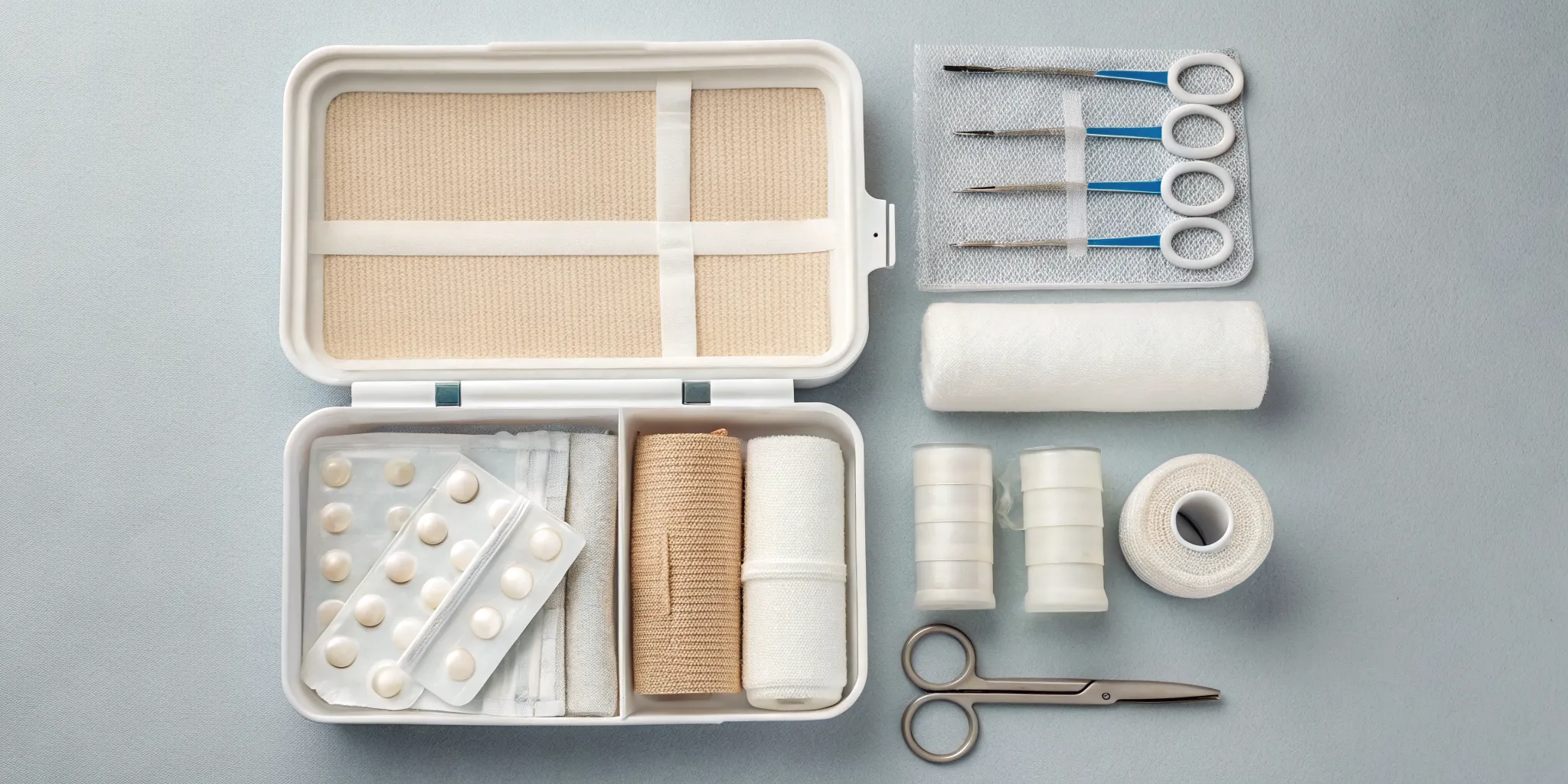
That end-of-year scramble to spend your Flexible Spending Account (FSA) funds is a familiar feeling. It often leads to buying things you don’t really need, just to avoid losing your hard-earned money. There’s a much smarter way to use that balance. Stocking up on health and safety essentials is a practical choice that prepares you for life’s little emergencies. Instead of another pair of glasses, you can build a robust first aid kit for your home or car. This guide will show you how to confidently use your account for FSA eligible first aid supplies, turning that use-it-or-lose-it deadline into a valuable investment in your peace of mind.
Key Takeaways
- Use Pre-Tax Dollars for First Aid: Your FSA or HSA is a powerful tool for buying essential first aid supplies, from bandages to trauma kits, with pre-tax money. This is a smart way to save money while ensuring you’re prepared for minor injuries.
- Always Verify Eligibility First: Coverage for first aid items isn’t universal and depends on your specific plan. Before you buy, look for “FSA/HSA Eligible” labels on products or check with your plan administrator to prevent a denied claim.
- Shop Smart and Save Your Receipts: Pay directly with your FSA or HSA card at checkout and look for retailers with dedicated FSA-eligible sections to streamline shopping. Always keep your itemized receipts, as you may need them to prove your purchase was for a qualified medical expense.
What Are FSA and HSA Accounts?
If you’ve ever seen “FSA” or “HSA” on your benefits paperwork and felt a little lost, you’re not alone. These are special savings accounts that help you pay for medical expenses with pre-tax money. This means you can save on everything from doctor visits to first aid supplies. Let’s break down what each one is and how you can use them to your advantage.
How an FSA works
A Flexible Spending Account (FSA) is an employer-sponsored benefit. You contribute pre-tax money from your paycheck to use for eligible medical expenses like deductibles and copayments. The key feature is the “use-it-or-lose-it” rule; you must spend the funds within the plan year. Some plans offer a grace period or a small rollover, so always check your specific plan details to make the most of your account.
How an HSA works
A Health Savings Account (HSA) is a personal savings account for those with a high-deductible health plan (HDHP). Your pre-tax contributions can pay for qualified medical expenses tax-free. The biggest perk is flexibility. The money is yours to keep, even if you change jobs. Unspent funds roll over annually and can be invested, creating a savings tool for both immediate and long-term health needs.
FSA vs. HSA: What’s the difference?
The main difference is ownership and flexibility. Your employer owns your FSA, and funds usually expire annually. You own your HSA, and the money is yours forever. Eligibility is also key: most employers can offer an FSA, but an HSA requires a high-deductible health plan. Both are great tax-favored health plans, but they serve different goals. The HSA is for long-term savings, while the FSA is for predictable, short-term costs.
A smarter way to buy first aid supplies
Here’s where you can be strategic. Using your FSA or HSA for first aid supplies is a smart financial move. Since you’re using pre-tax dollars, you get an automatic discount on every purchase. This makes it easier to build a well-stocked kit for your home or car without impacting your regular budget. Being prepared for minor injuries is priceless, and using your health account to do it is just plain savvy. You can find thousands of FSA eligible first aid supplies online.
What First Aid Supplies Are FSA and HSA Eligible?
Using your Flexible Spending Account (FSA) or Health Savings Account (HSA) is a smart way to pay for health-related expenses with pre-tax money. And yes, that includes stocking up on first aid supplies. Being prepared for minor scrapes, burns, or more serious emergencies is part of taking charge of your health, and your FSA or HSA can make it more affordable.
The good news is that a wide range of first aid products qualify. From fully stocked kits for your home or car to individual items for restocking, you can use your funds to cover the essentials. This means you don’t have to put off buying that quality first aid kit or replacing your expired bandages. The key is knowing which items are generally approved so you can shop with confidence. Below, we’ll walk through the main categories of first aid supplies that are typically eligible for purchase with your FSA or HSA card.
Comprehensive first aid kits
One of the easiest ways to get started is by purchasing a pre-stocked first aid kit. Many companies offer ready-to-use kits that are already filled with FSA and HSA-approved supplies, taking the guesswork out of the equation. These kits are designed for various situations, whether you need one for your home, your car, or for outdoor activities. Buying a comprehensive kit ensures you have a well-rounded set of tools on hand for common injuries. It’s a simple, one-and-done purchase that helps you feel prepared for whatever comes your way, all while using your pre-tax health funds.
Trauma and emergency supplies
Beyond basic bandages, your FSA and HSA funds can also cover more advanced trauma and emergency supplies. This includes items you’d find in kits designed for handling more serious situations, like deep cuts or injuries that occur far from help. Think tourniquets, chest seals, emergency blankets, and specialized wound dressings. Many companies that specialize in emergency preparedness confirm their kits are eligible for reimbursement. For example, some brands are listed on the SIGIS Eligible Product List, which helps ensure you can confidently purchase these essential supplies without any reimbursement headaches.
Wound care, bandages, and burn treatments
The basics of first aid are almost always covered. You can use your FSA or HSA card to buy individual wound care items to build your own kit or restock an existing one. This includes everyday essentials like adhesive bandages in all shapes and sizes, sterile gauze pads, medical tape, and liquid bandage. Ointments and creams for minor burns are also eligible. This makes it easy to keep your supplies fresh and ready. If you notice you’re running low on gauze or your burn cream has expired, you can simply purchase FSA and HSA eligible refills for just the items you need.
Antiseptics and topical creams
Keeping a wound clean is the first step to proper healing, and your health accounts can help here, too. Antiseptics like hydrogen peroxide, isopropyl alcohol, and antiseptic wipes are eligible for purchase with FSA or HSA funds. The same goes for topical antibiotic ointments that help prevent infection, such as Neosporin or Polysporin. You can also buy hydrocortisone creams for skin irritations, insect bites, and rashes. Having these items on hand allows you to treat minor injuries effectively from the start, and using your pre-tax dollars to buy them is a financially savvy move.
What doesn’t qualify (and why it matters)
While many first aid items are eligible, it’s important to know that not everything is covered. Generally, items that are considered for “general health” or cosmetic purposes don’t qualify. For example, vitamins, supplements, and toiletries like soap or sunscreen (unless it’s a specific SPF rating required by your plan) are typically not eligible without a doctor’s note. The final say on what’s covered always comes down to your specific health plan and provider. Before making a large purchase, it’s a good idea to verify eligibility with your plan administrator to avoid any surprises.
Common Myths About FSA-Eligible First Aid
Flexible Spending Accounts can feel like they have their own language, full of rules and deadlines that aren’t always clear. It’s no wonder there are so many misconceptions floating around about what you can and can’t buy with your funds. When you’re trying to be prepared by stocking up on first aid supplies, the last thing you want is to find out your purchase wasn’t actually eligible.
Getting clear on the facts helps you use your FSA dollars with confidence and make smarter choices for your health. Let’s walk through some of the most common myths about using your FSA for first aid supplies and get to the truth. Understanding these points will help you stock your medicine cabinet and emergency kits without any guesswork or surprise rejections from your plan administrator. Think of it as your cheat sheet for stress-free shopping.
Myth: Every first aid item is automatically covered
It would be simple if every bandage, ointment, or cold pack you see on the shelf was a guaranteed FSA purchase, but that’s not quite how it works. While the IRS provides general guidelines on what constitutes a medical expense, the final approval often comes down to your specific health plan. Your FSA administrator has the final say on which products they consider eligible for reimbursement. So, an item covered under one person’s plan might not be covered under another’s. This is especially true for items that have both medical and general wellness uses.
Myth: You need a prescription for OTC first aid items
This is a persistent myth, partly because it used to be true for many over-the-counter (OTC) products. Thankfully, recent changes have made it much easier to use your FSA for everyday health items. You no longer need a doctor’s prescription to get reimbursed for most OTC first aid supplies like bandages, antiseptic wipes, and pain relievers. However, it’s still a smart habit to keep your receipts. Your plan administrator may require an itemized receipt to verify that your purchase was for an eligible medical product, so hold onto it just in case.
Myth: All FSA plans cover the same products
Just because your friend’s FSA covered a high-end, comprehensive survival kit doesn’t automatically mean yours will. Each FSA plan is managed by an administrator who interprets the IRS guidelines, and their interpretations can vary. Some plans might be more lenient, while others are stricter about what they approve. Before making a large purchase, like a fully stocked trauma kit or a specialized survival system, it’s always a good idea to contact your HSA/FSA provider to confirm coverage. A quick phone call or email can save you a major headache later.
Myth: Non-medical items in a kit are still eligible
Many first aid and emergency kits come with more than just medical supplies. You might find items like flashlights, emergency blankets, food rations, or multi-tools included. While these are incredibly useful in an emergency, they are generally not considered medical expenses and therefore aren’t FSA-eligible. Your FSA funds can only be used for the portion of the kit’s cost that covers medical care items. Some companies sell FSA-approved first aid kits that only contain eligible items, which simplifies the buying process and ensures you’re using your funds correctly.
What to Look for in an FSA-Eligible First Aid Kit
Once you know what’s covered, you can start thinking about which first aid kit is right for you. The best kit isn’t just about the items inside; it’s about where you’ll use it. A kit for your kitchen cabinet will look very different from one you take on a hiking trip. Thinking through your daily life and activities will help you find a kit that truly meets your needs, ensuring you’re prepared for anything from a small scrape to a more serious situation. Let’s walk through what to look for based on a few common scenarios.
For the home
When stocking your home, the easiest approach is to buy a ready-to-use kit filled with essential supplies. This saves you the time and guesswork of building one from scratch. Many of these pre-stocked kits are designed to be FSA and HSA eligible, making them a smart and convenient choice for your family. You can use your funds to get a comprehensive set of bandages, antiseptics, and other basics all in one place. Having one of these HSA/FSA approved kits on hand means you’re always prepared for the minor bumps and scrapes that happen at home.
For the car and travel
For your car or travel bag, look for a kit that’s compact, durable, and tailored to being on the move. You can find everything from small, portable pouches for your purse to more robust kits designed to live in your car’s trunk. Some suppliers even offer specialized options, like waterproof kits for beach days or cycling-specific packs. Choosing one of these HSA & FSA eligible items ensures you have the right supplies for whatever your day throws at you, giving you peace of mind whether you’re running errands or heading out on a road trip.
For outdoor adventures
If you love hiking, camping, or other outdoor activities, a standard first aid kit might not be enough. For these situations, you’ll want a kit specifically designed for adventure scenarios. These often include more advanced supplies like pressure wraps, emergency blankets, and sometimes even tourniquets for handling more serious injuries far from help. When shopping, look for kits that are SIGIS-approved to confirm their FSA and HSA eligibility. This ensures you can get reimbursed for these more specialized, and often more expensive, life-saving tools. Understanding your health benefit account eligibility ahead of time makes it simple to invest in the right gear for your adventures.
How to Use Your FSA Funds for First Aid Supplies
Using your Flexible Spending Account (FSA) to stock up on first aid supplies is one of the smartest ways to manage your health expenses. You’re using pre-tax dollars to pay for items you’ll eventually need, which saves you money and prepares you for any unexpected scrapes or bumps. The process is much simpler than you might think, especially when you know the right steps to take. From confirming which items are covered to using your FSA card at checkout, a little preparation makes the whole experience smooth and straightforward. Think of it as a simple way to invest in your peace of mind while making the most of your employee benefits. By following a few key guidelines, you can confidently build a well-stocked first aid kit for your home, car, or travel bag without any guesswork.
Confirm eligibility before you shop
Before adding anything to your cart, the first step is to confirm that the products you want are FSA-eligible. While many first aid supplies are covered, not every item qualifies automatically. Some brands note that you might be able to use your health benefit account for certain items, but not all. The easiest way to be sure is to look for an “FSA/HSA Eligible” badge directly on the product page or check the retailer’s eligibility guidelines in their FAQ section. Taking a moment to verify this upfront saves you the headache of having a claim denied by your FSA administrator later. It’s a simple check that ensures your purchase goes smoothly and you get the supplies you need without any financial surprises.
Use your FSA card at checkout
Once you’ve confirmed your items are eligible, paying for them is incredibly easy. Most online retailers that sell qualified health products allow you to use your FSA or HSA card just like a regular credit card when you check out. There’s no need for special forms or complicated reimbursement processes at the point of sale. You simply enter your card information and complete the purchase. This convenience is a major plus, as it means you don’t have to pay out of pocket and wait for your money back. It streamlines the entire process, putting essential supplies like bandages, antiseptics, and even comprehensive trauma kits in your hands faster and with less administrative hassle.
Find approved retailers with online filters
To make shopping even easier, many companies create dedicated pages for their FSA-approved products. Retailers like My Medic have sections on their websites that list all the HSA & FSA eligible items in one place, taking the guesswork out of your search. You can shop confidently knowing everything on that page can be purchased with your funds. Other online stores offer filters that let you see only FSA-eligible products as you browse. Using these tools is a great way to focus your search and discover new items you might not have realized were covered. It saves time and helps you build a well-rounded first aid supply with complete confidence in your purchase.
Keep your itemized receipts
Even if you use your FSA card directly, it’s always a good idea to keep your itemized receipts. Your FSA administrator may require proof of purchase to verify that your spending was for eligible medical expenses. A standard credit card receipt might not be enough; you’ll need one that lists exactly what you bought. If you don’t receive one automatically, don’t hesitate to ask. Most companies are happy to provide one if you email their support team to get one for your records. This simple habit is your best defense if your purchase is ever questioned, proving that you used your pre-tax funds correctly and in compliance with IRS guidelines.
Spend your balance before the deadline
Most FSAs operate on a “use it or lose it” basis, meaning you have to spend your balance by a certain deadline or risk forfeiting the money. Stocking up on first aid supplies is a practical and responsible way to use those remaining funds before they expire. Instead of scrambling to find something to buy at the last minute, you can proactively purchase items that support your health and safety throughout the year. It’s a smart financial move that turns a potential loss into a tangible benefit for you and your family. Planning ahead ensures you make the most of every dollar in your account while preparing for life’s little emergencies.
Look for deals on eligible products
Using pre-tax dollars doesn’t mean you have to stop looking for a good deal. Many retailers offer sales, bundles, and promotions on FSA-eligible items. You might find discounts on comprehensive first aid kits or even get a free product with a qualifying purchase. Keep an eye out for these offers, especially near the end of the year when many people are trying to spend their remaining FSA funds. Combining a sale price with your pre-tax savings is a fantastic way to make your healthcare dollars stretch even further. This allows you to get more of the supplies you need for less, maximizing the value of your benefits.
Related Articles
- FSA Account vs HSA: Which One Should You Choose?
- Healthcare FSA Eligible Items: A Complete Guide
- FSA vs HSA: Which Health Account Should You Choose?
- Your Guide to Healthcare Shopping with FSA Card
Frequently Asked Questions
What’s the simplest way to understand the difference between an FSA and an HSA? Think of it like this: you own your HSA, but your employer owns your FSA. An HSA is a personal savings account for health expenses that you can keep forever, even if you change jobs. The money rolls over each year and can even be invested. An FSA is an employer-sponsored benefit where funds typically expire at the end of the plan year, so it’s best for predictable, short-term costs.
Do I really need a doctor’s prescription to buy bandages or other first aid supplies with my FSA? No, you don’t. A few years ago, the rules changed, making it much easier to buy over-the-counter first aid supplies without needing a prescription. While you don’t need a doctor’s note, it is always a good practice to save your itemized receipt in case your plan administrator needs to verify the purchase.
How can I be sure a specific first aid kit is eligible before I buy it? The most reliable way is to check directly with your FSA or HSA plan administrator, as they have the final say. For a simpler approach, many online retailers have dedicated “FSA/HSA Eligible” sections on their websites. Shopping from these curated lists or looking for products specifically marked as eligible is the easiest way to buy with confidence.
What if I want to buy an emergency kit that has a flashlight and food in it, along with bandages? Your FSA funds are meant for medical expenses, so they can only be used for the eligible first aid items within that kit. Non-medical items like flashlights, food, or multi-tools are not covered. To avoid any issues, your best bet is to purchase a kit that is specifically sold as “FSA-Approved,” as these are designed to only include eligible medical supplies.
I have money left in my FSA and the deadline is approaching. Is buying first aid supplies a good idea? Yes, it’s a perfect way to use your remaining funds. Instead of letting that money disappear, you can invest it in your health and safety by stocking up on essentials for your home or car. It’s a practical and responsible choice that turns a potential loss into a tangible benefit for you and your family.