
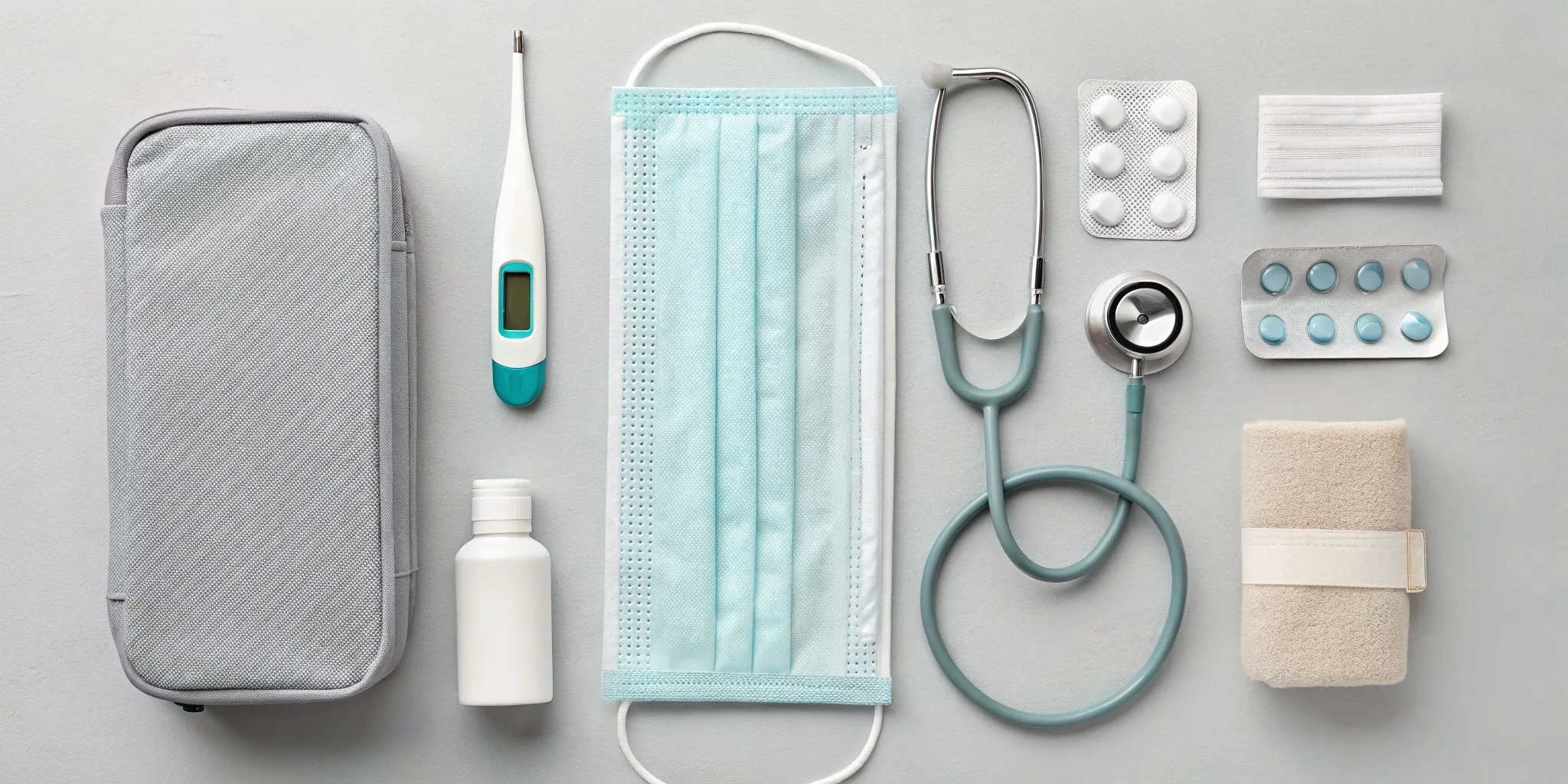
When you think about using your Flexible Spending Account, things like prescriptions, dental cleanings, and new glasses probably come to mind. These are the basics, and they’re a great use of your pre-tax funds. But your FSA is designed to support your total well-being in ways you might not expect. Did you know it can cover therapy sessions, fertility treatments, and at-home medical devices like blood pressure monitors? The official list of fsa eligible products and services has expanded to include so much more than the essentials. This guide will take you beyond the basics, revealing the full scope of what your FSA can do for you and your family. We’ll explore all the categories, from mental health to family planning, so you can use your account with confidence.
Key Takeaways
- Strategize your contributions and deadlines: Maximize your FSA by estimating your family’s annual health expenses before you enroll. Know your plan’s specific spending deadline and whether it offers a grace period or rollover to ensure you use every pre-tax dollar.
- Think beyond the pharmacy counter: Your FSA can pay for many everyday items like sunscreen, first-aid supplies, and menstrual products, not just prescriptions. For things that aren’t automatically eligible, ask your doctor for a Letter of Medical Necessity to get them covered.
- Keep your receipts and know your plan: Always save itemized receipts, as your plan administrator may request them to verify a purchase. When you’re unsure if an item is covered, the safest bet is to check directly with your plan administrator before you buy.
What Are FSA-Eligible Items?
Before we get into the long list of things you can buy with your Flexible Spending Account (FSA), let’s cover the basics. Understanding how an FSA works is the first step to making the most of this powerful benefit. An FSA is an account you can get through your employer that lets you set aside money for healthcare costs. The best part? The money is taken from your paycheck before taxes, which can save you a good amount of money over the year.
How Do FSAs Work?
Think of an FSA as a personal savings account just for health-related expenses. Throughout the year, a portion of your pre-tax pay is automatically deposited into this account. When you need to pay for something, you can use your FSA debit card or submit a receipt for reimbursement. You can use these funds for a wide range of approved medical costs, not just major medical bills. This includes everyday needs like doctor visit copays, prescription medicines, bandages, and even sunscreen, making it easier to manage your health budget.
The Tax Benefits of an FSA
The main advantage of an FSA is the tax savings. Because your contributions are taken from your paycheck before income taxes are calculated, you effectively lower your taxable income. For example, if you contribute $2,000 to your FSA for the year, that’s $2,000 of your income that you won’t pay taxes on. This means more of your hard-earned money stays with you, rather than going to taxes. It’s a straightforward way to make your dollars stretch further when paying for the health products and services you and your family need.
Who Is Eligible for an FSA?
FSAs are a benefit offered by employers, so you can only sign up for one if your company provides it. If you are eligible, you can use the funds to cover qualified medical expenses for yourself, your spouse, and your dependents. Each year, the IRS sets a contribution limit for how much you can put into your account. It’s a good idea to estimate your expected health costs for the upcoming year before deciding how much to contribute, so you can plan effectively and take full advantage of the benefit.
What Can You Buy With an FSA?
Think of your FSA as a dedicated savings account for your health, but with a tax-free advantage. The list of what you can buy is long and covers a lot more than just doctor’s visits. It’s designed to help you pay for a wide range of medical, dental, and vision expenses for yourself, your spouse, and your dependents. From everyday necessities to specialized equipment, your FSA is a powerful tool for managing your well-being. Let’s get into the specifics of what’s covered.
Prescriptions & Over-the-Counter Medicine
This is one of the most common ways people use their FSA funds. Your account can cover the cost of any prescribed medications, but it doesn’t stop there. You can also stock your medicine cabinet with a variety of over-the-counter (OTC) products. Think pain relievers, allergy pills, cold and flu remedies, and heartburn medication. Using your FSA for these items is a smart way to pay for them with pre-tax money. You can find a complete list of eligible items to see just how many everyday products are covered.
Vision & Eye Care
Eye care can get expensive, but your FSA is here to help. You can use it for annual eye exams, prescription eyeglasses, and contact lenses. But it also covers things you might not expect, like prescription sunglasses to protect your eyes, reading glasses for your desk, and even contact lens solution. By planning ahead, you can use your FSA to cover these predictable costs, making it much easier to budget for clear vision throughout the year. It’s a great way to make sure your eye health never takes a backseat.
Dental Care
Your FSA can be used for a wide range of dental services that go beyond a standard cleaning. You can pay for fillings, crowns, and even major procedures like root canals, dental implants, or braces for you or your kids. The key is that the treatment must be for preventing or treating a dental disease. This means purely cosmetic procedures, like teeth whitening, generally aren’t covered. For everything else, your FSA is a fantastic resource for keeping your smile healthy without breaking the bank.
Mental Health Services
Taking care of your mental health is just as important as your physical health, and your FSA can support you here, too. Funds can be used to pay for appointments with a psychiatrist, psychologist, or therapist. These services are essential for managing conditions like anxiety or depression. In some cases, your plan might ask for a Letter of Medical Necessity from your doctor to confirm the treatment is for a specific medical condition. It’s worth noting that general counseling, like marriage or family therapy, typically isn’t eligible.
Medical Devices & Equipment
Your FSA also covers a huge variety of at-home medical devices that help you monitor and manage your health. This includes items like blood pressure monitors, thermometers, and blood sugar test kits. It also extends to equipment that aids in recovery or manages chronic conditions, such as orthopedic braces, hot and cold packs, CPAP machines for sleep apnea, and TENS units for pain relief. Having these tools on hand can give you more control over your health journey, and your FSA makes them more accessible.
Feminine Care & Family Planning
This is a category that has expanded significantly, making it easier to purchase essential items with pre-tax dollars. All menstrual care products are now FSA-eligible, including tampons, pads, menstrual cups, and period underwear. Your FSA also covers many family planning expenses. You can use it to buy pregnancy tests, fertility monitors, prenatal vitamins, and even breast pumps and other breastfeeding supplies. This makes it easier to manage the costs associated with reproductive health and starting a family.
First Aid & Wound Care
Be prepared for any minor scrape or cut by stocking your first-aid kit using your FSA. You can purchase all the essentials, like bandages in all shapes and sizes, antibiotic ointments, antiseptic wipes, and sterile gauze. You can even buy a fully stocked first-aid kit for your car or home. It’s a practical way to use your funds to ensure you’re ready for life’s little accidents. Instead of paying for these items out-of-pocket, you can use your pre-tax FSA dollars to stay prepared.
What Isn’t Covered by an FSA?
While your FSA is a powerful tool for managing health costs, it’s important to know its limits. The IRS sets the rules for what qualifies as a medical expense, and not everything you find in the health aisle makes the cut. Generally, if an item is for general health or cosmetic purposes rather than treating or preventing a specific medical condition, it probably isn’t covered. Understanding these exclusions helps you plan your spending and avoid any surprises when you submit a claim.
Think of it this way: your FSA is designed for medical care, not general self-care. This distinction is key. Knowing what isn’t covered is just as important as knowing what is, ensuring you use your pre-tax dollars wisely and in line with IRS guidelines. Let’s walk through some of the most common categories of non-eligible expenses so you can shop with confidence.
Cosmetics & General Personal Care
This is a big one. Your FSA won’t cover expenses that are purely for cosmetic reasons. That means things like makeup, wrinkle-reducing injections, teeth whitening, or standard skincare products that don’t treat a specific medical issue are not eligible. The line gets drawn between appearance and medical treatment. For example, a daily moisturizer for dry skin is a personal care item, but a medicated cream prescribed by a dermatologist to treat eczema is an eligible expense. Always ask yourself if the product treats a diagnosed condition.
Everyday Wellness Items
Many items that support a healthy lifestyle fall into a gray area. Things purchased for general wellness, like a yoga mat for fitness, deodorant, or an essential oil diffuser for relaxation, are typically not covered by an FSA. While these items certainly contribute to your well-being, they don’t treat a specific medical condition according to IRS rules. The key is whether the item has a clear medical purpose. An air purifier might be covered if you have asthma, but not if you just want to freshen up your living room.
Vitamins & Supplements
This category often causes confusion. In most cases, vitamins and dietary supplements that you take to maintain your general health are not considered FSA eligible items. Even if you feel they are essential to your routine, the IRS views them as beneficial for general well-being rather than a direct medical treatment. One common exception is prenatal vitamins, which are usually eligible without any extra paperwork. For everything else, from Vitamin D to melatonin, you’ll likely need to take an extra step to get them covered.
How a Letter of Medical Necessity Helps
If your doctor recommends a product or service for a specific medical condition, you may be able to get it covered with a Letter of Medical Necessity (LMN). An LMN is essentially a doctor’s note explaining why you need a particular item to treat your diagnosis. This letter can make certain otherwise ineligible items, like vitamins, orthopedic shoes, or even a massage chair for chronic back pain, qualify for FSA reimbursement. Getting a Letter of Medical Necessity is a great way to use your funds for treatments that are truly essential for your health.
Common FSA Myths
Flexible Spending Accounts are powerful tools for managing health costs, but they can also be a source of confusion. Misinformation can lead you to miss out on savings or, worse, make a purchase that isn’t allowed. Let’s clear the air by tackling some of the most common FSA myths. Understanding these distinctions will help you use your account correctly and with total confidence.
Myth: “All health products are covered.”
It’s easy to assume that anything you find in the health aisle is fair game, but that’s not quite right. The IRS draws a line between items that treat or prevent a medical condition and those for general wellness. For example, sunscreen is eligible because it prevents skin cancer, but everyday moisturizer without SPF is not. Things like deodorant, general skincare, and yoga mats for fitness are typically not covered. The key is that an item must serve a clear medical purpose to be considered one of the many FSA eligible items.
Myth: “All vitamins are covered.”
This is one of the trickiest areas of FSA spending. While vitamins are important, most are not automatically eligible for FSA funds. Generally, you can only purchase them with your FSA if your doctor provides a Letter of Medical Necessity (LMN). This letter confirms you need a specific supplement to treat a diagnosed condition. A common exception is prenatal vitamins, which are usually eligible without an LMN. If you rely on a daily vitamin, it’s worth talking to your doctor to see if an LMN is an option for you.
Myth: “You can use FSA and HSA funds for the same expense.”
This is a definite no. Using funds from two different tax-advantaged accounts to pay for the same medical bill is known as “double-dipping,” and it’s not allowed. You can’t get reimbursed from your FSA for a copay and then also get reimbursed for that same copay from your Health Savings Account (HSA) or even your partner’s FSA. While some people may have both an HSA and a specific type of FSA, the rule remains: one expense, one reimbursement. Always keep your expenses separate to stay compliant.
Myth: “All FSA plans are the same.”
Assuming your FSA works just like your friend’s or a previous one you had is a common mistake. While the IRS sets the basic framework, your employer has the final say on the specifics of your plan. For instance, some companies have a strict “use-it-or-lose-it” policy. Others may offer a grace period (a few extra months to spend your money) or allow you to carry over a certain amount into the next year. The only way to know for sure is to check your plan documents or ask your HR department.
How to Check if an Item Is FSA-Eligible
It can feel like a guessing game trying to figure out what your FSA will cover. Is sunscreen eligible? What about that fancy electric toothbrush? The good news is you don’t have to guess. There are a few straightforward ways to confirm if a product or service is FSA-eligible before you spend your money. Knowing these methods helps you shop with confidence and make the most of your pre-tax funds. From quick online searches to getting the official word from your plan provider, here are the best ways to verify eligibility.
Use an Online Eligibility Checker
The fastest way to get a general idea of what’s covered is to use an online tool. Many retailers that specialize in FSA-eligible products have searchable lists on their websites. You can simply type in an item, like “contact lens solution,” to see if it’s generally approved. Your own plan administrator might also have a dedicated FSA-eligible items list on their portal. These checkers are a fantastic starting point for everyday purchases, but remember that they are guides. Your specific plan rules always have the final say.
Look for an IIAS Code at Checkout
Have you ever wondered how your FSA card just knows what to approve at the pharmacy? The magic is a system called the Inventory Information Approval System, or IIAS. Major retailers and pharmacies use this system to automatically identify eligible products when you check out. If a store is IIAS certified, your FSA card transaction should go through smoothly for approved items, separating them from non-eligible ones like snacks or cosmetics in the same basket. This makes shopping in-person much simpler, as the technology does the sorting for you right at the register.
Ask Your Plan Administrator
When in doubt, go directly to the source: your plan administrator. This is the company that manages your FSA on behalf of your employer, and they have the definitive answer on what your specific plan covers. As experts advise, you should always “check with your plan administrator to confirm if an item or expense is eligible before you buy it.” You can usually find their contact information on the back of your FSA card or by logging into your online benefits portal. This is the best approach for expensive items or services where you want total certainty before making a purchase. It’s also the right step for anything that might require a Letter of Medical Necessity.
Where to Shop With Your FSA
Knowing what you can buy with your FSA is one thing, but knowing where to buy it is just as important. The great news is that you have plenty of options, and it’s getting easier to use your funds at your favorite stores. From dedicated online marketplaces to the pharmacy aisle at your local grocery store, you can use your FSA card for eligible purchases in more places than you might think.
Many retailers have systems in place to automatically identify eligible items at checkout, which simplifies the process. This means you can often use your FSA card just like a debit or credit card without needing to submit a claim later. Whether you prefer the convenience of online shopping or need to pick something up in person, you can make your pre-tax dollars work for you at a variety of locations. Let’s walk through the most common places to spend your FSA funds.
Online FSA Stores
For the most straightforward shopping experience, dedicated online retailers are your best bet. Websites like the FSA Store exclusively sell products that are guaranteed to be FSA-eligible. This takes all the guesswork out of the equation, so you can shop with confidence, knowing everything in your cart is approved. You can use your FSA card directly at checkout, and you won’t have to worry about sorting through receipts or submitting claims for reimbursement. These sites are perfect for stocking up on essentials like first-aid supplies, sunscreen, and over-the-counter medications without leaving your home.
Major Retailers
You don’t need to shop at a specialty store to use your FSA funds. Many major retailers, including drug stores, grocery stores, and superstores like Target and Walmart, are set up to process FSA payments. You can also use your FSA card to pay for services and products at your doctor’s office, dentist, and vision center. Most large retailers use an Inventory Information Approval System (IIAS), which automatically identifies FSA-eligible items at the register. When you swipe your FSA card, the system approves the eligible products and prompts you for another form of payment for any non-eligible items in your cart.
Spotting Eligible Items in the Store
When you’re shopping in person, it’s often easy to spot which products are covered. Many stores label eligible items right on the shelf tags, making them simple to find. You might be surprised by how many everyday health items qualify, so it pays to keep an eye out. Think beyond the pharmacy counter. Things like bandages, pain relievers, allergy medicine, menstrual products, and even some skincare products like acne treatments and high-SPF sunscreen are often eligible. Taking a quick stroll down the health and wellness aisles can reveal plenty of products you can purchase with your pre-tax FSA dollars.
Understanding FSA Spending Rules
A Flexible Spending Account is a powerful tool for managing your health costs, but it comes with a unique set of rules. Getting familiar with how your FSA works is the key to making the most of every pre-tax dollar you set aside. It’s not just about knowing what you can buy, but also understanding the deadlines and limits that come with your account. Think of these rules not as restrictions, but as the framework that helps you plan your spending and save money effectively throughout the year. Once you get the hang of a few key concepts, you’ll be able to use your FSA with confidence.
Know Your Contribution Limit
The first rule to know is that there’s a cap on how much you can put into your FSA each year. The IRS sets an annual contribution limit for healthcare FSAs, which is adjusted periodically to account for inflation. For example, in 2024, individuals could contribute up to $3,200. This is the amount you can elect to have deducted from your paycheck pre-tax, lowering your overall taxable income. It’s a good idea to estimate your anticipated medical expenses for the upcoming year so you can contribute an amount that’s right for you without putting too much in.
The “Use-It-or-Lose-It” Rule
This is the most important rule in the FSA world. The “use-it-or-lose-it” policy means that you must spend the funds in your account by the end of your plan year, or you risk forfeiting the remaining balance. This is why planning is so crucial. Forgetting about this deadline is like leaving free money on the table, and nobody wants that. But don’t let this rule intimidate you. By tracking your spending and planning for big-ticket purchases toward the end of the year, you can easily spend down your balance. Many employers also offer options to help you avoid this.
Grace Periods vs. Rollovers
To soften the blow of the use-it-or-lose-it rule, many employers offer one of two helpful options. The first is a grace period, which gives you an extra two and a half months after your plan year ends to spend your remaining FSA funds. The second option is a rollover (sometimes called a carryover), which allows you to move a limited amount of unspent money into the next plan year. The IRS caps this amount, which was $640 for plans in 2024. Your employer can offer a grace period or a rollover, but not both. Some may not offer either. The best thing you can do is check with your plan administrator to see exactly what your company’s policy is.
Common FSA Mistakes to Avoid
FSAs are a fantastic way to save money on healthcare, but a few common slip-ups can keep you from getting the full benefit. The good news is that these mistakes are easy to sidestep once you know what to look for. Let’s walk through the most frequent errors so you can use your FSA with confidence and make every dollar count.
Tossing Your Itemized Receipts
Think of your itemized receipts as your proof of purchase. While many FSA-enabled stores automatically verify eligible items, your plan administrator can still ask for documentation to confirm a purchase was for a qualified medical expense. A simple credit card slip won’t cut it; you need an itemized receipt that shows the store name, the date, and exactly what you bought. To stay organized, get into the habit of snapping a photo of your receipt right after you buy something. You can also use a scanning app or simply create a dedicated folder in your email or cloud storage for digital copies. This small step can save you a major headache later.
Waiting Until the Last Minute to Spend
The end-of-year deadline can create a stressful scramble to spend your remaining FSA funds before they disappear. This often leads to rushed decisions and buying things you don’t really need. Instead of panic-shopping in December, try to plan your spending throughout the year. Keep a running list of health-related items you need to restock, like sunscreen or first-aid supplies. When you have a clearer picture of your remaining balance in the fall, you can make more thoughtful purchases, like upgrading your blood pressure monitor or finally getting that light therapy lamp. Many online FSA stores make it easy to find eligible products and avoid that last-minute rush.
Forgetting Everyday Eligible Items
Many people think FSA funds are only for big-ticket items like prescription co-pays or dental work, but you can use them for so much more. You might be surprised by how many everyday health products are eligible. Things like pain relievers, allergy medicine, cold and flu remedies, and even menstrual products like pads and tampons are all covered. Your first-aid kit is another goldmine for FSA spending, with items like bandages, antiseptic wipes, and thermometers all qualifying. By remembering to use your FSA for these smaller, routine purchases, you can free up your regular budget and get more value from your account all year long.
Not Knowing Your Plan’s Specific Rules
While the IRS sets the general guidelines for what makes an expense FSA-eligible, your employer’s specific plan can have its own set of rules. Some plans might be more restrictive than others or have different requirements for documentation. The single best thing you can do to avoid any issues is to get familiar with your own plan. Before making a large purchase, it’s always a smart idea to check with your FSA plan administrator to confirm an item is covered. Your benefits portal should have plan documents and contact information, giving you a direct line to the answers you need to spend confidently.
8 Tips to Get the Most From Your FSA
An FSA is a powerful tool for managing your health expenses, but it’s not a set-it-and-forget-it account. To really make the most of those pre-tax dollars, you need a little bit of a strategy. Think of it like a game where knowing the rules helps you win. A few simple habits can help you save money, avoid last-minute spending sprees, and feel confident that you’re using your benefits to their full potential. From planning ahead for big costs to knowing the fine print of your specific plan, these tips will help you use your FSA with ease. Let’s walk through eight practical steps you can take to become an FSA pro.
1. Know Your Deadlines
The most important rule of any FSA is to know your spending deadline. Most plans have a “use-it-or-lose-it” policy, which means any money left in your account at the end of the plan year disappears. Don’t let that happen to you. Check with your plan administrator to find your exact deadline. Some companies offer a little flexibility, like a grace period that gives you an extra two and a half months to spend your funds. Others may let you carry over a small amount (up to a limit set by the IRS) into the next year. Knowing which rule applies to you is the first step to smart spending.
2. Plan for Predictable Expenses
Take a moment to think about the year ahead. Do you have any big, predictable health costs on the horizon? Maybe your child needs braces, you’re planning to get LASIK, or you have a recurring prescription that costs a few hundred dollars. If you know these expenses are coming, you can plan your FSA contributions accordingly. By putting more money into your account during open enrollment, you ensure the pre-tax funds are there when you need them. This foresight prevents you from having to cover a large, out-of-pocket expense with post-tax money simply because you didn’t plan ahead.
3. Combine Your FSA With Sales and Coupons
Your FSA card works just like a debit card at checkout, so you can absolutely use it during sales or with coupons. This is a fantastic way to stretch your pre-tax dollars even further. Keep an eye out for promotions at drugstores, grocery stores, and major retailers on items you know are FSA-eligible. Whether you’re stocking up on sunscreen during a summer sale or using a coupon for allergy medicine, combining discounts with your FSA funds is one of the smartest ways to save. You can use your FSA at thousands of locations, including vision centers and hospitals, so always be ready to swipe that card.
4. Don’t Forget About Your Dependents
One of the best features of an FSA is that it isn’t just for you. The money can be used for approved medical costs for your spouse and any dependents you claim on your tax return, even if they are covered by a different health insurance plan. This opens up a whole new range of spending possibilities. You can use your FSA funds to pay for your child’s glasses, your spouse’s dental work, or your dependent parent’s prescriptions. When you’re calculating your annual contribution, be sure to factor in the potential health needs of your entire family to make the most of this benefit.
5. Track Your Spending
While many FSA-friendly retailers can automatically approve purchases at the register, it’s always a good idea to keep your receipts. Your plan administrator might ask for proof that your purchase was an eligible medical expense, and an itemized receipt is the best way to provide it. A credit card slip isn’t enough; you need a receipt that shows the store name, the date, and exactly what you bought. To make things easy, get into the habit of taking a quick photo of your receipt with your phone. Storing digital copies in a dedicated folder means you’ll always have them on hand if you need them for verification.
6. Find Overlooked Eligible Items
Your FSA can cover so much more than just doctor’s visit copays and prescriptions. You might be surprised to learn how many everyday health products are eligible for reimbursement. Common items like pain relievers, cold and allergy medicines, first-aid supplies, and menstrual care products are all typically covered. Even things like sunscreen (SPF 15+), contact lens solution, and blood pressure monitors are fair game. Before your next shopping trip, take a few minutes to browse a list of FSA-eligible items. You’ll likely find you’re already buying many of these products with post-tax money.
7. Get a Letter of Medical Necessity
Some items walk a fine line between personal care and medical care, and your FSA administrator needs a little help telling the difference. For these “dual-purpose” items to be covered, you often need a doctor’s note explaining why it’s medically necessary for you. This note is officially called a Letter of Medical Necessity (LMN). For example, vitamins are not usually covered, but if your doctor recommends a specific supplement to treat a diagnosed deficiency, an LMN could make it eligible. The same goes for things like orthopedic shoes or an air conditioner for severe allergies. If you think an item could help with a specific condition, ask your doctor if an LMN is an option.
8. Review Your Plan Annually
FSA rules and eligible item lists can change, so what was covered last year might not be covered this year (and vice versa). It’s a good practice to do a quick review of your plan’s details each year during open enrollment. Your employer’s benefits portal or your FSA administrator’s website is the best source of truth. Before making a large purchase, it never hurts to double-check if the item is still considered an eligible expense under your specific plan. A few minutes of verification can save you the headache of a denied claim and help you spend your FSA funds with total confidence.
Related Articles
- Shop FSA Eligible Items – What You Can Buy & Where
- What Are FSA Benefits? Your Guide to Tax Savings
- FSA Eligible Products List – The Ultimate Guide (2026)
- 24 FSA & HSA Eligible Expenses You Didn’t Know About (2025)
- The Smart Shopper’s Guide to FSA Eligible Products
Frequently Asked Questions
What’s the best way to avoid losing my FSA money at the end of the year? The “use-it-or-lose-it” rule can feel stressful, but a little planning goes a long way. The best strategy is to check your specific plan’s rules first. Your employer might offer a grace period, which gives you about two and a half extra months to spend your funds, or a rollover, which lets you carry a limited amount into the next year. Once you know your deadline, you can plan ahead by stocking up on everyday essentials like first-aid supplies or scheduling predictable appointments, like an eye exam, before your plan year ends.
Do I really need to keep my receipts if my FSA card works at the store? Yes, you should always keep your itemized receipts. While the FSA card makes checkout easy, your plan administrator can still ask for proof that your purchase was a qualified medical expense. A credit card slip isn’t enough; you need the full receipt showing what you bought, where, and when. A simple trick is to snap a photo of the receipt with your phone right after your purchase and save it to a dedicated folder. This small habit can save you a lot of trouble if you’re ever asked for documentation.
I’ve heard vitamins aren’t covered. Is there any way to buy them with my FSA? This is a common point of confusion. Generally, vitamins and supplements for maintaining your overall health are not eligible for FSA funds. However, there is an important exception. If your doctor recommends a specific vitamin to treat a diagnosed medical condition (like iron for anemia), you can get it covered with a Letter of Medical Necessity, or LMN. This is a formal note from your doctor that validates the purchase as a medical treatment. The one exception that usually doesn’t require an LMN is prenatal vitamins.
Besides doctor visits, what are some surprising things I can buy with my FSA? You might be surprised by how many everyday items are eligible. Your FSA is great for more than just copays and prescriptions. You can use it to purchase all menstrual care products, including tampons, pads, and period underwear. It also covers sunscreen with an SPF of 15 or higher, first-aid supplies like bandages and antiseptic wipes, contact lens solution, and even at-home health monitors like blood pressure cuffs and thermometers.
My plan has a “grace period.” How is that different from a “rollover”? These are two different ways your employer can help you avoid forfeiting your FSA funds, but they work differently. A grace period gives you extra time, typically two and a half months after your plan year ends, to spend the remaining money from that year. A rollover, on the other hand, allows you to carry a specific amount of unspent money (up to a limit set by the IRS) into your account for the next plan year. Your employer can choose to offer one of these options or neither, but they cannot offer both.