
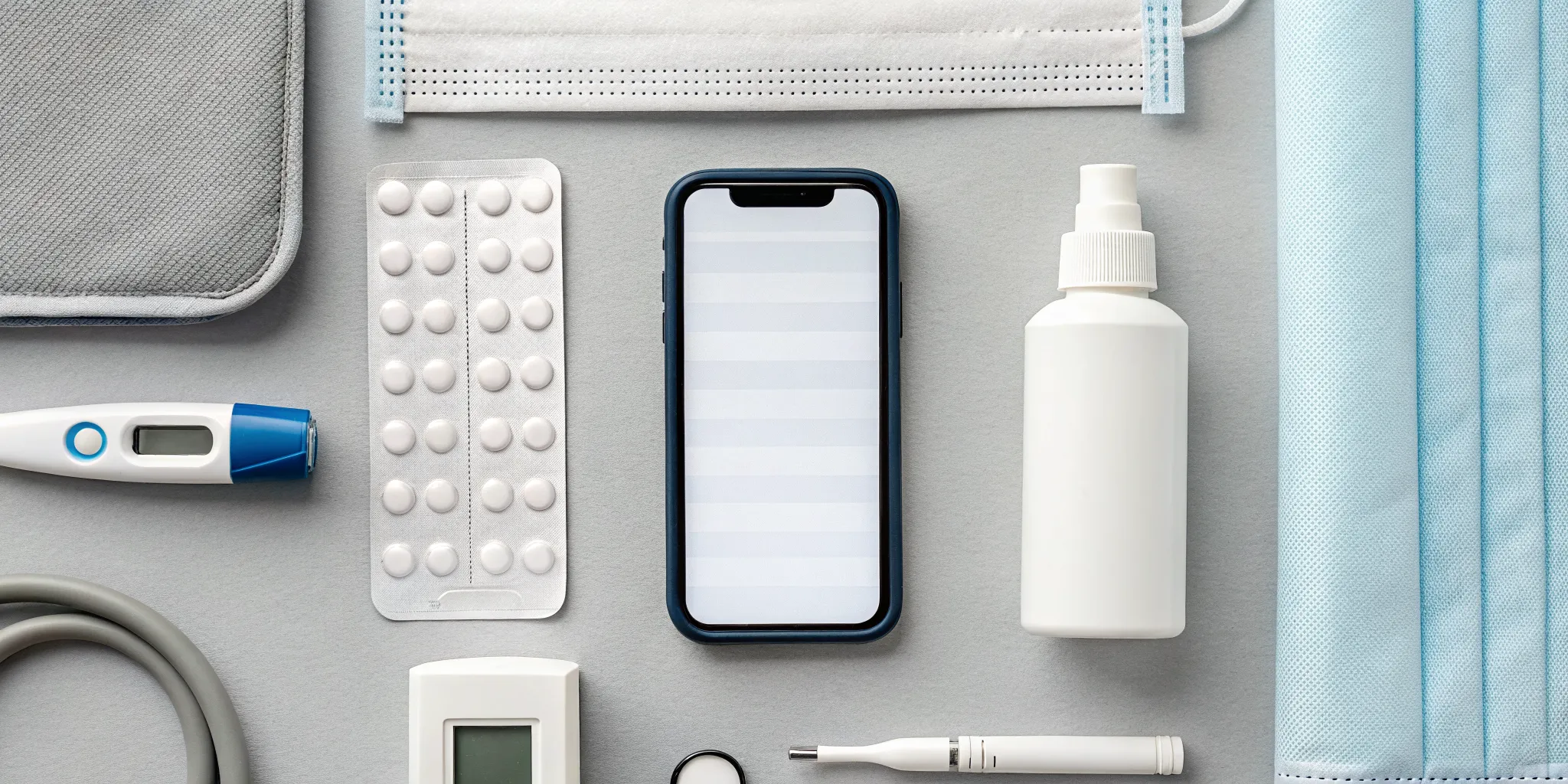
When you think about your health savings, you probably picture doctor co-pays and prescription refills. While your HSA is great for those, its real power lies in its flexibility. This account is designed to support your total well-being, covering a range of services you might not expect. We’re talking about everything from therapy sessions and chiropractic care to smoking cessation programs and even your transportation to appointments. This guide is here to pull back the curtain on the full potential of your HSA, showing you how a modern approach to health is supported by a surprisingly broad list of hsa eligible items that go far beyond the basics.
Key Takeaways
- Treat your HSA as an investment: Your HSA funds roll over annually and grow tax-free, making it a powerful account for future health expenses and even a supplement to your retirement savings.
- Know what’s covered, from prescriptions to sunscreen: Your account can pay for a huge variety of medical costs, including doctor visits, dental care, and many over-the-counter items. Just be aware that general wellness products and cosmetic procedures are typically excluded.
- Save your receipts to avoid penalties: Always keep itemized receipts for every HSA purchase. This is your proof for the IRS and helps you avoid paying income tax plus a 20% penalty on non-qualified spending.
What is a Health Savings Account (HSA) and How Does It Work?
Let’s start by demystifying the HSA. Think of a Health Savings Account (HSA) as a personal savings account, but one that’s specifically for your health costs and comes with some serious tax perks. It’s a smart way to set aside money for everything from doctor’s visits to everyday pharmacy runs. To open one, you generally need to be enrolled in a specific type of insurance called a High Deductible Health Plan (HDHP). An HDHP typically has a lower monthly premium but requires you to pay more out-of-pocket before your insurance starts to cover costs. The HSA is designed to help you save for and pay for those out-of-pocket expenses.
So, how does it work? The magic of an HSA lies in its triple tax advantage. First, the money you contribute is tax-deductible, which can lower your taxable income for the year. Second, the money in the account can grow over time tax-free. And third, when you use the funds for qualified medical expenses, those withdrawals are also completely tax-free. It’s a powerful combination. You can contribute funds yourself, and sometimes your employer might chip in, too.
Unlike some other health accounts, the money in your HSA is yours to keep. The balance rolls over year after year, so you don’t have to worry about a “use it or lose it” deadline. This allows you to build a nest egg for future health needs. Plus, the account is completely portable. If you change jobs, switch insurance plans, or retire, that HSA and all the money in it comes right along with you. This tax-advantaged savings account is a flexible, long-term tool that puts you in control of your healthcare spending and savings.
What Can You Actually Buy with Your HSA?
So you’ve set up your Health Savings Account, and the money is starting to build up. That’s a fantastic first step! Now for the fun part: using it. Think of your HSA as your personal health fund, ready to cover costs and help you stay on top of your well-being. The list of what you can buy is long and includes a lot more than you might think. It’s not just for emergencies or major procedures; it’s for the everyday things that keep you healthy, too.
From routine check-ups and prescriptions to dental cleanings and even therapy, your HSA is a flexible tool designed to make healthcare more manageable. The key is knowing what counts as a “qualified medical expense.” The IRS has guidelines, but you don’t need to read a dense legal document to figure it out. We’ve broken down the main categories for you, so you can feel confident swiping your HSA card at the checkout counter. Understanding these expenses helps you plan your spending and get the most value from your tax-free health dollars. This flexibility is what makes an HSA so powerful. It puts you in the driver’s seat, allowing you to make decisions about your health without worrying as much about the immediate financial hit. Whether you’re managing a chronic condition, planning for a new pair of glasses, or investing in your mental health, your HSA is there to support you. Let’s walk through some of the most common and useful ways you can put your health savings to work.
Doctor’s Visits and Medical Services
Let’s start with the basics. Your HSA is perfect for covering the costs of visits to your doctor, whether it’s for an annual physical or an unexpected illness. This includes your co-pays, deductibles, and any coinsurance you might owe. But it goes beyond your primary care physician. You can use your funds for lab fees, X-rays, and even physical therapy to help you recover from an injury. The IRS defines a wide range of qualified medical expenses, so you can also pay for specialist appointments and non-cosmetic surgeries with your tax-free dollars, making it easier to manage both planned and unplanned medical events.
Prescription Medications
Picking up a prescription is another great use for your HSA. Any medication prescribed by your doctor is an eligible expense, which can be a huge help for managing ongoing health needs without dipping into your regular bank account. And here’s some more good news: you can also use your HSA for many over-the-counter (OTC) medicines. Think pain relievers like ibuprofen, allergy pills, cold and flu remedies, and antacids. You no longer need a doctor’s note for most of these items, making it incredibly convenient to stock your medicine cabinet with essentials using your pre-tax funds.
Dental and Vision Care
Your health is more than just your body; it includes your teeth and eyes, too. Your HSA can be used for a wide range of dental and vision care, which often have separate insurance plans with their own costs. For your smile, this includes routine cleanings, fillings, X-rays, braces, and even more complex procedures like root canals or tooth removals. When it comes to your eyes, you can pay for eye exams, prescription eyeglasses, and contact lenses and their cleaning solution. Thinking about a more permanent fix? Laser eye surgery is also an HSA-eligible expense, making it a more attainable goal.
Medical Equipment and Supplies
Your HSA isn’t just for appointments and medications; it also covers the tangible items you need to manage your health. This includes a broad category of medical equipment and supplies. For example, you can purchase crutches if you sprain an ankle, a wheelchair for mobility support, or a blood sugar testing kit to manage diabetes. It also covers hearing aids and their batteries, breast pumps and other breastfeeding supplies, and even personal protective equipment like face masks and hand sanitizer. Having these funds available means you can get the necessary equipment without financial stress, helping you or your family stay safe and healthy.
Mental Health and Therapy
Taking care of your mental health is just as important as your physical health, and your HSA is here to support that. You can use your funds to pay for therapy sessions, visits with a psychiatrist, and treatment at substance abuse centers. This makes it easier to access consistent, quality care for your mental well-being. Beyond traditional therapy, your HSA also covers other types of care that can support your overall health journey. This includes appointments with a chiropractor for back pain or sessions with an acupuncturist for various conditions. It’s all part of a holistic approach to health that your HSA is designed to fund.
Your HSA Shopping List: Approved Over-the-Counter Items
One of the best things about having an HSA is using it for everyday health items, not just for big doctor bills. Thanks to some helpful rule changes, you no longer need a doctor’s prescription to buy most over-the-counter (OTC) products with your HSA funds. This makes it so much easier to stock your medicine cabinet and stay prepared. Think of your HSA card as your go-to for everything from allergy medicine to sunscreen. To help you get started, here’s a shopping list of common items you can buy, turning your regular drugstore run into a smart, tax-free spending opportunity. Just remember to keep your receipts, and you’ll be all set.
OTC Medications (No Prescription Needed)
You can finally use your HSA to buy those common over-the-counter medicines you always need on hand. This includes pain and fever reducers like Tylenol and Advil, cold and flu remedies to get you through sick days, and allergy pills for seasonal relief. You can also grab antacids for heartburn, antibiotic creams for minor cuts, sleep aids for restless nights, and motion sickness medicine for your next trip. Having these eligible expenses covered makes managing minor health issues much more convenient and affordable.
First-Aid Kit Essentials
Being ready for little emergencies is always a smart move, and your HSA can help you build the perfect first-aid kit. You can purchase pre-made kits or buy individual supplies to create your own. This includes essentials like bandages of all shapes and sizes, antiseptic wipes, and medical tape. Beyond the basics, your HSA also covers larger items like blood pressure monitors, thermometers, and at-home COVID-19 tests. Even durable medical equipment like crutches or hearing aids and their batteries are covered, ensuring you’re prepared for a wide range of health situations.
Feminine Hygiene Products
In a long-overdue and welcome change, menstrual care products are now considered qualified medical expenses. This means you can use your HSA funds to purchase tampons, pads, menstrual cups, and other period products. This is a significant step that makes essential hygiene items more accessible and affordable for everyone who needs them. It’s a simple change that has a meaningful impact, allowing you to take care of your monthly needs without having to pay for them out-of-pocket with post-tax money.
Sunscreens and Skincare
Protecting your skin is a critical part of your long-term health, and your HSA is here to help. You can use your account to buy broad-spectrum sunscreen products as long as they have an SPF of 15 or higher. This includes lotions, sprays, and face-specific formulas, so you can find the right protection for your needs. Lip balm with SPF 15+ is also eligible. This makes it easier and more affordable to make sun safety a daily habit, whether you’re heading to the beach or just running errands.
Surprising Things You Can Buy with Your HSA
Your HSA is more flexible than you might think. Beyond the usual doctor’s visits and prescriptions, your account can cover a wide range of services and products that support your overall wellbeing. Think of it as a financial tool that adapts to your specific health needs, even the ones you wouldn’t expect. Let’s look at some of the most surprising, yet completely legitimate, ways you can use your HSA funds to take care of yourself.
Acupuncture, Chiropractic Care, and More
Yes, your HSA can help pay for treatments that go beyond conventional medicine. If you’ve been curious about acupuncture for pain relief or chiropractic care for alignment, your HSA funds can make them more accessible. The key is that these services must be for the diagnosis, cure, mitigation, treatment, or prevention of a disease. This category also includes things like fertility treatments, which can be a huge financial relief for those growing their family. These are all considered IRS qualified medical expenses that support your unique path to wellness, but be sure to get a recommendation from your doctor, as it’s often needed to prove the treatment is a medical necessity.
Programs to Help You Quit Smoking or Lose Weight
Your HSA can also be a partner in making significant lifestyle changes. If you’re ready to quit smoking or need support for weight loss, you may be able to use your HSA to cover the costs. This includes smoking cessation programs and specific weight-loss programs designed to address a diagnosed medical condition, like obesity or heart disease. General health club dues or diet food delivery services typically don’t count. The important distinction is that the program must be recommended by a doctor to treat a specific illness. These types of programs are considered eligible items and expenses when they are part of a prescribed health plan, helping you invest in your long-term health.
Getting to Your Appointments
The costs of getting to and from medical care can add up quickly, but your HSA can help with that, too. You can use your funds to pay for a wide range of transportation costs related to your medical appointments. This includes bus, train, or taxi fare. If you drive your own car, you can reimburse yourself for the cost of gas and oil, as well as any parking fees or tolls you pay to get to the hospital, clinic, or doctor’s office. What isn’t covered is general car maintenance, like an oil change or new tires. Keeping track of these small expenses is a smart way to make your healthcare dollars stretch further.
Breast Pumps and Breastfeeding Supplies
For new and expecting parents, an HSA can provide significant financial support. Breast pumps and other essential breastfeeding supplies are considered eligible medical expenses, which can ease the financial side of welcoming a new baby. This means you can buy a quality breast pump, milk storage bags, and other related items using your tax-free HSA funds. It’s a practical way your health account supports you and your family during a major life event. These items fall under the category of medical equipment and supplies that are approved for HSA reimbursement, so you can feel confident making these important purchases for your family’s health.
What Your HSA Won’t Cover
While your HSA is a fantastic tool for managing health costs, it’s not a free-for-all debit card. The IRS has specific rules about what qualifies as a medical expense, and knowing what’s not on the list is just as important as knowing what is. This isn’t about limiting you; it’s about empowering you with the right information so you can use your account with total confidence. Understanding these exclusions helps you plan your spending, avoid penalties, and prevent any surprise rejections when you file for reimbursement.
Think of it as learning the rules of the game. When you know which expenses are off-limits, you can better budget for both your qualified medical costs and your general wellness purchases. This clarity prevents the headache of having to pay back your HSA distribution, plus a potential 20% tax penalty, for a non-qualified purchase. It’s a simple step that protects your savings and keeps your health finances running smoothly. Below, we’ll cover the key categories of non-eligible items, from everyday toiletries to cosmetic procedures, so you can spend smarter and avoid any issues down the road.
Commonly Mistaken Items
It’s easy to assume that anything you buy at the pharmacy is fair game, but that’s not always the case. Items for your general health and well-being, while important, typically don’t qualify for HSA funds. This means things like your daily face lotion, cosmetics, shampoo, and deodorant are considered personal care items, not medical expenses. While these products definitely contribute to you feeling your best, the IRS draws a line between personal hygiene and treatment for a specific medical condition. To be sure about an item, it’s always a good idea to check a list of IRS qualified medical expenses before you buy.
Cosmetic Procedures and General Wellness
This is a big one. Your HSA won’t cover procedures that are purely for cosmetic reasons. So, if you’re thinking about teeth whitening, liposuction, or hair removal, you’ll need to pay for those out of pocket. The main purpose of the procedure is what matters. However, there’s an important exception: if a procedure is needed to correct a deformity from a congenital abnormality, a personal injury, or a disfiguring disease, it may be covered. For example, breast reconstruction surgery after a mastectomy is an eligible expense. This distinction helps clarify what your HSA is truly for: your medical health, not just your appearance.
When You Need a Doctor’s Note
Sometimes, an item or service can be either a personal expense or a medical one, and the difference comes down to a doctor’s recommendation. This is where a Letter of Medical Necessity (LMN) comes in. For example, a weight-loss program is generally not covered, but it can become an eligible expense if your doctor prescribes it to treat a specific diagnosis like obesity or heart disease. The same goes for things like massage therapy for back pain or special orthopedic shoes. If you think a service could help with a health condition, talk to your provider. They can determine if it’s medically necessary and provide the documentation you need.
The Fine Print on Over-the-Counter Items
Using your Health Savings Account for over-the-counter items is much easier than it used to be, but it’s not quite a free-for-all. Think of it like knowing the difference between a sale item and a final sale item at your favorite store; a few key details can make all the difference. Understanding the rules helps you shop confidently and make sure every dollar in your HSA is spent correctly. While most everyday health products are fair game, some items still have specific requirements you’ll want to know about before you head to the checkout line. Let’s walk through what’s changed, what hasn’t, and the other details to keep in mind.
Why You No Longer Need a Prescription for Most OTCs
For years, you needed a doctor’s prescription to get reimbursed for over-the-counter medicines. Thankfully, that rule is a thing of the past. A legislative change made it so you no longer need a prescription for most OTC drugs to be considered an eligible expense. This is a huge win, simplifying how you use your HSA for everyday health needs. Now you can grab things like cold medicine, antacids, and pain relievers and pay with your HSA card directly, without the extra step of getting a doctor’s note.
The Few OTCs That Still Need a Prescription
While the rules have relaxed, some items still require a doctor’s sign-off. This usually happens when an item is needed to treat a specific medical condition, not just for general wellness. For these purchases, you’ll need what’s called a Letter of Medical Necessity (LMN) from your doctor. For example, a weight-loss program might be eligible if your doctor states it’s necessary to treat a diagnosed disease like obesity. The same goes for things like compression socks or massage therapy; they become eligible when a doctor confirms they are needed for a specific health issue.
Age Limits and Other Restrictions
Beyond needing a doctor’s note, some items come with other specific rules. For instance, certain supplements and vitamins are only eligible if your doctor recommends them for a diagnosed medical condition. Other items, like exercise equipment, typically aren’t covered unless a doctor prescribes it to treat a specific issue, like physical therapy after an injury. Things like CBD oil are also generally not eligible without a specific medical diagnosis. The key takeaway is to always double-check the rules for items that blur the line between general wellness and medical treatment.
How to Check if Something is HSA-Eligible
Figuring out what’s covered by your HSA can feel like a pop quiz, but you don’t have to guess. When you’re standing in the pharmacy aisle wondering if that cold medicine or sunscreen is eligible, a quick check can save you a lot of hassle. Luckily, there are a few straightforward ways to confirm if an item qualifies before you get to the checkout counter. Having these simple checks in your back pocket will give you the confidence to shop smart and make the most of your health savings. It’s all about knowing where to look, and thankfully, the resources are easy to find.
Check the Official IRS Guidelines
When in doubt, go to the source. The IRS is the authority on what counts as a medical expense, and they maintain the official list of IRS qualified medical expenses that applies to HSAs. This list is your most reliable guide. While it’s very comprehensive, the rules can be updated from time to time, so it’s a good idea to check it if you’re unsure about a specific purchase. Think of it as the official rulebook for your health spending. Getting familiar with this list will help you understand the logic behind what is and isn’t covered.
Use Your HSA Provider’s Tools
Your HSA administrator is there to help you. Most providers offer online portals or mobile apps with tools designed to make your life easier. These platforms often have searchable lists of eligible items, expense trackers, and FAQs. If you can’t find an answer online, don’t hesitate to call their customer service line. Their representatives can answer specific questions about what your plan covers and help you understand any nuances. Many providers also partner with major retailers to make identifying FSA/HSA eligible items even simpler when you shop.
Look for In-Store and Online Guides
Many retailers want to make it easy for you to use your HSA funds. You’ve probably seen tags on store shelves labeling certain products as “HSA-Eligible.” Major pharmacies and even supermarkets often highlight these items to streamline your shopping. Online, many retailers have dedicated sections on their websites for HSA-approved products. These curated shopping guides are a fantastic resource for stocking up on everything from first-aid supplies to sunscreen. It’s a simple way to shop with confidence, knowing that the items in your cart are approved HSA eligible items.
What Receipts to Keep for Your HSA
Let’s talk about paperwork. While it’s not the most exciting topic, keeping your HSA receipts is one of the smartest habits you can build for your financial health. Think of it as your personal compliance system. The IRS can ask you to prove that your spending was for legitimate medical costs, and having clear records makes that process painless. It’s all about being prepared, not paranoid.
You should always keep detailed receipts for every single purchase made with your HSA funds. This applies whether you swipe your HSA card at the pharmacy or pay out-of-pocket and plan to reimburse yourself later. A credit card statement showing only the store and total amount isn’t enough; you need an itemized receipt that lists the date, the specific product or service, and the cost. This is the only way to verify your spending on HSA qualified medical expenses.
Beyond the store receipt, it’s wise to also save related documents. Hold onto any Explanation of Benefits (EOBs) from your insurer and any notes from your doctor, especially if you need a Letter of Medical Necessity for a less common purchase. Having this complete paper trail is essential in case you ever need to prove an expense was eligible. Create a simple system that works for you, like a dedicated digital folder on your computer or a physical file. The goal is to be able to quickly find proof for any expense, even years down the line.
Common HSA Mistakes to Avoid
An HSA is an incredible tool for managing your health costs, but it comes with a few important rules. Think of it like a special savings account with tax superpowers. To keep those powers working for you, it’s smart to be aware of a few common slip-ups that can cost you money or cause a headache later on. Steering clear of these simple mistakes will help you get the most value from every dollar you save.
Forgetting to Keep Receipts
I know, saving receipts feels like a chore, but for HSA spending, it’s non-negotiable. You need to hold onto detailed receipts for every single purchase you make with your HSA funds. This is your proof in case the IRS ever asks you to show that your money went toward legitimate health costs. A simple system works best. You can snap a photo of each receipt and save it to a dedicated folder on your computer or cloud drive. This way, you’ll always have the documentation you need to verify your spending on qualified medical expenses without having to dig through a shoebox years later.
Paying Penalties for Non-Medical Spending
Using your HSA for a morning coffee or a new pair of shoes might be tempting, but it’s a costly error. If you’re under 65, spending HSA funds on anything other than qualified medical expenses comes with a hefty penalty. You’ll have to pay income tax on the money you spent plus a steep 20% penalty. It’s an easy way to lose a significant chunk of your savings. The rules do change once you turn 65. At that point, you can withdraw money for any reason without a penalty, though you’ll still pay income tax on non-medical withdrawals, similar to a 401(k).
Buying Items That Aren’t Covered
While the list of HSA-eligible items is long and includes many over-the-counter products, it doesn’t cover everything. It’s easy to assume that anything you buy at a pharmacy is fair game, but that’s not the case. General wellness and cosmetic products are typically excluded. This means things like your daily face lotion, shampoo, deodorant, and makeup are not eligible. Before you head to the checkout, it’s always a good idea to double-check if an item is covered. When in doubt, a quick search of the official list of IRS qualified medical expenses can save you from making a purchase you’ll have to pay back.
How to Get the Most Out of Your HSA
Think of your Health Savings Account as more than just a way to pay for this year’s doctor visits. It’s a powerful financial tool that can support your health and wealth for years to come. Getting the hang of your HSA is all about using it strategically for both your immediate needs and your long-term goals. By understanding a few key features, you can make sure you’re getting every ounce of value from your account. It starts with a little planning and knowing the rules of the road.
Plan for Today’s and Tomorrow’s Health Costs
One of the best features of an HSA is its flexibility. The money you contribute is yours to keep, and it rolls over year after year, unlike an FSA. This makes it a fantastic tool for both short-term and long-term planning. You can use the funds for today’s medical expenses, or you can let them grow as an investment for future health costs. In fact, many people use their HSA as a supplemental retirement account. After you turn 65, you can withdraw money for any reason without a penalty, though it becomes taxable if not used for medical costs. Plus, if you’re 55 or older, you can make extra “catch-up” contributions to build your savings even faster. This dual purpose makes your HSA a key part of your financial wellness strategy.
Know Your Contribution Limits and Tax Perks
To truly maximize your HSA, it’s helpful to understand its triple-tax advantage: your contributions are tax-deductible, the money grows tax-free, and withdrawals for qualified medical expenses are also tax-free. Each year, the IRS sets contribution limits, so be sure to check the latest numbers to contribute as much as you can. For 2024, the limits are $4,150 for an individual and $8,300 for a family. Because the rules around what counts as a qualified expense can change, it’s smart to keep good records. Always save your receipts and any notes from your doctor, just in case you need to show that an expense was eligible. You can always check a list of IRS qualified medical expenses if you’re unsure whether an item is covered.
Related Articles
- What Are HSA Eligible Expenses? A Complete List
- What Can You Buy With an HSA? The Complete List
- HSA Eligible Items: The Ultimate Shopping List
- FSA vs. HSA Benefits: The Ultimate 2026 Guide
- Healthcare FSA Eligible Items: A Complete Guide
Frequently Asked Questions
What makes an HSA different from an FSA? The biggest difference is ownership and how the money carries over. With a Flexible Spending Account (FSA), you typically have to spend the funds within the plan year or you lose them. An HSA is your personal account, so the money is yours to keep forever. The balance rolls over year after year, and the account comes with you even if you change jobs or insurance plans, allowing you to build savings for the long term.
What happens if I accidentally buy something that isn’t a qualified medical expense? It’s an easy mistake to make, but it’s important to fix. If you use your HSA for a non-qualified expense, you should contact your HSA administrator to see how you can return the funds to the account. If you don’t correct the error, you will have to report the amount as taxable income and pay a 20% penalty on it.
Can I really use my HSA for retirement? Yes, and it’s one of the account’s most powerful features. You can let your funds grow tax-free for decades. Once you turn 65, you can continue to use the money tax-free for medical expenses. For any other expense, like travel or home repairs, you can withdraw the money without the 20% penalty. You will just pay regular income tax on those non-medical withdrawals, similar to how a traditional 401(k) works.
Do I really need to keep receipts if I use my HSA debit card? Absolutely. A debit card transaction or a credit card statement only proves where you shopped and how much you spent, not what you bought. The IRS requires you to be able to prove your funds were used for qualified medical expenses, and an itemized receipt is the best way to do that. It’s a good habit to save a digital or physical copy of every receipt, just in case you ever need it.
How do I use my HSA for something like a massage or a special program? For services that can be for either general wellness or medical treatment, you often need a doctor’s note to prove it’s a medical necessity. This is called a Letter of Medical Necessity (LMN). If you think a service like massage therapy, acupuncture, or a weight-loss program would help treat a specific health condition, talk to your doctor. They can determine if it’s medically appropriate and provide the documentation you need to use your HSA funds.