Buying HSA eligible CPAP supplies can feel straightforward until checkout asks for documentation or a purchase includes a borderline accessory. The practical way forward is to separate treatment equipment from general wellness items, verify plan rules before buying, and keep records that explain the medical purpose.
Simplify eligibility checks and reimbursements with daylii.
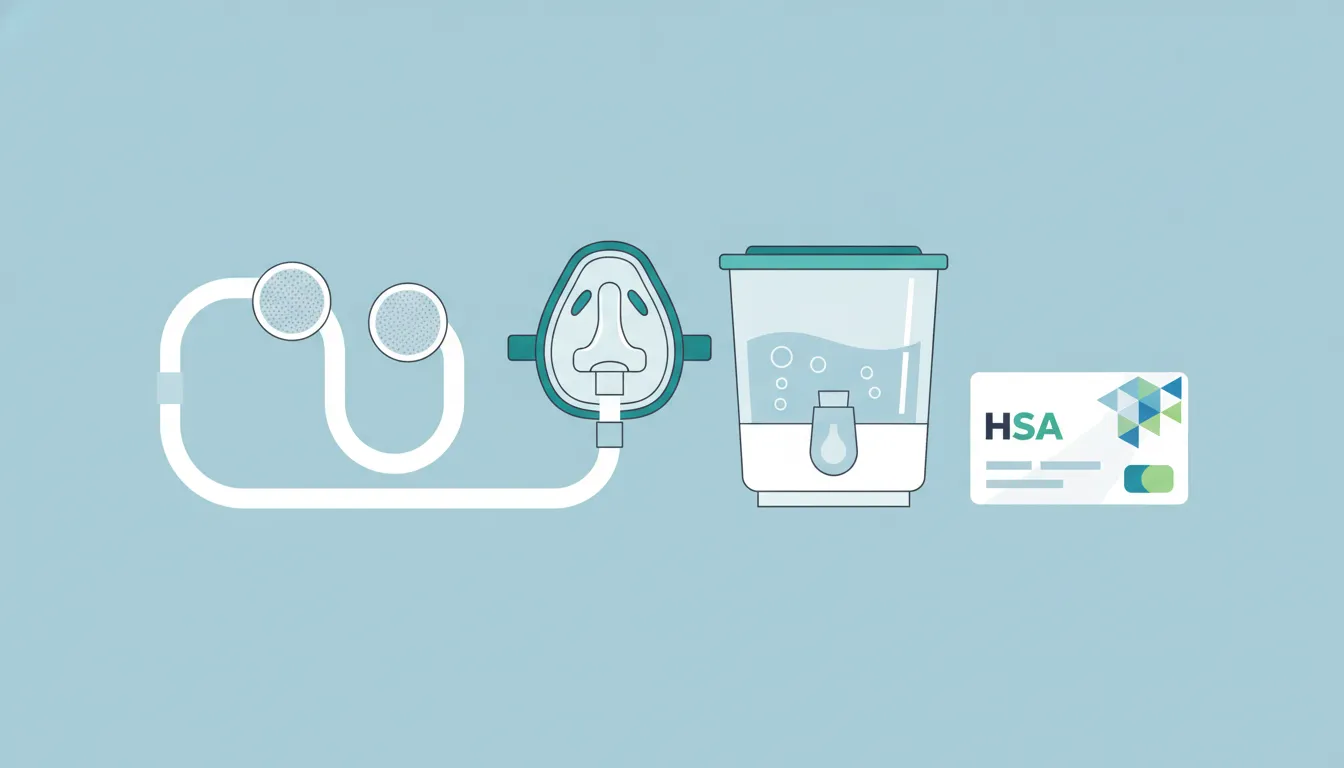
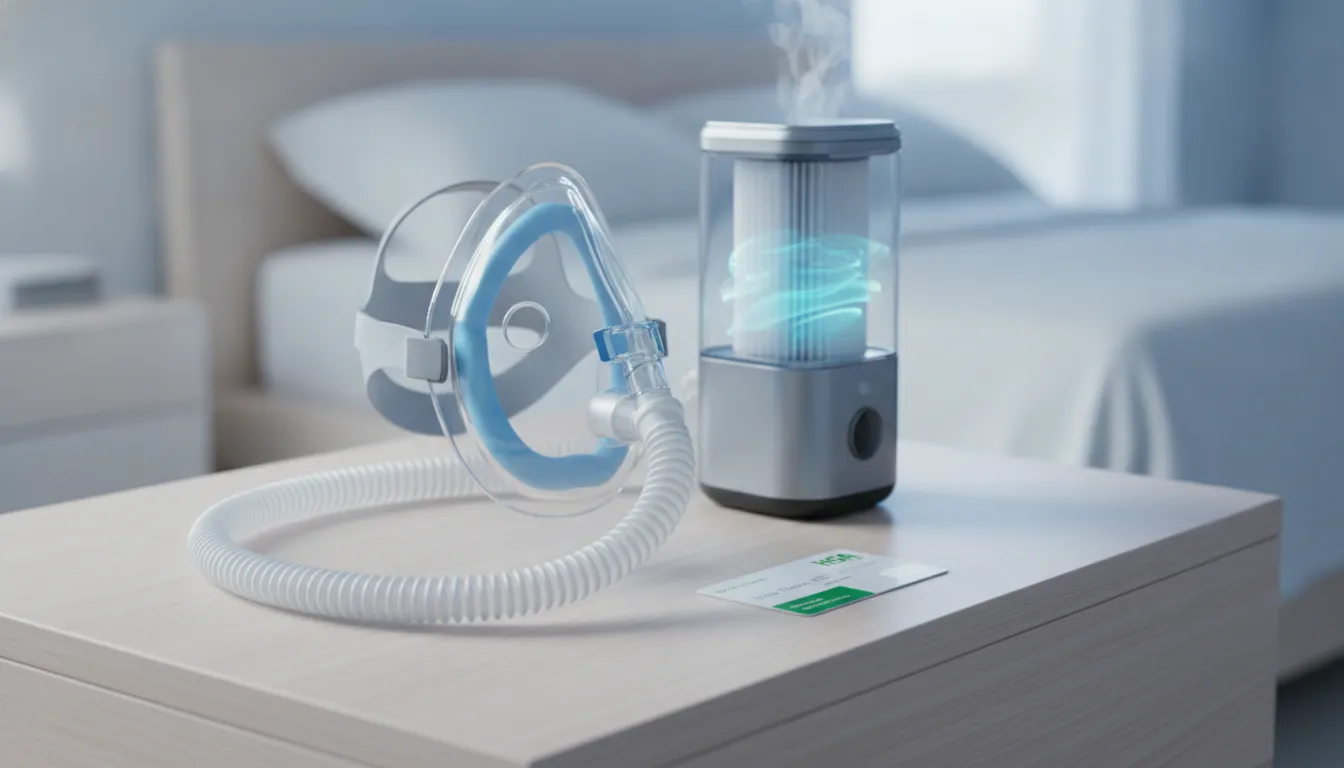
HSA eligible CPAP supplies include the machine itself along with needed parts like masks, tubing, and filters. These items work for pre-tax spending because they are used to treat a health issue such as sleep apnea. According to IRS Publication 502, medical care costs cover the diagnosis, treatment, or prevention of disease. This means you can use your health savings account for the humidifiers and cleaning kits that keep your care safe. Most stores and online shops allow you to use your HSA card directly at checkout. You should keep your prescription and a letter of medical need on file just in case your plan needs proof. Using these funds for your supplies helps you manage your health while lowering your tax bill.
Knowing what qualifies makes it easier to maintain treatment without creating reimbursement problems later. Start with the prescribed machine and the components required for it to function, then verify accessories and general wellness products separately.
What HSA eligible CPAP supplies can you buy?
Core machines and devices
You can use your tax-free funds to buy many types of prescribed sleep apnea equipment. The main machines are often HSA eligible CPAP supplies when you have a doctor’s note. This list includes CPAP, APAP, and BiPAP devices. These tools help you breathe well at night by providing a steady flow of air. According to the IRS, these items count as medical care because they treat a health issue.
Before you buy a new machine, you must get a checkup. Most health plans need a professional sleep apnea diagnosis first. A doctor will look at your sleep patterns to see which device fits your life. You should keep a copy of your doctor’s note in a safe place. This helps show that the cost is for a real medical need. At daylii, we help you map your spending to the right rules to keep things simple.
Essential mask parts and tubing
Masks and hoses are also on the list of items you can buy with your account. You can choose from full-face masks, nasal masks, or small nasal pillows. Since these parts touch your skin and breath, they must stay clean. Replacing them often helps you stay on track with your care. Experts say that fresh gear helps you sleep better and stay healthy over time.
You might need a Letter of Medical Necessity for some parts. This is a simple note from your doctor. It says you need the item to treat your sleep apnea. Most account providers will ask for this form if you buy a whole set of new gear. We make it easy to track these forms so you never lose them. Keeping your receipts is a smart way to avoid tax issues or card declines later.
Replacement filters and accessories
Small parts like filters and water tanks are also covered. These items keep your air clean and moist. You can also buy power cords and battery packs if they are for medical use. These help your machine run during travel or if the power goes out. Most people buy these parts in bulk to save time and money. You can even buy cleaning kits if they are needed for your specific medical device.
Humidifier chambers are another common item you can get. These tanks hold the water that keeps your throat from getting dry. Like filters, you should swap them out often to avoid mold or dust. Check with your plan rules to see if they have a limit on how many you can buy each year. Using your HSA for these costs is a great way to save money on your daily health needs.
| Supply Type | Common Items | HSA Eligibility |
|---|---|---|
| Main Devices | CPAP, APAP, BiPAP machines | Eligible with diagnosis |
| Mask Gear | Cushions, headgear, masks | Generally eligible |
| Tubing | Heated or standard hoses | Eligible for treatment |
| Filters | Fine and foam air filters | Eligible as medical parts |
| Water Tanks | Humidifier chambers | Eligible for device use |
| Power Gear | Batteries and power cords | Eligible for medical need |
Are CPAP cleaning products and accessories eligible?
Keeping your gear clean is a big part of your health care. The IRS rules state that you can use your funds for items that treat a health issue. Since you use these tools to manage sleep apnea, most HSA eligible CPAP supplies are covered.
This includes the items you need to keep your machine in good shape. But you should know that some items have extra rules. At daylii, we help you find what is covered so you can spend with peace of mind.
Daily cleaning tools and soaps
You must keep your mask and hose free from germs, dust, and oil. Items like special CPAP wipes and soaps are made for this task. These products are often eligible because they help your medical gear work well.
When you use them to maintain your device, they count as a part of your medical care. The IRS notes that medical costs include things used to treat or prevent a disease.
Using wipes makes it easy to clean your mask every day. This helps prevent skin rashes and air leaks. Soaps made for CPAP tanks are also vital. They remove mineral build-up without harming the plastic.
Because these soaps are for a medical tool, they are usually a safe way to use your HSA funds. Just keep your receipts in case your plan manager asks for proof. This helps you stay ready for any audit.
Sanitizers and cleaning machines
Some people choose to use a machine that kills germs with UV light or ozone. These units can clean your mask and hose in minutes. While they are very helpful, they are also more costly than soap. Some HSA plans cover these machines, but others may flag them.
You might need to provide a Letter of Medical Necessity to get approval. This letter comes from your doctor. It states that you need the cleaner to stay healthy while you use your CPAP. It helps prove that the item is a key part of your care.
If you have a weak immune system, your doctor may say a sanitizer is a must. Checking with your plan manager before you buy is always a smart move. This ensures you do not face a denied claim later.
Comfort gear and travel parts
If your mask is not comfy, you might not use it. Items like mask liners, strap pads, and chin straps help you sleep better. Most of these comfort parts are covered by your HSA. They are seen as part of the machine’s setup.
Travel cases and power packs are also often on the list. These tools help you take your therapy with you when you leave home. They ensure you do not miss a night of care while on the road.
Treating sleep apnea needs steady care to be effective. This is why tools that help you stick to your plan are usually fine to buy. If an item is made only for use with your CPAP, it is likely covered. If you are not sure, the daylii app can help you check the rules for your plan.
Do sleep studies and prescriptions qualify?
Most costs for sleep tests and doctor visits count as HSA eligible CPAP supplies or services. These items qualify because the IRS views them as payments for the diagnosis or treatment of a disease. This includes home sleep tests and visits to a clinic. Since sleep apnea is a medical condition, the steps you take to find and treat it are usually covered.
Tests and doctor visits
You can use your HSA funds to pay for both home sleep apnea tests and in-lab sleep studies. Doctor visits to talk about your sleep issues or to get a diagnosis also qualify. These costs are part of your care for a medical condition. Before you can get documentation needed for CPAP supplies, a licensed provider must first find that you have sleep apnea. These first steps are vital for your long-term health and for meeting tax rules.
Letters and prescriptions
To buy some sleep aids, you may need a Letter of Medical Necessity from your doctor. This letter is a simple form where a health provider says a specific tool or test is needed for your care. While most CPAP gear needs a prescription, having this letter can help with account checks. It shows that your doctor found a clear medical need for the item. This makes your spending more secure and helps you avoid issues with your HSA provider.
Tracking tools vs medical gear
Not all tools that track sleep will qualify as medical costs. Most consumer sleep trackers you buy at a store are for general health, not for a specific disease. For a tool to count, it must help treat or find a medical issue like sleep apnea. Always check Mayo Clinic guides or talk to your doctor to see what tools fit your plan. Using daylii can also help you see which products map to tax rules so you can shop with more trust.
Which OTC sleep aids are HSA eligible?
Many people use their Health Savings Account (HSA) to buy big items like HSA eligible CPAP supplies. But you can also use your funds for many over-the-counter (OTC) sleep aids. Since the CARES Act passed in 2020, you no longer need a doctor’s note to buy most OTC medicines with your HSA card. This change makes it much easier to get the help you need for a better night of rest. It also helps you manage your health costs without extra stress.
The IRS has clear rules about what counts as a medical expense. In general, an item must find, treat, or prevent a disease to be eligible. For sleep, this includes many drugs that help you fall asleep or stay asleep. But it does not always cover general health tools like special pillows or white noise machines. Knowing these small details can help you avoid problems when it comes time to file your taxes.
Eligible sleep medicines
Most OTC sleep drugs are now easy to buy with your HSA. This includes well-known medicines like diphenhydramine and doxylamine. You can also buy melatonin and other sleep supplements if they treat a specific medical issue. The IRS defines medical care as payments for the cure or treatment of a disease. If your doctor tells you to take a specific sleep aid for a condition like insomnia, it is likely covered. These products are helpful when you need to manage sleep problems on your own.
Before 2020, you had to get a note from a doctor for these items. Now, you can simply pick them up at the store and pay with your health account. This is a great way to use your funds before the year ends. Even though HSA funds roll over, using them for daily health needs helps you save money. It also ensures you have what you need to stay well-rested throughout the week. You can shop at local stores or online and still use your pre-tax dollars.
Sleep gear and wellness tools
Items like sound machines, smart sleep trackers, and special pillows are different. The IRS usually views these as personal items or for general health. They are not always eligible for HSA spending. But you may still be able to buy them if they treat a medical problem that has been found by a doctor. If you have neck pain that stops you from sleeping, a special pillow might count as a medical cost. In these cases, the item is more than just a comfort tool.
To buy these wellness tools, you often need more proof. You might need to show that the item is a medical need and not just for your own use. This is where a note from your health provider becomes very useful. Without this proof, your account provider might decline the charge. They could also ask you to pay the money back later. Keeping good records is the best way to avoid these moments with your bank or the IRS.
The role of a Letter of Medical Necessity
A Letter of Medical Necessity is a special note from your healthcare provider. It shows that an item is needed to treat a specific condition. This document is key for buying things that the IRS does not always cover. It links the product to your health plan and helps you avoid issues with your HSA provider. It also serves as proof if the IRS ever asks about your spending. This simple step can save you a lot of time and money in the long run.
If you are unsure if a sleep aid is covered, daylii can help. Our platform uses AI to check products against rules for health accounts. We make it simple to find what you can buy and what needs extra paperwork. This lets you shop with trust and focus on getting the rest you need. We help you map your spending to the right rules so you can use every dollar well. This takes the guesswork out of your health journey.
How to buy CPAP supplies with your HSA
Buying the gear you need to sleep well should be easy. When you have a Health Savings Account, you can use pre-tax funds to pay for your care. Most HSA eligible CPAP supplies fit the rules set by the IRS. These items help treat sleep apnea, which makes them a valid health cost. You just need to follow a few simple steps to make sure your spending stays within the law.
Confirm your items qualify
The first thing you should do is check if your items fit the plan. Rules from the IRS state that care costs are to treat a disease. Since sleep apnea is a real health issue, CPAP machines and parts are safe for tax-free spending. This includes your mask, hose, and filters. At daylii, we use AI to help you find which goods fit these rules before you buy them.
You may also need a note from your doctor. A script is needed to show that you must use a CPAP. Your doctor can give you a note or a letter to prove this need. Having this file ready will help if your plan asks for proof later. It shows that your gear is a need and not just a want. This keeps your account in good standing with the tax rules.
Follow these steps to buy
Most people find that paying for supplies is a smooth path. You can often use your HSA card at the shop for a quick buy. This is the fastest way to get what you need without using your own cash. But if you do not have your card, you can still buy your gear and get paid back later. Both ways work well as long as you keep track of your spending.
- Check that your item is on the list of allowed costs.
- Get a script from your health care provider to prove the need.
- Use your HSA debit card to pay at the store or online.
- Keep an itemized receipt that shows what you bought and the cost.
- Save your records in a safe place for at least three years.
- Ask for a pay back if you used a personal card for the buy.
- Appeal the choice if your plan denies the claim for your gear.
Keep your records safe
You must keep proof of every buy you make with your funds. An itemized receipt is better than a simple credit card slip. It should show the date, the store, and exactly what you bought. These details are vital if you ever face a tax check. You want to show that every dollar went toward your health care.
If your claim is ever turned down, do not panic. You have the right to ask the plan to look at it again. Often, a small error in the record is the cause. You can send in your doctor’s note or a better receipt to fix the issue. Being tidy with your files makes this much easier. Most denied claims can be fixed with the right proof and a bit of time. You can read more about documentation needed for CPAP supplies in our full guide.
What documentation should you keep?
Staying organized helps you use your Health Savings Account (HSA) with confidence. While you can use your funds for many health costs, the IRS expects you to keep records. You must prove each buy was for real medical care. Good records protect you if your plan provider or the IRS asks for proof. You should save all records related to your HSA eligible CPAP supplies for at least three years after you file your tax return.
Keep itemized receipts
A simple credit card slip is often not enough proof for the IRS. You need a receipt that shows the date of the sale and the name of the store. It should also list the specific item you bought and how much it cost. This detail is key because medical care expenses must be for the diagnosis or treatment of a disease. If you buy a group of supplies, make sure the receipt breaks down each part so your provider can see it fits the rules.
Digital copies are usually fine, so think about taking a photo of your paper receipts. You can find more tips on tracking your spending in our guide on documentation needed for CPAP supplies. Keeping these files in one place makes it easy to manage your account at the end of the year.
Understand the Letter of Medical Necessity
For most CPAP items, a receipt is all you need. But some items may fall into a gray area where the medical need is less clear. In these cases, your account manager might ask for a Letter of Medical Necessity. This is a note from your doctor. It explains why a specific tool is needed to treat your sleep apnea. This note helps prove the cost fits the definition of medical care under IRS rules for HSAs.
You should get this letter before you buy the item. It must be signed by a licensed doctor and list your health state. Having this on hand can keep your HSA card from being declined. It also shows you are following the right steps to treat your state as found in clinical sleep apnea guides.
Check your plan guidelines
Every HSA plan is a bit different. While the IRS sets the main rules, your bank or plan provider might have their own steps for you to follow. Some may want you to send receipts to a site right away. Others might only ask for them if they spot an odd charge. You should check your own account book to see what they need from you. At daylii, we help you map your spending to these rules so you can shop without the stress of wondering if a purchase will count.
Use daylii to check eligibility and organize your reimbursement records.
Frequently Asked Questions
Are CPAP masks and filters HSA eligible?
Yes. Most CPAP parts like masks, hoses, and filters are HSA eligible when used for a health issue like sleep apnea. According to the IRS, medical care costs include the check and treatment of disease. You can often use your pre-tax funds to buy these items as long as you have a doctor’s note. These parts must be needed for your care to count as a qualified cost.
Do I need a prescription to use my HSA for CPAP supplies?
Yes. To use HSA funds for CPAP gear, you must have a diagnosis and a note from a health expert. A diagnosis is needed before you can get CPAP help. While some items like filters might be sold without a note, your HSA bank may still ask for proof of need. This helps them mark the cost as a fair health buy. You should keep all your notes to stay safe during tax time.
Is a Letter of Medical Necessity required for CPAP equipment?
A Letter of Medical Necessity is sometimes needed if your bank wants more proof that a buy is for health care. According to daylii, these rules can change based on your plan. This form is a note from your doctor. It shows that you need a specific item to treat your sleep apnea. Keeping this form on file helps you follow IRS rules. It also helps you avoid tax fines if you are ever asked about your spending.
Do HSA funds roll over for CPAP purchases?
Yes. If you have an HSA, you can use your funds for CPAP gear even if you also have a health plan with a limited use. Unlike some FSA plans where you lose money if you do not spend it, HSA funds roll over each year. This means you can save your cash for big buys like a new CPAP machine. You can also buy a year of extra parts without the risk of losing your bank balance.
Are over-the-counter sleep aids HSA eligible?
Yes. Since the start of the CARES Act, many store-bought sleep aids and pills are HSA eligible without a doctor’s note. According to Cigna, this law added many new items to the list of health costs you can pay for with pre-tax funds. You can now use your HSA card at the store to buy sleep aids and other health items to help you rest better at night.
Ready to simplify your sleep health spending?
Waiting to use your HSA for sleep aids can cost you more than just money as you deal with poor rest and extra stress. Every day you delay is another night of bad sleep and extra worry over your health budget and your plan year limits. You run the risk of losing your pre-tax funds for good if you do not act before your specific plan year ends. By starting now, you can stop the pain of card declines and get your sleep aids right away with no more delays. It is good to know that your spending is safe and that you have all the records needed for CPAP supplies in place for your account. Taking this small step today with daylii means you can focus on your health instead of your old receipts and complex rules. The path to better sleep and simpler spending is ready for you to take it today.
Ready to get started? Contact daylii to simplify eligibility checks and reimbursements.