
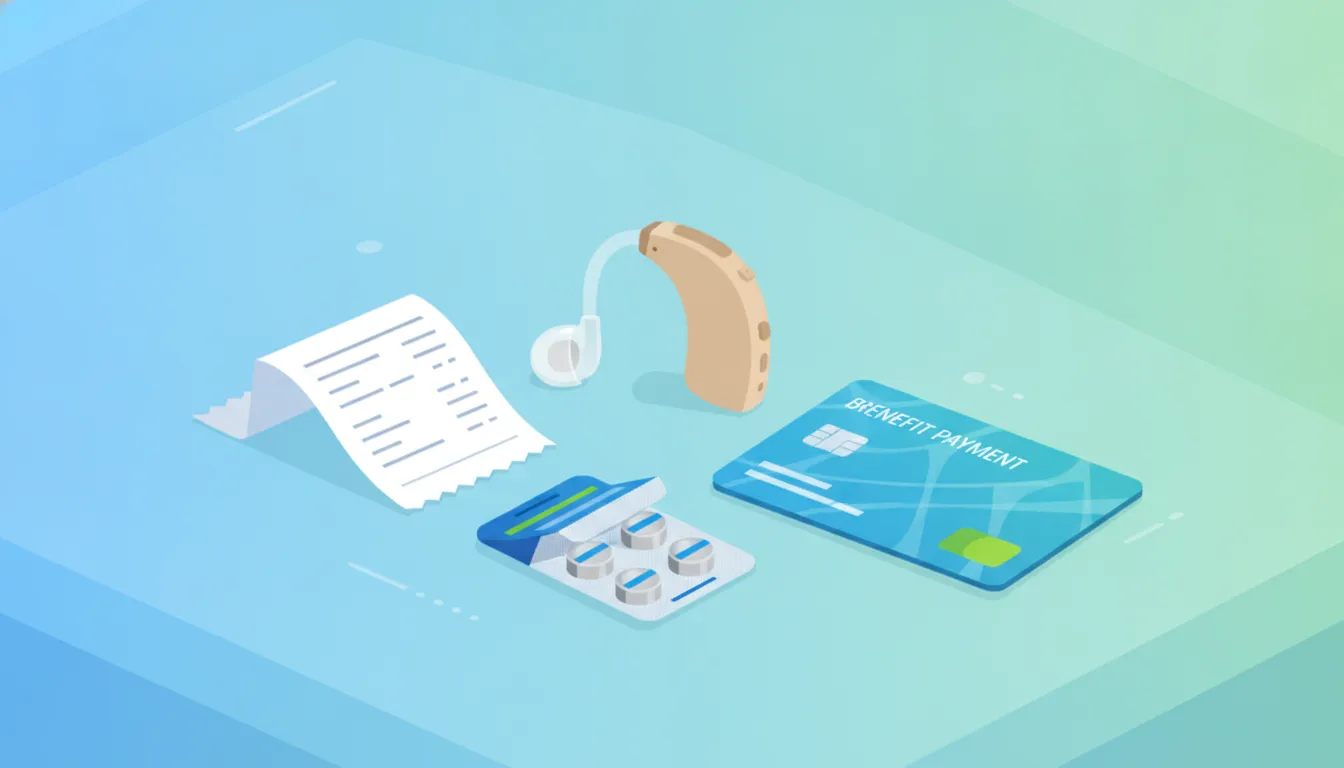
Are hearing aids FSA eligible? Yes. A health Flexible Spending Account generally covers hearing aids, including eligible over-the-counter models, plus necessary batteries, repairs, and maintenance. A Health Savings Account generally covers the same qualified costs. Keep an itemized receipt, claim only the amount not reimbursed elsewhere, and follow your plan administrator’s rules.
Use daylii’s FSA reimbursement guide to prepare your receipt and claim.
That clear answer can make a meaningful difference when hearing care costs hundreds or thousands of dollars. Pre-tax FSA or HSA funds can reduce the effective cost, but the type of account, date of service, and documentation still matter.
This guide explains which hearing-related expenses generally qualify, how to document a purchase, and what to do if a benefit card is declined. Eligibility and claim procedures can vary by plan. This article provides general educational information, not tax, legal, medical, or financial advice. Confirm your situation with your plan administrator or tax professional.
Are hearing aids FSA eligible under IRS rules?
Yes. The IRS Publication 502 section on hearing aids states that you can include the cost of a hearing aid and the batteries needed to operate it as medical expenses. Health FSAs generally use the same qualified-medical-expense framework, subject to the rules of the specific employer plan.
The key distinction is the type of FSA. A general-purpose health FSA can generally reimburse hearing aids. A limited-purpose FSA is normally restricted to dental and vision expenses, so it usually will not cover hearing aids. A dependent care FSA pays for eligible dependent-care services, not medical devices.
An HSA can also generally pay for qualified hearing care. Unlike an FSA, HSA money belongs to the account holder and rolls over from year to year. Review the difference between an HSA and FSA if you are unsure which account you have.
Prescription and over-the-counter devices
Both professionally fitted prescription hearing aids and eligible over-the-counter hearing aids generally qualify. The FDA explains the difference between prescription and OTC hearing aids. OTC devices are intended for adults with perceived mild to moderate hearing loss. They are not the same as personal sound amplification products, which are consumer electronics rather than devices intended to compensate for hearing impairment.
A prescription is generally not required simply to use health FSA or HSA funds for a qualifying hearing aid. However, a plan administrator can request documentation that identifies the item and the amount paid. If a product’s purpose is unclear, ask the administrator what proof it needs before buying.
Which hearing-aid costs can an FSA or HSA cover?
The device is only part of the cost of hearing care. Necessary expenses that help the hearing aid operate, fit correctly, or remain usable generally qualify too. The following table separates common eligible expenses from costs that may need closer review.
| Expense | Typical status | What to keep |
|---|---|---|
| Prescription or OTC hearing aid | Generally eligible | Itemized receipt showing product and price |
| Hearing-aid batteries | Generally eligible | Receipt identifying the batteries |
| Repairs and replacement parts | Generally eligible when needed for the device | Invoice describing the repair or part |
| Ear molds, fitting, and adjustment fees | Generally eligible when part of hearing care | Provider statement or itemized invoice |
| Hearing exam | Generally eligible as medical care | Provider bill and explanation of benefits, if applicable |
| Warranty or service plan | Ask the plan administrator | Contract showing what the plan covers |
| Personal sound amplifier | Generally not eligible when used only for convenience | Ask before purchase if medical purpose is unclear |
Batteries, repairs, and accessories
The IRS specifically identifies batteries needed to operate hearing aids as medical expenses. Rechargeable battery replacements and charging components may also qualify when they are necessary to operate an eligible device. A generic charging cable purchased for convenience can be harder to substantiate, so keep documentation that connects the item to the hearing aid.
Repairs, replacement receivers, tubing, ear molds, and similar parts generally qualify when they restore or maintain the device. Cleaning supplies designed specifically for hearing-aid maintenance may qualify as well. General household cleaners do not become eligible simply because they are sometimes used near a device.
For a broader view of qualifying purchases, see daylii’s guide to FSA and HSA eligible products. When an accessory’s medical purpose is uncertain, request a written eligibility decision from your administrator before spending.
How do insurance and FSA reimbursement work together?
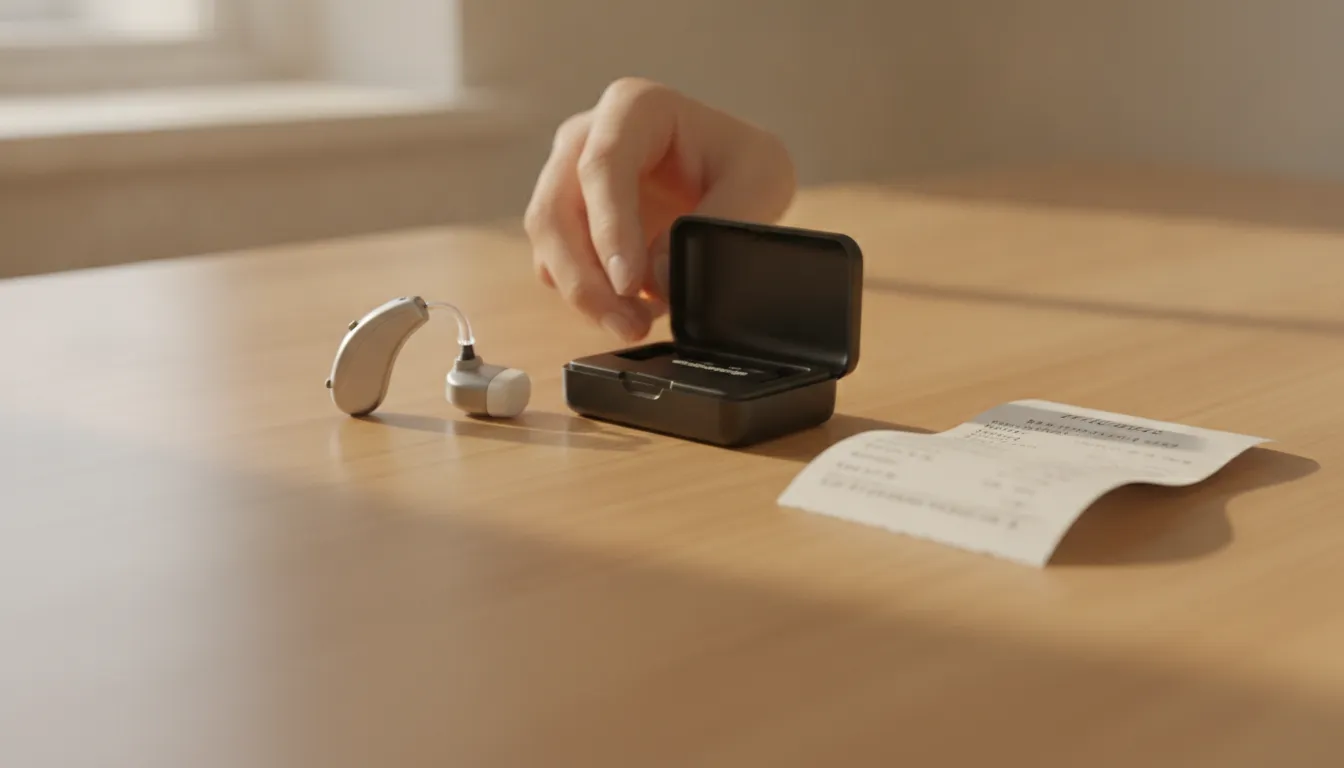
You can generally use an FSA or HSA only for the portion of a qualified expense that insurance or another source did not reimburse. If a hearing aid costs $2,000 and insurance pays $500, the remaining $1,500 may generally be paid or reimbursed with eligible account funds. You cannot claim the same $500 twice.
Ask the seller or hearing-care provider for an itemized invoice. If insurance is involved, wait for the explanation of benefits when necessary so the final patient responsibility is clear. This prevents an accidental duplicate reimbursement and gives the plan administrator a clean record.
Timing rules differ between FSAs and HSAs
For an FSA, eligibility generally depends on when the expense was incurred, not when the bill was paid. The expense normally must fall within the plan year or an applicable grace period. Plans can also set claim-submission deadlines. Review daylii’s overview of the FSA use-it-or-lose-it rule before waiting until year-end.
HSA reimbursement is more flexible. You may generally reimburse yourself later for a qualified expense incurred after the HSA was established. Keep sufficient records, and do not reimburse an expense that another source paid or that you claimed as a tax deduction. Ask a tax professional about your specific records and timing.
See how automated FSA reimbursement can simplify receipt tracking and claims.
What receipts do you need for hearing-aid reimbursement?
A card swipe is not always the end of the process. An administrator may ask you to substantiate the purchase after approving the transaction at checkout. Strong documentation shows what you bought, when you bought it, who provided it, and how much you paid.
Keep these records:
- An itemized receipt or invoice with the hearing aid, battery, repair, or service clearly named
- The purchase or service date
- The provider or merchant name
- The amount paid and the amount requested for reimbursement
- An explanation of benefits when insurance processed part of the cost
- Any administrator-requested supporting statement for an unclear item
A credit-card slip or bank statement alone often proves only that money changed hands. It may not identify the eligible product. Keep the detailed invoice even if you also save the payment confirmation.
When a letter of medical necessity may help
A standard hearing aid usually has a clear medical purpose. A letter of medical necessity is therefore not generally required just because the device was purchased over the counter. An administrator may request more information for an accessory, service plan, or product whose medical use is unclear.
If asked, follow the administrator’s instructions rather than guessing. The administrator may want a provider statement that identifies the condition, recommended item, and expected duration of need. daylii’s receipt and reimbursement guide explains the broader claim process.
How to submit a hearing-aid FSA claim
The exact portal and form vary by administrator, but the core process is consistent. Prepare the documentation before submitting so the reviewer can connect every dollar in the claim to an eligible expense.
- Confirm the account type. Make sure you are using a general-purpose health FSA or HSA rather than a limited-purpose or dependent care account.
- Calculate the unreimbursed amount. Subtract insurance payments, discounts, or other reimbursements from the total expense.
- Collect an itemized receipt. The document should identify the hearing aid or related eligible cost, the date, the merchant or provider, and the amount.
- Submit through your administrator. Upload the requested documents and enter the expense details accurately.
- Respond to requests promptly. If the reviewer asks for an explanation of benefits or clearer receipt, provide it before the claim deadline.
- Retain the final record. Save the approval, receipt, and supporting documents with your benefit records.
If you paid with an FSA card and the administrator later asks for proof, submit the receipt by the stated deadline. If you paid with personal funds, request reimbursement through the administrator’s portal. Learn more about how FSA reimbursement works before filing your first claim.
What if your FSA card is declined?
A declined benefit card does not automatically mean the hearing aid is ineligible. The merchant’s checkout system may not recognize the item, the purchase may combine eligible and ineligible products, or the administrator may require documentation before approving payment.
Ask the merchant to separate eligible items from unrelated purchases. If the card still does not work, pay with another method, request an itemized receipt, and submit a manual claim. Do not repeatedly retry the card without checking the reason, especially if your account balance or plan year may be the issue.
The FSAFEDS eligible-expense search is a helpful reference for federal employees, but your own plan administrator remains the final authority for your claim. Save any eligibility confirmation it provides.
Hearing-aid purchase and claim checklist
Use this checklist before spending FSA or HSA funds:
- Confirm you have a health FSA or HSA that can pay qualified medical expenses.
- Verify that the product is a hearing aid intended to address hearing loss, not merely a personal sound amplifier.
- Ask how insurance benefits will affect your final out-of-pocket amount.
- Request an itemized receipt that names the device, service, battery, or repair.
- Keep the explanation of benefits if insurance reviews the purchase.
- Claim only the amount that was not reimbursed elsewhere.
- Submit FSA documents before your plan’s deadline.
- Save the receipt, claim decision, and supporting documents.
For more help identifying eligible purchases, use daylii’s qualified FSA expenses guide. A few minutes of preparation can prevent a delayed claim and protect important benefit dollars.
Frequently asked questions
Are over-the-counter hearing aids FSA eligible?
Generally, yes. OTC hearing aids intended to address hearing loss are eligible medical expenses under a health FSA or HSA. Keep the itemized receipt and confirm your plan administrator’s documentation rules.
Are hearing aid batteries FSA eligible?
Generally, yes. The IRS identifies batteries needed to operate a hearing aid as medical expenses. Keep a receipt that clearly identifies the batteries rather than only showing the total paid.
Do I need a prescription to use FSA funds for hearing aids?
A prescription generally is not required for an eligible hearing aid, including an FDA-compliant OTC hearing aid. Your plan administrator may still ask for an itemized receipt or other supporting documents.
Can I use an HSA for hearing aids?
Yes. Hearing aids and related eligible expenses can generally be paid or reimbursed from an HSA. Keep records showing the expense was qualified and was not reimbursed elsewhere.
What if my FSA card is declined for a hearing aid?
A card decline does not necessarily mean the hearing aid is ineligible. Pay another way if needed, save the itemized receipt, and submit a reimbursement claim to your plan administrator.
Make hearing-care reimbursement easier
Hearing aids, necessary batteries, and many related care costs generally qualify for health FSA and HSA funds. The best way to protect your claim is simple: confirm the account type, document the exact item, subtract other reimbursements, and meet the plan’s deadline.
Visit daylii to make eligible spending and reimbursement easier.
This article is for general educational purposes only and does not provide tax, legal, medical, or financial advice. Plan terms and individual circumstances vary. Confirm eligibility and documentation requirements with your plan administrator or qualified adviser.