
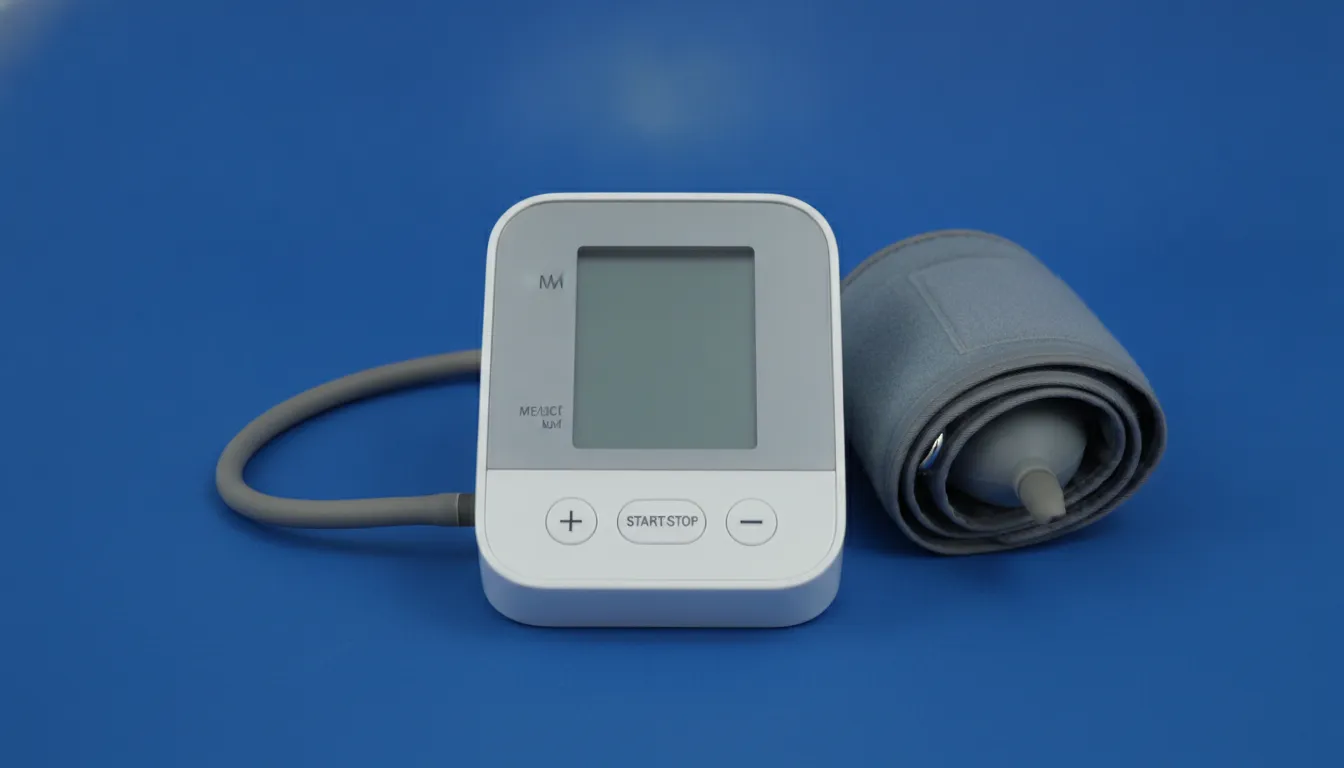
High blood pressure often goes unnoticed until it causes serious damage to your arteries and heart. Tracking your numbers at home with a reliable monitor is one of the best ways to stay ahead of hypertension. Fortunately, you can use your tax-free health funds to buy the equipment you need.
Blood pressure monitors are FSA eligible because the IRS views them as vital testing equipment for heart health. These home monitors help people track their blood pressure and prevent serious issues like heart disease and stroke. Since they count as medical costs, you can use your pre-tax dollars to buy a new unit without a doctor’s note. This also covers parts like extra cuffs or power cords that come with the device. Most retail stores let you use your health benefit card directly, but others may require you to file a claim later. According to industry experts, these devices are standard items for getting money back through most plans. You should always keep your detailed receipts to ensure your purchase follows all your plan rules.
Using your pre-tax dollars for home medical equipment is a smart way to manage your health and your budget. It helps to know exactly what is covered before you reach the checkout counter. To see if your plan covers this essential tool, we need to answer the primary question. Are blood pressure monitors FSA eligible? The guide begins with.
Are blood pressure monitors FSA eligible?
Yes, you can buy a blood pressure monitor with your Flexible Spending Account (FSA) or Health Savings Account (HSA) funds. These tools help people track heart health from home. High blood pressure is a main risk factor for heart disease and stroke. The CDC and the IRS view these units as needed health care. You generally do not need a doctor’s note to buy one. It is a simple way to use your tax-free dollars to stay healthy.
How the IRS defines covered items
The IRS sets clear rules for what counts as a health cost. In IRS Publication 502, they say that care covers the costs to find or stop a disease. Because a blood pressure unit measures the force of blood against your artery walls, it falls into this group. It helps you find and manage health issues before they become big problems. You can buy these monitors at most drug stores or online sites.
To be covered, the unit must be for a real health need. You should use it to track or treat a state like hypertension. Most home units use a cuff that goes around your arm to take a reading. These tools are common and easy to find. Many people choose to buy one so they can share data with their doctor during checkups. Using your FSA for this purchase helps you save money on a tool that protects your long-term health.
Comparing FSA and HSA rules
For most people, both FSA and HSA accounts will pay for a new monitor. You can find a wide range of FSA eligible products that help you watch your health at home. But you must be careful about the type of account you have. A Limited Purpose FSA or a Dependent Care FSA will not cover these devices. Those accounts are only for dental, vision, or child care costs. If you have a standard health FSA, you are likely good to go.
An HSA works in a similar way but often has other rules for how you save. Both accounts let you set aside pre-tax money to pay for health needs. This means you keep more of your hard-earned pay while taking care of your heart. Whether you use an FSA or an HSA, the goal is the same. These accounts make it easier to afford the tools you need to live a better life.
Why your plan manager matters
The IRS gives the broad rules, but your employer may have a shorter list. Your plan manager makes the final choice on what they will pay back. It is always a smart move to check your plan papers first. This helps you avoid any problem when you try to use your card. You should also keep your store receipts for all health tools. Your plan may ask for proof of your purchase later in the year.
Using your funds for a monitor is a smart choice for your health. Modern units can often store many readings to show your doctor. Some can even find signs of atrial fibrillation, which is a common heart rhythm issue. By tracking your numbers, you give your care team the data they need to keep you healthy. Sites like daylii make it easy to see which items are covered and help you file for your money back with no stress.
Which monitors and accessories may qualify?
Most home blood pressure monitors are eligible for FSA reimbursement because the IRS views them as medical tools. These tools help you track health data at home, which can help your doctor plan your care. You can use your FSA funds to buy many types of monitors, from simple manual cuffs to smart units.
Types of eligible monitors
You can choose between different monitor styles based on your needs. The two main types are upper-arm and wrist monitors. Each style must be used to find or treat a health issue to meet IRS medical rules. Many adults have high blood pressure and do not know it, so home tools are a vital part of staying healthy.
Upper-arm units are often best for accuracy, but wrist units can be easier to use for some. Modern digital units often have extra features, like the ability to detect AFib. These units can also save your readings to show trends over time. This gives your care team a full view of your heart health.
| Monitor Type | Best For | FSA Eligible |
|---|---|---|
| Upper-Arm Cuff | Daily home use | Yes |
| Wrist Monitor | Travel and ease | Yes |
| Smart-Connected | Tracking trends | Yes |
| Manual Unit | Low-cost needs | Yes |
Qualified parts and gear
The cost to keep your monitor working is also covered. This means you can use your pre-tax cash to buy parts that wear out. For example, using the right cuff size is key for a true reading. If your cuff is too small or too big, you can buy a new one with your FSA card.
Other parts like tubes, bulbs, and power cords are also covered. You may also buy new batteries or cables to keep your tool ready to use. Just save your receipts for all parts and units. Your reimbursement hub will need these records to show that your spending meets plan rules.
How to verify eligibility before you buy
Confirming that a purchase meets plan rules helps you avoid extra costs. Most people wonder are blood pressure monitors FSA eligible when they first get their benefits card. While IRS Publication 502 defines these as medical costs, the verification step is still key to a smooth claim.
Check retailer labels
Many online shops and local drug stores use symbols to show which items qualify for tax-free funds. Look for an “FSA/HSA Eligible” tag on the product page or store shelf. These labels often mean the store has a system to track medical items. Buying from these shops makes it easier to use your card at the point of sale.
Review plan documents
Even if the IRS allows a purchase, your specific plan might have tighter rules. Your employer can set limits on which costs your plan covers. You should refer to your plan documents for full details before you buy. This ensures you do not waste funds on a tool your specific plan does not support.
Confirm with your administrator
If you are still not sure, call your plan lead to ask about the item. They can check the list of FSA eligible products for your account. This step is helpful for tools that have extra parts like app sync or wireless links. A quick check now saves time later when you file for a claim.
- Find the eligibility label on the item to see if the store thinks it is covered.
- Read your plan guide to check for any special rules from your employer.
- Avoid bundled extras like non-medical apps or beauty items that are not covered.
- Save your item receipt to prove the cost was for a medical tool.
- Check the validation status on the American Heart Association website to ensure it is a high-quality monitor.
What records should you keep for reimbursement?
Card use vs. manual claims
You can often use your benefits card at the store to pay for health tools. This method is fast and easy. But your card might not work every time you try to use it. Many people find that their are blood pressure monitors FSA eligible cards get declined. If this happens, you will need to pay with your own money first. Then you can ask for your money back from your plan.
Even if the card works, you must still keep your records. Your plan manager might ask for proof of the buy later on. They need to see that you used the money for a real health need. If you cannot show proof, they may ask you to pay the money back. This is why saving your shop slips is important for every use. This process is part of qualified medical expense rules that the IRS sets for all plans.
In some cases, you might also need a LMN for blood pressure monitors from your doctor. This letter explains why you need the tool for your care. Most standard monitors do not need this extra note. But if you buy a special model, it is good to have the letter ready. Your doctor can give you this note during your next visit.
Full receipt details
A simple credit card slip is not enough for your plan. You need a full receipt from the shop. This type of record gives more detail about what you bought. Most plans want to see four main things on the slip. These details help show that the item fits the rules for your account. If any part is missing, the plan might reject your claim.
Your receipt should show these key facts:
- The date you bought the item.
- The name of the item (like “blood pressure monitor”).
- The name of the shop or the person who gave the service.
- The final cost you paid.
If you buy a tool at a drug store, the slip will usually have all this info. But if you buy from a small shop, you might need to ask for a better receipt. Make sure the name of the tool is clear on the page. If the receipt just says “medical supply,” the plan might ask for more detail. It is best to get the right slip while you are still at the shop.
Keep records in order
It is a good idea to keep your health records in one safe spot. You can save them in a folder at home or scan them into your phone. Many people lose their slips over time. If you lose the proof, you might lose your chance to get paid back. Keeping a digital copy makes it easy to find what you need when you file a claim.
You can use the daylii reimbursement hub to track your claims. This tool helps you see what you have already filed. It also shows you if you still need to send in more proof. Staying on top of your records helps you use all your benefit funds before the year ends. This way, you do not lose the money you worked hard to save.
Remember that many FSAs have a “use it or lose it” rule. This means you must spend the money by a set date or you will lose it. Keeping your receipts in order helps you file claims fast. You do not want to rush at the end of the year. Good records ensure you get every dollar back for your health tools.
A comparison-focused buying checklist
Buying a blood pressure monitor is a smart step for your heart. High blood pressure is a major risk factor for heart disease and stroke. Not all tools are the same, so you should choose a model that fits your health goals. You can use your FSA funds for this buy to save money. This helps you track your health without a high cost. Knowing the answer to are blood pressure monitors FSA eligible lets you shop with ease.
Focus on proven accuracy
The most vital part of a home monitor is its accuracy. You should pick a device that has been tested and proven to work well. Many groups suggest that you use a validated home blood pressure monitor for the best results. You can find a list of these devices on health group websites. This ensures that the data you give your doctor is right and helpful for your care plan. A proven tool gives you peace of mind with every check you do at home.
Pick the best fit and features
A good fit is a must for a correct reading. If the cuff is not the right size, your numbers will be wrong. Measure your arm before you shop to find the best match for your body. You may also want a device with memory storage and a clear screen. Many digital models can store many readings so you can see trends over time. A large, bright screen makes it easy to read your data in any light. Some tools can also find signs of AFib or sync with an app on your phone.
Use your FSA funds
Most home monitors are FSA eligible products under federal tax rules. This means you can buy them with your pre-tax benefit card. The IRS lists these tools as qualified medical costs in Publication 502 for easy reference. Some stores make it simple to pay at the checkout with your card. Even if the sale is fast, you should always save your store receipts. Your plan may ask for a copy of the receipt to prove the item was a medical tool.
- Look for a device that is proven to be accurate by health groups.
- Get the right cuff size for your arm to avoid wrong data.
- Choose a screen that is large and easy for you to read.
- Find a model that stores your past readings to track your health.
- Check for a warranty that lasts at least one year to protect your buy.
- Ensure the item is on the list of medical tools your plan covers.
- Look for a device that is simple to start with just one touch.
What if your benefits card is declined?
Why cards fail
It can be a letdown when your card fails at the shop. You know the items are valid, but the system says no. This often happens due to a mixed cart. If you buy a blood pressure tool along with milk or bread, the shop may not know how to split the bill. Many people ask, are blood pressure monitors FSA eligible even if the card fails? Yes, they are. But the store must have the right tech to read your card. If the store list is old, it might block the sale.
A lack of a clear label can also cause a fail. The card reader may not see the health code for the item. In these cases, the card stops the sale to keep you from using funds on other items. This step is for your safety, but it is a pain when you just want your health gear. It is best to shop at stores that know how to handle these cards.
The role of store tech
Some shops do not have the right tools for these cards. They might not be part of a group that tags items for health plans. The store might not see that your items are valid. This does not mean the item is not covered. It just means you cannot pay for it right now with that card. You may find that big shops are better at this than small ones.
Check your total before you head to the store. If you have no funds left, the card will not work. Some plans have a rule where you must use the money by a set date. If you wait too long, you might lose the funds. Check your plan for a “use it or lose it” rule so you know how much you can spend.
Fixing a card decline
If your card fails, do not worry. You can still use your own money to buy the item. Just make sure to keep your bill as proof. The IRS asks that you keep all receipts to show the cost was for a real health need. After you buy the tool, you can ask for a refund from your plan. This is called a claim. You will need to send a scan of your bill to get your money back.
Keep proof even if the card works. Your plan might ask for more data later to prove it was a health cost. Using a tool like daylii to scan and save your bills right away is a smart move. This keeps your files safe and makes it easy to get your money back if you ever need to file a claim. You can also look into the reimbursement hub for more tips on how to get paid back fast.
Frequently Asked Questions
Can I buy a blood pressure monitor with my FSA card?
Yes, you can buy a blood pressure monitor with your Flexible Spending Account (FSA) or Health Savings Account (HSA). The IRS considers these devices as qualified medical equipment. According to IRS Publication 502, items used to treat or prevent a disease are eligible for tax-free funds. You can use your health card at most pharmacies or online stores. This helps you track your heart health without paying out of pocket.
Do I need a prescription to buy a monitor with HSA funds?
You do not need a prescription to buy a blood pressure monitor with your HSA or FSA funds. These units are over-the-counter medical tools that anyone can buy. While some items need a doctor’s note, home monitors are generally pre-approved. Experts at Lively state that these devices are standard medical costs. This makes it easy to get the tools you need to manage your health at home without a clinic visit.
Can a home blood pressure monitor detect AFib?
Some advanced home blood pressure monitors can find signs of atrial fibrillation (AFib). This is a common heart rhythm problem that often goes unnoticed. The American Heart Association notes that some modern units include this feature. While these monitors are not a substitute for a doctor, they provide extra data about your heart. Buying a unit with this feature is still a covered cost for your FSA or HSA plan.
Are blood pressure monitor cuffs and accessories FSA eligible?
Yes, replacement cuffs and other accessories for your blood pressure monitor are usually FSA eligible. If you need a different size cuff to get an accurate reading, your pre-tax funds can cover the cost. According to IRS rules, the parts needed to make medical equipment work are also qualified costs. This includes items like power adapters or storage cases that come with your unit. This ensures your home testing stays reliable and easy to use.
Why was my FSA card declined for a blood pressure monitor?
Your FSA card might be declined if the store does not have a system to verify medical items. Some shops cannot tell which products are eligible at the checkout. In these cases, you may need to pay with a personal card and file a claim. You should also check your plan rules, as some accounts like a Limited Purpose FSA do not cover monitors. Always keep your receipts to show your purchase followed IRS rules for health costs.
Ready to start shopping with confidence today?
Many people lose their health account funds every year because they do not spend them in time, so you should use your money now. Do not let your hard-earned cash go to waste when you can use it to get the tools you need to stay in good health. If you wait too long to use your tax-free dollars, you might lose the chance to take care of your long-term health plan.
Ready to start shopping with confidence? Contact us to start shopping with confidence and find the right tools for your health care needs. Our team can help you use your health account dollars before they expire so you can stay healthy and save money too.