

Are menstrual products FSA eligible? Yes. The CARES Act made tampons, pads, liners, menstrual cups, period underwear, and other qualifying period care products eligible for standard FSA, HSA, and HRA funds without a prescription. The key is buying a qualifying item and keeping an itemized receipt.
Check daylii’s guide to FSA and HSA eligible products before you shop.
Whether menstrual products are FSA eligible is no longer a question for most people with these plans. Since the passing of the CARES Act in 2020, you can use your pre-tax funds for many period care items. This includes tampons, pads, liners, menstrual cups, and period underwear. You can also use your health savings account (HSA) or health plan to buy these products without a doctor’s note. The rule makes it easy to save on health needs that used to be paid for with after-tax cash. According to the IRS, these items are now medical costs you can pay for with your tax-free funds. This shift helps you manage your health budget with more ease every month.
Knowing the rules for your account helps you shop with more ease. We can help you follow these updates so you never miss a chance to save on your health costs. To learn the details of Are menstrual products FSA eligible under the CARES Act? the path begins with
Are menstrual products FSA eligible under the CARES Act?
Yes, menstrual products are fully eligible for your Flexible Spending Account (FSA). Before the CARES Act was signed in 2020, many of these items were called personal care products. This meant you could not use pre-tax funds to buy them without a note from your doctor. Now, you can use your FSA and HSA eligible products funds for a wide range of period care items without a prescription.
How the CARES Act changed the rules
The CARES Act brought big changes to health care spending rules. This law made many over-the-counter items eligible for tax-free spending for the first time in years. According to the IRS, the cost of menstrual care products is now a qualified medical expense. These new rules apply to any purchases you made after December 31, 2019. This shift helps you keep more of your money while managing your monthly health needs.
This update affects more than just standard FSAs. It also applies to Health Savings Accounts (HSAs) and Health Reimbursement Arrangements (HRAs). At daylii, we know it can be hard to track these rule changes. That is why we built tools to help you find FSA eligible expenses quickly. By using these pre-tax funds, you can save about 30% on items you already buy every month.
Types of products you can buy
The list of eligible items is long and covers almost all common period care options. You can use your funds for basic supplies like tampons, pads, and panty liners. It also includes reusable choices like menstrual cups, discs, and sponges. Even newer products like period underwear are now on the list of allowed items. You do not need a prescription from a doctor to buy these, which makes the checkout process much faster.
- Tampons and pads
- Menstrual cups and discs
- Period underwear
- Panty liners
- Menstrual sponges
But keep in mind that not every plan is the same. For example, these products are often not covered by a limited-purpose FSA. Those plans are usually for dental and vision costs only. Always check your specific plan details if you have any doubt. Most standard health FSAs will cover these items without any issues.
How to get reimbursed for your purchases
Most people find it easiest to use their FSA debit card at the store. When you swipe the card, the system should see that the item is eligible and let the sale go through. If your card does not work or if you shop at a place that does not take FSA cards, you can still get your money back. You will just need to pay out of pocket first and then ask your plan manager for a refund later.
To do this, you must keep an itemized receipt for every purchase. The receipt needs to show the date, the store name, and the specific item you bought. You can then upload this to your plan’s app to start the claim. Saving these receipts is also important for your tax records. It proves that you used your pre-tax dollars for a real medical cost. Keeping good records ensures you get your money back fast and stay in line with IRS rules.
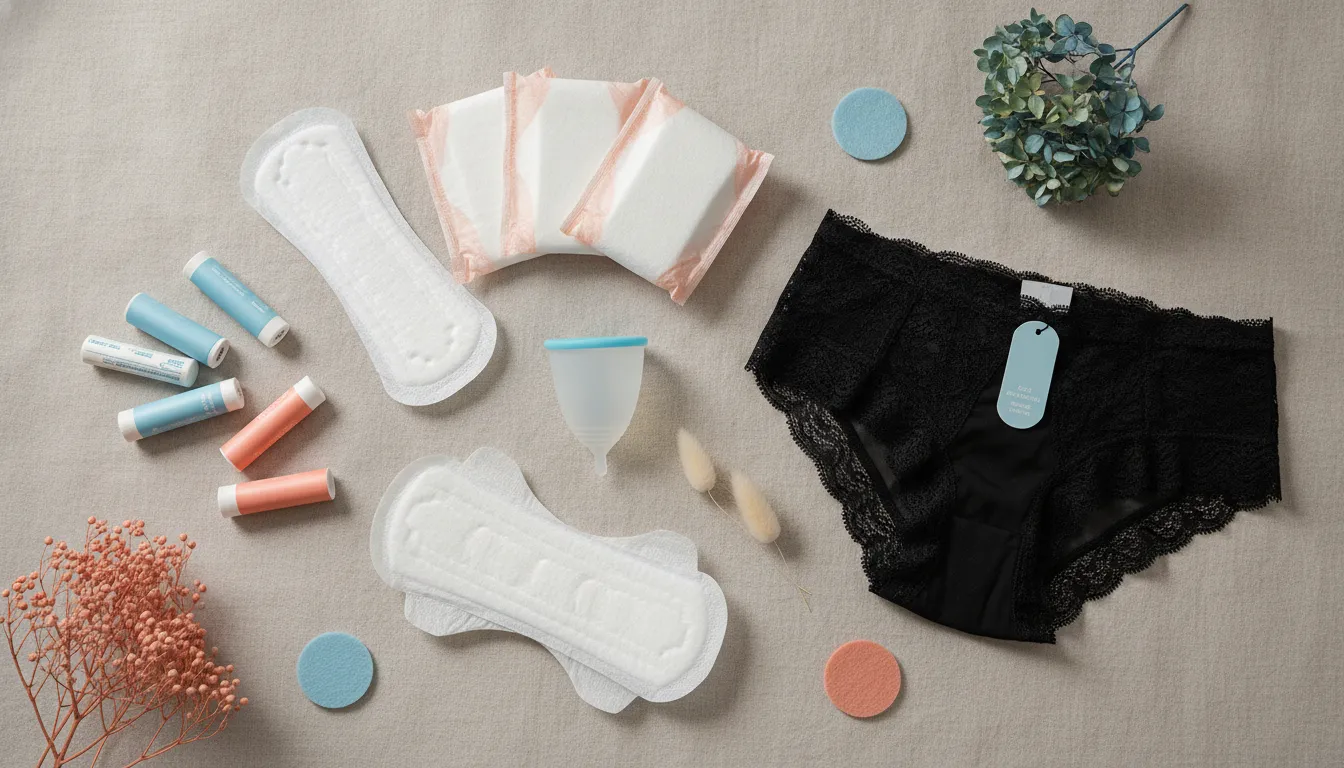
Which menstrual products qualify for FSA reimbursement?
Are menstrual products FSA eligible? This is a common question for many people with health accounts. For a long time, period care was a hard area for tax-free spending. Before the year 2020, you often needed a note from a doctor to use your funds for these items. But a new law changed the rules for good. Now, many items are FSA and HSA eligible products without any extra steps. As a result, millions of people save money on things they need every month. At daylii, we want to help you use every dollar of your health benefits with ease.
How the law changed for you
For a long time, tax rules treated period care in a different way than other health needs. Most people had to buy these items with their own cash after taxes. This cost was a heavy load for many families to carry. In 2020, the CARES Act became law to help with health costs. This law made a big change for health spending accounts. It added a wide range of goods to the list of things you can buy with pre-tax cash. This means you no longer need to see a doctor to use your funds for these items. It makes your health care much more simple and fair.
Common items you can buy
When you shop at the store, most of the major products now qualify. Pads and tampons are the most common items on the list. But you can also buy panty liners and sponges with your account funds. As the IRS says, these items are now seen as medical costs. You can buy them at your local drug store or from online shops. Many people use their benefit card right at the checkout for these goods. This makes it easy to use your funds without any extra work. If the store does not take your card, you can still buy them with your own cash. Just keep your receipt so you can get paid back from your account later. This helps ensure you do not lose your benefit dollars at the end of the year.
New and reusable options
Many people now choose items you can use again to save money and help the earth. Menstrual cups and discs are high on the list of eligible goods. These items can last for a long time, which helps you save a lot in the long run. Period underwear is another great choice that is now covered. These products use special layers to stop leaks and replace the need for pads. Since they serve a medical use, they are FSA eligible expenses. Using your pre-tax dollars for these items is a smart way to use your health budget every month. At daylii, we help you find these new options so you can manage your cycle with confidence.
Items that do not qualify
While many things are on the list, some items still do not fit. The rule is that the item must have a medical use. General health items like soaps, perfume, or body washes do not meet this bar. Even if a product is sold for feminine care, it might not be covered. Sprays and powders are also usually left off the list. Also, you cannot buy regular clothing with your funds. Standard bras, socks, or underwear are not medical needs. Only items built for period care can be paid for with your pre-tax money. If you are not sure, you can check your plan rules to be safe.
| Product Type | Eligible? | Why or Why Not |
|---|---|---|
| Tampons and Pads | Yes | Built for period care use. |
| Menstrual Cups | Yes | Reusable medical items for flow. |
| Period Underwear | Yes | Built to absorb period flow. |
| Feminine Washes | No | Seen as general hygiene or soap. |
| Regular Clothing | No | Not built for a medical need. |
Why period underwear and adjacent products need a closer look
The rules for what counts as a health cost changed in 2020. This shift made many people ask: are menstrual products FSA eligible? While basic items like pads and tampons are now clear, other goods can be more complex. You should check how your plan works before you buy them.
Mixed use and period underwear
Goods that serve more than one use can be hard to track. For example, period underwear is now on the IRS list of qualified items. These items help people manage their health with less waste. But some brands sell sets that include non-health items. If a set has a bag or a soap, the full cost might not fit your plan rules. It is best to look for clear bills that list each item on its own.
Kits and product bundles
Buying a kit can save time, but it may cause issues at checkout. Many stores group FSA and HSA eligible products with things that do not count. The CARES Act allows for many new items, but it does not cover everything in a kit. If the main part is a menstrual cup, that part is fine. But if the kit has a “bonus” item like a face mask, your card might get declined. You can solve this by buying items one by one or checking for a box with a clear label.
Plan rules and accessories
Even though the law changed, your own plan might have its own limits. For instance, most people can use funds for cups or discs. But some limited-purpose accounts do not cover these items at all. Also, items like special wash or cases are often not covered. You should always save your bills if you buy these out of pocket. This way, you can show your plan manager exactly what you bought if they ask for proof later.
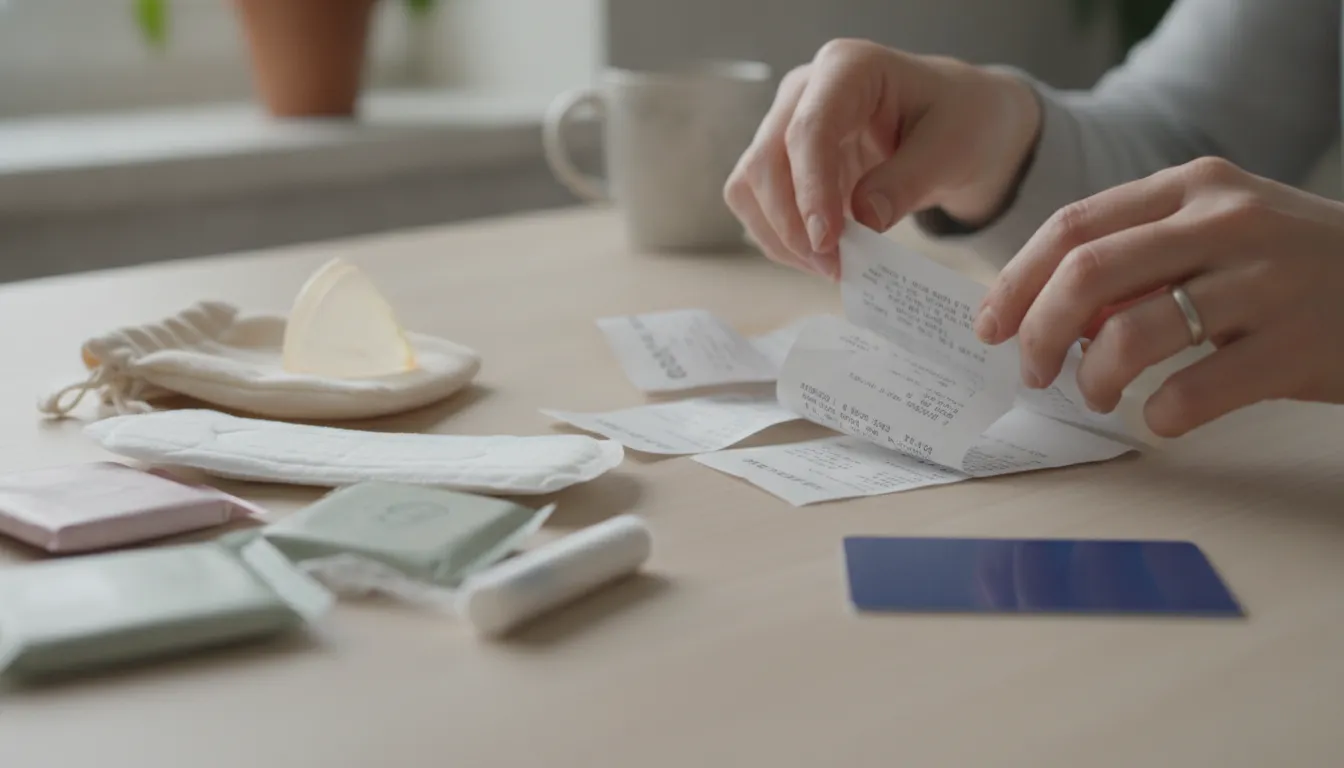
How to buy and claim menstrual products with an FSA
Many people ask, are menstrual products FSA eligible for easy purchase? The short answer is yes. Since the CARES Act passed in 2020, you can buy these items with your tax-free funds. You do not need a prescription from a doctor. The updated rule makes it simpler to use your benefits for daily health needs. The daylii platform helps you track these costs so you never lose out on your funds.
Start with your plan type
Before you shop, check which account you have. Most standard health FSAs allow these buys. But some special accounts, like a limited-purpose FSA, may not cover them. These plans often focus only on dental or vision care. Most people with a normal plan will have no issues. You can check your plan docs to be sure of your FSA eligible expenses. Knowing your plan rules early saves time and stress at the checkout.
Pay for your items
The easiest way to shop is with your FSA debit card. Most big stores and drug stores know which items are on the FSA and HSA eligible products list. When you scan a pack of pads or a cup, the card should pay for it. If you do not have a card, you can pay with cash or a personal credit card. You will just need to ask for your money back later from your plan manager.
- Check your plan to see if it covers period products under standard IRS rules.
- Shop at a store that accepts FSA debit cards for quick payment when you check out.
- Save the itemized receipt that shows the date, the store, and exactly what you bought.
- Log into your plan’s web portal to start a new claim if you paid with your own cash.
- Upload a clear photo of your receipt to prove the item is a valid health expense.
- Wait for your plan manager to review the claim and send the money to your bank.
Submit and track claims
If you did not use an FSA card, you must file a claim. This process is usually quick on your plan’s website or app. You will need to tell them how much you spent and when. The most vital part is the itemized receipt. A simple credit card slip is not enough. The receipt must list the product name clearly. This shows the manager that you bought a valid item like a cup or pads.
Even if your card works, keep your receipts. The IRS says you should save receipts for your records to prove the spending was valid. Your plan manager might ask for proof weeks after you shop. A digital photo of the receipt is often the best way to keep a record. Having these files helps you avoid tax issues or account freezes. It also ensures you get every dollar back that you are owed.
Sometimes an FSA card may get declined at the register. This does not mean the item is not covered. It might mean the store has not changed its list of items. If this happens, do not worry. You can still buy the items with your own money. Just keep the receipt and file a claim later. Most plans will pay you back once they see the proof. This keeps your health care simple and stress-free.
See how an FSA can reduce the after-tax cost of eligible everyday healthcare purchases.
Make menstrual care part of your FSA planning
You can save money by adding menstrual care to your yearly health budget. Since the 2020 CARES Act, many FSA eligible expenses now include tampons, pads, and other items. Planning for these costs helps you use every dollar in your account and avoids a rush to spend funds at the end of the year.
How to estimate your annual costs
Start by looking at what you spend each month on period products. Most people spend between $10 and $20 every month. Over a full year, this adds up to about $120 to $240. You can use these numbers to set your FSA goal during your open enrollment period. This simple step ensures you have enough pre-tax money to cover your needs without overfunding your account.
Keep in mind that prices for these items can change. It is smart to add a small buffer of about 10% to your total guess. This way, you will not run out of funds if your favorite brand gets more expensive. You can find a full list of FSA and HSA eligible products to help you plan your total health spend for the year.
Avoid the end of year panic
Many FSA plans have a “use it or lose it” rule. This means you must spend your funds by a certain date or you lose the money. If you have extra cash in your account as the deadline nears, buying menstrual products is a great way to use it. These items do not expire quickly, so you can stock up for the next year. This helps you avoid losing your hard-earned money to plan rules.
Check your plan to see if you have a grace period or a rollover option. Some plans give you extra time to spend old funds, while others let you move a small amount to the next year. The IRS rules allow for these options, but your plan manager decides which ones to use. Always look at your plan details early so you can shop before the year ends.
Coordinate with your household
If more than one person in your home has a period, your costs will be higher. You can use one FSA to buy products for everyone in your family. This is a good way to manage your health spending in one place. Just make sure to keep your receipts in case your plan manager needs to see them. Saving your records is a key part of using your tax-free funds correctly.
You can also check if you have an HSA. Unlike an FSA, HSA funds never expire. You can still use these funds for the same products, but you do not have the same year-end rush. Whether you use an FSA or an HSA, tracking your family’s needs will help you stay on budget and save on taxes all year long.
Do HSA and HRA rules cover menstrual products too?
Yes, your health savings account (HSA) and health reimbursement arrangement (HRA) both cover these items. Before 2020, people often had to pay for these goods with their own post-tax money. But the law changed how we can use our pre-tax health funds. Now, many people ask are menstrual products FSA eligible and the answer is a clear yes across most plan types.
The role of the CARES Act
In 2020, the CARES Act updated the rules for many tax-saving health accounts. This law added period items to the list of “qualified medical expenses.” This shift means you can use your HSA or HRA to buy these products without a note from your doctor. This also applies to Archer Medical Savings Accounts (Archer MSA). Based on the Internal Revenue Service (IRS), these new rules apply to any items bought after December 31, 2019.
This change helps many people save money on things they need every month. Since these accounts use pre-tax dollars, you really pay less for each item. You do not need a doctor’s note to use your funds for these goods. This makes it much easier to manage your health costs. By using your pre-tax funds, you can lower your tax bill while you care for your body.
Eligible menstrual care items
The list of covered items is broad. It includes common goods like tampons, pads, and liners. It also covers multi-use options such as menstrual cups, discs, and sponges. You can even use your funds to buy period underwear. These items were once a point of a mix-up for many users. The law defines these products as any items used to care for a period.
If you are unsure if an exact brand is covered, you can check your plan’s full list of FSA and HSA eligible products online. Most stores will also mark these items as “FSA/HSA eligible” on the shelf or on their website. At daylii, we help you find these items with our AI tool. This tool checks products against the latest IRS rules to save you time. If you pay out of pocket, make sure to save your listed receipts. You will need them to get your money back from your account aide.
Exceptions for specific accounts
While most accounts allow these costs, some special plans have strict limits. For example, a limited-purpose flexible spending account (LPFSA) usually only covers dental and vision care. Because of this, you often cannot use an LPFSA to buy menstrual goods. Dependent care accounts (DCFSA) also do not cover these items. Those plans are meant for child care or elder care costs only.
Always check with your plan aide to see if they have extra rules. While the IRS sets the base rules, some may ask for more proof of purchase. Knowing which account you have will help you avoid spending mistakes. Using your funds the right way ensures you keep more of your hard-earned money. If your plan uses a debit card, the checkout process is often very simple. If not, the claim process for these items is now as easy as any other health cost.
Explore more eligible expenses so you can plan the rest of your tax-free healthcare spending.
Frequently Asked Questions
Which menstrual products can I buy with my FSA?
You can use your flexible spending account to pay for many items used during your period. This includes tampons, pads, and liners. Newer items like cups, discs, and period underwear are also on the list. As shown by the IRS, these items are now seen as needed health goods. You can therefore get them with your pre-tax funds. This law change helps people save money on health tools they use every month.
Is a prescription required for period products under the CARES Act?
No, you do not need a note from a doctor to buy menstrual care items with your FSA. Before 2020, rules made it hard to buy over-the-counter goods with pre-tax money. But a new law called the CARES Act changed those rules. Now, you can pick up the supplies you need at a store or online without any extra forms. This makes it simple to use your daylii account for your daily health needs.
Can I use a limited-purpose FSA for menstrual supplies?
Most of the time, you cannot use a limited-purpose account for these items. These special plans are often set up to cover only dental and eye care. People who have one often have a health savings account too. If you want to buy pads or cups with pre-tax cash, check your plan rules. As noted by the FSA Store, these products are often not part of limited-purpose plans. Always ask your plan team to be sure.
How do I get paid back for menstrual products bought with my own cash?
If you pay for period products with your own money, you can still get your funds back. You must save your store receipts as proof of what you bought. Then, you can send a claim to your plan team. They will check your receipt and pay you back from your account. The IRS says you should keep these records to show that your spending was for valid medical care items. This helps you use all your tax-free money.
Are you ready to use your tax-free cash with total ease?
Waiting to use your FSA or HSA funds means you risk losing that tax-free money when the year comes to a close. Starting now helps you avoid the year-end rush and lets you get the health items you need with far less stress. Check our list of FSA and HSA eligible products to see just how easy it is to save your hard-earned cash today.
Ready to save? Call (561) 715-1096 to explore daylii’s smarter health engagement experience. We are truly here to help you manage your funds, keep more of the money you earn each month, and feel sure about every single buy you make.