
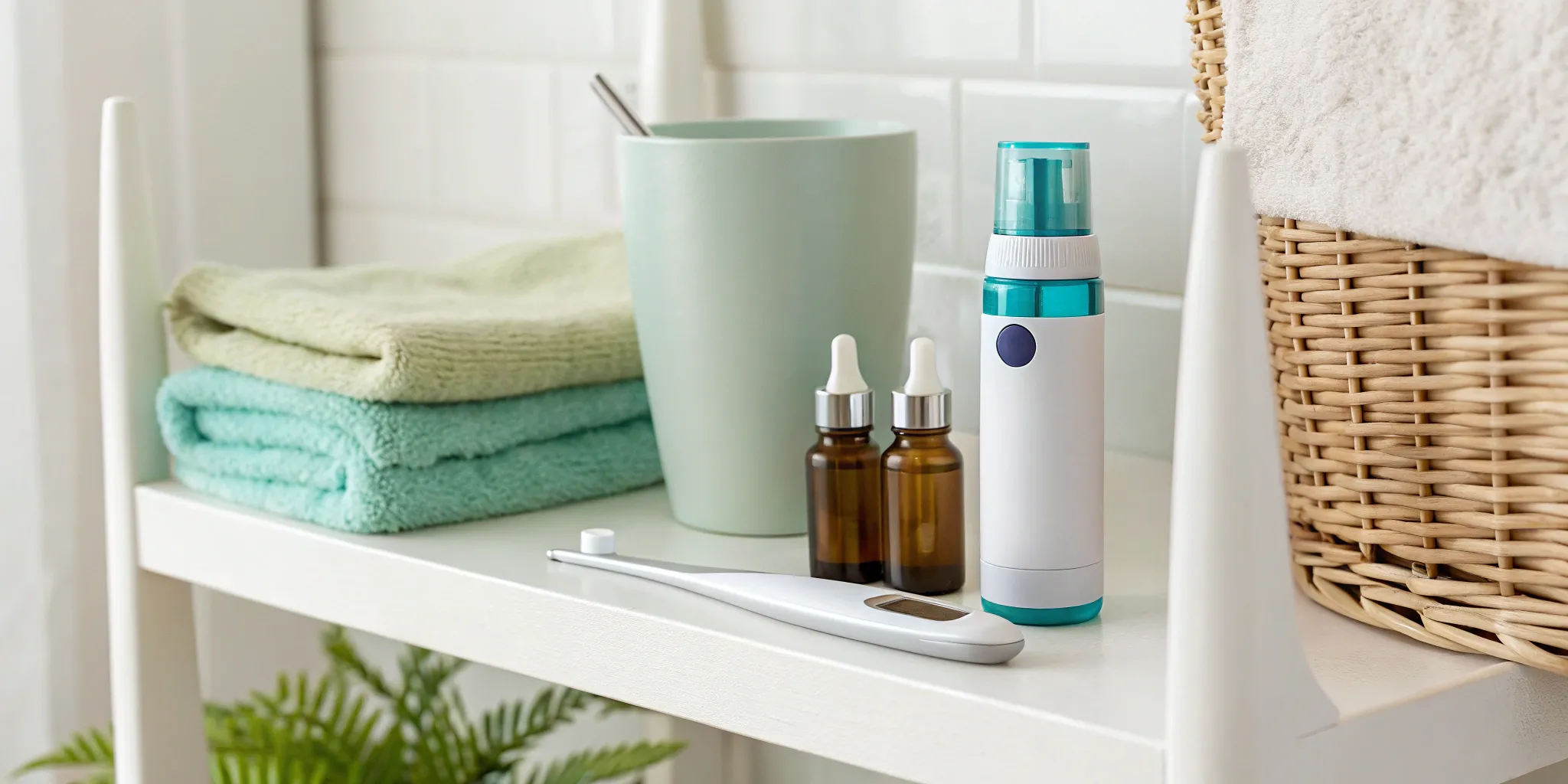
Many of us view healthcare spending as something reactive—money we use only when we get sick. But your HSA can be a powerful tool for proactive wellness, helping you invest in your long-term health. Beyond covering co-pays, your account can be used for items that help you stay healthy, like fitness equipment or supplements, often with a simple doctor’s note. This shifts the focus from treatment to prevention. To do this effectively, you need to know the rules. We’ll explore how to use your funds for a wider range of HSA eligible products that support your personal wellness goals.
Key Takeaways
- Your HSA Covers More Than You Think: Go beyond co-pays and prescriptions by using your tax-free funds for everyday items like sunscreen, first-aid kits, and feminine care products. A Letter of Medical Necessity from your doctor can also qualify wellness purchases like supplements or fitness equipment.
- A Quick Check Prevents Costly Mistakes: Before buying, verify an item’s eligibility to avoid income tax and a 20% penalty on non-qualified purchases. Use online HSA stores or mobile apps that let you scan barcodes for an instant, confident answer.
- Plan Your Spending Strategically: Make your HSA dollars go further by prioritizing essentials first, like pain relievers, vision care, and first-aid supplies. Covering these basics with pre-tax money is a smart way to manage your health budget effectively.
What Can I Buy With My HSA?
If you think your Health Savings Account (HSA) is just for doctor’s appointments and prescriptions, you might be surprised. Your HSA is a powerful tool that can cover a wide range of products and services to support your overall well-being. Many people don’t realize just how flexible these accounts can be, often leaving valuable, tax-free money unused at the end of the year. From the items in your medicine cabinet to the gear that keeps you healthy, understanding what you can buy is the first step to making the most of your pre-tax dollars.
Using your HSA effectively is all about knowing the rules and recognizing the opportunities to pay for health-related expenses with a financial advantage. The list of eligible items is constantly evolving, but it generally includes products and services meant to treat, diagnose, or prevent a medical condition. This opens the door to much more than just co-pays. Let’s break down some of the key categories of eligible expenses so you can feel confident when you shop.
Over-the-Counter Medications
Your first-aid kit and medicine cabinet are great places to start spending your HSA funds. You can purchase common over-the-counter items like pain relievers, allergy pills, cold and flu medicine, and antacids without needing a prescription. But it doesn’t stop there. Many popular preventative health products—like certain vitamins, supplements, and even fitness equipment—can also qualify. For these items, you’ll typically need a Letter of Medical Necessity (LMN) from your doctor that confirms they are part of a specific treatment or prevention plan. This simple piece of documentation can help you use your HSA for items that support your proactive health goals.
Medical Devices and Equipment
Your HSA can cover a wide range of medical expenses, from simple supplies to more complex equipment. The main rule is that the item must be used primarily to help with or prevent a physical or mental illness. This includes everyday first-aid items like bandages, thermometers, and antiseptic wipes. It also covers more significant purchases such as blood pressure monitors, crutches, wheelchairs, and hearing aids. Even diagnostic tools like pregnancy tests and blood sugar test kits are eligible. Think of it this way: if a device helps you monitor, manage, or treat a health condition, there’s a good chance you can buy it with your HSA funds.
Everyday Wellness and Personal Care
This is a category where many people are surprised to learn what’s covered, often leaving money on the table that could have been spent tax-free. Your HSA can be used for many everyday wellness and personal care items that you might already be buying. Sunscreen (SPF 15+), contact lenses and cleaning solution, prescription eyeglasses, and acne treatments are all eligible. Feminine hygiene products, including tampons, pads, and menstrual cups, are also covered. By understanding the full scope of eligible products, you can integrate your HSA spending into your regular shopping routine and make your healthcare dollars go further.
Is This Product HSA-Eligible? Here’s How to Check
Figuring out if a product qualifies for your Health Savings Account (HSA) can feel like a guessing game, but it doesn’t have to be. With a little know-how, you can shop with confidence and make the most of your tax-free funds. The key is knowing where to look for answers and which common myths to ignore. Let’s break down a few simple ways to verify if that item in your cart is HSA-approved.
Understanding the Official IRS Rules
The IRS has one main rule of thumb: for an item to be HSA-eligible, its primary purpose must be medical. This means it should help diagnose, treat, prevent, or manage a specific health condition. Think bandages, blood pressure monitors, and prescription glasses. If you ever want to go straight to the source, the IRS publishes detailed guides like Publication 502, which lists qualifying medical expenses. While it’s a dense read, it’s the ultimate authority. When in doubt, a quick call to your HSA provider is also a great way to get a clear answer before you buy.
Using Product Verification Tools
You don’t have to memorize IRS documents to shop smart. Thankfully, there are tools that do the heavy lifting for you. Many online retailers have dedicated sections that make finding what you need simple. For example, you can browse Amazon’s FSA & HSA Shop to see thousands of pre-vetted items. There are also mobile apps designed to help you check eligibility on the go, some of which even let you scan a product’s barcode for an instant answer. These resources take the guesswork out of the equation and help you stick to your budget.
Common Myths About HSA Eligibility
A lot of people think HSAs are only for big expenses like doctor visits and prescriptions, but that’s one of the biggest myths out there. Your account can actually cover hundreds of everyday health-related items. On the flip side, it’s important to know what isn’t covered. Cosmetic procedures, like teeth whitening, don’t qualify because they’re for appearance, not medical necessity. The same goes for general wellness products, such as standard vitamins or personal hygiene items, unless they’re prescribed by a doctor for a specific condition. Understanding this distinction is key to using your HSA funds correctly.
When Do I Need a Letter of Medical Necessity?
While things like bandages and pain relievers are straightforward HSA purchases, what about items that support your broader wellness goals? Think supplements, a gym membership, or even an infrared sauna blanket. This is where a Letter of Medical Necessity (LMN) comes in. An LMN is essentially a formal note from your doctor that verifies a specific product or service is necessary to treat, prevent, or manage a medical condition.
Getting an LMN can open up a whole new world of HSA-eligible expenses that go beyond the pharmacy aisle. It’s the key to using your pre-tax dollars on things that contribute to your overall health in a more proactive way. If you’ve ever wondered if you could use your HSA for a Pilates class to help with back pain or for specific vitamins your doctor recommended, the answer is often yes—as long as you have that official documentation. It’s an extra step, but it’s one that empowers you to use your health savings in a way that truly fits your personal needs.
For Supplements and Vitamins
It’s one of the most common questions we get: Can I use my HSA for vitamins and supplements? The answer is a conditional yes. While you can’t just grab a bottle of multivitamins off the shelf and pay with your HSA card, you absolutely can if your doctor recommends them for a specific medical reason. For example, if you have an iron deficiency and your doctor prescribes iron supplements, an LMN makes them an eligible expense. The same goes for probiotics to manage a digestive issue or Vitamin D for a diagnosed deficiency. The letter simply needs to connect the supplement to your specific health needs.
For Fitness and Wellness Devices
Your HSA can also support your fitness and wellness routines, provided you have the right paperwork. Many popular preventative health products can qualify with an LMN. This includes gym memberships prescribed to treat a condition like obesity or heart disease, at-home fitness equipment to aid in physical therapy, or even massage therapy to manage chronic pain. The key is that the item or service must be for a diagnosed medical condition, not just for general wellness. Your doctor’s note is what makes that official distinction for the IRS.
How to Get the Right Documentation
Getting an LMN is simpler than it sounds. Start by scheduling a conversation with your doctor. Explain the product or service you believe will help with your medical condition and ask if they will write a letter for you. The letter should clearly state what the item is, what medical condition it’s treating, and that it’s medically necessary for you. Once you have the letter, keep it for your records. It’s always a smart move to check with your HSA provider before making the purchase, just to be certain you have everything in order.
How to Prioritize Your HSA Spending
With a long list of eligible items, figuring out where to spend your HSA dollars first can feel a little overwhelming. The best approach is to think about your health needs in tiers, starting with the absolute essentials. This isn’t about strict rules, but about creating a smart spending plan that works for you and your family.
Think of it as building a foundation for your health. You’ll want to start with the items that address immediate pain or discomfort, then move on to routine care that prevents future issues, and finally, consider products that support long-term wellness. Let’s walk through a simple way to organize your spending.
Pain Relief and First-Aid Essentials
Stocking your medicine cabinet is one of the smartest first steps you can take with your HSA funds. These are the items you’ll be grateful to have on hand when a headache, scrape, or sudden cold strikes. Think about over-the-counter pain relievers, allergy medicine, bandages, antiseptic wipes, and other first-aid supplies. By purchasing these necessities with pre-tax money, you’re essentially getting a discount on products you’d be buying anyway. Covering these basics ensures you’re prepared for life’s small emergencies without having to make a last-minute, out-of-pocket purchase.
Vision and Eye Care
Your eye health is a crucial part of your overall well-being, so it deserves a spot high on your priority list. You can use your HSA to pay for a wide range of vision-related costs, including annual eye exams, prescription glasses, contact lenses, and even lens solution. If you’re considering a more permanent solution like LASIK, your HSA can help cover that, too. Investing in your vision isn’t just about seeing clearly today; it’s a proactive step that helps catch potential issues early and maintains your quality of life for years to come.
Feminine and Personal Health Products
For many of us, feminine and personal care products are a non-negotiable monthly expense. The great news is that items like tampons, pads, menstrual cups, and liners are all HSA-eligible. Using your tax-free HSA dollars for these recurring purchases is a simple and effective way to lower your monthly costs. It’s a practical strategy that frees up money in your regular budget for other things. Planning ahead and buying these essentials with your HSA ensures you’re always prepared while making your money work smarter for you.
Chronic Condition Management
If you’re managing a chronic condition, your HSA is an incredibly powerful tool for supporting your long-term health. You can use your funds for prescribed medications and necessary medical equipment, of course. But it can also extend to other wellness items if your doctor recommends them for your condition. With proper documentation, things like supplements, fitness equipment, or even a gym membership can become HSA-eligible expenses. This approach allows you to proactively manage your health, stick to your treatment plan, and potentially reduce more significant medical costs down the road.
Where to Find the Best Deals on HSA-Eligible Products
Knowing what to buy with your HSA is one thing, but finding the best prices is how you truly maximize your savings. Stretching your pre-tax dollars means you can cover more of your health expenses without dipping into your regular budget. The good news is that many retailers make it easy to shop for eligible items and even offer special discounts. From dedicated online storefronts to local pharmacy deals, a little planning goes a long way in making your HSA funds work harder for you.
Shopping at Online HSA Stores
One of the easiest ways to shop with confidence is through dedicated online HSA and FSA stores. Major retailers have curated sections of their websites for eligible products, taking the guesswork out of your shopping trip. For example, the Amazon FSA Store features thousands of pre-approved items, so you can add things to your cart without worry. Websites like HSAstore.com are built entirely around this concept. These online stores are designed to help you use your funds efficiently, which is especially helpful if you have an FSA with a use-it-or-lose-it deadline.
Finding Discounts at Your Local Pharmacy
Your neighborhood pharmacy is another great place to find deals on HSA-eligible products. Chains like Walgreens often run promotions for customers using their health accounts, like discount codes for a percentage off regular-priced items. Walgreens also simplifies the process by separating your FSA/HSA-eligible items at checkout, both in-store and online. It’s always worth checking your local pharmacy’s weekly ad or website for coupons before you shop—those small savings can really add up over the year.
Simple Strategies to Save Money
Beyond specific stores, a few smart habits can help you save consistently. The most important rule is to confirm an item is eligible before you spend your money to avoid potential taxes or penalties. You can use tools like the HSA Central mobile app to scan product barcodes on the go and verify their eligibility instantly. When shopping, also look for store-brand versions of over-the-counter medications. They have the same active ingredients as name brands but often cost significantly less, allowing you to stretch your HSA dollars even further.
Trusted Brands for HSA-Eligible Products
When you’re spending your hard-earned HSA dollars, you want to feel confident that you’re buying a quality product that’s also eligible for reimbursement. While the IRS doesn’t endorse specific brands, knowing which companies consistently offer HSA-eligible items can make shopping much simpler. Think of it less as a strict list of “approved brands” and more as a guide to the types of products you can reliably purchase with your health savings.
Most major, well-known brands that you see in the pharmacy aisle for things like pain relief, cold medicine, or first-aid supplies are going to be eligible. The key is the product’s purpose—if it’s intended to treat, diagnose, or prevent a medical condition, it’s likely covered. This gives you the freedom to choose the brands you already know and trust, whether it’s a national name or a store’s private label. The goal is to take the guesswork out of using your HSA, so you can focus on what really matters: your health.
Top Brands for Over-the-Counter Medication
You can confidently walk into almost any pharmacy and find shelves full of HSA-eligible over-the-counter (OTC) medications. Your HSA is designed to cover common medical expenses, which includes staples like pain relievers, allergy pills, cold and flu remedies, and digestive health products. Brands you see every day are typically fair game.
While standard OTC medicines are straightforward, some wellness products like vitamins or supplements require a bit more paperwork. For these, you’ll often need a Letter of Medical Necessity (LMN) from your doctor. This note confirms the product is part of a treatment plan, making it a qualified expense. So, while you can grab your usual allergy medicine without a second thought, it’s wise to check the rules for more preventative health items.
Reliable Medical Device Makers
Beyond medication, your HSA is a great resource for purchasing medical equipment for home use. This includes devices that help you monitor and manage your health, like blood pressure monitors, glucose meters, and thermometers. You can also use your funds for mobility aids like crutches or walkers.
You don’t need to search for specialty “HSA-only” brands. Reputable companies that have been making medical devices for years are your best bet. You can find a wide selection of these HSA-eligible items at major retailers and pharmacies. Whether you’re managing a chronic condition or just stocking your home first-aid kit, you can use your HSA to invest in the tools you need to stay on top of your health.
What Happens if You Use HSA Funds on the Wrong Thing?
With so many products and rules, it’s natural to worry about accidentally buying something that isn’t HSA-eligible. It’s a common concern, and the good news is that if it happens, it’s usually fixable. Using your HSA for what the IRS calls “non-qualified expenses” does come with some consequences, but understanding them is the first step to avoiding any headaches. Think of it less as a strict rulebook and more as a set of guidelines to help you make the most of your health savings. The key is to know what to expect and how to prevent simple mistakes from happening in the first place.
Understanding the Tax Penalties
If you use your HSA funds for an item that isn’t a qualified medical expense, you’ll need to report it when you file your taxes. That money will be treated as regular income, so you’ll have to pay income tax on it. On top of that, if you’re under the age of 65, the IRS adds a 20% penalty. For example, if you spent $100 on a non-qualified item, you’d pay income tax on that $100 plus a $20 penalty. After you turn 65, the 20% penalty goes away, but you still have to pay income tax on any non-qualified withdrawals. Knowing the rules around eligible expenses can help you avoid these extra costs.
Common HSA Mistakes to Avoid
Some of the most frequent mix-ups happen with products that feel health-related but don’t meet the official IRS definition. Common misunderstandings include using HSA funds for cosmetic procedures, general vitamins for overall wellness, or everyday toiletries, which are typically not eligible without a doctor’s note. The simplest way to prevent a mistake is to verify an item’s eligibility before you spend the money. When in doubt, check with your HSA provider directly. It’s also helpful to keep a reliable list of HSA-eligible expenses bookmarked so you can quickly check if a purchase qualifies. A little bit of planning can save you from any tax surprises later on.
How to Keep Up With HSA Rule Changes
Keeping up with Health Savings Account (HSA) rules can feel like a moving target, but it doesn’t have to be complicated. The guidelines are updated periodically to reflect changes in healthcare, so staying informed is the best way to make sure you’re getting the most out of your account. Think of it less as a chore and more as a simple check-in to ensure your health spending is as smart as possible.
The key is knowing where to find reliable information. While blogs and articles (like this one!) are great for general guidance, the official sources are always your best bet for the final word. Getting into the habit of checking these resources and planning your spending ahead of time will give you the confidence to use your HSA funds for all your eligible health and wellness needs without any guesswork. It’s all about creating a simple, sustainable routine that empowers your health journey.
Helpful Resources and Tools
When you need to know if a product or service is eligible, your first stop should be the official IRS lists. Publication 502 covers Medical and Dental Expenses, and Publication 969 explains Health Savings Accounts in detail. For a quicker check while you’re out shopping, you can use a mobile app like HSA Central to scan an item’s barcode and see if it’s a qualified purchase. And remember, if you have an HRA or FSA through your job, your employer’s plan might have its own specific rules, so it’s always a good idea to review your plan documents or contact your HSA provider if you’re unsure.
Planning Your HSA Spending for the Year
A little planning goes a long way in making your HSA work for you. Putting money into your account regularly helps you build a fund for both expected and unexpected healthcare costs. Before you make a purchase, take a moment to confirm it’s an eligible expense with your HSA administrator. It’s also smart to keep good records, especially if you use a Letter of Medical Necessity (LOMN) for certain items. Many popular wellness products, like supplements, fitness equipment, and even gym memberships, can qualify as HSA-eligible expenses as long as your doctor confirms they’re part of a treatment or prevention plan.
Frequently Asked Questions
Can I really use my HSA for everyday items like tampons and sunscreen? Yes, you absolutely can. Feminine care products like tampons, pads, and menstrual cups are fully eligible expenses. The same goes for sunscreen, as long as it provides broad-spectrum protection and has an SPF of 15 or higher. Using your HSA for these routine purchases is one of the simplest ways to make your pre-tax dollars work for you.
Is getting a Letter of Medical Necessity as complicated as it sounds? Not at all. Think of it as a simple prescription for a product or service instead of a medication. It starts with a conversation with your doctor about why you believe something—like a series of massages for chronic pain or specific supplements for a deficiency—is necessary for your health. If they agree, they’ll write a brief note connecting the purchase to your medical needs. Just keep that letter for your records in case you’re ever asked for it.
What’s the difference between an HSA and an FSA? Do I lose my money at the end of the year? This is a key distinction and a common point of confusion. With a Flexible Spending Account (FSA), you generally have to use the funds by the end of the year. An HSA is different. The money in your Health Savings Account is yours to keep, and it rolls over indefinitely. It’s a true savings account that you can even invest, not just a temporary spending fund.
Can I use my HSA to pay for my spouse’s or children’s medical expenses? Yes, you can use your HSA funds to cover qualified medical expenses for yourself, your spouse, and any dependents you claim on your tax return. This makes it an incredibly useful tool for managing your entire family’s healthcare costs, from your child’s braces to your partner’s prescription glasses.
What’s the easiest way to check if a product is eligible while I’m shopping? The most straightforward way is to shop directly from the dedicated HSA and FSA sections on the websites of major retailers like Amazon or Walgreens. These online stores have already vetted thousands of products for you. If you’re shopping in person, you can use a mobile app that allows you to scan a product’s barcode for an instant eligibility check.