
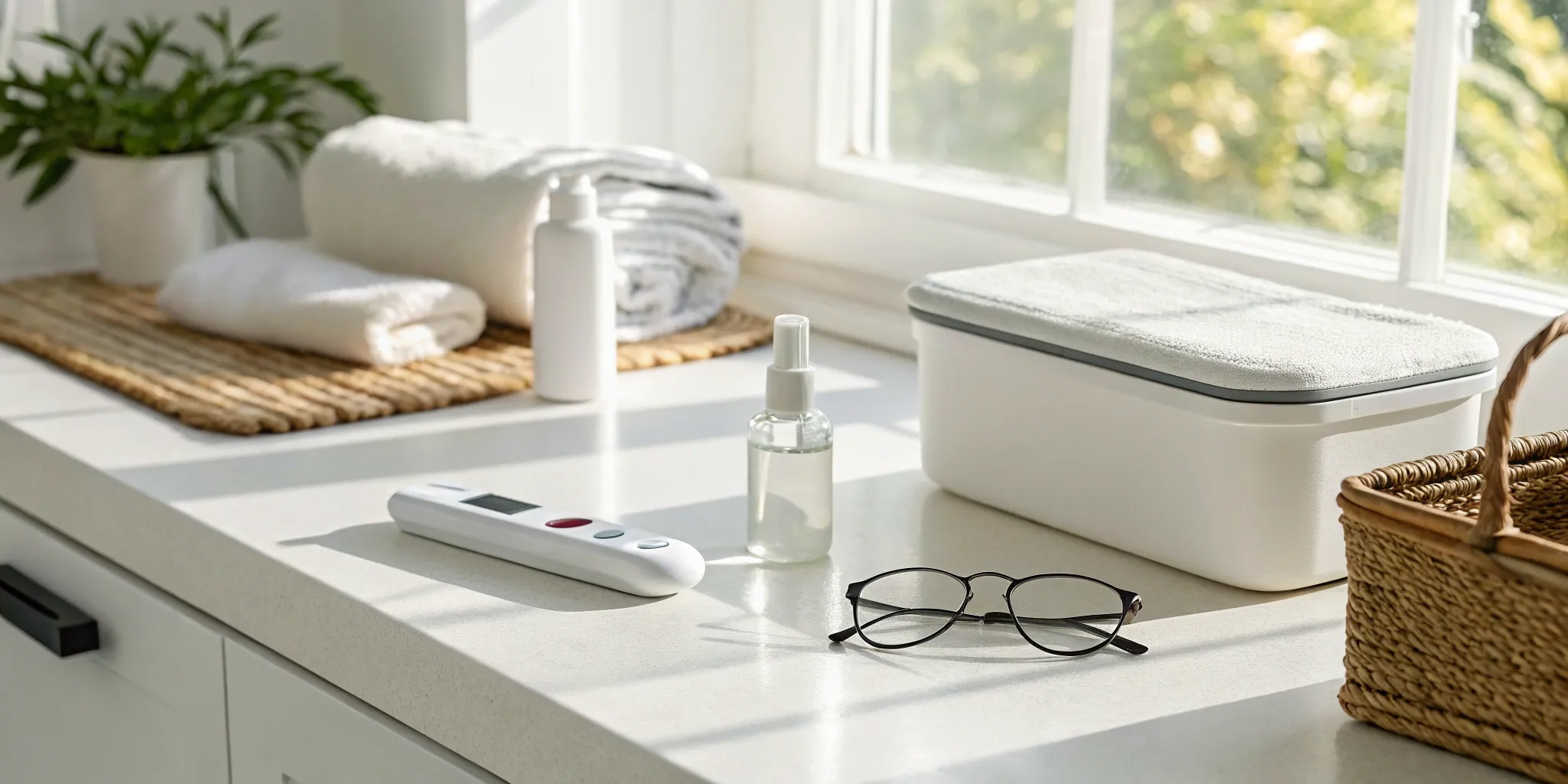
Think of your last trip to Target or your most recent Amazon order. You likely added items like pain relievers, bandages, or sunscreen to your cart without a second thought. What if you could buy those essentials with pre-tax money? With a Health Savings Account, you can. Many people think of their HSA only for big medical bills, but it’s also designed for your everyday health needs. The key is knowing the full scope of hsa eligible items you can purchase at the stores you already frequent. This article will demystify the process, showing you how simple it is to use your HSA for common products.
Key Takeaways
- Expand your HSA shopping list beyond the pharmacy: Your tax-free funds cover a huge range of everyday items, from over-the-counter medicine and sunscreen to menstrual products and first-aid supplies.
- Use your HSA as a long-term savings tool: You can pay for medical costs out-of-pocket now and reimburse yourself years later. This allows your HSA balance to grow tax-free, turning it into a powerful account for future health needs or even retirement.
- Always keep your receipts to stay compliant: While using your HSA is simple, the IRS requires you to prove your purchases were for qualified medical expenses. Save all receipts in a digital folder to avoid penalties and ensure you can get your money back anytime.
What Can You Buy With Your HSA?
Think of your Health Savings Account (HSA) as your personal fund for all things health-related. It’s designed to help you pay for a wide range of medical expenses with tax-free money, making healthcare more manageable. The list of what you can buy is surprisingly long and covers much more than just doctor’s visits.
You can use your HSA for many common medical services, including appointments with your primary care physician, hospital stays, surgery, and physical therapy. It also covers dental care like cleanings and fillings, and vision expenses such as eye exams, prescription glasses, and contact lenses. Beyond services, your HSA can pay for prescription medications and a huge variety of over-the-counter (OTC) products, from pain relievers and allergy medicine to first-aid supplies and feminine care products. Medical equipment is also on the list, so you can purchase items like blood pressure monitors, crutches, and sleep apnea machines. The key is that these items and services must be used to treat or prevent a medical condition.
How HSA Eligibility Works
Before you can start using an HSA, you need to be eligible to contribute to one. The rules are pretty straightforward. First and foremost, you must be enrolled in a High Deductible Health Plan (HDHP). This is a specific type of insurance plan with a higher deductible than traditional plans. On top of that, you can’t have any other health coverage, with a few exceptions. You also cannot be enrolled in Medicare or be claimed as a dependent on someone else’s tax return. You only need to meet these requirements on the first day of the month to be eligible to contribute for that month. It’s also important to remember that you can only use your HSA funds for qualified medical expenses that occur after your account is officially opened.
The Tax Benefits of Using Your HSA
One of the biggest reasons people love HSAs is the powerful triple tax advantage. First, the money you contribute is tax-deductible, which lowers your taxable income for the year. If your employer contributes on your behalf, those contributions are also tax-free. Second, the money in your account can be invested and grows completely tax-free. Over time, this can add up to significant savings. Finally, when you need to pay for a qualified medical expense, you can withdraw the money tax-free. This combination of tax benefits at every stage—contribution, growth, and withdrawal—makes an HSA an incredibly smart way to save for both current and future healthcare costs.
Your HSA Shopping List: Common Eligible Items
Think of your Health Savings Account (HSA) as your personal health fund, ready to cover more than just doctor’s visits. From the pharmacy aisle to the baby section, you can use your tax-free dollars on hundreds of everyday items. Knowing what qualifies can help you make the most of your account and save money on the things you’re already buying. Let’s walk through some of the most common categories to add to your shopping list.
Prescriptions and Over-the-Counter Meds
Of course, your HSA covers any prescription medications your doctor orders. But the great news is that you no longer need a prescription to buy many over-the-counter (OTC) essentials with your HSA funds. Thanks to the CARES Act, you can now stock up on allergy pills, pain relievers, and cold medicine using your HSA card. This change also made menstrual care products like tampons, pads, and cups eligible, which is a huge win for anyone who gets a period. It’s all about making everyday health needs more affordable.
Medical Equipment and Supplies
Your HSA is there for you during bigger health events, too. It covers a wide range of medical equipment that helps you recover or manage a condition. This includes items like crutches if you have an injury, a wheelchair, or even hearing aids. For new parents, things like breast pumps and lactation supplies are also covered. These are often significant expenses, and being able to use pre-tax dollars makes a real difference. Your HSA can be a crucial financial tool for accessing the durable medical equipment you need to live comfortably and safely.
Dental and Vision Care
Don’t forget about your eyes and teeth! Your HSA is perfect for covering costs that dental and vision insurance might not fully pay for. This includes routine cleanings, fillings, and even braces. For vision, you can pay for eye exams, contact lenses, and cleaning solution. One of the best perks is that you can use your HSA for prescription eyeglasses, reading glasses, and even prescription sunglasses. It’s a smart way to handle those essential but often pricey appointments and purchases without dipping into your regular budget.
First-Aid and Wellness Essentials
Building a well-stocked first-aid kit is easy with your HSA. You can purchase everything from bandages and antiseptic wipes to thermometers and pain-relief creams. It also extends to preventative wellness items. For example, sunscreen with an SPF of 15 or higher is an eligible expense, helping you protect your skin year-round. You can also use your funds for personal protective equipment (PPE), like masks and hand sanitizer, which are intended to prevent the spread of illness. These everyday wellness products help you stay prepared for minor scrapes and support your overall health.
Where to Shop for HSA-Eligible Products
Once you know what you can buy with your Health Savings Account, the next question is where. Thankfully, using your HSA funds is more convenient than ever. You don’t have to go to a specialty medical supply store for every purchase. Many of your favorite retailers have made it incredibly simple to identify and buy eligible products, whether you’re shopping in person or from your couch.
Most major stores now accept HSA cards just like any other debit card, making checkout a breeze. They’ve also started to clearly label eligible items on their shelves and websites, taking the guesswork out of the process. Some have even created dedicated online storefronts where every single item is HSA-qualified. This shift makes it much easier to manage your health expenses and get the most value from your tax-advantaged funds. From your neighborhood pharmacy to massive online marketplaces, you have plenty of options for putting your HSA dollars to work. We’ll walk through some of the most popular places to shop, so you can feel confident and prepared next time you need to make a health-related purchase.
At Your Local Pharmacy (CVS & Walgreens)
Your local pharmacy is one of the most straightforward places to use your HSA card. Retailers like CVS and Walgreens have deep inventories of health-related products and are well-versed in HSA guidelines. They often mark FSA/HSA eligible items right on the shelf tags, so you can shop with confidence.
This is perfect for when you need something quickly, like picking up a prescription or grabbing cold medicine on your way home. Both their physical stores and online platforms are set up to streamline the process. You can typically use your HSA card for payment at the register or online, making it a seamless part of your regular shopping trip.
Online at the Amazon HSA Store
For ultimate convenience and selection, it’s hard to beat shopping online. Amazon has a dedicated HSA and FSA store that features thousands of qualified products in one place. This curated storefront eliminates the need to second-guess whether an item is eligible, saving you time and potential headaches.
You can find everything from over-the-counter medications and first-aid supplies to blood pressure monitors and contact lens solution. Plus, you can add your HSA card as a payment method to your Amazon account, making purchases just as easy as any other order. It’s a great way to stock up on health essentials and have them delivered directly to your door.
In Big-Box Stores (Target & Walmart)
You can also find a wide array of HSA-eligible products while doing your regular shopping at big-box retailers like Target and Walmart. These stores have expansive health and wellness sections that are stocked with everything from pain relievers and allergy medicine to thermometers and bandages.
Many of these stores have also improved their online shopping experience, allowing you to filter for HSA-eligible products when browsing their websites. This makes it easy to add qualified health items to your cart along with your groceries and household goods. Using your HSA card at checkout is usually a simple process, allowing you to take care of all your shopping needs in a single, efficient trip.
What’s Surprisingly HSA-Eligible?
Your Health Savings Account is for more than just co-pays and prescriptions. You might be surprised to learn how many everyday health and wellness items you can buy with those pre-tax dollars. Recent changes in regulations have expanded the list of HSA-eligible expenses, making your account an even more powerful tool for managing your health costs. Think of it as your dedicated fund for all things wellness. Let’s look at some of the items you can add to your cart that you might not have realized were covered.
Over-the-Counter Meds (No Prescription Needed)
Remember when you needed a doctor’s note just to buy cold medicine with your HSA? Thankfully, those days are over. A few years ago, the rules changed, and now you can use your HSA funds for most over-the-counter medications without a prescription. This includes everything from allergy pills and pain relievers to cough syrup and antacids. It’s a simple change that makes a huge difference. Now, when you feel a headache coming on, you can just grab what you need from the pharmacy shelf and pay with your HSA card, saving you time and money.
Feminine Care Products
This is a big one. For years, essential menstrual products were not considered qualified medical expenses, which never made much sense. Luckily, that has changed. Now, you can use your HSA to purchase tampons, pads, menstrual cups, and other period care products. This is a fantastic way to use your pre-tax dollars on items you’re already buying every month. Stocking up on your preferred products is now easier and more affordable, giving you one less thing to worry about. It’s a small but meaningful step toward making healthcare more practical and equitable.
COVID-19 Tests and PPE
Even as we’ve settled into a new normal, staying prepared for illnesses is always a smart move. Your HSA can help with that. The IRS has confirmed that you can use your HSA funds for at-home COVID-19 tests and personal protective equipment meant to prevent the spread of the virus. This includes face masks, hand sanitizer, and sanitizing wipes. So, the next time you’re stocking your medicine cabinet or preparing for travel, remember that you can use your pre-tax health savings to cover the cost of these protective essentials.
Mental Health Apps and Telehealth
Taking care of your mental health is just as important as your physical health, and your HSA can support you here, too. Costs for telehealth appointments with therapists and psychiatrists are eligible expenses, making it easier to get care from the comfort of your home. What about mental health apps? It can be a bit nuanced, but if an app is used to diagnose, treat, or prevent a medical condition (like anxiety or depression), its subscription fee may be eligible. It’s always a good idea to check with your HSA administrator, but it’s great to know your account can support your mental wellness journey in modern, accessible ways.
How to Save Money on HSA Items
Using your Health Savings Account is already a smart financial move, but you can make your pre-tax dollars go even further. Getting the best price on eligible items means you can cover more of your health needs or leave more money in your account to grow for the future. It’s all about being intentional with your spending. With a few simple strategies, you can easily find deals, stack your savings, and make sure you’re never overpaying for the health products you and your family rely on.
Check Online Retailer Promotions
Your HSA card works at more places than just your local pharmacy. Many online retailers have dedicated HSA and FSA storefronts, making it simple to shop for eligible items. Retailers are getting better at promoting these items effectively, so keep an eye out for special promotions, especially near the end of the year when people are looking to spend their remaining funds. Before you check out, do a quick search for online coupons or promo codes. Signing up for email newsletters from your favorite stores can also alert you to sales on health and wellness products, helping you time your purchases to get the best deal.
Use Pharmacy Loyalty Programs
Don’t forget to pair your HSA savings with pharmacy loyalty programs. Chains like CVS and Walgreens offer rewards programs that give you access to exclusive discounts, digital coupons, and points back on your purchases. You can use these rewards on everything from over-the-counter pain relievers to first-aid supplies. This strategy is especially useful for bigger purchases. For example, both prescription eyeglasses or readers and contact lenses are HSA-eligible, and applying a store coupon or your accumulated rewards points on top of your pre-tax funds can lead to significant savings. Just scan your loyalty card or enter your phone number at checkout to make sure you get credit.
Compare Prices with Mobile Apps
The price for the same bottle of sunscreen or box of bandages can vary from one store to another. Instead of driving around town, use your phone to find the best price before you buy. Price-comparison apps and browser extensions let you scan a barcode or search for a product to see what different retailers are charging. This simple step ensures you’re making the most of every dollar in your account. Using pre-tax money for health expenses already gives you a great head start, and combining that benefit with smart shopping helps you increase your purchasing power even more, leaving you with a larger balance for future medical needs.
What Isn’t HSA-Eligible?
Knowing what your Health Savings Account covers is just one side of the coin. It’s equally important to understand what it doesn’t cover to avoid any surprises or accidental misuse of your funds. The general rule of thumb is that an expense must be for the diagnosis, cure, mitigation, treatment, or prevention of a disease to be considered a qualified medical expense. This means items and services for general health or cosmetic purposes typically don’t make the cut.
Think of it this way: your HSA is designed to help you manage the direct costs of medical care, not necessarily for general wellness or aesthetic improvements. While the line can sometimes feel blurry, keeping this core purpose in mind will help you make smart decisions. Let’s walk through some of the most common categories of expenses that are not eligible for HSA spending.
Cosmetic Procedures and Products
This is one of the clearest boundaries the IRS sets for HSA funds. Any procedure or product that is primarily for improving your appearance is not considered a qualified medical expense. This includes things like teeth whitening, hair transplants, face lifts, and Botox. Even if a procedure is performed by a medical professional, if its main purpose is cosmetic, you’ll have to pay for it out-of-pocket. The exception is if a procedure is needed to correct a deformity from a congenital abnormality, personal injury, or disfiguring disease. For a detailed breakdown, you can review the official list of medical expenses.
Gym Memberships and General Fitness
While we all know exercise is crucial for good health, you generally can’t use your HSA to pay for a gym membership, fitness classes, or exercise equipment. These are considered expenses for your general well-being rather than treatment for a specific medical condition. However, there is a key exception: if your doctor determines that a specific physical activity is essential to treat a diagnosed medical condition (like obesity, hypertension, or heart disease), they can provide you with a Letter of Medical Necessity (LMN). With an LMN, that gym membership could become an eligible expense, so it’s always worth a conversation with your provider.
Vitamins and Supplements (Usually)
This is a common point of confusion. Taking a daily multivitamin to support your overall health is a great habit, but you can’t use your HSA to pay for it. Vitamins and nutritional supplements are typically not eligible unless they are recommended by a medical provider as treatment for a specific medical condition. For example, if your doctor diagnoses you with an iron deficiency and prescribes iron supplements, those would be covered. The same goes for prenatal vitamins. But if you’re just grabbing some Vitamin C from the shelf to get through the winter, that purchase won’t be HSA-eligible.
How to Confirm an Item’s Eligibility
Figuring out what’s HSA-eligible can sometimes feel like a guessing game, but it doesn’t have to be. With a few simple checks, you can shop with confidence and make sure you’re getting the most out of your health savings. Think of it as having a cheat sheet for your healthcare spending. Instead of wondering if that bottle of sunscreen or a new blood pressure monitor qualifies, you can know for sure. Here are three straightforward ways to confirm if an item is eligible before you head to the checkout, so you can avoid any surprises and spend smarter.
Refer to IRS Publication 502
When you need a definitive answer, it’s best to go straight to the source. The IRS outlines all qualified medical expenses in Publication 502, which is the official guide for tax-deductible health costs. This document is the foundation for what your HSA can cover. The good news is that the list is pretty extensive and has been updated to include all over-the-counter medicines (even without a prescription) and menstrual care products. If you ever want to double-check a specific purchase, keeping this guide handy can give you total peace of mind.
Use In-Store and Online Tools
You’re not on your own when it comes to identifying eligible products. Many retailers have made it incredibly easy to spot what you can buy with your HSA funds. When you’re shopping in person, look for signs on the shelves that label items as “HSA-Eligible.” If you’re shopping online, most major retailers have dedicated HSA/FSA stores or filters you can apply to your search. These guides to HSA/FSA eligible expenses and in-store tools are designed to take the guesswork out of shopping, helping you fill your cart with confidence.
Check with Your HSA Administrator
If you’re still unsure about a specific item, your HSA administrator is there to help. They are your go-to resource for questions about your specific plan and can provide clarity on what’s covered. Don’t hesitate to reach out to them, especially for less common expenses or if you need help with the reimbursement process. They can give you the final word on an item’s eligibility and guide you through any necessary steps. Think of them as your personal support line for making the most of your health savings and ensuring you follow all the rules.
Common HSA Mistakes to Avoid
An HSA is one of the best tools out there for managing your health expenses, but it comes with a few rules. Think of them less as restrictions and more as guidelines to help you get the most out of your account. A few common slip-ups can cause headaches down the road, but they’re all easy to sidestep once you know what to look for. Let’s walk through the main ones so you can use your HSA with total confidence.
Forgetting to Keep Your Receipts
This is probably the most common and easiest mistake to make. While you don’t need to submit receipts every time you use your HSA, you absolutely need to keep them. If the IRS ever has questions about your spending, the responsibility is on you to prove your purchases were for qualified medical expenses. I recommend creating a dedicated digital folder or using a receipt-scanning app to keep everything organized. Just be sure to save receipts for every single eligible item you buy, whether you pay with your HSA card directly or reimburse yourself later. It’s a simple habit that can save you a lot of trouble.
Misunderstanding the Reimbursement Process
One of the best features of an HSA is its flexibility. You don’t have to use your HSA debit card for every purchase. You can pay with your personal credit or debit card and then reimburse yourself from your HSA anytime—next week, next year, or even a decade from now. This is a great strategy if you want to let your HSA funds grow tax-free. The process is simple: pay for the qualified expense, keep the receipt as proof, and then transfer the exact amount from your HSA to your personal bank account. This allows you to maximize your tax-free spending without overcomplicating things.
Spending on Non-Qualified Items
It can be tempting to use your HSA for general wellness items, but it’s critical to stick to the official list of qualified medical expenses. If you use your HSA funds for something that isn’t eligible, the IRS will consider that amount taxable income. On top of that, you’ll face an extra 20% penalty if you’re under age 65. Things like cosmetic procedures, gym memberships, and most vitamins typically don’t count. When in doubt, always double-check an item’s eligibility before you buy. A quick search online or a call to your HSA administrator can give you a clear answer and help you avoid any costly penalties.
Smart Ways to Use Your HSA
Your Health Savings Account is more than just a way to pay for this year’s doctor visits and prescriptions. When used thoughtfully, it can become one of the most powerful financial tools you have. Think of it less like a checking account for medical bills and more like a personal health and wealth-building engine. By shifting your perspective, you can use your HSA to gain financial flexibility, maximize tax savings, and even prepare for a healthy retirement. Let’s look at a few strategies that can help you get the most out of every dollar you contribute.
Save Receipts for Later Reimbursement
Here’s a strategy that offers incredible flexibility: you don’t have to reimburse yourself from your HSA immediately. As long as your HSA was open when you incurred a qualified medical expense, you can pay for it out-of-pocket and reimburse yourself at any time in the future—next month, next year, or even decades from now. Just be sure to save receipts for any eligible items you purchase. This approach allows the money in your HSA to stay invested and grow tax-free for as long as possible, while you still have the option to pull that money out whenever you need it.
Time Your Purchases for Tax Benefits
Every dollar you contribute to your HSA reduces your taxable income for the year. This means the money you use for eligible expenses is pre-tax, which effectively gives you a discount on every purchase. Because HSA and FSA accounts allow you to use pre-tax money, they increase your purchasing power for healthcare needs. To make the most of this, you can time larger, planned purchases—like new glasses, dental work, or stocking up on supplies—within a year where you’ve maxed out your contributions. This ensures you get the full tax benefit for those expenses in that tax year.
Grow Your HSA for Retirement
Many people don’t realize that an HSA can function like a supercharged retirement account. It has a unique triple-tax advantage: your contributions are tax-deductible, the funds grow tax-free, and withdrawals for qualified medical expenses are also tax-free. If your finances allow, consider paying for current medical expenses with other funds and letting your HSA balance grow. By investing the funds within your account, you can save for retirement medical expenses down the road. After age 65, you can even withdraw funds for non-medical reasons, and they’ll be taxed like a traditional 401(k), making it a versatile part of your long-term financial plan.
Frequently Asked Questions
What happens to my HSA money if I don’t use it all by the end of the year? This is one of the best features of an HSA—the money is yours to keep, forever. Unlike some other health accounts, there’s no “use it or lose it” rule. Your entire balance rolls over from one year to the next, allowing you to build up a fund for future health needs. You can even take the account with you if you change jobs or health plans.
Can I use my HSA to pay for my spouse’s or children’s medical expenses? Yes, you absolutely can. Your HSA funds can be used for qualified medical expenses for yourself, your spouse, and any dependents you claim on your tax return. This is true even if your family members are not covered by your high-deductible health plan. It makes the account a flexible tool for managing your entire family’s healthcare costs.
Do I really need a doctor’s note to buy things with my HSA? For most everyday health items, you no longer need a prescription or a doctor’s note. Thanks to recent changes, you can freely buy over-the-counter medicines, first-aid supplies, and menstrual care products. The main exception is for expenses that aren’t strictly medical, like a gym membership. In that case, you would need a Letter of Medical Necessity from your doctor explaining how it treats a specific condition.
What’s the biggest mistake people make with their HSAs? The most common slip-up is not keeping receipts. While you don’t have to submit them for every purchase, the IRS can ask you to prove that your spending was for qualified medical expenses. Simply create a digital folder or use an app to save a quick photo of your receipts. It’s a small habit that ensures you can always back up your purchases and avoid any potential tax penalties.
If I pay for a medical expense with my own money, how long do I have to pay myself back from my HSA? There is no deadline for reimbursing yourself from your HSA. As long as the expense occurred after you opened your account, you can pay yourself back next month, next year, or even 20 years from now. This flexibility allows you to pay for current expenses out-of-pocket and let your HSA funds grow tax-free for the long term.