
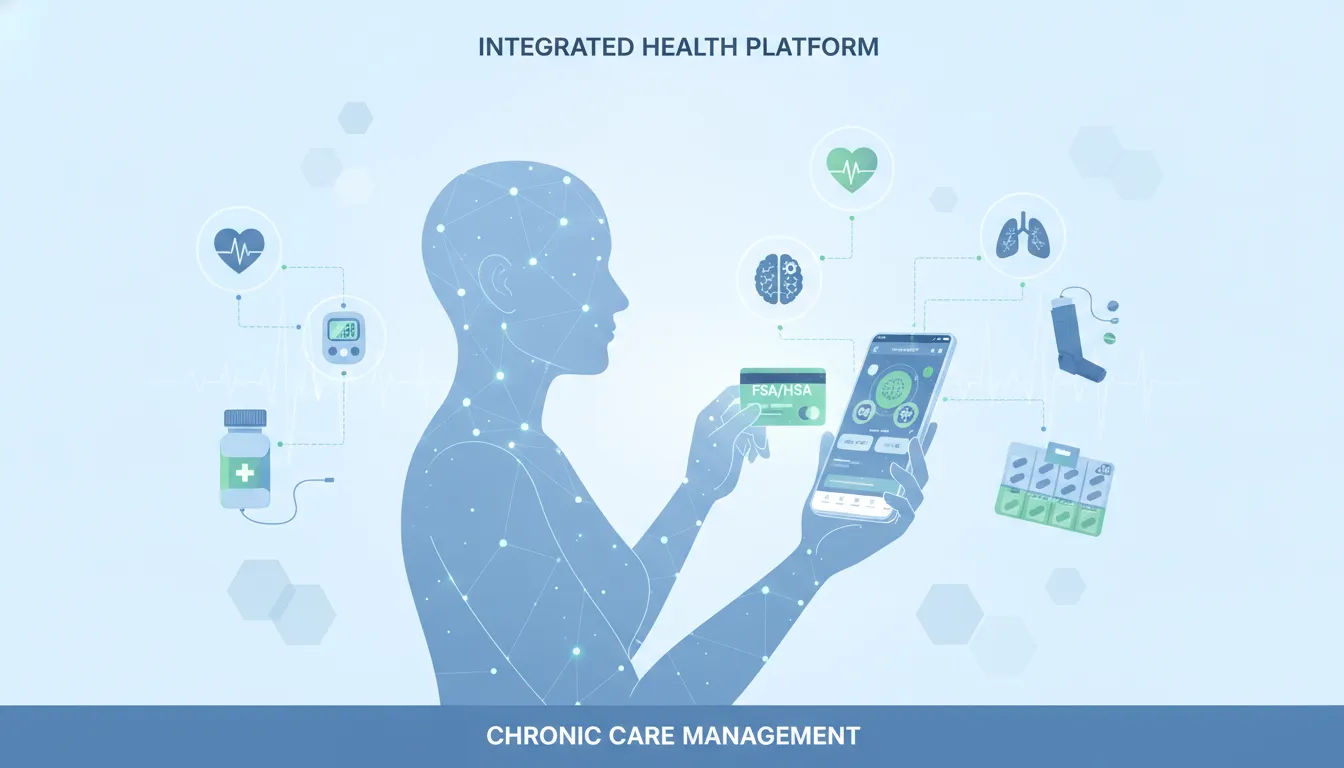
Managing a chronic illness often means facing high monthly costs for life-saving care. You do not have to pay for these supplies with after-tax income. Using your health savings account can save you thousands of dollars each year.
HSA chronic care management allows people with high-deductible health plans to use pre-tax funds for the daily costs of long-term health needs like diabetes. According to the IRS, items like insulin and glucometers are now classified as preventive care you can pay for before meeting your deductible. Using these funds proactively helps you stick to your treatment plan and avoid expensive hospital stays that result from poorly managed conditions. The daylii platform helps you find which items are eligible so you can spend your pre-tax dollars with confidence.
Understanding how these rules apply to your exact health needs is the first step toward lower costs. Check the daylii guide on preventative health management for more ways to save. We will break down exactly what HSA chronic care management is, which expenses qualify, and how to maximize your benefits.
What Is HSA Chronic Care Management?
Managing a long-term health condition can feel like a full-time job. You have to track your symptoms, take your pills on time, and go to many doctor visits. This is where HSA chronic care management (CCM) helps. It is a proactive way to handle your health while saving money on your taxes. By using your pre-tax health funds, you can get the steady support you need without the high cost of hospital stays.
At its core, CCM is about staying ahead of health problems. It gives you a clear path to manage your daily wellness. Instead of just seeing your doctor when you are sick, you get a team that looks out for you every day. This approach turns your HSA into a powerful tool for a longer, healthier life.
How chronic care management works
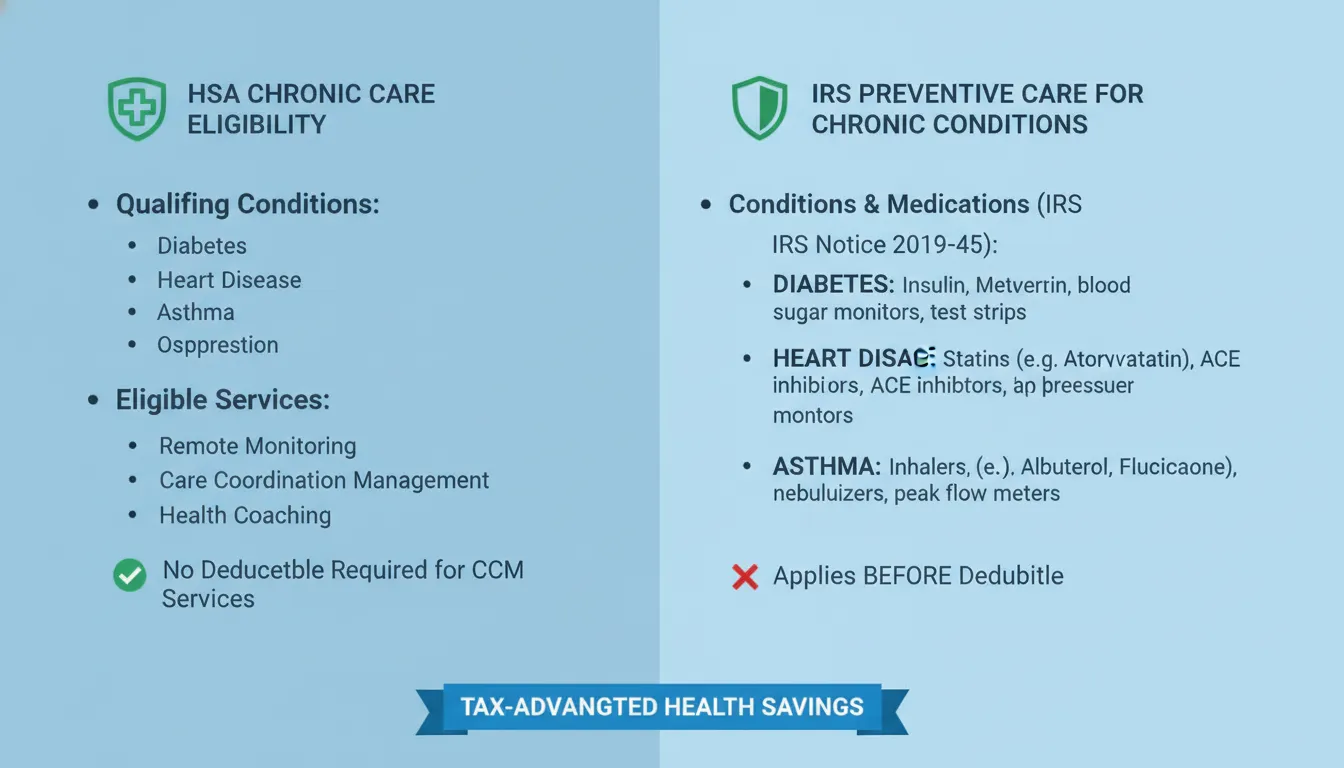
CCM is a program for people with two or more chronic health issues. According to the Cleveland Clinic, these conditions must be expected to last for at least 12 months. The goal is to provide steady support between your regular office visits. This helps you stay on track with your health plan. Common conditions that qualify for this care include:
- Diabetes and high blood sugar.
- Heart disease and high blood pressure.
- Asthma and other lung issues.
- Chronic pain and bone health.
One key part of this care is the monthly touchpoint. You get at least 20 minutes of care help each month. Clinical staff talk to you about your health and help you plan your next steps. They might help you manage your meds or schedule your tests. This steady help makes it easier to follow your doctor’s orders. When you stay on top of your care, you are less likely to end up in the emergency room.
Why the IRS calls this preventive care
For a long time, people with high-deductible health plans had a tough choice. They often had to pay for all their chronic care out of their own pockets until they met a high deductible. But the IRS expanded the list of preventive care items for HSA users. This was a big change that made it much easier to afford care.
Now, the IRS treats some chronic care services and drugs as preventive care. This means you do not have to wait to hit your deductible to use your pre-tax dollars. You can use your HSA to pay for things like blood pressure monitors or insulin right away. This rule helps people get the care they need before a small issue becomes a big crisis. It also keeps more money in your pocket by lowering your taxable income.
Improving your health with daylii
Using your pre-tax funds for CCM is a smart move for your physical and financial health. Studies show that using your funds in an active way can help you stick to your treatment plan. This leads to better results and less stress over time. When you know your costs are covered, you can focus on getting well instead of worrying about bills. It takes the pressure off your monthly budget and lets you focus on your long-term health goals.
At daylii, we make HSA chronic care management eligibility clear and simple. Our AI tool checks your spending against the latest IRS rules. We help you use your pre-tax dollars for the items that keep you healthy. This proactive approach helps you close the health debt that many people face. With the right tools, you can manage your chronic conditions with confidence and ease.
How Do HSA and FSA Eligibility Rules Work for Chronic Care?
Dealing with a long-term illness costs a lot, but tax-free health accounts help you save. The IRS has changed its rules to make it easier for people with chronic health issues to use their funds. These rules help you pay for the care you need without a big bill. Knowing your HSA chronic care management eligibility starts with how the IRS views preventive care.
New rules for preventive care
In the past, many health plans only covered care for an illness after it started. In 2019, the IRS changed this with Notice 2019-45. This rule labels some drugs and services for chronic issues as preventive care. This means your High Deductible Health Plan (HDHP) can pay for them before you hit your deductible. IRS guidelines now list items like insulin for diabetes and statins for heart disease as preventive care.
These rules also cover tools you use at home. If you have high blood pressure, your plan might pay for a blood pressure monitor. For those with asthma, items like inhalers and peak flow meters are now often covered. The goal is to help you manage your health early. This stops small health issues from becoming big, costly problems later on.
Chronic Disease Flexible Coverage Act of 2025
Policy rules continue to shift to help patients. In March 2025, the U.S. House of Representatives passed the Chronic Disease Flexible Coverage Act. This bill aims to make the 2019 IRS changes a fixed part of the law. It ensures that HDHPs can keep covering chronic care items with low costs. By making these rules solid, the law helps you plan your health spending for a long time.
This act focuses on common health issues that many people face every day. It covers care for diabetes, heart failure, and asthma. By keeping costs low, it makes it easier for you to stay on your treatment plan. You can use your HSA funds to buy the tools and meds you need to stay well.
HSA versus FSA: key differences for chronic care
Both HSAs and FSAs let you pay with pre-tax dollars, but they work differently when it comes to chronic care. The table below shows how they compare for managing long-term health needs.
| Feature | HSA | FSA |
|---|---|---|
| Funds roll over each year | Yes, unlimited rollover | Up to $610 or employer-set limit |
| Requires HDHP | Yes | No |
| Pre-deductible chronic care coverage | Yes (IRS Notice 2019-45) | N/A (FSA has no deductible) |
| Contribution limit (2025) | $4,300 individual / $8,550 family | $3,200 per employer |
| Investable for future growth | Yes | No |
| Over-the-counter without prescription | Yes (since CARES Act) | Yes (since CARES Act) |
IRS Publication 502 and the CARES Act
To know what you can buy, you should look at IRS Publication 502. This guide lists all the health costs you can pay for with tax-free funds. It includes everything from lab tests to doctor visits. The rules got even better with the CARES Act. This law made it so you do not need a doctor’s note to buy over-the-counter (OTC) meds with your HSA or FSA.
Now, you can use your funds for pain relief, cold meds, and first-aid kits at any store. daylii makes this easy by checking every item you buy. Our tools scan your receipts and check them against SIGIS and IRS rules. This keeps your spending safe and follows the law. You can spend with ease and keep more of your hard-earned money.
Chronic Care Products and Services You Can Buy With HSA/FSA Funds
Managing a long-term health issue often means regular costs for tools and meds. The IRS now treats many of these as preventive care. This means you can use your HSA or FSA to pay for them with pre-tax money. From daily testing kits to long-term meds, your tax-advantaged accounts can cover a wide range of needs for HSA chronic care management.
Common chronic care items
Most people know they can buy bandages or sunblock, but the list goes much longer. For those with diabetes, items like insulin and glucose monitors are fully eligible. People with asthma can use their funds for peak flow meters and spacers. Even mental health is covered, as many meds for depression now count as preventive care. Using these funds helps you stay on track with your care plan without extra stress.
The table below shows how your funds match up with specific health needs based on federal rules.
| Chronic Condition | Eligible Products and Services |
|---|---|
| Diabetes | Insulin, glucometers, A1c tests, and DSMES training. |
| Hypertension | Blood pressure monitors and ACE inhibitors. |
| Asthma | Inhaled corticosteroids and peak flow meters. |
| Heart Disease | Statins, beta-blockers, and LDL lab testing. |
| Depression | Selective Serotonin Reuptake Inhibitors (SSRIs). |
| Osteoporosis | Anti-resorptive therapy for bone strength. |
OTC and marketplace options
The rules for shopping changed recently to make it easier to buy what you need. You can now get many over-the-counter items like pain relievers or allergy meds without a note from your doctor. This shift makes it simpler to handle daily symptoms at home. To make sure you never miss a deal, daylii offers SKU-level verification. Our tool checks every item to see if it meets IRS standards before you buy.
This deep check helps you avoid card declines at the till. It also ensures your spending stays within the law. By using a smart tool, you can spend your health dollars with full confidence.
How Is daylii Building a Smarter Chronic Care Experience?
Managing a long-term health condition can feel like a full-time job. You must track many costs and keep up with rules that change often. Using your tax-free accounts early can help you manage chronic care costs and lower your stress. The IRS treats many chronic care items as preventive health, but finding them is still hard for most people. daylii is building a platform designed to make this process seamless.
Connecting your care data
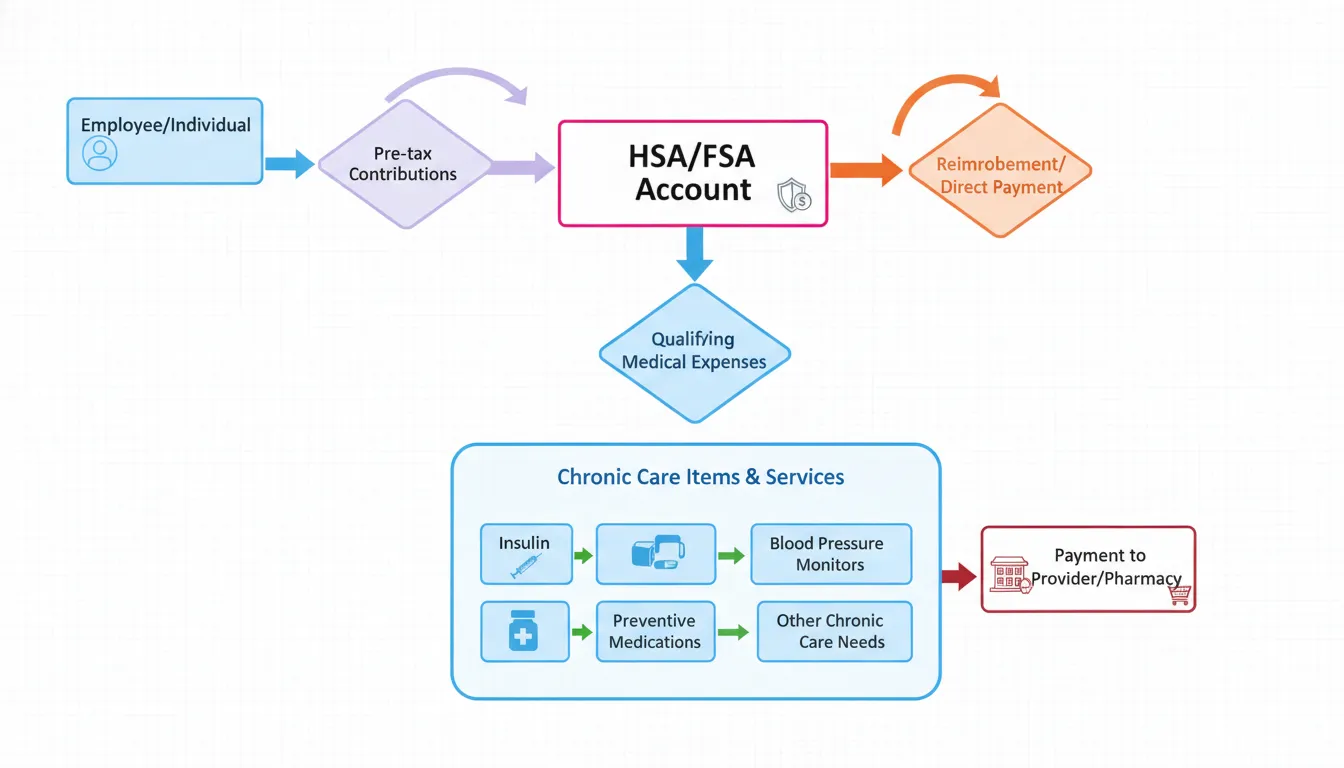
The first step is to link your health files to your account. With DayliiDiagnosis, you will be able to connect your health data from tools like Epic or Athena. This system maps your codes to items that fit your plan. This link helps simplify the chronic care payback process by showing what you can buy before you spend. It takes the guesswork out of health spending.
Smart shopping and fast reimbursement
Once your data is ready, you can get product ideas that match your health needs. You will be able to shop at stores like Walmart or Amazon with SKU-level checks that confirm each item is eligible for your plan. If you buy a product yourself, the DayliiReimburse system uses AI designed to scan your receipt and streamline the reimbursement process quickly.
- Connect your data: Link your HSA/FSA and health files to map your codes to the right products.
- Get ideas: See a list of health products that fit your specific condition and plan rules.
- Shop with ease: Buy items with SKU checks for peace of mind at checkout.
- Get reimbursed fast: AI tools will read your receipts and accelerate your reimbursement process.
- Track your spend: DayliiPulse will let you see your balance and get alerts before your funds expire.
Staying ahead of deadlines
The last part of the work is tracking your funds. DayliiPulse will give you live views of your account. It will also alert you when your funds might expire so you do not lose any money. This proactive path ensures you get the most out of your preventative health management tools while you stay focused on your health.
How Can You Use HSA Funds for Preventative Health Year-Round?
Unlike a normal bank account, your Health Savings Account (HSA) is a strong tool for long-term growth. The funds in your HSA roll over every year. You can even invest these dollars to build a safety net for future needs. Using these funds for HSA chronic care management helps you stay on track with your health goals without the stress of high costs. It is not just about paying for sick visits. It is about staying well all year long.
Stop the cycle of health debt
Many people wait too long to seek care. This leads to what experts call “health debt.” The pandemic caused a large gap in routine checkups between 2018 and 2022, according to research published in PubMed. This gap created new risks for people with long-term conditions. By using your pre-tax dollars now, you can avoid bigger problems later. Proactive care ensures you get the right tests and tools before a small issue becomes a crisis.
For those with a Flexible Spending Account (FSA), the stakes are even higher. The average person loses about $441 each year in unused FSA funds. This money goes back to the employer instead of helping you feel better. Managing your preventative health management needs year-round ensures you never lose the money you worked hard to save. It turns a “use it or lose it” risk into a steady plan for wellness.
Proven results with proactive care
Taking a proactive path leads to real results. For example, people with diabetes who use self-management education have a 34% lower rate of going to the hospital. This data from the CDC shows how much of an impact early action can have. These programs can also lower hemoglobin A1c by 0.6%. That is a change similar to what many drugs provide but without the side effects. Better care leads to a better life.
The financial impact is just as clear. Diabetes alone costs the nation about $413 billion each year. Proactive care for Medicare patients saves an average of $135 each month. Programs that join care plans with education show a return on investment of 4 to 1 for employers. Using your HSA for chronic care helps you follow your treatment plan more closely. This reduces the financial stress that often comes with long-term health needs. When you have the funds ready, you are more likely to get the care you need.
Simple tracking with daylii Pulse
Knowing how much you have left in your account is the first step to smart spending. The daylii Pulse dashboard will make this easy. It will give you a clear view of your balance in real time. You will be able to see when funds might expire and get nudges to use them on eligible items. This tool helps you avoid the stress of a card being declined at the pharmacy. It keeps your focus on your health, not on the math.
- Track your balance in real time to avoid surprises.
- Get alerts before your FSA funds expire at the end of the year.
- Find eligible items that fit your specific health plan.
- Lower your overall stress by planning your spending in advance.
Frequently Asked Questions
Who is eligible for chronic care management programs?
You qualify for chronic care management if you have two or more chronic health problems. These issues must be likely to last for one year or more. Common cases include high blood pressure, heart disease, and diabetes. Per ThoroughCare, this program helps you track your health and stay in touch with your care team. This plan keeps you healthy and lowers your risk of needing urgent care for a sudden crisis.
What medical items qualify as preventive care for chronic diseases?
The IRS allows you to use your HSA for many items to manage chronic health issues. Eligible tools include insulin and blood sugar monitors for diabetes. You can also buy blood pressure monitors for high blood pressure. Meds for asthma and heart disease are also on the list. These tools help you stay ahead of your health needs. Using your HSA this way makes it easier to follow your doctor’s orders and keep your costs low.
Can I use HSA funds for over-the-counter chronic care supplies?
Yes, you can use your HSA for many over-the-counter items to manage chronic health. The law now makes most store-bought meds qualify without a prescription from a doctor. This includes pain relievers, allergy meds, and first aid tools. You can use the store at daylii to find these products with ease. Our tool checks every item to make sure it meets IRS rules. This takes the guesswork out of shopping and helps you save money on the things you need most.
Do chronic care management programs have extra fees?
Most chronic care programs follow standard rules for cost sharing. This means you may need to pay a small fee or co-pay. If you have Medicare, your Part B plan usually covers these costs. You might owe a deductible if you do not have extra insurance to fill the gaps. Per ThoroughCare, these programs help you save more in the long run. By staying out of the hospital, you avoid large bills that can hurt your budget.
Ready to stop leaving your health money on the table?
Every day you wait to track your health spending is another day you risk losing your hard earned cash at the end of the year. If you do not act now, you will keep facing the stress of manual claims and lost receipts while your chronic care needs go unmet. Starting today gives you the best chance to take control of your health so that every dollar you earn works for your long term care. You can stop the cycle of missed claims and start getting the full value of your benefits right now.
Ready to stop wasting your funds? Join the waitlist for daylii to request your spot and stop leaving your HSA or FSA benefits on the table.