
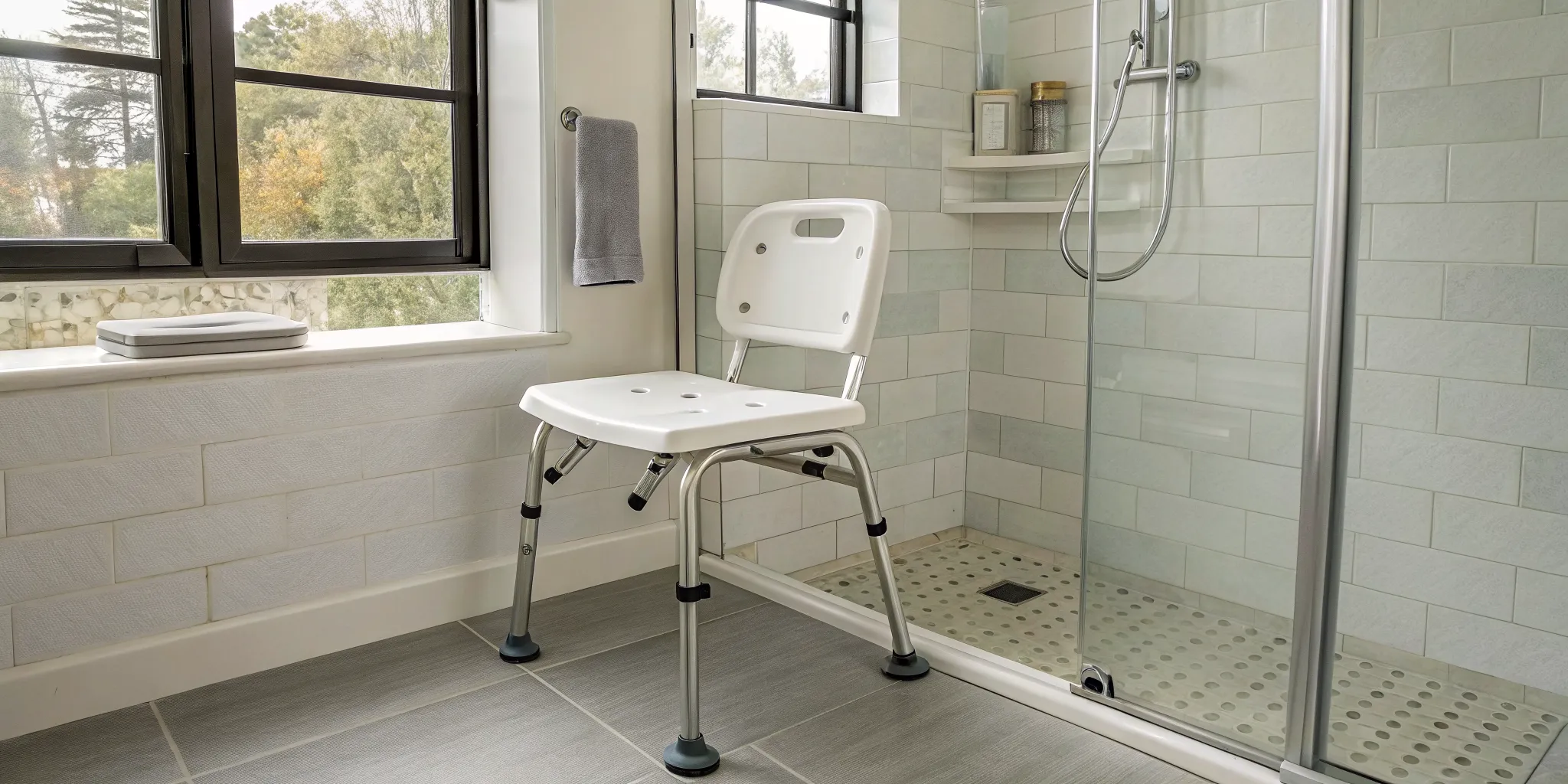
Shower chairs are generally FSA and HSA eligible when they are used to treat, prevent, or manage a medical condition, such as fall risk, limited mobility, recovery from surgery, or a disability. Your plan or seller may still ask for documentation, so keep your receipt and ask your clinician whether you need a prescription or Letter of Medical Necessity. This guide explains what is covered, what paperwork to keep, how Medicare and Medicaid differ from FSA/HSA rules, and how to choose a safe chair using tax-free health funds.
Key Takeaways
- Get the Right Paperwork from Your Doctor: To use your FSA funds, you will likely need a prescription or a Letter of Medical Necessity. Securing this documentation first confirms the shower chair is a qualified medical expense and makes the approval process much simpler.
- Focus on Core Safety Features: A safe shower chair must have non-slip rubber feet for a secure grip, a sturdy frame with an appropriate weight capacity, and adjustable legs that allow you to sit comfortably with your feet flat on the floor.
- Streamline Your Purchase with Your FSA Card: The easiest way to buy your chair is to use your FSA card directly at checkout. If that isn’t an option, you can always pay with a personal card and submit the itemized receipt and your doctor’s note for reimbursement.
Are Shower Chairs FSA or HSA Eligible?
Yes, in most cases, a shower chair is eligible for purchase with Flexible Spending Account (FSA) or Health Savings Account (HSA) funds when it is used for a medical need. Shower chairs, benches, and bath stools are often treated as durable medical equipment (DME) because they help reduce fall risk and support safer bathing for people with mobility, balance, recovery, or disability-related needs. Using pre-tax FSA or HSA dollars for a medically necessary shower chair can make your bathroom safer without dipping into your post-tax budget.
However, not every stool you can place in a shower automatically qualifies. To be FSA- or HSA-eligible, the item should be medically necessary, durable enough for repeated use, and used primarily to help with a health condition rather than general comfort. Plan administrators can interpret documentation rules differently, so check your plan and keep clear records. Daylii is being built around this exact problem: helping people understand eligibility rules, keep the right documentation, and reduce reimbursement friction.
Understanding Medical Necessity
For a shower chair to be FSA-eligible, its main purpose must be medical. Most shower chairs easily meet this standard because they are designed to prevent falls and provide support for individuals with limited mobility, balance issues, or disabilities. They are considered medically necessary equipment because they directly address a health and safety need. This is what separates a qualified shower chair from a luxury teak spa bench, which would be considered a general consumer good for comfort. The key is that the chair is used to alleviate or manage a medical condition, making daily activities like bathing safer and more accessible.
The Durability Standard and 3-Year Rule
Beyond medical necessity, the item must also qualify as “durable.” According to official guidelines, this means the equipment is built to withstand repeated use and is expected to last for at least three years. This rule ensures that FSA funds are spent on quality, long-term solutions rather than flimsy, disposable items. A well-built shower chair made with rust-proof materials and a sturdy frame fits this description perfectly. A healthcare provider often needs to confirm that the equipment is essential for your care, which further solidifies its status as durable medical equipment.
FSA vs. HSA Eligibility: What’s the Difference?
When it comes to shower chairs, the eligibility rules for a Health Savings Account (HSA) are the same as for an FSA. If a shower chair is considered qualified medical equipment for one, it is for the other, too. The main difference lies in how the accounts themselves work. An FSA is an employer-owned account with funds that typically expire at the end of the year, while an HSA is a personal savings account that you own, and the funds roll over indefinitely. For both, you can often use your account’s debit card to pay directly at checkout or submit your receipts for reimbursement after the purchase.
Why Invest in an FSA-Eligible Shower Chair?
A shower chair might seem like a simple purchase, but it’s a powerful tool for your well-being. It’s more than just a piece of equipment; it’s an investment in your daily safety, financial wellness, and long-term health. When you choose an FSA-eligible option, you’re making a smart decision that provides immediate benefits and supports your future. Let’s look at why adding a shower chair to your bathroom is one of the best moves you can make for yourself or a loved one.
Enhance Safety and Independence
The bathroom can be a tricky place, especially if you have trouble with balance or find it difficult to stand for long periods. A shower chair provides a stable, secure place to sit, which can significantly prevent falls and related injuries. This simple addition can transform your daily routine, allowing you to bathe comfortably and confidently without assistance. It’s a practical way to maintain your independence and feel more secure in your own home. By creating a safer bathing environment, you’re taking a proactive step to protect your health and preserve your autonomy.
Save Money with Tax-Free Funds
One of the biggest advantages of choosing an FSA-eligible shower chair is the financial one. When you use your Flexible Spending Account (FSA) or Health Savings Account (HSA), you’re paying with pre-tax dollars. This means you get to keep more of your hard-earned money. Think of it as getting an automatic discount on an essential health item. Using these tax-free funds makes it easier to afford the tools you need for safe bathing. It’s a financially savvy way to manage your healthcare expenses while investing in your immediate comfort and safety.
Support Your Long-Term Health
Investing in a shower chair is a forward-thinking decision for your health. It’s not just about making today’s shower easier; it’s about preventing future injuries that could have long-lasting consequences. A single fall can lead to serious health issues, so taking preventative steps is crucial for maintaining your mobility and overall well-being for years to come. By making your daily routine safer, you’re actively contributing to your long-term health, ensuring you can continue to live comfortably and independently. This proactive approach is a cornerstone of smart, sustainable self-care.
Key Safety Features to Look For
When you’re choosing a shower chair, it’s about more than just having a place to sit. The right features can make a world of difference in your daily routine, providing security, comfort, and independence. Think of it as finding a reliable partner for your bathroom. A well-chosen chair can transform showering from a source of anxiety into a safe and relaxing part of your day. To make sure you choose wisely, let’s walk through the most important safety and comfort features to look for. Paying attention to these details will help you find a chair that not only meets your needs but also gives you complete peace of mind.
Non-Slip Feet for a Secure Grip
The floor of a shower is a slippery place, which is why non-slip feet are an absolute must-have. Look for chairs with wide, rubber tips on the ends of the legs. These act like grips, creating a secure connection with the shower floor to prevent any sliding or shifting while you’re bathing. Some models even have angled legs to distribute weight more evenly, further increasing stability. This simple feature is one of the most effective ways to prevent falls in the bathroom and is a non-negotiable for any safe shower chair.
Stability and Weight Capacity
A shower chair needs to feel solid and dependable from the moment you sit down. Look for a sturdy, durable frame that doesn’t wobble. Every chair also has a specific weight capacity, which is the maximum weight it can safely support. It’s crucial to check this number and choose a chair that can comfortably handle your weight with a little extra room to spare. For example, heavy-duty models like the DMI Bath and Shower Chair are designed for users who need extra support, ensuring a safe and secure experience during every use.
Padded Seats and Armrests for Comfort
While safety is the top priority, comfort is what makes using a shower chair a pleasant experience instead of a clinical one. A waterproof, padded seat and backrest can make a huge difference, especially if you’ll be seated for a while. Armrests are another key feature to look for. They aren’t just for resting your arms; they provide crucial support when you’re sitting down and, more importantly, when you’re standing back up. This added leverage can help you maintain your balance and move with confidence.
Adjustable Height for a Perfect Fit
We all come in different shapes and sizes, so a one-size-fits-all approach doesn’t work for shower chairs. An adjustable height feature lets you customize the chair to your body, which is essential for both safety and comfort. The goal is to sit with your feet flat on the floor and your knees at a 90-degree angle. Many chairs offer several height settings, some with up to six different levels, making it easy to find your perfect fit. This personalization reduces strain on your back and knees and ensures the chair is as stable as possible.
A Guide to FSA-Eligible Shower Chair Types
Once you start shopping, you’ll see that “shower chair” is a broad category. The right one for you depends on your specific needs and bathroom setup. Some chairs offer simple, stable seating, while others are designed to help you get in and out of the tub. Understanding the main types can help you narrow down your options and find a chair that truly supports your safety and independence. Let’s walk through the most common styles.
Standard Bath Seats and Stools
This is the most straightforward option and a great starting point. Standard bath seats and stools give you a secure place to sit while you shower, which is perfect if you have trouble with balance or find it painful to stand for long periods. By providing a stable surface, these seats reduce the risk of slipping and make bathing a more comfortable experience. Most are lightweight, have non-slip feet, and feature adjustable legs to fit your height and tub perfectly, making them a simple yet effective safety solution.
Transfer Benches for Easy Tub Access
Getting over the side of a bathtub can be a major hurdle. Transfer benches are specifically designed to solve this problem. These benches are longer than standard seats, with two legs resting inside the tub and two outside. You can sit on the portion outside the tub, then safely slide your body along the seat into the shower. This motion eliminates the need to step over a high tub wall, which is a huge help for anyone recovering from surgery or managing limited mobility. It’s a smart way to maintain independence while minimizing fall risk.
Swivel and Rolling Chairs for Added Mobility
For those who need more flexibility, swivel and rolling chairs offer enhanced maneuverability. A swivel seat lets you turn easily without twisting your body, which is great for reaching for soap or the shower controls. Rolling chairs, often called transport chairs, have wheels so they can be moved around the bathroom or from a bedroom directly into a roll-in shower. Many of these models are versatile, sometimes doubling as a commode. They provide a higher level of support for both users and caregivers, making the bathing process smoother.
Trusted Brands to Consider
When buying safety equipment, brand reputation matters. You want a chair that’s sturdy, reliable, and built to last. Carex is a well-known name, offering a wide variety of quality shower seats since 1975. Another brand to look for is DMI (Maddak), which is recognized for its durable products. For example, the DMI Heavy Duty Bath and Shower Chair is a popular choice for its strong, stable construction that provides extra security. Starting your search with trusted brands like these can give you confidence in your purchase.
When You Need a Letter of Medical Necessity
This is one of the most common questions, and the answer is: it depends. While many FSA-eligible items are available without any extra steps, a shower chair may require documentation to prove it is medically necessary. Your specific FSA or HSA plan administrator sets the rules, so check your plan before you buy. In many cases, a prescription or Letter of Medical Necessity gives you the cleanest path to approval.
Think of it this way: your FSA or HSA is for qualified health expenses, and your plan administrator may need confirmation that the shower chair is for a specific medical reason, not just comfort or convenience. Getting this documentation ahead of time can save you a lot of hassle later, whether you pay with your FSA card directly or submit a claim for reimbursement. You can also review broader letter of medical necessity requirements before asking your clinician for paperwork.
When a Prescription Is Required
Your plan administrator may require a doctor’s prescription to prove that the shower chair is needed for a specific injury or medical condition. This isn’t like a prescription for medication that you take to a pharmacy. Instead, it’s a formal note from your doctor that officially recommends the product for your health and safety. This simple document serves as clear evidence that your purchase is a qualified medical expense. It removes any guesswork for your FSA administrator and is often the most straightforward way to get your purchase approved.
Using a Letter of Medical Necessity
Sometimes, a standard prescription isn’t enough, or your doctor might provide a Letter of Medical Necessity (LMN) instead. This is a more detailed document where your healthcare provider explains exactly why you need a shower chair. The letter will outline your specific diagnosis or condition and describe how the chair will help treat, prevent, or alleviate it. If a doctor provides a prescription or an LMN stating the medical need, it solidifies your claim and makes it much more likely to be approved by your plan administrator.
Getting the Right Paperwork From Your Doctor
When you talk to your doctor, be clear that you need documentation for your FSA. Ask for a prescription or a Letter of Medical Necessity for a shower chair. To qualify as durable medical equipment (DME), the item generally needs to be long-lasting (at least three years), used for a medical reason, and prescribed by a healthcare provider. Your doctor’s note should confirm that the shower chair meets these standards, confirming its medical necessity for your situation. Having this specific paperwork on hand makes the reimbursement process smooth and simple.
How to Pay or Get Reimbursed
Getting reimbursed for your shower chair is more straightforward when you prepare before checkout. The process usually comes down to having the right paperwork, saving an itemized receipt, and choosing the payment path your plan supports. Daylii’s long-term goal is to make this kind of eligibility check and automated FSA reimbursement feel less manual.
What Paperwork You’ll Need
To get your shower chair covered, your plan administrator may want proof that it is medically necessary. This usually means a doctor’s prescription or a Letter of Medical Necessity. Keep the itemized receipt, product description or SKU, proof of payment, and your clinician’s note together. If your plan asks follow-up questions, those records help show that the purchase was tied to a medical need and not a general bathroom upgrade.
The Step-by-Step Submission Process
Once you have your paperwork, you have a couple of ways to handle the purchase. The most direct route is to use your FSA or HSA card at checkout, just like a debit card. Many online retailers, including Amazon, Walmart, and CVS, accept these cards for eligible items. If you pay with a personal card or shop at a store that does not accept benefit cards, submit your claim with the receipt, product details, and any required medical documentation.
Paying Directly With Your FSA Card
Using your Flexible Spending Account (FSA) or Health Savings Account (HSA) card is often the simplest way to buy your shower chair. When you pay directly with your card, the funds are drawn from your tax-advantaged account right away. This means you don’t have to pay out-of-pocket and wait for a reimbursement check to arrive. It’s a clean, one-step transaction that lets you purchase the chair without paying extra sales tax on the purchase. This method is perfect if you want to keep the process as simple and fee-free as possible.
Where to Buy an FSA-Eligible Shower Chair
Once you know what kind of shower chair you need, the next step is finding the right place to buy it. The good news is that you have plenty of options, whether you prefer shopping online or want to see a product in person. Most retailers clearly label which items are FSA-eligible, making the process straightforward. Here are the most common places to find a chair that fits your needs.
Online Medical Supply Stores
Shopping online is one of the easiest ways to find a wide variety of FSA-eligible shower chairs. Websites often have a larger selection than physical stores, letting you compare features and prices from home. You can find everything from simple stools to more advanced models with backs and armrests. For example, you can purchase the SOUHEILO Shower Chair for a standard shower or opt for a sturdier model like the DMI Heavy Duty Bath and Shower Chair. Many online stores also let you pay directly with your FSA card, simplifying the checkout process.
Your Local Pharmacy
If you’d rather see a shower chair before you buy it, your local pharmacy is an excellent place to look. Chains like CVS and Walgreens typically have a dedicated section for home health care products where you can find FSA-eligible items. The main advantage of buying in-store is that you can get a feel for the chair’s size, materials, and sturdiness, and you can take it home the same day. Most pharmacies are set up to accept FSA and HSA cards directly at the register, so you won’t have to worry about saving receipts for reimbursement.
Durable Medical Equipment Retailers
For the widest selection and expert advice, consider a durable medical equipment (DME) retailer. These specialty stores focus exclusively on health and mobility aids, so their staff is often very knowledgeable. Retailers like Carex offer an extensive range of shower seats and benches designed to meet different needs. You can also find innovative options like the DMI Rolling Shower Chair, which doubles as a transport chair for extra mobility support. These retailers are available both online and as physical stores.
How to Find the Best Price on a Shower Chair
Finding the right shower chair is about more than just features; it’s also about finding a price that fits your budget. A higher price tag doesn’t always mean better quality, and with a little research, you can get a great deal on a safe and comfortable chair. By being a savvy shopper, you can make your FSA dollars go further without compromising on the support you need. Here are a few practical strategies to help you find the best value.
Watch for Sales and Promotions
Keep an eye out for special offers from medical supply retailers. Many stores run seasonal sales or promotions that can save you a significant amount of money. You might find deals like free shipping on orders over a certain amount or even bundled items, like a free grab bar with a shower seat purchase. A great way to stay informed is by signing up for email newsletters from your favorite brands or retailers. This way, you’ll be the first to know when prices drop or when a new promotional offer becomes available.
Compare Prices Across Retailers
Don’t settle for the first option you find. Take some time to compare prices at different places, including online medical supply stores, local pharmacies, and even big-box retailers. When you compare different retailers, you’ll notice that many highlight FSA and HSA eligibility. This is a key detail because it means you can buy the shower chair using your tax-free funds, which is an automatic saving. Also, be sure to factor in shipping costs and return policies, as these can affect the total price you pay. A slightly cheaper chair with high shipping fees might not be the best deal after all.
Know What Medicare Does (and Doesn’t) Cover
It’s important to manage your expectations about insurance coverage. A common question is whether Medicare will pay for a shower chair, and the answer is usually no. Medicare often sees shower chairs as items for personal comfort or convenience, not as necessary medical equipment. Understanding what Medicare covers upfront helps you budget properly and avoid any surprises down the road. Since you’ll likely be paying out-of-pocket or with FSA/HSA funds, focusing on finding the best retail price becomes even more important for your financial planning.
FSA/HSA vs Medicare and Medicaid Coverage
Searchers often compare FSA, HSA, Medicare, and Medicaid rules because shower chair coverage can feel inconsistent. The simplest way to think about it is that FSA and HSA accounts usually focus on whether the item is a qualified medical expense, while insurance programs apply separate medical-equipment coverage rules. Always confirm with your plan before buying.
Using FSA or HSA Funds
FSA and HSA funds may be used for a shower chair when the chair is needed to treat, prevent, or manage a medical condition. You may be able to use your benefit card directly at checkout, or you may need to pay first and submit for reimbursement. Either way, keep your receipt and any prescription or LMN your plan requires.
Medicare Coverage for Shower Chairs
Original Medicare often does not cover standard shower chairs because they can be classified as comfort or convenience items rather than covered durable medical equipment. Some Medicare Advantage plans may offer supplemental benefits, so check your plan documents before assuming coverage is unavailable.
Medicaid Coverage for Shower Chairs
Medicaid rules vary by state and program. Some members may qualify for bathroom safety equipment through waiver programs, managed-care benefits, or home-and-community-based services. If you have Medicaid, contact your plan or case manager before purchasing so you know whether prior approval is required.
Common Mistakes to Avoid When Buying
Shopping for a shower chair with your FSA funds can be straightforward, but a few common missteps can cause headaches later. Knowing what to look for and what to avoid will help you make a confident purchase that meets your needs and complies with your plan’s rules. From understanding the fine print of your benefits to spotting a poorly made product, a little preparation goes a long way. Let’s walk through the most frequent mistakes so you can get it right the first time.
“Comfort-Only” vs. Medically Necessary Features
This is the most important distinction to make. Your FSA is designed for medical expenses, not items for personal comfort or convenience. For a shower chair to qualify, it must be used to treat, prevent, or alleviate a medical condition. For example, if you need a chair to prevent falls due to dizziness, arthritis, or a recent surgery, it’s medically necessary. However, if you just want a seat to make your shower more relaxing, it likely won’t be covered. Think about it this way: Medicare often sees shower chairs as comfort items, so you need to be clear about its medical purpose for your FSA plan.
How to Prevent Common Plan Violations
To avoid having your claim denied, make sure you have the right paperwork. Many FSA administrators require proof that your shower chair is medically necessary. This usually comes in the form of a doctor’s prescription or a Letter of Medical Necessity (LMN). An LMN is a formal letter from your doctor explaining why you need the equipment for a specific injury or health condition. Before you buy anything, it’s a great idea to call your FSA provider and ask what documentation they require. Getting this sorted out ahead of time will save you from any reimbursement surprises and ensure your purchase is approved without a hitch.
Spotting Red Flags in Product Descriptions
When you’re comparing shower chairs, the product description tells you a lot about its quality and safety. A major red flag is a lack of detail about key safety features. Look for specifics like adjustable height settings, a stated weight capacity (often between 300 and 500 pounds), and rust-proof materials. Most importantly, the description must mention non-slip feet. All quality shower seats and benches have rubber tips on the legs to keep the chair steady and secure in a wet, slippery environment. If a product listing is vague about these essential features, it’s best to move on to another option that prioritizes your safety.
Related Articles
- Shop FSA Eligible Items – What You Can Buy & Where
- The Best FSA Products for Wellness: Our Top Picks
- The 6 Best FSA HSA Shopping Platforms for 2026
- FSA Eligible Heating Pad: Your Complete Guide
Frequently Asked Questions
Are shower chairs FSA eligible? Yes, shower chairs are generally FSA eligible when they are used to treat, prevent, or manage a medical condition. Your plan may ask for a prescription, Letter of Medical Necessity, or itemized receipt to confirm the purchase is a qualified medical expense.
Do I need a prescription for an FSA eligible shower chair? You do not usually need a prescription to buy the chair, but your FSA administrator may require one for approval or substantiation. A prescription or LMN from your clinician can show that the chair is medically necessary for fall prevention, mobility support, recovery, or another health need.
Can I use an HSA for a shower chair? Yes, HSA funds generally follow the same qualified-medical-expense logic as FSA funds. If the shower chair is medically necessary, you may be able to pay with your HSA card or reimburse yourself later. Keep your receipt and documentation with your tax records.
Does Medicare cover shower chairs? Original Medicare often does not cover standard shower chairs because they may be considered convenience items. Some Medicare Advantage plans or Medicaid programs may offer separate benefits, so check your specific plan before buying.
What documentation should I keep for reimbursement? Keep the itemized receipt, product name or SKU, proof of payment, and any prescription or Letter of Medical Necessity your plan requires. If you are unsure, contact your FSA or HSA administrator before purchase so you know exactly what they expect.