
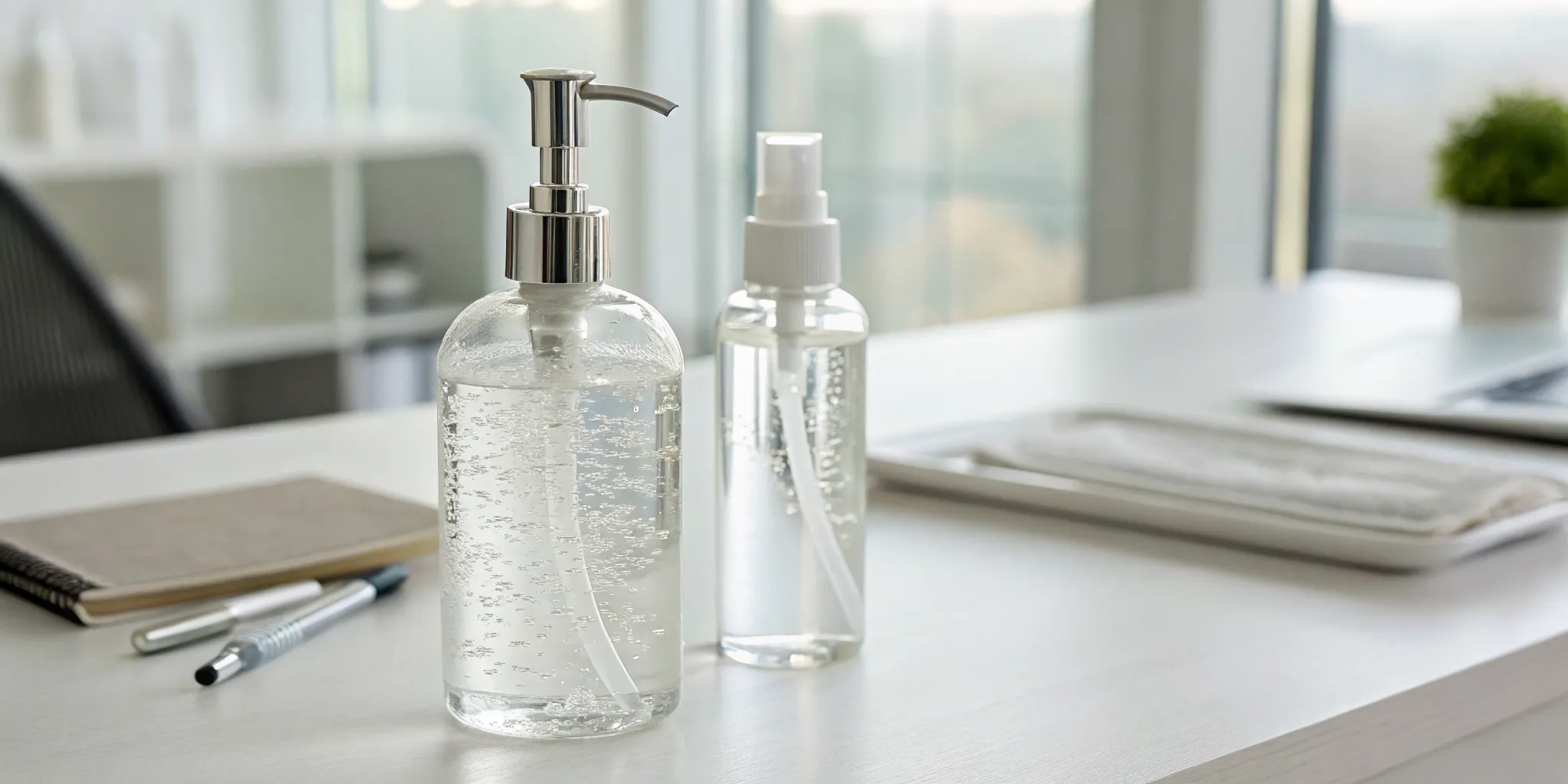
We all keep hand sanitizer in our cars, purses, and on our desks, but are we buying it in the most intelligent way? Using your FSA is a simple switch that saves you money by letting you use pre-tax dollars. But it’s also an opportunity to choose a better product. Many modern formulas go beyond just killing germs; they include skin-friendly ingredients that prevent dryness and come in packaging that fits your lifestyle. We’ll explore how to find a great FSA eligible hand sanitizer that you’ll actually enjoy using, making this simple health habit feel less like a chore and more like a small act of self-care.
Key Takeaways
- Check the Label for 60% to 95% Alcohol: For a hand sanitizer to be FSA-eligible, its primary purpose must be to prevent disease, which means it needs an alcohol content between 60% and 95%. This is the most important rule, so always check the active ingredients before you buy.
- Buy from Major Retailers and Keep Your Receipts: You can find qualifying hand sanitizers at most drugstores, supermarkets, and online stores like Amazon. No matter where you shop, always save the itemized receipt in case you need to submit a claim for reimbursement.
- Maximize Your Pre-Tax Savings: Using your FSA for hand sanitizer is a smart financial move, as it allows you to pay with untaxed money. It’s also a practical way to spend your remaining funds on a useful health essential before your plan’s deadline.
Is Hand Sanitizer FSA Eligible?
Yes, you can absolutely use your Flexible Spending Account (FSA) funds to buy hand sanitizer. It’s considered an eligible medical expense because it falls under the category of personal protective equipment (PPE), which helps prevent the spread of illness. This is great news, as it means you can use your pre-tax dollars for an everyday health essential.
However, not every bottle of sanitizer on the shelf qualifies. There are a few specific rules you need to know to make sure your purchase is approved, so you don’t run into any trouble with reimbursement. The main thing to look for is the alcohol content, which is what makes the sanitizer effective in the first place. We’ll walk through exactly what to look for on the label, what the official guidelines say, and which types of sanitizers to skip.
The Alcohol Content Rule
The most important factor for FSA eligibility is the alcohol content. To qualify, a hand sanitizer must contain between 60% and 95% alcohol. This isn’t an arbitrary number; it’s based on CDC guidelines for what’s most effective at killing germs. Sanitizers within this range are powerful enough to be considered a medical necessity for disease prevention. Before you add any sanitizer to your cart, just flip the bottle over and check the “Active Ingredient” section on the label to confirm it meets this requirement.
Understanding FDA and IRS Guidelines
The IRS officially clarified this rule in Announcement 2021-7, making it clear that hand sanitizer, sanitizing wipes, and face masks are eligible medical expenses. This announcement removed any gray areas and made it simple for people to purchase personal protective equipment with their tax-advantaged health accounts. It’s a welcome change that helps you use your FSA or HSA funds for practical items that keep you and your family healthy throughout the year.
Why Alcohol-Free Sanitizers Don’t Qualify
Because the alcohol-content rule is so specific, any hand sanitizer that is alcohol-free will not be eligible for FSA reimbursement. These products often use other active ingredients, like benzalkonium chloride, to kill germs. While they might work for everyday use, they don’t meet the official requirements set for FSA-approved medical expenses. Sticking to sanitizers with at least 60% alcohol is the only way to guarantee your purchase will be covered, so you can avoid the headache of a denied claim.
FSA-Approved Hand Sanitizer Brands
Once you know what to look for, you’ll start seeing FSA-eligible hand sanitizers everywhere. Many of the brands you already know and trust meet the IRS requirements, so you don’t have to go out of your way to find a product that works for you. From classic formulas to newer, stylish options, you have plenty of choices when it comes to spending your FSA funds. Here are a few of the most popular brands that are consistently approved for FSA spending, making it simple to stock up and stay prepared.
PURELL
You can’t talk about hand sanitizer without mentioning PURELL. It’s one of the most recognizable brands out there for a reason. Its classic formula is proven to kill 99.99% of the most common germs that can make you sick, all without needing soap or water. Because it’s so popular, it’s incredibly easy to find, and it’s almost always included in lists of FSA-eligible purchases. If you’re looking for a reliable, no-fuss option that gets the job done, PURELL is a solid choice for your FSA card.
Touchland
If you want a hand sanitizer that feels a little more special, Touchland is a fantastic option. This brand has gained a huge following for its Power Mist, which comes in chic, colorful packaging that looks more like a high-end perfume than a sanitizer. Beyond its good looks, the formula itself gets rave reviews for being non-drying and smelling amazing, thanks to skin-friendly ingredients like aloe vera and essential oils. It’s a perfect example of a product that combines style with substance, making it a fun and practical way to use your FSA funds.
PAUME
For those who prioritize skincare in every step of their routine, PAUME is a game-changer. This brand creates innovative hand sanitizing products designed to do more than just clean your hands. Their formulas are packed with hydrating ingredients that moisturize and nourish your skin while killing germs. Think of it as a two-in-one treatment that sanitizes and softens. Whether you choose their antibacterial hand gel or their hydrating mist, PAUME offers a more luxurious experience that leaves your hands feeling great, not stripped and dry. It’s a smart way to care for your skin’s health.
Germ-X
Germ-X is another household name that you can count on for effective germ-killing power. Much like PURELL, it’s a straightforward and reliable choice that you can find almost anywhere. Its formula is designed to be tough on germs but gentle on skin, often containing moisturizers and Vitamin E to prevent dryness. You’ll see Germ-X in homes, offices, and schools because it’s a trusted and affordable option. It’s one of the most common effective hand sanitizers you can buy with your FSA dollars, making it a practical staple for your health toolkit.
Where to Buy FSA-Eligible Hand Sanitizer
Once you know what to look for, finding FSA-eligible hand sanitizer is pretty straightforward. Many of your favorite retailers stock qualifying products, both online and on their physical shelves. The key is knowing how to spot them. Whether you prefer the convenience of online shopping or grabbing essentials during your weekly errands, you have plenty of options for using your pre-tax dollars on health and wellness staples.
Online Retailers
Shopping online is one of the easiest ways to find FSA-approved hand sanitizer. Major retailers like Amazon make it simple by clearly labeling which items are eligible, so you can add products to your cart with confidence. You can also browse the websites of stores like Target and Walgreens, which often have dedicated sections or filters for FSA-eligible products. This takes the guesswork out of the process and lets you compare different brands and sizes from the comfort of your home.
In-Store
If you prefer to shop in person, you can find FSA-eligible hand sanitizer at most major drugstores, supermarkets, and big-box stores. Retailers like Target and even beauty stores like Ulta carry a variety of qualifying hand soaps and sanitizers. Just be sure to check the product label for the alcohol content to confirm its eligibility before you head to the checkout. Keeping a list of approved brands on your phone can also make your shopping trip quicker and more efficient.
Specialty FSA Marketplaces
For a completely streamlined experience, you can shop at online stores that only sell FSA and HSA-eligible products. These specialty marketplaces remove all doubt, since every item on the site is guaranteed to qualify for reimbursement. You can find a wide range of health products on sites like the FSA Store, which is a great place to discover new brands or stock up on your favorites. This is an excellent option if you want to use your funds without worrying about accidentally buying a non-eligible item.
How to Confirm FSA Eligibility Before You Buy
Making sure your hand sanitizer is FSA-eligible before you check out saves you from the headache of a denied claim. It’s frustrating to think you’re making a smart purchase with your pre-tax dollars, only to find out it doesn’t qualify. A few simple checks can give you peace of mind and ensure your purchase goes smoothly. Taking a moment to verify eligibility means you can confidently use your FSA funds without any surprises later on. These quick steps will help you confirm you’re buying a product that meets all the necessary guidelines for reimbursement.
Read the Product Label
The easiest way to check for eligibility is to look right at the product label. For hand sanitizer, the key is its alcohol content. According to the Centers for Disease Control and Prevention, effective alcohol-based hand sanitizers should contain between 60% and 95% alcohol. This is the standard the IRS uses to determine if a product qualifies as medical care. If the alcohol percentage falls within this range, you’re good to go. If it’s alcohol-free or below 60%, it won’t qualify, so it’s always best to double-check the active ingredients before adding an item to your cart.
Use Online Shopping Filters
Shopping online makes it incredibly simple to find eligible items. Many major retailers have dedicated sections or filters specifically for FSA and HSA-approved products. For example, you can find pages on Amazon for FSA or HSA eligible hand sanitizers that automatically narrow down your options. Using these filters is a great shortcut that removes the guesswork. It ensures that every product you see has already been flagged as compliant, letting you focus on choosing the brand and formula you like best without worrying about eligibility.
Understand Reimbursement Requirements
If you pay for your hand sanitizer with a personal credit or debit card instead of your FSA card, you’ll need to submit a claim for reimbursement. This process is straightforward as long as you keep your receipts. Your FSA administrator will require an itemized receipt as proof of purchase to process your claim. Simply submit a copy of the receipt through your provider’s online portal or app. It’s a good habit to save all receipts for FSA-eligible purchases, just in case you’re ever asked to verify them. This simple step ensures you get your money back without any issues.
Common Myths About FSA for Hand Sanitizer
Using your FSA for everyday health items is a smart move, but it’s easy to get tripped up by misinformation. Let’s clear up a few common myths about buying hand sanitizer with your FSA funds so you can shop with confidence and make the most of your pre-tax dollars.
Myth: Any Hand Sanitizer Qualifies
It’s easy to assume any hand sanitizer you grab off the shelf is fair game for your FSA, but that’s not quite the case. The key requirement is that the product must be an alcohol-based hand rub. IRS guidelines classify these sanitizers as an eligible medical expense because their primary purpose is to prevent disease spread. This means alcohol-free formulas typically won’t qualify for reimbursement. Always check the label for alcohol content to ensure your purchase is eligible before you head to the checkout.
Myth: You Don’t Need to Keep Receipts
In a world of digital payments, it’s tempting to skip the paper receipt. When using FSA funds, however, holding onto your receipts is essential. Your FSA administrator will likely require proof of purchase to verify you bought an eligible item. A proper receipt provides all the necessary details: the store’s name, the date, a clear description of the hand sanitizer, and the total amount paid. Keeping good records ensures you’ll have no trouble getting reimbursed for your health and wellness essentials, so make it a habit to save them.
Myth: You Can Claim Purchases from Last Year
When the rules changed to include hand sanitizer as an FSA-eligible item, many wondered if they could claim past purchases. Unfortunately, it’s not automatically retroactive. You can only file a claim for a hand sanitizer bought in a previous plan year if your employer has specifically chosen to amend their plan. Since every company’s benefits plan is different, the best approach is to check directly with your HR department or benefits administrator. They can give you the final word on getting reimbursed for last year’s supply.
Myth: Only “Medical-Grade” Products are Covered
You don’t need to search for a special “medical-grade” hand sanitizer to use your FSA funds. The eligibility rules are much broader than that. As long as the sanitizer is alcohol-based and intended for disease prevention, standard over-the-counter brands are perfectly acceptable. This same principle applies to other newly eligible PPE products, like face masks and sanitizing wipes. The focus is on the product’s function, not a specific label, making it much easier to stock up on the health supplies you use every day.
Choosing a Quality FSA-Eligible Hand Sanitizer
Now that you know hand sanitizer is an FSA-eligible expense, let’s talk about picking the right one. Not all sanitizers are created equal, and just because you can use your pre-tax dollars on a product doesn’t mean it’s the best choice for you. A quality hand sanitizer is effective, feels good on your skin, and fits seamlessly into your daily life. After all, the best product is the one you’ll actually use consistently. It’s one of those small health tools that can make a big difference, so finding one you love is worth the effort.
When you’re browsing the aisles or shopping online, it’s easy to get overwhelmed by the options. To simplify your decision, focus on three key areas: its germ-killing power, its ingredients, and its packaging. Thinking through these factors will help you find a hand sanitizer that you’re happy to keep in your bag, on your desk, or in your car, making it easier to maintain healthy habits wherever you go. This isn’t just about checking a box for your FSA; it’s about making a smart, simple choice for your well-being. Let’s break down what to look for in each category.
Effective Germ-Killing Power
First and foremost, your hand sanitizer needs to be effective. The single most important factor here is the alcohol concentration. To properly sanitize your hands and qualify for FSA reimbursement, the formula must be used for germ prevention and contain between 60% and 95% alcohol. This specific range is what’s needed to effectively kill most viruses and bacteria. Anything less than 60% may not be powerful enough to protect you, making it a poor use of your health funds. Before adding a product to your cart, take a moment to check the label for the active ingredient (usually ethyl or isopropyl alcohol) and confirm its percentage.
Skin-Friendly Ingredients
We’ve all experienced the downside of frequent hand sanitizer use: dry, cracked skin. The high alcohol content that makes sanitizer effective can also strip your hands of their natural moisture. Thankfully, many brands now create formulas designed to counteract this. When you’re shopping, look for hand sanitizers with skin-friendly ingredients like aloe vera, vitamin E, or glycerin. These moisturizing agents help soothe and hydrate your skin, making the experience much more pleasant. Choosing a formula that cares for your skin turns a simple preventative measure into a more comfortable part of your daily routine.
Convenient Packaging and Scents
Practicality plays a huge role in which products we stick with. If your hand sanitizer is in a leaky bottle, is too bulky to carry, or has an overpowering scent, you’re probably not going to reach for it often. Think about your lifestyle. Do you need a slim spray that fits in your pocket? A pump for the car? Or a gel with a carabiner for your backpack? Brands have gotten creative, with some offering non-drying formulas and cute packaging that’s both stylish and functional. Scent is another personal choice, with options ranging from unscented to light, pleasant fragrances. Finding a product you genuinely like makes staying healthy feel less like a chore.
Finding the Best Price for FSA Hand Sanitizer
Using your FSA funds for hand sanitizer is a smart way to make your pre-tax dollars work for you. Whether you prefer a simple, effective option or a more luxurious one, there’s a product that fits your budget. Getting the best value is all about knowing where to look and what to look for. From affordable multi-packs to high-end formulas, you can find a great price on a product you’ll use every day.
Budget-Friendly Options
You don’t need to overspend to find a quality hand sanitizer that’s gentle on your skin. Many affordable brands offer effective formulas that meet the 60% alcohol requirement for FSA eligibility. For example, Touchland’s hand sanitizer gets thousands of rave reviews for its non-drying formula and stylish packaging. When shopping on a budget, look for multi-packs or larger refill sizes, as these often provide the best value per ounce. You can find many FSA-eligible items from trusted brands at drugstores and online retailers, making it easy to stock up without breaking the bank.
Premium Formulas
If you want your hand sanitizer to feel more like a self-care moment, consider using your FSA funds on a premium formula. These products often go beyond basic sanitizing, featuring skin-loving ingredients like aloe vera and essential oils to prevent dryness. Many modern hand sanitizers come in a variety of sophisticated scents and use vegan ingredients, turning a routine task into a small luxury. While they cost a bit more, these editor-approved essentials can be a worthwhile purchase if you value high-quality ingredients and a more pleasant user experience.
Tips for Finding Discounts and Bulk Savings
A little planning can help you save even more on FSA-eligible hand sanitizer. Buying in bulk is one of the easiest ways to lower the cost, so look for family-sized bottles or large refill containers. Keep an eye out for sales and digital coupons at major retailers, especially around the end of the year when many people are trying to use their remaining FSA funds. Before making a large purchase, it’s always a good idea to confirm the product’s eligibility. As a general rule, hand sanitizers with at least 60% alcohol are covered, but we recommend checking with your FSA administrator for specific guidelines to be certain.
Why Use Your FSA for Hand Sanitizer?
Using your Flexible Spending Account (FSA) for everyday health items is one of the smartest ways to make the most of your benefits. And yes, that includes hand sanitizer. While it might seem like a small purchase, thinking strategically about how you buy essentials can add up to real savings and help you stay on top of your health. It’s a simple, practical step that aligns perfectly with a proactive approach to wellness. It really comes down to three key benefits: saving money, staying prepared, and using your funds before they expire.
Save Money with Pre-Tax Dollars
The biggest perk of using your FSA is that the money in the account is tax-free. When you buy hand sanitizer with your FSA, you’re paying with money that hasn’t been taxed, which is like getting an automatic discount on every bottle. The final savings depends on your personal income tax bracket, but it’s a clear financial win. This is possible because hand sanitizer is considered personal protective equipment (PPE). Since its primary purpose is to prevent the spread of disease, it qualifies as a medical expense, allowing you to use those pre-tax funds for a product you likely already buy regularly.
Stay Prepared for Your Health
Keeping hand sanitizer with you, whether it’s in your car, your purse, or at your desk, is a simple yet powerful way to protect your health. It’s all about having the right tools on hand to maintain good hygiene wherever you go. The Internal Revenue Service (IRS) officially recognized this by making hand sanitizer and sanitizing wipes permanently eligible for FSA spending. Using your FSA to stock up ensures you’re never caught without it. This small step helps you build a consistent, proactive routine around your health, making it easier to stay well throughout the year.
Use Your FSA Funds Before They Expire
Many FSAs operate on a “use it or lose it” basis, meaning you have to spend your funds by a specific deadline, often December 31, or you forfeit the money. If you find yourself with extra cash in your account as the year winds down, buying essentials is a great strategy. Stocking up on FSA-eligible hand sanitizer is a practical way to spend down your balance on something you’ll definitely use. Instead of scrambling to find qualifying expenses, you can purchase a useful product that supports your health and prevents your hard-earned money from going to waste. It’s a resourceful way to manage your FSA deadline.
Related Articles
- The Best FSA Products for Wellness: Our Top Picks
- Shop FSA Eligible Items – What You Can Buy & Where
- FSA and HSA Eligibility: Who Qualifies & Key Rules
- The 6 Best FSA HSA Shopping Platforms for 2026
Frequently Asked Questions
What’s the one thing I absolutely need to check before buying hand sanitizer with my FSA? The most important detail to verify is the alcohol content. Flip the bottle over and look at the “Active Ingredient” section on the label. To be eligible for FSA funds, the sanitizer must contain between 60% and 95% alcohol. This is the official standard for disease prevention, so any product outside of that range, including all alcohol-free versions, won’t qualify.
Do I need a doctor’s prescription to buy hand sanitizer with my FSA? No, you do not need a prescription. Hand sanitizer is considered an over-the-counter medical expense because its primary purpose is to prevent illness. This means you can purchase it directly with your FSA card or submit a receipt for reimbursement without needing any special approval from your doctor.
Are hand sanitizing wipes also FSA-eligible? Yes, they are. Sanitizing wipes fall under the same category as liquid hand sanitizer and are considered personal protective equipment (PPE). As long as they are intended for personal use to clean your hands and prevent the spread of germs, you can use your FSA funds to purchase them.
What happens if I accidentally buy an alcohol-free sanitizer? Can I still get reimbursed? Unfortunately, you most likely will not be able to get reimbursed for an alcohol-free sanitizer. Because the IRS guidelines are very specific about the alcohol-content requirement, any product that doesn’t meet that standard will be considered ineligible. It’s always best to double-check the label before you buy to avoid having a claim denied.
Why is it so important to keep my receipts if I use my FSA card at the checkout? Even when you use your FSA card directly, your plan administrator may still ask you to verify that your purchase was for an eligible item. An itemized receipt is your proof. It shows exactly what you bought, the date, and the cost. Holding onto your receipts ensures you can easily provide this documentation if requested, preventing any issues with your account later on.