
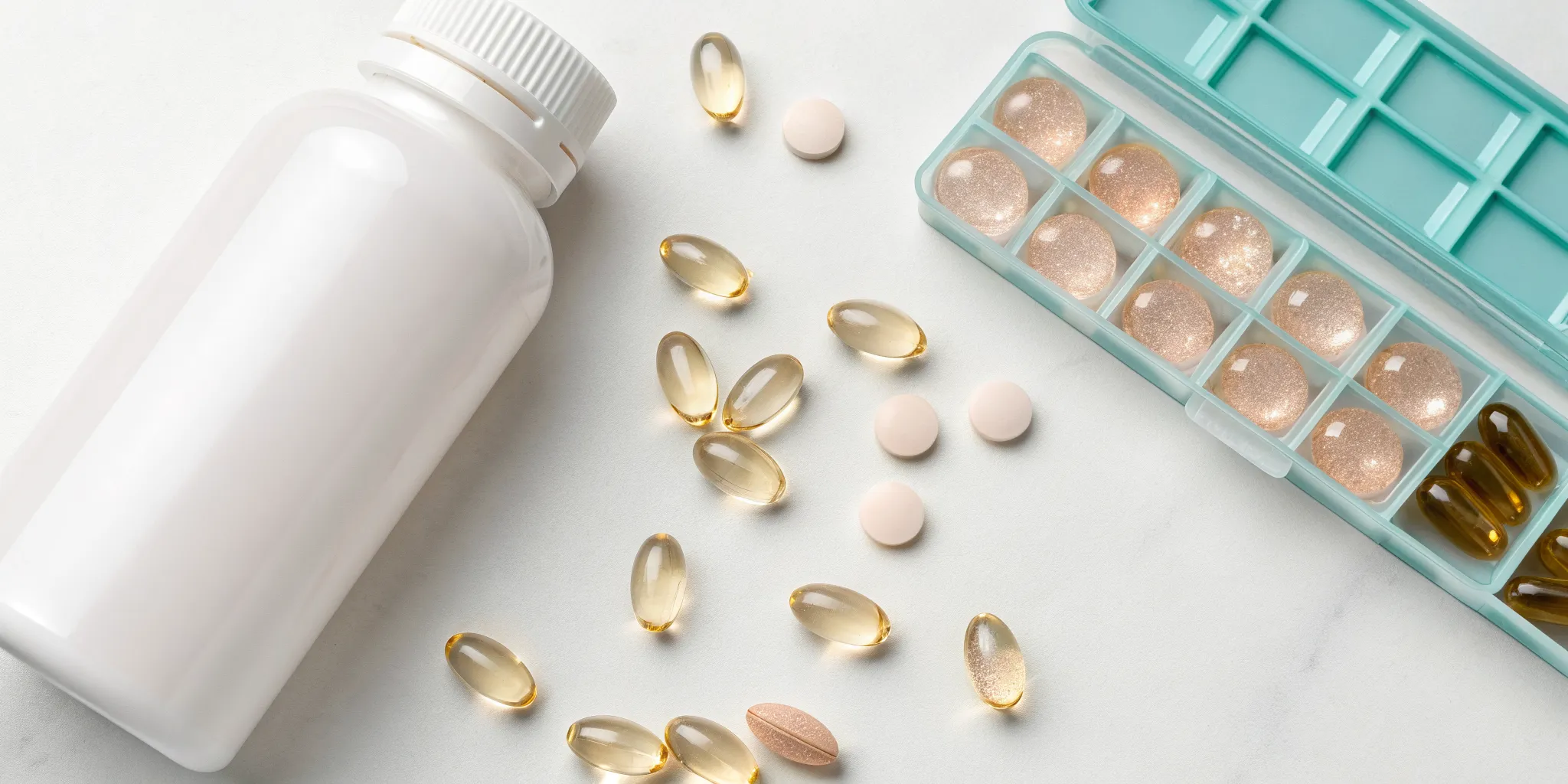
If you have a Flexible Spending Account (FSA), you know the end-of-year scramble to spend those pre-tax dollars is real. Instead of buying another box of bandages you don’t need, you can use that money for something essential to your health journey. When you’re pregnant or trying to conceive, prenatal vitamins are a daily necessity. The great news is that they fall under the umbrella of qualified medical expenses. This guide will walk you through everything you need to know about finding and purchasing FSA eligible prenatal vitamins, from getting the right paperwork from your doctor to using your card at checkout. We’ll make the process simple so you can confidently use your funds.
Key Takeaways
- A Doctor’s Note is Key for FSA Approval: To use your FSA for prenatal vitamins, you will almost always need a prescription or a Letter of Medical Necessity to prove the purchase is a qualified medical expense.
- Focus on Foundational Nutrients: When comparing brands, prioritize prenatals that contain the non-negotiable ingredients for a healthy pregnancy, specifically folic acid, iron, and calcium.
- Plan Ahead and Keep Your Receipts: Get the most from your FSA by understanding your plan’s specific rules, saving every itemized receipt, and using your funds before the annual deadline.
What Are FSA-Eligible Prenatal Vitamins?
If you have a Flexible Spending Account (FSA), you’re probably looking for ways to use those pre-tax dollars on things you actually need. And if you’re pregnant or trying to conceive, prenatal vitamins are at the top of that list. The great news is that you can often use your FSA to cover the cost. Let’s walk through what makes a prenatal vitamin “FSA-eligible” and how the process works so you can shop with confidence.
How FSA Eligibility Works for Prenatals
So, can you use your FSA for prenatal vitamins? Yes, but there’s usually one small step you need to take first. Most FSA plans require a doctor’s recommendation to confirm the vitamins are medically necessary for you. This is what officially qualifies the purchase as a health expense. For some plans, a simple prescription is enough, while others might ask for a document called a Letter of Medical Necessity (LMN). It sounds formal, but it’s just a note from your doctor stating that they recommend you take prenatal vitamins for your health during pregnancy. It’s a simple piece of paperwork that makes your purchase eligible.
FSA-Eligible vs. Regular Prenatals: What’s the Difference?
Here’s a little secret: there is no real difference in the vitamins themselves. An “FSA-eligible” prenatal vitamin isn’t a special formula. The term simply means the product and purchase process meet the IRS guidelines for using your FSA funds. The key difference lies at checkout. Some brands work with payment systems that automatically verify the purchase, allowing you to use your FSA card directly. For others, you may need to pay with your own card and then submit the receipt and your doctor’s note to your FSA provider for reimbursement. The quality of the vitamin is completely separate from its eligibility.
Common Myths About FSA Coverage
One of the biggest things to remember about FSAs is the “use-it-or-lose-it” rule. In most cases, the money you set aside doesn’t roll over to the next year, so it’s smart to plan your spending. Another common point of confusion is what actually qualifies as a medical expense. The rule of thumb is that the item must be used to diagnose, treat, or prevent a specific medical condition. While things like prescription medications are obvious yeses, items like prenatal vitamins fall into a category that requires a doctor’s note to prove they are being used for a medical purpose and not just for general wellness.
Which Prenatal Vitamin Brands Are FSA-Eligible?
Finding the right prenatal vitamin is a big step, and using your FSA funds to pay for it is a smart move. The great news is that most prenatal vitamins qualify as a medical expense, making them eligible for FSA spending. However, eligibility can sometimes depend on the specific brand and your plan’s rules. The key is knowing what to look for and how to confirm a brand is covered before you head to the checkout. This way, you can feel confident in your purchase and make the most of your pre-tax dollars.
Top FSA-Eligible Brands to Consider
You’ll find that many popular prenatal vitamin brands are FSA-eligible, so you have plenty of options. Specialty brands like Perelel Health design their vitamins for different trimesters and clearly label them as eligible for both HSA and FSA payments. You can also find a wide selection at major retailers. For example, Target offers a whole category of FSA-eligible prenatal vitamins from various brands, making it easy to shop for approved products. These are just a couple of examples, so don’t feel limited. Many other brands qualify, giving you the freedom to choose the one that best fits your needs.
How to Find Verified Options
The easiest way to find verified options is to look for products specifically marketed as prenatal vitamins. If your healthcare provider recommends a prenatal supplement for your health during pregnancy, it’s almost certain to be a covered expense. However, every FSA plan has its own set of rules. The best way to get a definitive answer is to check your specific plan documents or give your benefits administrator a quick call. They can tell you exactly what their requirements are and whether you need any special documentation, like a doctor’s note, to get your purchase approved.
How to Check a Brand’s Eligibility Before You Buy
Before you make a purchase, take a moment to confirm its eligibility. Many online stores have an “FSA/HSA-eligible” filter or label on product pages. When in doubt, it’s always a good idea to save your itemized receipts. These receipts should clearly show the date, store name, and exactly what you bought. Some FSA plans may also require a Letter of Medical Necessity (LMN) from your doctor. This is simply a formal note explaining why the prenatal vitamin is essential for your health, and it’s a common requirement for many FSA-reimbursable items.
What Key Ingredients Should You Look For in a Prenatal?
Walking down the vitamin aisle can feel overwhelming, but knowing which ingredients truly matter makes choosing a prenatal much simpler. Your body needs extra support during pregnancy, and a good prenatal vitamin acts as a nutritional safety net for you and your developing baby. It’s designed to fill any gaps in your diet and ensure you both get a steady supply of the essential building blocks for a healthy pregnancy. Think of it as your daily dose of peace of mind, helping you cover your nutritional bases when you’re focused on everything else.
Essential Nutrients for a Healthy Pregnancy
During pregnancy, your nutritional needs increase significantly. While a balanced diet is always the goal, it can be tough to get everything you need from food alone, especially if you’re dealing with morning sickness or food aversions. That’s where a quality prenatal comes in. Key nutrients support your baby’s development from the very beginning. According to healthcare providers, certain vitamins and minerals are critical. To help you avoid deficiencies, they often recommend looking for supplements containing omega-3 fatty acids, vitamin B12, folic acid, iron, and calcium. These ingredients work together to support everything from brain development to building strong bones.
Why Folic Acid, Iron, and Calcium Are Non-Negotiable
If you look at any prenatal vitamin label, you’ll see three ingredients featured prominently: folic acid, iron, and calcium. There’s a good reason for that. Folic acid is crucial for preventing birth defects of the brain and spine, which is why many healthcare providers recommend taking it even before you conceive. Iron supports your baby’s growth and development and helps prevent anemia, a condition where you don’t have enough healthy red blood cells. Calcium is essential for building your baby’s bones and teeth. Your body will pull calcium from your own bones for the baby if you don’t get enough, so keeping your intake up is important for both of you.
The Role of Omega-3s and Other Important Vitamins
Beyond the big three, other nutrients play vital supporting roles. Omega-3 fatty acids, particularly DHA, are important for your baby’s brain and eye development. If you don’t regularly eat fish, your doctor might suggest omega-3 fatty acid supplements alongside your prenatal. Vitamins like D and B12 are also important. Vitamin D helps your body absorb calcium and is essential for healthy bones and immune function, while B12 is key for maintaining a healthy nervous system. A comprehensive prenatal will include a thoughtful blend of these vitamins and minerals to provide well-rounded support.
Common Mistakes to Avoid When Choosing a Prenatal
When it comes to vitamins, more isn’t always better. One common mistake is thinking that taking extra prenatals or doubling up with another multivitamin will provide added benefits. In reality, this can be harmful. Taking doses that are too high can lead to toxicity and may pose risks to your pregnancy. The American Pregnancy Association warns that prenatal vitamins are formulated with specific amounts of various nutrients for a reason. Always stick to the recommended dosage on the label unless your doctor advises otherwise. Your goal is to supplement your diet, not replace it, so focus on finding one high-quality prenatal that meets your needs.
How to Buy Prenatal Vitamins With Your FSA
Once you’ve found the right prenatal vitamins, using your FSA funds to purchase them is a simple process. Think of it as a few straightforward steps to make sure you get the full financial benefit of your plan. Let’s walk through exactly what you need to do, from getting the right approvals to keeping the right paperwork.
Getting a Prescription or Doctor’s Note
The first step is to connect with your doctor. For prenatal vitamins to be covered by an FSA, they generally need to be recommended by a medical professional for a specific health need, which in this case is supporting a healthy pregnancy. You’ll need to ask your OB-GYN, midwife, or primary care provider for a prescription or a letter of medical necessity. This simple document confirms that the vitamins are essential for your health, which is what your FSA administrator needs to see to approve the expense. Just mention it at your next appointment, and your provider will know exactly what to do.
Using Your FSA Card for Payment
When it’s time to buy your prenatals, you have a couple of easy options. The most direct method is to use your FSA card right at the checkout, just like you would with a regular debit card. Many pharmacies and online stores that sell health products accept FSA cards. Alternatively, you can pay with your personal credit or debit card and then submit a claim to your FSA provider for reimbursement. This is a great option if you’re shopping at a store that doesn’t directly accept FSA cards. Both ways work, so you can choose the payment method that’s most convenient for you.
Submitting a Claim for Reimbursement
If you paid for your prenatals out-of-pocket, your next step is to file a claim for reimbursement. This sounds more complicated than it is. Most FSA administrators have an online portal or a mobile app where you can upload your documentation. You’ll typically need to submit a copy of your itemized receipt and the letter of medical necessity or prescription from your doctor. The process usually involves filling out a short form with details about your purchase. Once you submit everything, your FSA provider will review the claim and send you a check or direct deposit for the approved amount.
What Paperwork Do You Need?
Whether you use your FSA card directly or file for reimbursement, keeping good records is key. Always hold on to your itemized receipts for any FSA purchase. A credit card slip isn’t enough; you need a receipt that clearly shows the name of the store, the date of purchase, and exactly what you bought. It’s a good habit to snap a photo of the receipt with your phone or save a digital copy right away. Having these FSA-eligible item records on hand will make things much smoother if your plan administrator ever asks for proof of your purchase.
Where to Find the Best Deals on FSA-Eligible Prenatals
Once you know which prenatal vitamins you want to buy, the next step is figuring out how to get the best price. Using your FSA funds is already a smart financial move, but you can stretch those pre-tax dollars even further with a little planning. Finding a good deal means you can stock up for a few months without a second thought. From big-box retailers to online subscriptions, there are plenty of ways to save money on this pregnancy essential. Let’s walk through where to look and how to time your purchases to make sure you’re getting the most value.
Shopping Online and at the FSA Store
Shopping online is one of the easiest ways to find and compare prices on prenatal vitamins. Retailers like Target sell FSA-eligible prenatal vitamins and often have competitive pricing, plus convenient options like same-day delivery or drive-up pickup. You can also shop at dedicated online FSA stores. These websites only sell FSA-approved products, which takes all the guesswork out of your purchase. You can use your FSA card directly at checkout without worrying if an item will be approved later. It’s a straightforward way to shop with confidence and find exactly what you need.
Finding Pharmacy Promotions and Discounts
Don’t overlook the power of a good old-fashioned discount. Many pharmacies and supplement companies offer ways to save money if you know where to look. For example, some brands give you a discount for buying in bulk or signing up for a subscription service, which is perfect for something you’ll be taking daily. It’s also worth checking your local pharmacy’s weekly ads or joining their loyalty program for exclusive coupons. A little bit of searching before you buy can lead to significant savings over time, making your prenatal routine more affordable.
How to Time Your Purchase to Maximize Savings
Timing is everything, especially when it comes to your FSA. Most FSA plans have a “use-it-or-lose-it” rule, meaning you forfeit any funds left in your account at the end of the plan year. To avoid this, plan to stock up on essentials like prenatal vitamins before the deadline. However, always check your specific FSA plan rules, as some offer a grace period or allow a small amount to carry over. Knowing your plan’s details helps you make strategic purchases, ensuring you use every dollar you’ve set aside for your health and wellness.
What to Know Before Using Your FSA for Prenatals
Using your FSA to buy prenatal vitamins is a fantastic way to save money, but it’s not always as simple as swiping your card. A little prep work can save you a lot of hassle down the road. Before you start shopping, here are a few key things to keep in mind to make sure your experience is smooth, simple, and gets you exactly what you need for your health journey.
Check Your Specific Plan’s Rules
Every FSA plan can have slightly different rules, so what works for a friend might not work for you. The best first step is to get familiar with your own plan. Some administrators may require a Letter of Medical Necessity from your doctor for certain items, while others won’t. To get the final word, it’s smart to review your specific FSA plan documents or call your benefits administrator to understand what’s needed. This quick check can clarify requirements for prescriptions and documentation, ensuring you don’t run into any surprises when you try to make a purchase or file for reimbursement.
Why You Should Keep Good Records
Even if you use an FSA card for your purchase, your plan administrator might ask for proof that the expense was eligible. This is where good record-keeping comes in. Always keep itemized receipts for everything you buy with your FSA. These receipts should clearly show the store name, exactly what you bought, and the date of the purchase. A simple habit like snapping a photo of your receipt with your phone or keeping a digital folder can make it easy to provide documentation if you’re ever asked for it. This small step ensures you can always prove your purchase was for a qualified medical expense.
Don’t Forget the “Use-It-or-Lose-It” Rule
One of the most important things to remember about FSAs is the “use-it-or-lose-it” rule. For most plans, the money you contribute doesn’t roll over to the next year. You have to use the funds by the end of the plan year, or you lose them. Some employers offer a short grace period or allow a small amount to carry over, but it’s not a given. Planning your prenatal vitamin purchases before the deadline is a great way to ensure you use every dollar you’ve set aside for your health. Check with your administrator to confirm your plan’s specific deadline.
When Is the Best Time to Start Taking Prenatals?
From a health perspective, it’s best to start taking a prenatal multivitamin at least one month before you try to get pregnant. This timing is important because key nutrients like folic acid are crucial for the baby’s early development, often before you even know you’re pregnant. Knowing this can also help you plan your FSA spending. If you’re thinking about conceiving in the near future, you can factor the cost of prenatals into your current year’s FSA budget. This foresight ensures you’re prepared both physically and financially, without having to rush a purchase at the end of the year.
Related Articles
- Are Vitamins FSA Eligible? What You Need to Know
- The Best FSA Products for Wellness: Our Top Picks
- FSA Bundles for Health: Your Complete Guide
Frequently Asked Questions
Do I really need a doctor’s note for my prenatal vitamins to be covered? Yes, in most cases, you do. Think of it as the official green light your FSA plan needs to approve the expense. A simple prescription or a document called a Letter of Medical Necessity from your doctor confirms the vitamins are for a specific medical purpose, which is supporting your pregnancy. It’s a quick, simple step that makes the whole process work.
Are “FSA-eligible” prenatals a special type of vitamin? Not at all. The vitamin formula itself is exactly the same. The “FSA-eligible” label is all about the purchasing process meeting the necessary guidelines. It just means the product is recognized as a valid medical expense. Your focus should always be on finding a high-quality vitamin with the right ingredients for you, not on a special “FSA” version.
What if a store doesn’t accept my FSA card for my prenatals? No problem, you have a great backup plan. You can simply pay with your personal debit or credit card and then file for reimbursement from your FSA provider. Just be sure to get an itemized receipt and have your doctor’s note ready to submit through your provider’s online portal or app.
I have money left in my FSA near the end of the year. Can I stock up on prenatals? Absolutely, that’s a very smart way to use your remaining funds. Since most FSA plans have a “use-it-or-lose-it” policy, buying a few months’ supply of prenatal vitamins before your plan year ends is a great way to ensure you don’t forfeit that money. Just be sure to check your plan’s specific deadline first.
What are the top three ingredients I should absolutely look for on the label? When you’re comparing labels, make sure you see folic acid, iron, and calcium. Folic acid is critical for preventing certain birth defects, iron supports your baby’s growth and helps prevent anemia, and calcium builds strong bones for both of you. These three are the non-negotiable foundation of a great prenatal vitamin.