
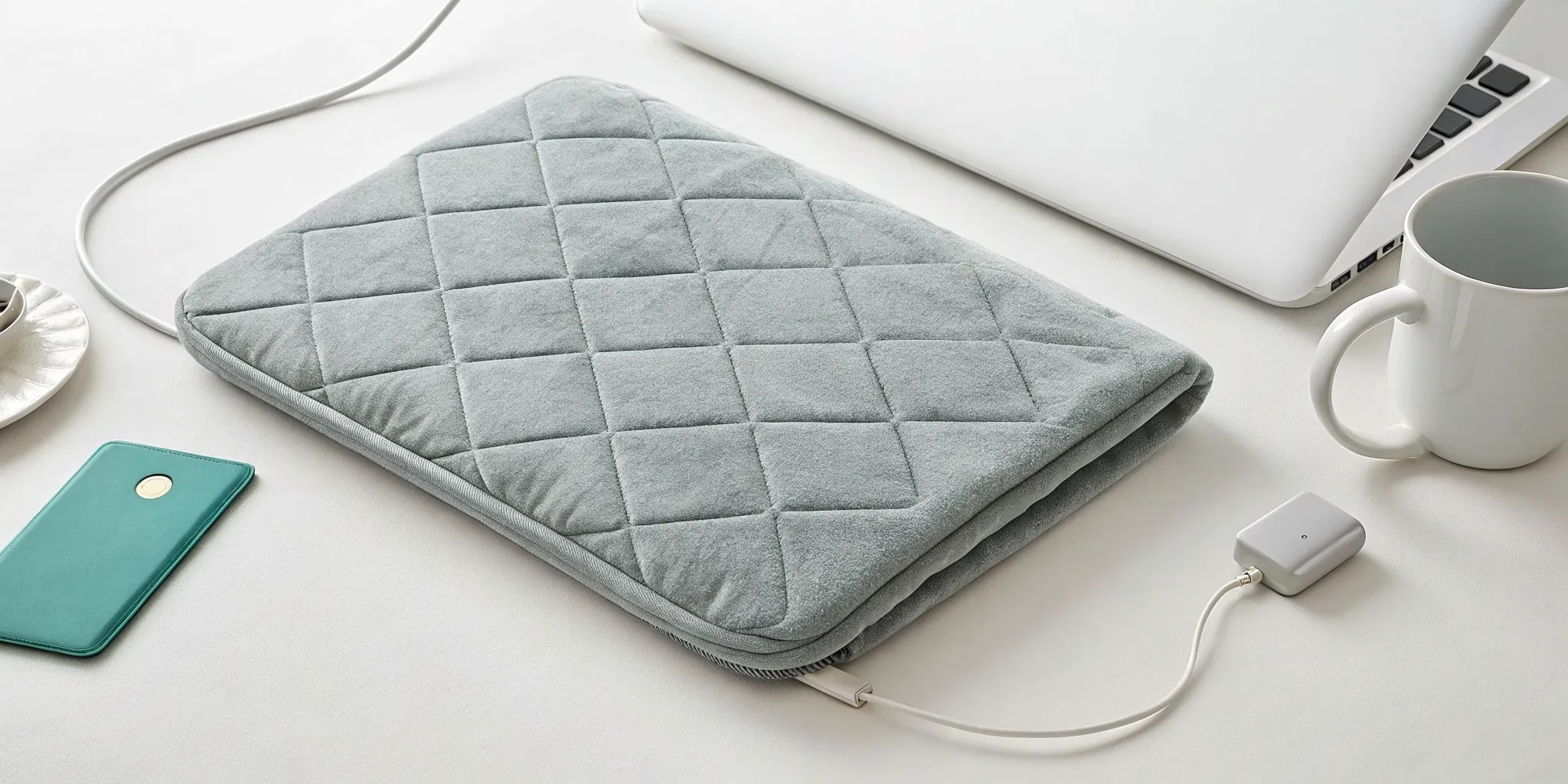
Building a well-stocked home wellness kit is one of the best things you can do for yourself. Having the right tools on hand means you’re prepared to handle everyday aches, pains, and minor injuries without a second thought. But stocking up on things like ice packs, bandages, and pain relief creams can add up. This is where your Flexible Spending Account (FSA) becomes your secret weapon. You can use your pre-tax dollars to build out your personal care arsenal. We’ll start with a foundational tool for comfort and relief, explaining exactly what you need to know to purchase an FSA eligible heating pad and other essential items to keep you feeling your best.
Key Takeaways
- Confirm your heating pad is a medical expense: Your FSA or HSA can cover most heating pads, but the key is using them for a specific medical condition, such as muscle pain or arthritis, not just for general comfort.
- Save your receipts for easy reimbursement: An itemized receipt is the most important document for your claim. For certain items, a Letter of Medical Necessity from your doctor can also help ensure your purchase is approved without issue.
- Explore other eligible pain relief items: Your FSA and HSA funds are not just for heating pads. You can also purchase other useful products like cold packs, topical pain creams, and compression sleeves to manage your health effectively.
What Are FSAs and HSAs?
If you have health insurance through an employer, you might have access to special savings accounts that help you pay for medical costs. Two of the most common are Flexible Spending Accounts (FSAs) and Health Savings Accounts (HSAs). Both let you set aside money for health expenses before taxes are taken out, which can save you a significant amount of money over the year. While they share a similar goal, they have some important differences in how they work. Understanding these accounts is the first step to making your healthcare dollars go further.
How an FSA Works
A Flexible Spending Account, or FSA, is a benefit offered by many employers. Think of it as a short-term savings account for predictable medical costs. According to the University of Utah, “An FSA or Health FSA will allow you to defer pre-tax dollars for future medical expenses incurred by you, your spouse and other tax dependents.” This means the money goes into your account straight from your paycheck before income taxes are calculated, lowering your taxable income for the year. You decide how much to contribute during your open enrollment period, and those funds are available to use for qualified medical expenses right away.
How an HSA Works
A Health Savings Account, or HSA, is another tax-advantaged account, but it’s paired with a high-deductible health plan (HDHP). An HSA offers a triple tax benefit. As the Transamerica Institute explains, “When you contribute money to your HSA, the funds are deducted from your pre-tax income…When you withdraw money from your HSA to pay for qualified medical expenses, you also don’t have to pay taxes on those withdrawals.” The third benefit is that your funds can be invested and grow tax-free. Unlike an FSA, the money in your HSA is yours to keep, even if you change jobs, and the balance rolls over year after year.
FSA vs. HSA: What’s the Difference?
While both accounts help you save money on healthcare, they aren’t interchangeable. As Fidelity notes, “Both HSA and FSA accounts are used for saving money for qualified health care expenses, but they do have a few key differences.” The biggest distinction comes down to ownership and flexibility. According to Investopedia, “The primary differences between HSAs and FSAs are that an FSA is employer-owned and less flexible; withdrawals are not allowed; and contributions cannot be rolled over to the next year.” This “use-it-or-lose-it” rule for FSAs is a major factor, whereas HSAs act more like a personal savings or investment account for healthcare that you own and control long-term.
Can I Use My FSA for a Heating Pad?
Yes, you absolutely can. A heating pad is an eligible expense for your Flexible Spending Account (FSA), Health Savings Account (HSA), and Health Reimbursement Arrangement (HRA). The key is that it must be used to treat a specific medical condition, not just for general comfort or relaxation. Think of it this way: your FSA is designed for legitimate medical expenses, and a heating pad used for pain relief fits that description perfectly.
To make sure your purchase qualifies, you just need to understand the concept of “medical necessity.” It’s a term that sounds more complicated than it is. It simply means you’re using the heating pad to prevent or treat a diagnosed health issue. Let’s break down what that looks like in practice.
Understanding Medical Necessity
When your FSA provider reviews a purchase, they want to see that the item is intended to address a health problem. A heating pad easily meets this requirement when you use it to soothe pain or stiffness. If a product is marketed primarily for relaxation, like a spa-style heated neck wrap, it might not qualify. However, standard heating pads are widely recognized for their therapeutic benefits, making them a straightforward, eligible purchase for treating pain and discomfort from various medical conditions.
Which Medical Conditions Qualify?
You don’t need a rare or severe diagnosis to justify your purchase. Many common ailments qualify for treatment with a heating pad. These include everyday issues like muscle strain from a tough workout, persistent lower back pain, or stiffness from sitting at a desk all day. It’s also a go-to for people managing chronic pain conditions like arthritis or recovering from an injury. As long as you’re using the heating pad to alleviate pain or treat a specific condition, you can confidently use your FSA funds to cover the cost.
Which Heating Pads Are FSA-Eligible?
The great news is that most heating pads you find in stores or online are eligible for purchase with your Flexible Spending Account (FSA) funds. The reason is simple: they are considered over-the-counter (OTC) medical devices. Their primary purpose is to treat or alleviate a medical condition, which is the key requirement for FSA eligibility. Whether you’re dealing with persistent back pain, stiff neck muscles from a long day at your desk, or uncomfortable menstrual cramps, a heating pad is a recognized tool for pain management. This means you can use your pre-tax dollars to get the relief you need, which is a smart way to handle your health expenses.
This eligibility isn’t limited to just one type of heating pad. Your FSA can cover a wide range of options, from standard electric pads to those offering advanced features like moist heat or gentle, weighted pressure. This flexibility allows you to choose the best tool for your specific needs without having to pay for it with post-tax money. Think of your FSA as a way to make everyday wellness and comfort more accessible. As you start shopping, you’ll find that most retailers clearly label which products are FSA-eligible, making the process straightforward and taking the guesswork out of your purchase.
Electric Heating Pads
When you picture a heating pad, you’re probably thinking of a classic electric one. These are the most common and widely available options, and yes, they are almost always FSA-eligible. They work by plugging into an outlet, using internal coils to generate consistent, controllable warmth. Electric pads are fantastic all-rounders, perfect for targeting pain in your back, shoulders, or legs. When you’re choosing one, look for key safety and comfort features. An automatic shut-off function is essential for peace of mind, preventing overheating if you doze off. Multiple heat settings are also a huge plus, allowing you to customize the temperature for maximum relief.
Moist Heat Pads
For a deeper, more penetrating warmth, a moist heat pad might be the right choice for you. This type of heat can be more effective at relaxing tight muscles and easing joint stiffness compared to the dry heat of a standard electric pad. Many electric models now come with a moist heat option, usually involving a damp sponge insert that creates steam. You can also find microwavable packs filled with materials like rice or flaxseed that provide moist heat. Because they serve a clear medical purpose for pain relief, these pads are also covered by your FSA. This makes them a great option if you find dry heat isn’t quite cutting it for your chronic aches.
Weighted Heating Pads
Weighted heating pads offer a wonderful two-for-one benefit: soothing warmth combined with the calming effects of deep pressure. Just like a weighted blanket, the gentle pressure from the pad can help reduce anxiety and create a comforting, grounded feeling. This makes them especially helpful for menstrual cramps, as the weight can feel like a reassuring hug for your abdomen. They are also great for anyone who holds tension in their shoulders or back. Since they are designed for therapeutic pain and stress relief, weighted heating pads are an FSA-eligible expense. It’s a perfect way to invest in a product that addresses both physical discomfort and mental ease.
What Paperwork Do I Need for Reimbursement?
Getting reimbursed for your heating pad is pretty straightforward, but it does require a little organization. Think of it like putting together a simple puzzle; you just need a few key pieces of paperwork to prove your purchase is eligible. Keeping these documents handy will make the process smooth and ensure you get your money back without any headaches. Let’s walk through exactly what you’ll need to have on hand.
Keeping Your Receipts
Your receipt is the most important piece of evidence for your reimbursement claim, so definitely hold onto it! Whether it’s a paper copy or a digital version, make sure it’s clear and legible. Your FSA or HSA administrator will need to see a few specific details to approve the expense. The receipt should clearly show the name of the store, the date you made the purchase, a description of the item (like “electric heating pad”), and the total amount you paid. A clear, itemized receipt is your best friend in this process, as it leaves no room for questions.
Getting a Letter of Medical Necessity
Sometimes, an item like a heating pad might need a little extra justification. This is where a Letter of Medical Necessity (LMN) comes in. An LMN is simply a formal note from your doctor explaining why you need the heating pad to treat a specific medical condition. You won’t always need one, but it’s a good idea to get one if you’re unsure if your purchase qualifies. Having this letter can be the key to getting your claim approved, especially for items that have both medical and general wellness uses. You can simply ask your healthcare provider for this letter during your next visit.
Finding UPC Codes and Item Descriptions
To verify your purchase, your benefits administrator may want to see the product’s UPC code. This is just the barcode found on the product packaging. The easiest way to handle this is to submit a receipt that includes a detailed description of the item you bought. If your receipt is vague, you can also take a quick photo of the heating pad’s box, making sure the UPC code is visible. This helps confirm that you purchased an eligible medical device and not a general wellness product, making your reimbursement request much easier to process.
How to Get Reimbursed for Your Heating Pad
Once you have your paperwork in order, using your FSA or HSA funds is pretty straightforward. You generally have two options: paying out-of-pocket and getting reimbursed, or paying directly with your account card. Both paths lead to the same result, so you can choose the one that works best for you.
Submit a Reimbursement Request
If you pay for your heating pad with your own money, you’ll need to submit a claim to get your money back. The key to a smooth process is a detailed receipt. Make sure it clearly shows the store’s name, the purchase date, a description of the item (like “electric heating pad”), and the total price you paid. Your FSA administrator needs this information to verify the purchase. Most providers have an online portal where you can upload a photo of your receipt and your Letter of Medical Necessity, if you needed one. It’s a good habit to snap a picture of your receipt right after you buy it so you don’t misplace it.
Pay Directly With Your FSA Card
The easiest way to cover your purchase is to use your FSA or HSA debit card at checkout. This method is super convenient because it pulls the money directly from your account, so you don’t have to wait for a reimbursement. You can use your card at pharmacies, medical supply stores, and even some online retailers that sell FSA-eligible products. Even when you pay directly, always hang onto your receipt. Your plan administrator might ask for it later to confirm that your purchase was for a qualified medical expense, so it’s smart to have it on hand just in case.
What to Expect for Processing Times
So, how long does it take to get your money back? Processing times for reimbursement can vary quite a bit depending on your provider. Some process claims in a few days, while others might take a couple of weeks. The best way to get an accurate timeline is to check directly with your FSA or HSA administrator. You can usually find this information on their website or by giving them a call. To avoid any delays or denied claims, it’s always a good idea to double-check that the specific heating pad you want is eligible before you make the purchase.
Where to Buy FSA-Eligible Heating Pads
Once you know which heating pad you need, the next step is finding where to buy it. The great news is that FSA-eligible heating pads are widely available, so you won’t have to go on a scavenger hunt. You can find them at your favorite big-box online stores and right around the corner at your local pharmacy. Many retailers even label items as “FSA-eligible” to make shopping even simpler. Whether you prefer the convenience of online shopping or want to see the product in person, you have plenty of options.
Online Retailers and FSA Stores
Shopping online is often the easiest way to find exactly what you’re looking for. Major retailers like Amazon and Walmart have dedicated sections for FSA and HSA eligible items, which takes the guesswork out of your search. You can browse a huge variety of heating pads, from extra-large models for your back to cordless ones you can wear on the go. You’ll see popular brands like Sunbeam and Geniani, making it simple to compare features and read reviews from home. Many sites even let you filter your search to only show eligible products, streamlining the entire process.
Pharmacies and Medical Supply Stores
If you prefer to shop in person, your local pharmacy or medical supply store is an excellent place to look. Chains like CVS and Walgreens, and even the pharmacy section of your grocery store, typically stock a good selection of heating pads. The best part about buying in-store is that you can often pay directly with your FSA or HSA debit card, just like a regular purchase. If you don’t have a dedicated card, you can simply pay out of pocket and submit a claim for reimbursement later. Just remember to keep your receipt, as you’ll need it for your records.
How to Choose the Right Heating Pad
Once you know your heating pad is likely FSA-eligible, the next step is picking the perfect one for you. With so many options on the market, it can feel a little overwhelming. But finding the right fit really comes down to a few key considerations. Thinking about where you need relief, what features will make you feel most comfortable, and why you need it in the first place will help you find a heating pad that feels like it was made just for you.
Choosing a heating pad isn’t just about grabbing the first one you see on the shelf. It’s about making a smart, informed decision that will genuinely help you feel better. By focusing on size, safety features, and your specific health needs, you can confidently select a product that provides effective relief. Let’s walk through how to make the best choice for your body and your wellness goals.
Consider the Size and Coverage Area
When it comes to pain relief, one size definitely does not fit all. The effectiveness of a heating pad often depends on its ability to cover the entire affected area. If you’re dealing with widespread lower back pain, a small, square pad probably won’t provide the relief you’re looking for. You’ll want to look for a heating pad that is the right size and shape for the body part where you need pain relief, like an extra-large one for your back or shoulders. Contoured pads are designed to wrap comfortably around your neck, while more flexible options are great for joints like knees and elbows.
Check the Heat Settings and Safety Features
Beyond just getting hot, today’s heating pads come with features that add both safety and comfort. Many pads come with useful features such as different heat levels, an automatic shut-off for safety, and options for moist or dry heat. Adjustable temperature settings allow you to customize the intensity, which is great since some days you might need gentle warmth and others, more powerful heat. An auto shut-off function is a must-have safety feature, especially if you think you might doze off while using it. Also, consider if you’d benefit from moist heat therapy, which can penetrate muscles more deeply than dry heat.
Match the Pad to Your Medical Needs
Finally, and this is a big one for FSA purposes, make sure the heating pad you choose aligns with your specific medical needs. Remember, heating pads must be used to treat a medical condition to be eligible for FSA or HSA funds. If a heating pad is mainly marketed for relaxation or general comfort, it might not qualify. Before you buy, think about what you’re treating. Are you looking for targeted relief for menstrual cramps, deep heat for arthritis pain, or broad coverage for muscle soreness from an injury? Choosing a pad designed for your specific condition will not only ensure it’s an eligible medical expense but will also give you the most effective relief.
How Much Can You Save With Your FSA?
Using an FSA for items like a heating pad is smart, but the real win is the money you save on taxes. Because you fund the account before taxes are taken out of your paycheck, you’re essentially getting a discount on every eligible purchase you make. It’s a straightforward way to make your healthcare dollars stretch a little further. Let’s break down exactly how those savings work and what you need to know about contribution limits.
A Look at Your Tax Savings
The magic of an FSA comes from using pre-tax dollars. When you contribute to your account, the money is taken from your paycheck before income taxes are calculated. This lowers your total taxable income for the year, which means you’ll owe less to the government. According to HealthEquity, this simple step can lead to significant savings.
For example, if you’re in a 22% tax bracket and you contribute $2,000 to your FSA, you could save around $440 in taxes that year. You were going to spend that money on health expenses anyway; this way, you get to keep more of your hard-earned cash.
Know Your Annual Contribution Limits
To keep things fair, the IRS sets annual contribution limits for FSAs. These amounts can change from year to year to adjust for inflation. For 2024, you can contribute up to $3,200. It’s a good idea to check the current limit during your open enrollment period so you can plan your contributions accordingly.
If you’re married and your spouse also has an FSA through their job, you can both contribute up to the maximum in your separate accounts. This allows your family to double its tax-advantaged savings for healthcare expenses. Just remember to plan your spending, as FSA funds typically have a “use it or lose it” rule.
What Other Pain Relief Items Are FSA-Eligible?
Your FSA is a powerful tool for managing your health, and its benefits go far beyond just heating pads. Once you start looking, you’ll find a whole world of pain relief products you can purchase with your pre-tax dollars. Thinking about your pain management strategy holistically allows you to build a personalized toolkit for whatever life throws your way. From acute injuries to chronic aches, your FSA can help cover the cost of items that bring you comfort and relief, making it easier to stay active and feel your best. Let’s explore some of the most common and useful FSA-eligible categories.
Hot and Cold Therapy
We’ve established that heating pads are FSA-eligible because they are considered medical expenses for treating issues like muscle strain, chronic pain, and stiffness. But the temperature therapy options don’t stop there. The same logic applies to cold therapy, making items like reusable ice packs and instant cold compresses eligible as well. Having both on hand is a smart move, as they serve different purposes. Heat is fantastic for soothing stiff joints and relaxing sore muscles, while cold is your go-to for reducing swelling and inflammation from a new injury. Understanding when to use hot or cold therapy can make a huge difference in your recovery and comfort.
Compression Gear and Topical Relievers
Beyond temperature-based relief, your FSA covers a surprisingly wide range of helpful products. Many people don’t realize that their account can be used for topical pain relievers, such as creams, gels, or sprays that contain active pain-relieving ingredients. Think of brands like Icy Hot or Bengay. Additionally, compression gear like socks, sleeves, and braces can be eligible, especially if you have a condition like arthritis, plantar fasciitis, or poor circulation. While some of these items might require a Letter of Medical Necessity from your doctor, it’s worth looking into. Your FSA is designed to cover a broad list of eligible medical expenses, including first-aid supplies and certain over-the-counter medications.
Related Articles
- FSA vs. HSA: What’s the Difference in 2025?
- FSA vs. HSA Benefits: The Ultimate 2026 Guide
- FSA Pros and Cons: Complete Benefits vs Risks Guide
- FSA Account vs HSA: Which One Should You Choose?
Frequently Asked Questions
What’s the main difference between an FSA and an HSA? The simplest way to think about it is ownership and longevity. An FSA is an account you have through your employer, and the funds generally must be used within the plan year. An HSA, on the other hand, is a personal savings account that you own. The money is yours to keep and rolls over year after year, even if you change jobs, and you can even invest it for long-term growth.
Do I really need a doctor’s note to buy a heating pad with my FSA? Not usually, but it’s a great question. Most standard heating pads are considered qualified over-the-counter medical devices, so you typically don’t need a doctor’s note, which is formally called a Letter of Medical Necessity. However, if you’re buying a more specialized or expensive device, or if your plan administrator ever questions a purchase, having that letter from your doctor is the best way to confirm the expense is for a valid medical need.
What happens to the money in my FSA if I don’t spend it all? This is the most important rule to know about FSAs. Most plans operate on a “use-it-or-lose-it” basis, meaning you forfeit any funds left in the account at the end of the plan year. Some employers offer a grace period of a couple of months or allow you to carry over a small amount to the next year, so it’s essential to check your specific plan details. This is why planning your contributions and expenses is so important.
Can I use my FSA to buy a heating pad for a family member? Yes, you can. Your FSA funds can be used for qualified medical expenses for yourself, your spouse, and your dependents, even if they are not covered by your health insurance plan. So if your partner needs a heating pad for back pain or your child needs one for growing pains, you can confidently use your FSA card or submit the expense for reimbursement.
Besides heating pads, what’s a surprising item I can buy with my FSA? You’d be amazed at what qualifies. Your FSA can cover a wide range of health and wellness products that you might be buying anyway. For example, sunscreen with SPF 30 or higher, contact lens solution, first-aid kits, and even certain acne treatments are all eligible expenses. It’s always a good idea to check your plan’s eligibility list to see all the ways you can use your pre-tax dollars.