
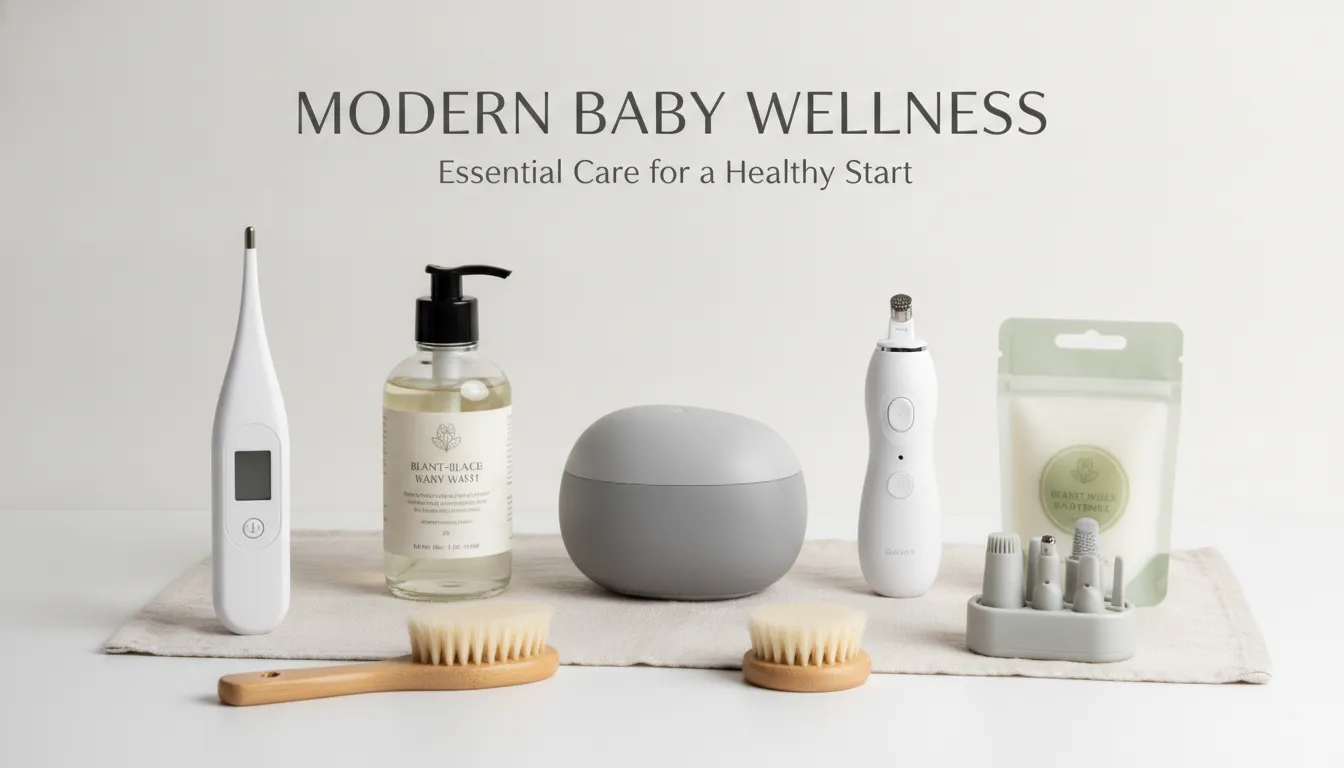
FSA eligible baby products can include a breast pump, while standard diapers usually do not qualify. That difference can turn a rushed baby-care purchase into another receipt parents must sort out later.
Explore Daylii’s FSA product finder before your next baby-care purchase.
FSA eligible baby products are items used for medical care, diagnosis, treatment, prevention, or lactation rather than routine childcare or hygiene. Common examples include breast pumps and related supplies, thermometers, nasal aspirators, first aid supplies, certain medicines, and some health-tracking monitors. The IRS confirms that breast pumps and supplies that assist lactation qualify as medical care, while products with mixed uses may require supporting documentation. Everyday products such as diapers, wipes, standard lotions, cribs, and ordinary video monitors generally do not qualify because they serve routine childcare needs instead. Before buying, check your plan’s rules, confirm the exact product, keep an itemized receipt, and ask whether a Letter of Medical Necessity is needed.
This guide answers what usually qualifies, what may need documentation, what to leave off your list, and how Daylii reduces reimbursement guesswork. Start with a practical shopping checklist, then review FSA eligible baby products parents can usually buy. The path begins with a clear look at what parents can usually buy.
FSA eligible baby products parents can usually buy
FSA eligible baby products usually include baby-care items with a clear medical, diagnostic, treatment, prevention, or lactation purpose. Breast pumps, thermometers, nasal aspirators, first aid supplies, and certain sunscreens are stronger candidates than routine diapers, wipes, bottles, or nursery gear.
FSA eligible baby products are items used to prevent, diagnose, treat, or ease a health issue. That medical purpose matters more than the product’s location in a baby aisle. For a faster way to sort possible purchases, parents can use Daylii’s eligibility guidance before they shop.
Coverage can still vary by plan. Your plan administrator may interpret a product’s use differently or ask for added documents. Check the product details, keep the itemized receipt, and confirm unclear purchases before using FSA funds.
Feeding and postpartum care
Breast pumps are among the clearest eligible choices for new parents. The IRS states that breast pumps and supplies that assist lactation count as medical care. Related supplies may include replacement pump parts and items made to support pumping.
Some postpartum recovery basics may also qualify when they serve a clear medical need. Examples can include compression garments or specialized nursing care. These items may need a Letter of Medical Necessity, so ask your administrator what proof the plan accepts.
Home health and first aid
Thermometers, first aid kits, and basic wound-care supplies are common medical purchases for families. A digital thermometer helps parents track body temperature at home. First aid kits may contain useful supplies such as bandages and antiseptics.
- Choose a thermometer made for accurate body-temperature readings.
- Look for first aid supplies meant to treat minor injuries.
- Keep each receipt with the product name and purchase date visible.
Nasal aspirators may qualify when they are designed to clear a baby’s congestion. Standard hygiene goods, such as baby wipes, soap, and everyday lotion, usually do not qualify. The IRS separates medical care from products bought only for general health or hygiene.
Skin protection and special-use products
Sunscreen can be an eligible medical purchase, but parents should check the exact product and their plan’s rules. Products marketed mainly as cosmetics may receive different treatment. Save the label or online product page if it helps show the medical purpose.
Specialized baby monitors and other health tools may qualify with medical documents. A standard video monitor, bottle, diaper, or nursery item usually serves routine child care instead. When an item could have both medical and everyday uses, get plan guidance before buying it with FSA funds.
A quick check can prevent a denied claim later. Review the product description, ask whether a Letter of Medical Necessity is needed, and store the receipt with any supporting note.
Eligible vs not eligible baby products at a glance
FSA eligible baby products usually have a clear medical purpose. Products used for routine feeding, hygiene, comfort, or child care usually do not qualify. Some items fall between those groups because their eligibility depends on a diagnosis, prescription, or Letter of Medical Necessity.
Use this table as a quick starting point, not a final coverage decision. Rules and documentation needs can vary by plan. Your plan administrator can confirm whether an item qualifies and what records you must submit.
Quick eligibility comparison
| Product group | Common status | What to check |
|---|---|---|
| Thermometers and breast pumps | Generally eligible | Confirm covered pump supplies and replacement parts. |
| Sunscreen and postpartum recovery products | Often eligible, but product details matter | Check the item’s medical purpose and plan rules. |
| Prenatal vitamins and infant formula | May require documentation | Ask whether a prescription or Letter of Medical Necessity is required. |
| Medical baby monitors and humidifiers | May require documentation | Confirm that the item treats or monitors a diagnosed condition. |
| Standard baby monitors and bottles | Generally not eligible | Routine feeding and child-care items usually do not qualify. |
| Diapers, wipes, and general toiletries | Generally not eligible | Routine hygiene items usually do not qualify. |
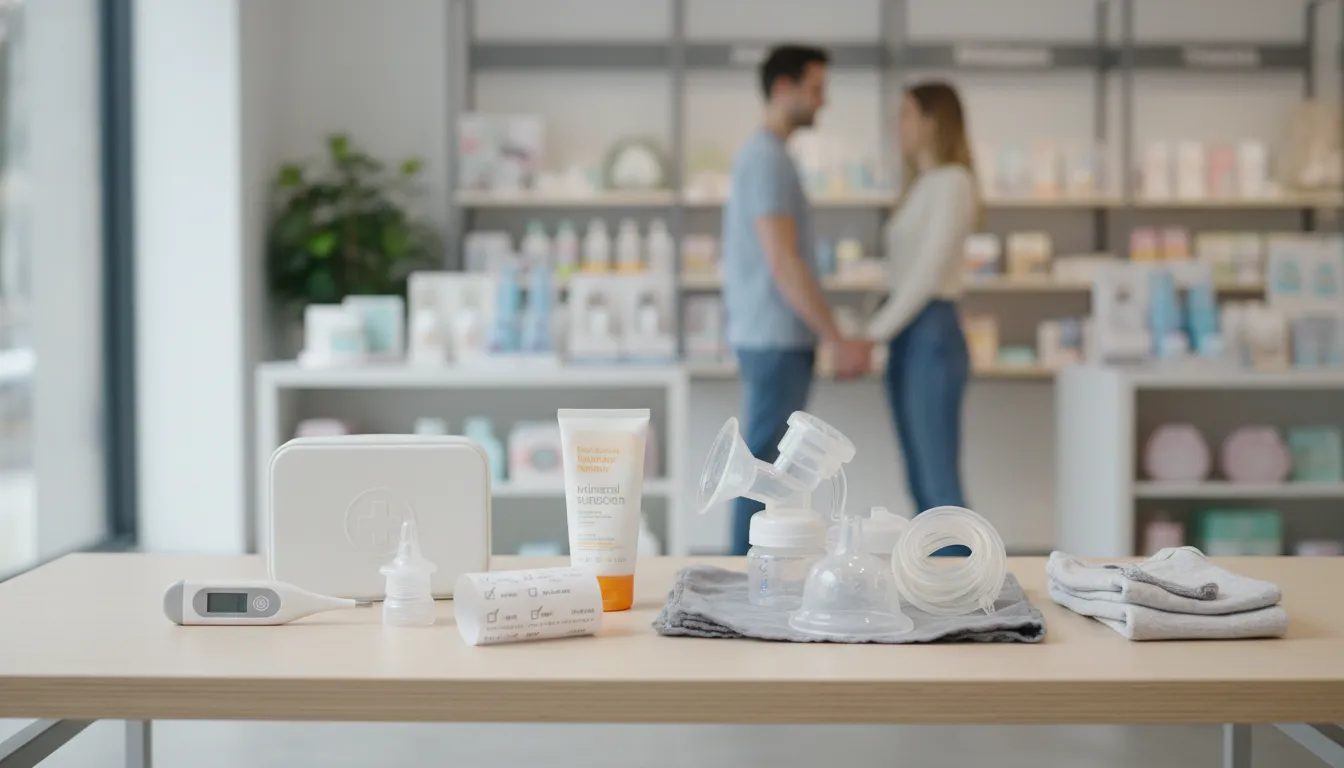
Items with a clear medical purpose
Thermometers are medical devices used to measure body temperature. They are generally eligible, while an ordinary video baby monitor is usually a child-care item. A medical monitor may qualify when it tracks a specific condition, but the plan may ask for supporting records.
Breast pumps and supplies that support lactation have direct IRS support as medical care. The IRS guidance on breast pumps explains why they qualify. Covered supplies can include items that help the pump work, though families should confirm each purchase with their plan.
Sunscreen and some postpartum recovery products may also qualify when they serve a medical purpose. Product type matters, so don’t assume that every lotion, garment, or recovery aid is covered. For more examples, review Daylii’s guide to FSA eligible baby products before shopping.
Items that need a closer look
Diapers, wipes, standard bottles, and general toiletries are commonly used for routine care. That makes them different from products bought to treat or monitor a medical condition. IRS guidance also separates medical expenses from items used for nutrition, wellness, and general health.
Formula, prenatal vitamins, humidifiers, and specialized monitors can require a closer review. A plan may request a prescription or Letter of Medical Necessity that connects the purchase to a diagnosed condition. Keep the receipt, product details, and any supporting medical records needed for the claim.
Before paying, check the exact product with your plan administrator. Ask whether the item is eligible, whether documentation is needed, and whether the seller’s receipt has enough detail. This short check can prevent confusion when you submit the expense.
A new parent shopping checklist for FSA purchases
A short check before checkout can prevent extra work later. Treat each product as a separate decision, even when several items appear in one order. This process helps you sort likely medical expenses from everyday baby supplies without relying on a broad store category.
Before adding items to your cart
Start with the product’s purpose, not its aisle or marketing language. A helpful starting point is Daylii’s guide to FSA eligible baby products. Then confirm each exact item under your plan because similar products can have different uses, labels, and requirements.
- Check the exact product’s eligibility. Search the full product name, size, and model. Do not assume every item in an eligible category will qualify.
- Compare SKU labels before buying. Match the SKU or UPC shown by the eligibility tool with the code on the item. A different size or bundle may have a different code.
- Separate medical items from convenience items. Put products used for care, treatment, or monitoring in one group. Keep routine hygiene and household supplies in another group for review.
- Ask about documentation. Contact your plan administrator when an item may serve both a medical and an everyday purpose. Ask whether it needs a Letter of Medical Necessity before purchase.
- Keep an itemized receipt. Save a clear copy that shows the retailer, purchase date, product name, price, and payment method. Store related plan notes or medical documents with it.
- Use Daylii to check and organize. Review the item before checkout, then keep its purchase record ready for reimbursement. This can reduce repeated searches during a busy week.
Make your list before opening a retailer’s site. Note the medical need beside each product and flag anything that may need plan approval. This gives you a clear reason to pause when a similar but unverified item appears.
At checkout and after purchase
Pay for eligible items separately when practical. A separate transaction makes the receipt easier to read and keeps routine supplies out of the claim record. The IRS guidance on medical expenses also explains why products bought only for general health do not qualify as medical expenses.
Check that the receipt lists each item rather than showing only a total. Save a digital copy before the paper fades or gets lost. If a claim needs review, send only the records requested by your plan administrator.
A faster way to reduce guesswork
New parents rarely have time to compare broad rules with every store label. Daylii’s eligibility and reimbursement process helps connect product checks with purchase records. You still need to follow your plan’s rules, but you can keep the main steps in one clear workflow.
Which baby products may need a Letter of Medical Necessity?
A Letter of Medical Necessity may be needed when a baby product has both routine and medical uses or is tied to a diagnosed condition. Plans often ask for documentation before approving specialized monitors, humidifiers, therapeutic skin products, or postpartum recovery items that are not automatically eligible.
A Letter of Medical Necessity, often called an LMN, is a note from a licensed health care provider. It explains why a product is needed to treat, ease, or prevent a specific condition. An LMN can help show that an item serves a medical purpose rather than routine comfort or general wellness.
FSA eligibility often turns on the item’s medical purpose. The IRS describes medical care as including expenses that affect a body structure or function. Its guidance also separates medical care from general health spending. This distinction can matter when reviewing FSA eligible baby products.
Items with both medical and everyday uses
A product may need an LMN when families commonly use it without a diagnosed medical need. A humidifier is one example. It may offer everyday comfort, but a provider might recommend it to help manage a specific condition. The same issue can apply to a health-tracking baby monitor instead of a standard video monitor.
Common examples include humidifiers for a diagnosed breathing condition. Other examples include special feeding tools, condition-specific monitors, and skin-care products used in a prescribed treatment plan.
These examples are not automatic approvals. A plan may ask for the diagnosis, the recommended item, and the expected length of use. Ask your provider to connect the product clearly to the medical need.
Feeding and postpartum products
Some feeding and postpartum items have clearer medical uses than others. For example, the IRS recognizes breast pumps and supplies that assist lactation as medical care. Special feeding supplies may still need an LMN when their purpose is tied to reflux, swallowing trouble, an allergy, or another condition.
Certain postpartum products may also fall into a gray area. A compression garment, support belt, or specialized recovery supply might serve either comfort or treatment. If a provider recommends one for a specific postpartum condition, ask whether your FSA administrator needs an LMN before purchase.
What to confirm before buying
Requirements can vary by FSA plan and by product. Before spending funds, contact your plan administrator and ask what documents it accepts. Federal guidance also advises people to check their plan for eligible expenses.
- Ask whether the exact product needs an LMN.
- Confirm which details the letter must include.
- Keep the letter, itemized receipt, and related records together.
- Check whether the LMN must be renewed for later purchases.
An LMN does not guarantee reimbursement. This information is general guidance, not medical, legal, or tax advice. Your provider can explain the medical need, while your plan administrator can confirm its claim rules.
How Daylii helps reduce reimbursement guesswork
New parents rarely have spare time to study benefit rules while comparing baby care products. Daylii is designed to make that work easier through AI-powered guidance, product discovery, receipt parsing, and reimbursement support. Its goal is to add clarity without treating any item or claim as guaranteed.
A clearer path to eligible products
Daylii aims to connect a family’s needs with products that may meet FSA rules. Instead of searching broad lists, parents can use guided discovery to narrow their options. This can make it easier to find relevant FSA eligible baby products before buying.
That guidance matters because eligibility often rests on an item’s medical purpose, not its baby-care label. A breast pump and its lactation supplies can qualify as medical care, according to IRS guidance on breast pumps. A standard hygiene product may fall outside the rules.
Less work after the purchase
Receipts can be hard to manage when they include groceries, baby supplies, and medical items together. Daylii’s planned automation is built to read receipt details and help sort likely eligible costs. This can reduce the need to type each item into a claim by hand.
The platform is also designed to help families organize the details needed for reimbursement. That support may include checking an item’s likely status and keeping key purchase records close at hand. Parents still need to follow their plan’s rules and provide any requested documents.
A simpler workflow can help during late-night purchases or busy weeks filled with appointments. Parents can review a product, save its receipt, and prepare the needed claim details in one place. They can also spot missing records before submitting a request.
Support without false certainty
Daylii offers guidance, not a promise that every purchase will be approved. An employer’s plan administrator may ask for more proof or make the final call on a claim. Families should confirm unclear items before purchase, especially when a product has both medical and general uses.
Used this way, Daylii’s reimbursement guidance for families can serve as a practical aid throughout the process. It can help parents move from product search to receipt review with fewer manual steps. That leaves more time for family needs while keeping benefit decisions grounded in plan rules.
Common mistakes that lead to denied FSA baby claims
A denied claim often starts before checkout. Parents may assume that any product made for a baby’s health or comfort will qualify. FSA eligibility depends on the item’s medical purpose, the plan’s rules, and the proof submitted with the claim.
Assuming every baby item qualifies
Routine childcare products are not automatically medical expenses. Standard wipes, soap, lotion, diapers, bottles, and video monitors usually serve daily care or hygiene needs. The IRS explains that costs tied to general health do not qualify unless they meet specific medical expense rules.
Check each product before paying with FSA funds. Start with its stated purpose, then confirm the item with your plan administrator. A clear medical use matters more than a store label or a product page badge.
Bundles create another risk. A feeding or recovery kit may include both eligible medical supplies and normal care products. Review every line item, and ask the seller for an itemized receipt when the package price does not show each cost.
Missing receipts and required documents
Keep the itemized receipt, product name, purchase date, amount paid, and proof of payment. A credit card slip alone may not show what you bought. Detailed records also help if questions arise later; the IRS guidance on medical expenses supports keeping records and receipts.
Some products can serve both medical and everyday purposes. Your plan may ask for a Letter of Medical Necessity, often called an LMN, before approving one. Ask your plan administrator what the letter must include before you buy or submit the claim.
Do not reuse an old LMN without checking its dates and terms. Make sure the product, medical need, and purchase period match the current document. If anything is unclear, request the needed paperwork before spending FSA dollars.
Waiting until year end
Leaving purchases and claims until year end gives you less time to fix missing documents or rejected line items. Review your balance and plan deadlines throughout the year. Submit claims soon after purchase while receipts and supporting records are easy to find.
- Save digital copies of receipts as soon as you buy an item.
- Separate mixed bundles into eligible and non-eligible line items.
- Track LMN dates and plan deadlines in one place.
A short review before checkout can prevent a long claims problem later. Use Daylii’s product discovery workflow to reduce guesswork, then confirm uncertain products with your plan administrator. Daylii’s guide to FSA eligible baby products can help you prepare a focused shopping list before you spend.
Frequently Asked Questions
These common questions help parents separate routine baby purchases from products that may qualify for FSA reimbursement. Always confirm the exact item with your plan administrator before relying on FSA funds.
What baby stuff is FSA eligible for?
FSA eligible baby products generally include items used for medical care, diagnosis, treatment, or breastfeeding. Common examples include thermometers, nasal aspirators, first aid supplies, breast pumps, and supplies that assist lactation. Eligibility can vary by product and plan. Check the item’s eligibility before buying, and keep an itemized receipt in case your plan administrator requests documentation.
Is buying diapers with an FSA allowed?
Standard diapers are generally not FSA eligible because they are routine hygiene and childcare products, not medical care. The IRS guidance on general health expenses explains that products used for general health do not qualify as medical expenses. A specialized product may have different rules when prescribed for a diagnosed condition, so confirm with your plan administrator.
Is a baby monitor FSA eligible?
A standard audio or video baby monitor is generally not FSA eligible because its main purpose is routine supervision. A specialized health monitor may qualify when it serves a medical purpose, but documentation can be required. Before purchasing one, ask your plan administrator whether that exact model qualifies and whether you need a Letter of Medical Necessity from a healthcare provider.
What breastfeeding supplies are FSA eligible?
Breast pumps and supplies that assist lactation are generally FSA eligible. This can include replacement pump parts, breast milk storage bags, and other products directly used for pumping or lactation support. The IRS states that breast pumps and supplies that assist lactation are medical care. Confirm the exact product with your plan and save the itemized receipt.
What baby bottles are FSA eligible for?
Standard baby bottles used for routine feeding are generally not FSA eligible. Bottles or collection containers designed as parts of a breast pump system may qualify because they assist lactation. Eligibility depends on the exact product and your plan’s rules. Verify the item before purchase, then keep its product description and itemized receipt to support a reimbursement claim if requested.
Ready to simplify your family’s FSA shopping?
Daylii gives families a clearer way to approach FSA and HSA product discovery before they spend. Use it to narrow the list, reduce reimbursement surprises, and keep your next baby-care purchase better organized.
Waiting to check product eligibility can leave useful FSA or HSA funds unspent while adding another time-consuming task to an already busy season. Starting now gives you more time to compare baby products, gather any needed records, and make informed choices before your plan’s important deadlines. A clearer discovery process helps you avoid last-minute searches and build a practical shopping list that fits your family’s changing needs.
Ready to bring more clarity to your next purchase? Contact Daylii and explore Daylii for easier FSA and HSA product discovery before your next shopping trip with confidence. Begin now so you have time to review options, confirm details with your plan, and keep useful records organized for reimbursement.
.