
A Health Savings Account is a fantastic tool, but figuring out what you can actually buy with it can feel like a pop quiz you didn’t study for. You know it covers prescriptions, but what about sunscreen or allergy medicine? This guide is here to give you the answers. We’ll walk through how to use your HSA card at CVS with total confidence, turning confusion into clarity. You’ll learn how to easily identify the huge range of cvs hsa eligible items, from first-aid supplies to everyday essentials, so you can make the most of every pre-tax dollar you’ve saved.
Key Takeaways
- Use Your HSA for Everyday Wellness: Your pre-tax funds cover more than just prescriptions; stock up on hundreds of over-the-counter items like pain relievers, first-aid supplies, menstrual care products, and sunscreen.
- Find Eligible Items with Confidence: CVS makes it easy to spot qualified products, so look for “HSA/FSA Eligible” shelf tags, use the in-store price scanner, or apply the eligibility filter when shopping online.
- Know What to Do if Your Card Is Declined: A declined card is usually a simple system error, so just pay with a different card, save the itemized receipt, and file for reimbursement through your HSA provider’s website.
What Is an HSA and How Does It Work?
Think of a Health Savings Account, or HSA, as a personal savings account, but specifically for qualified medical expenses. The big advantage is that the money you put in is tax-free. To open one, you generally need to be enrolled in a high-deductible health plan (HDHP). Once you have an HSA, you can contribute pre-tax dollars and use that money for everything from doctor’s visits and deductibles to a surprisingly wide range of over-the-counter items.
One of the best features of an HSA is that the funds are yours to keep. Unlike some other accounts, the money rolls over year after year, so you don’t have to worry about losing it at the end of December. It even stays with you if you change jobs or health insurance plans. Contribution limits can change, but for 2026, you can contribute up to $4,400 for yourself or $8,750 for a family. If you’re over 55, you can add an extra $1,000. These HSA benefits are a smart way to plan for both expected and unexpected health costs.
Are You Eligible for an HSA?
The main requirement for opening and contributing to an HSA is being enrolled in a qualified High Deductible Health Plan (HDHP). An HDHP is a type of health insurance plan that typically has a lower monthly premium but a higher deductible, which is the amount you pay out-of-pocket before your insurance starts to cover costs. This structure is what makes you eligible for an HSA, allowing you to set aside pre-tax money to cover that higher deductible and other medical expenses that pop up. If you have an HDHP through your employer or the marketplace, you’re likely ready to go.
How Do HSA Funds Work?
Using your HSA funds at CVS is incredibly simple. You’ll get a debit card linked to your account, which you can use just like any other card at checkout. For even easier online shopping, you can link your HSA card to your CVS.com account. When you buy a mix of items, the system automatically applies your HSA funds to the eligible products. You can then pay for any remaining non-eligible items with a different payment method. CVS also helps you track your spending through your ExtraCare card, giving you a handy report of your HSA-eligible purchases at the end of the year.
The New Rules for Over-the-Counter Meds
A few years ago, the rules for HSAs changed for the better, making it much easier to care for your everyday health needs. Thanks to a 2020 update, you can now buy many over-the-counter (OTC) medications and products with your HSA funds without needing a doctor’s note. This includes common items like pain relievers, allergy medicine, cold and flu remedies, and antacids. The list also covers acne treatments, menstrual care products, sunscreen, first aid supplies, and even at-home diagnostic tests. This change means your HSA is more useful than ever for stocking your medicine cabinet.
What Can You Buy at CVS with Your HSA?
Walking into CVS with your HSA card can feel like having a superpower, but it helps to know what’s on the approved list. The good news is that the list of eligible items is long and covers so much more than just prescriptions. From everyday health needs to unexpected sick days, your HSA is there to help you save. Thanks to some recent changes, it’s easier than ever to use your pre-tax dollars on over-the-counter products without needing a doctor’s note. Let’s walk through the aisles together, virtually, to see what you can add to your cart.
Over-the-counter medications
Remember when you needed a prescription just to use your HSA for allergy medicine? Thankfully, those days are over. A rule change in 2020 made it possible to buy many common over-the-counter (OTC) medications without any extra paperwork. This is a huge win for your wallet and your well-being. Now, you can stock your medicine cabinet with essentials like pain relievers, cold and flu remedies, antacids, and acne treatments, all using your pre-tax funds. It’s a simple way to be prepared for whatever life throws your way. CVS makes it easy to find these HSA and FSA benefits and eligible items.
First aid and diagnostic supplies
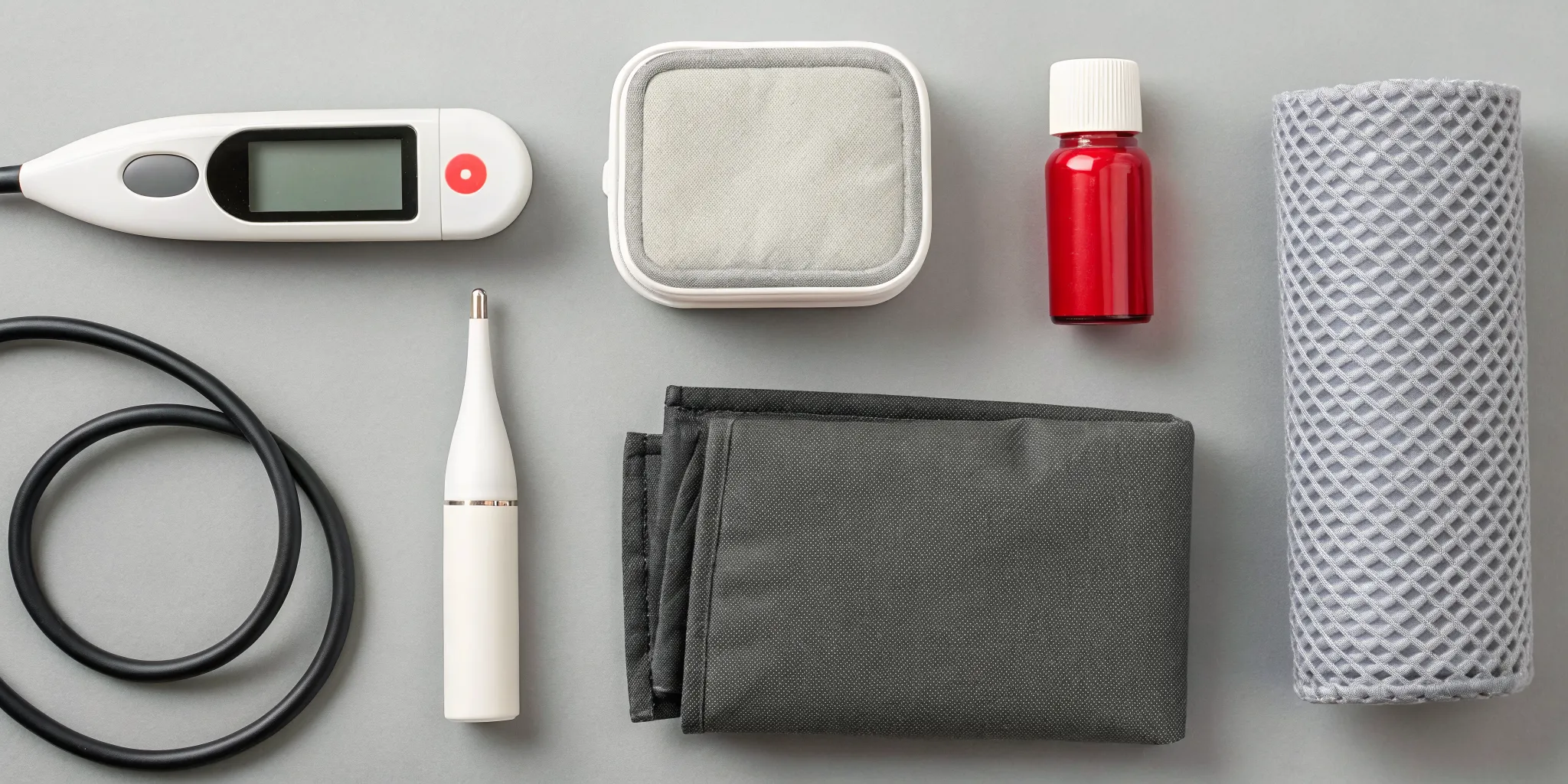
Being prepared for minor scrapes or illnesses is a smart move, and your HSA can help. You can use your card to purchase a wide range of first aid supplies at CVS. Think bandages, antiseptic wipes, antibiotic ointments, and hot or cold packs. It’s also the perfect way to pay for at-home diagnostic tools. This includes everything from a simple thermometer to blood pressure monitors and at-home health tests. Having these items on hand means you can take charge of your health from the comfort of your home, and using your HSA makes it more affordable to do so.
Feminine care products
This is a big one. Menstrual care products are finally recognized as the essential health items they are, and they are fully HSA-eligible. You can now use your pre-tax dollars at CVS to buy tampons, pads, menstrual cups, and other period care products. This change helps reduce the financial burden of monthly necessities. It’s a straightforward way to make your healthcare funds work for your real-life needs. Stocking up on these essentials during your next CVS run is a smart and simple way to put your HSA to good use.
Sunscreen and personal care products
Preventative care is one of the smartest ways to manage your health, and your HSA is here for it. Sunscreen with an SPF of 15 or higher is an eligible expense, allowing you to protect your skin without paying out-of-pocket. While general personal care items like regular lotion or makeup aren’t covered, some products that serve a medical purpose are. This can include certain medicated acne treatments or lip balms that contain sun protection. Always check the label for an “HSA-Eligible” marker to be sure before you head to the checkout counter.
Home medical equipment and diagnostic tests
Your HSA can also cover larger medical items that help you manage your health at home. This includes durable medical equipment like crutches, walkers, blood pressure monitors, and blood sugar test kits. If you need a nebulizer for asthma or a hearing aid, your HSA funds can be used for those purchases as well. At-home diagnostic tests, such as pregnancy tests, cholesterol tests, and COVID-19 tests, are also eligible. This makes it easier to monitor your health and get quick answers when you need them most.
MinuteClinic services
Did you know your HSA can pay for medical services, too? You can use your card to cover eligible visits at the CVS MinuteClinic, whether you see a provider in person or through a video visit. This is perfect for handling minor illnesses, getting vaccinations, or having a routine health screening. Using your HSA for these services is a convenient way to get the care you need while taking advantage of your pre-tax savings. It simplifies the payment process and helps you keep your health spending organized in one place.
What Isn’t Covered?
While the list of eligible items is extensive, some things are not covered. Generally, items for cosmetic purposes or general wellness, like most vitamins, supplements, or diet foods, are not eligible without a doctor’s note. However, if your doctor determines that an item is essential for treating a specific medical condition, you may be able to get it covered. This requires a “letter of medical necessity” (LMN) from your provider. For example, a weight loss program could become eligible if your doctor prescribes it to treat a condition like obesity or heart disease.
How to Find HSA-Eligible Items at CVS
Figuring out which products you can buy with your HSA card shouldn’t feel like a treasure hunt. Luckily, CVS makes it pretty simple to spot eligible items, whether you’re walking the aisles or shopping from your couch. With a few easy tricks, you can shop with confidence and make sure you’re getting the most out of your health savings. Here are a few straightforward ways to identify HSA-eligible products next time you’re at CVS.
Look for HSA-Eligible Labels In-Store
When you’re shopping in a physical CVS store, keep an eye out for shelf tags or product packaging marked with “HSA/FSA Eligible.” CVS does a great job of labeling thousands of common items, from pain relievers to first-aid supplies. This simple tag is your green light, taking the guesswork out of your purchase. It’s the quickest way to confirm if an item qualifies, so you can add it to your basket and head to checkout without any second-guessing. CVS even provides a helpful overview of HSA and FSA benefits to get you started.
Use the In-Store Price Scanner
If you find an item without a clear label, don’t just put it back on the shelf. Head over to the red price-check scanner, often located at the end of an aisle. These machines do more than just tell you the price; when you scan a product’s barcode, the screen will often display whether it’s HSA or FSA eligible. This is a fantastic tool for double-checking items or for those moments when you’re unsure. It acts as your personal eligibility checker right in the store, giving you an immediate answer and helping you shop smarter.
Filter for Eligible Items Online
Prefer to do your shopping from home? The CVS website is designed to make finding eligible products a breeze. As you browse different categories, look for a filter option, usually on the side of the page, that says “HSA/FSA Eligible.” Checking this box will instantly narrow down the selection to only show you items that qualify for purchase with your HSA funds. This is especially helpful for stocking up on essentials, as you can fill your entire cart with approved products and avoid any surprises at the virtual checkout.
A Quick Rule of Thumb for Eligibility
When you’re in a pinch, a simple rule of thumb can help guide your choices. Generally, products that treat or prevent a medical condition and are used on your body are eligible. Think of things like bandages, sunscreen, acne treatments, and contact lens solution. Items that go in your body for general wellness, like standard vitamins or dietary supplements, are often not covered unless prescribed. This aligns with the IRS’s general definition of qualified medical expenses, but remember it’s a guideline, and there are always exceptions.
What to Do if Your HSA Card Is Declined
It’s a frustrating moment: you’re at the checkout with a basket full of health essentials, you swipe your HSA card, and it gets declined. Before you feel a wave of panic, take a breath. This happens more often than you’d think, and it’s almost always an easy fix. It doesn’t mean you’ve lost your funds or that you can’t buy the items you need. It’s usually just a small snag in the system. Let’s walk through why this might happen and the simple steps you can take to sort it out without any stress.
Common Reasons for a Declined Card
Most of the time, a declined HSA card isn’t your fault. It’s often a technical issue at the point of sale. Sometimes, an item that should be eligible might not work with your HSA card at the register because of how it’s coded in the store’s system. Every HSA-eligible product has a special code, and if the checkout system doesn’t recognize it, it will reject the transaction. Other common reasons include having insufficient funds in your account or accidentally trying to purchase a non-eligible item in the same transaction. It’s rarely a major problem, just a signal that you need to use a different payment method for the moment.
How to Pay and Get Reimbursed
If your card is declined, don’t abandon your cart. The solution is simple: pay for the items using a different method, like your personal debit or credit card. The most important step is to save your itemized receipt. A credit card slip won’t cut it; you need the full receipt that lists each product you purchased. Once you have it, you can easily pay yourself back from your HSA. Just log in to your HSA provider’s online portal, submit a claim for reimbursement, and upload a photo of your receipt. The funds will then be transferred to your personal bank account, making you whole again.
When to Contact Your Benefits Administrator
If you’re ever unsure about a purchase or why your card was declined, your benefits administrator is your best resource. This is the company that manages your HSA, and their contact information should be on the back of your card or on their website. It’s a good idea to reach out if you have specific questions about what’s covered under your plan, as eligibility can sometimes vary. They can also walk you through the reimbursement process or troubleshoot any persistent issues with your card. Think of them as your go-to support team for making the most of your health savings account.
Make the Most of Your HSA at CVS
Your Health Savings Account is more than just a safety net; it’s a powerful tool for managing your health expenses wisely. When you use your HSA at a place like CVS, you combine the convenience of a one-stop shop with the financial benefits of your health plan. Getting the hang of it is simple, and a few key strategies can help you make every pre-tax dollar count. From stocking up on daily necessities to covering unexpected clinic visits, let’s walk through how you can use your HSA to its full potential.
Watch Your Pre-Tax Savings Grow
One of the best parts of an HSA is that your contributions are made with pre-tax money. Think of it as getting an instant discount on all your eligible health purchases. Since that money is taken from your paycheck before income taxes are calculated, you’re saving money right from the start. You can then use these funds for a wide range of approved medical costs, including doctor’s visit co-pays, deductibles, and prescriptions. Every time you use your HSA card for a covered expense, you’re taking advantage of those tax savings and making your healthcare budget stretch further.
Stock Up on Everyday Essentials
Your HSA isn’t just for prescriptions or doctor’s bills. You can use it to stock your medicine cabinet with hundreds of everyday health items. Thanks to recent changes, many over-the-counter products no longer require a prescription to be eligible. This includes things like pain relievers, allergy medicine, first-aid supplies, sunscreen, and menstrual care products. CVS makes it easy by highlighting HSA and FSA eligible items in a dedicated section both online and in its stores. Proactively buying these essentials means you’ll have what you need on hand while making smart use of your pre-tax health funds.
Link Your Card for Easy Online Shopping
For a truly seamless experience, link your HSA card directly to your CVS.com account. This simple step saves you from having to enter your card details every time you check out and makes managing your health spending that much easier. When you’re shopping online, you can use the website’s filter to show only HSA-eligible products, taking all the guesswork out of your purchase. This lets you confidently add items to your cart, knowing they’re covered. It’s a small setup that creates a much smoother and more confident shopping experience for all your health needs.
Cover Your MinuteClinic Visits
Don’t forget that your HSA funds can also cover a variety of health services. If you need to see a provider for a minor illness, vaccination, or physical, you can use your HSA card to pay for eligible services at a CVS MinuteClinic. This applies whether you walk in for an appointment or schedule a virtual E-Clinic visit from home. Having this option is incredibly convenient for those times when you need care quickly but don’t necessarily need a trip to your primary care doctor. It’s another smart way to put your pre-tax dollars to work for your immediate health and well-being.
Shop Smarter for Your Health at CVS
Using your HSA funds shouldn’t feel like a puzzle. CVS makes it straightforward to shop for your health needs, giving you the tools to spend your pre-tax dollars wisely and with confidence. By taking advantage of their in-store and online features, you can turn your regular shopping trips into smart financial decisions for your wellbeing. It’s all about making your health dollars work harder for you, one eligible purchase at a time.
Enjoy the Convenience of One-Stop Shopping
One of the best parts of shopping at CVS is that you can get almost everything you need in a single trip. To make it even easier, CVS helps you spot which items are eligible for purchase with your HSA funds. When you’re walking down the aisles, look for products marked with an “HSA/FSA Eligible” label on the shelf tag. If you prefer to shop online, you can simply use the website’s filter to find eligible products and add them to your cart. This takes the guesswork out of shopping and ensures you’re only buying items that qualify, streamlining your entire experience.
Manage Your Health Spending with Confidence
Feeling in control of your health spending is a great way to build confidence in your financial wellness. CVS offers a few simple ways to do this. For seamless online checkout, you can link your HSA or FSA card directly to your CVS.com account. If you use an ExtraCare card, it will help you keep a record of your purchases and can even provide a free annual report of your HSA and FSA spending. Plus, thanks to a rule change, many over-the-counter medicines and health items are now eligible without a prescription, giving you more freedom to care for yourself and your family.
Related Articles
- Health Savings Account Store: What & Where to Buy
- The Ultimate Guide to HSA Eligible Products
- What Can You Buy With an HSA? The Complete List
- HSA Eligible Items: The Ultimate Shopping List
- HSA Account Login: Your Step-by-Step Guide
Frequently Asked Questions
Do I lose my HSA money if I don’t use it by the end of the year? Not at all. This is one of the best features of an HSA. Unlike other accounts, your funds roll over indefinitely. The money is yours to keep, and it will stay with you even if you switch jobs or health plans. Think of it as a long-term savings account for your health that you can build up over time.
Can I use my HSA funds to buy things for my spouse or children? Yes, you can. Your HSA can be used to pay for qualified medical expenses for yourself, your spouse, and any dependents you claim on your tax return. This is true even if they are not covered by your high-deductible health plan. It makes the account a flexible tool for managing your entire family’s health costs.
What should I do if I accidentally buy a non-eligible item with my HSA card? It happens, so don’t worry. The best first step is to contact your HSA administrator, which is the company that manages your account. They can guide you on how to correct the error. Typically, you will need to repay the amount of the non-qualified purchase back into your HSA from a personal account to avoid any tax penalties.
Do I really need to save my receipts if my HSA card worked at checkout? Yes, it’s a very good idea to keep your itemized receipts for all HSA purchases. While using the card is convenient, you are still responsible for proving that your spending was on qualified medical expenses if the IRS ever asks. Keeping a digital or physical file of your receipts is the best way to have that proof ready, just in case.
Are vitamins and supplements covered by my HSA? Generally, vitamins and supplements for general health are not considered eligible expenses. However, there is an exception. If your doctor recommends a specific vitamin to treat a diagnosed medical condition, you can ask them for a “letter of medical necessity.” With that letter, the cost of that specific supplement can become an eligible expense.