
Pre-tax health accounts help people pay for medical supplies like protective underwear without the extra stress. These funds allow you to save money on products that manage a health condition. Using your balance helps you stay in control of your budget.
Check your FSA eligibility with daylii before you shop.
Yes. Incontinence supplies are generally FSA eligible when they help manage a medical condition. Many HSA and HRA plans treat adult briefs, protective underwear, pads, and underpads the same way.
You may not need a prescription for basic supplies, but your plan can ask for proof. Keep itemized receipts and any medical notes so reimbursement is easier.
Knowing what your plan covers is the first step toward getting the most value from your health benefits. We will look at specific rules for products and the records you need. The full answer to the question Are incontinence supplies FSA eligible? starts here.
Are incontinence supplies FSA eligible?
Yes, most incontinence supplies are eligible for reimbursement through a Flexible Spending Account (FSA). They must be used to manage a medical condition such as bladder or bowel leakage. The IRS views these items as medical care because they help treat a health need. This also applies to Health Savings Accounts (HSA) and Health Reimbursement Arrangements (HRA). Using these tax-free funds can help you manage the high cost of care. These costs often range from $900 to $4,000 per year.
How the IRS defines medical care
To be eligible, a product must be used mostly to prevent or ease a body defect or illness. According to IRS Section 213, medical care includes amounts paid for the treatment or stop of disease. For people with bladder or bowel control issues, items like adult diapers and pads are needed for daily health. They are not just for comfort; they solve a real medical need. You do not always need a note from a doctor. However, your plan may ask for a Letter of Medical Necessity to prove the items are for a health condition.
It is important to know which plans do not cover these costs. You cannot use a Limited-Purpose FSA or a Dependent Care FSA for these supplies. These accounts have strict rules that only allow for vision, dental, or child care costs. To be safe, you should check your plan rules through your HR portal. You can also learn how to use your FSA card at major stores to make shopping easier.
Eligible products versus personal care
Most standard supplies for adult care qualify as FSA eligible incontinence supplies. This list includes protective underwear, liners, and bed protectors. However, the IRS makes a clear split between medical needs and personal care. For example, baby diapers are not eligible for reimbursement. The IRS sees infant diapers as a regular personal expense. These are not tied to a specific illness or defect. If a product is just helpful to your general health but not for a disease, it is usually not covered.
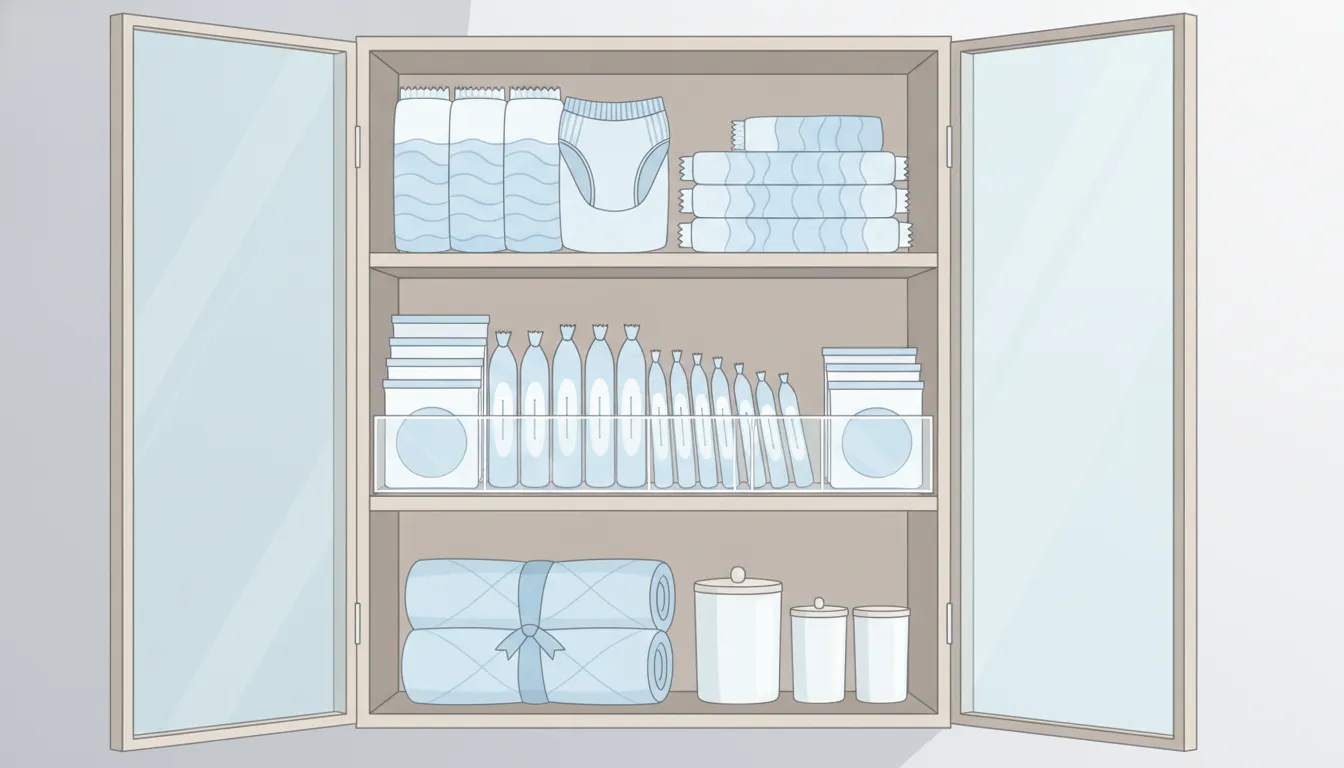
Examples include adult briefs, protective underwear, underpads, bladder control pads, liners, and skin care products for incontinence relief.
Managing records and paperwork
Keeping good records is the best way to ensure your claims get approved. You must keep clear, detailed receipts for every purchase. A valid receipt should show the store name, the date, and the specific items you bought. It should also list the price and the SKU number. Many plans also suggest keeping any notes from your doctor. This paperwork acts as proof if your plan manager asks for more details about your medical necessity. Our AI-native tools check every product against IRS rules in real time to help you shop with trust.
Which incontinence products usually qualify?
Adult briefs, protective underwear, bladder control pads, liners, guards, underpads, and bed protectors usually qualify as FSA eligible incontinence supplies. Medically needed skin-care items may also qualify. These tools must be for a clear health need to fit for tax-free funds. You do not usually need a doctor’s note for these items, but you should keep your receipts. Having good records makes it easy to get your money back later.
Wearable products for leaks
Adult briefs and pull-up style underwear are the most common items people buy. These products help people stay dry and active during the day or night. You can use your tax-free funds to pay for them if they treat a health issue. Most plans cover many sizes and styles to fit your needs. These items are a core part of managing a health state with dignity.
Briefs and pull-ups fall under the list of FSA eligible medical items that help with daily life. Liners and pads also count as medical care. These smaller items provide light to heavy help. They fit inside daily underwear to catch leaks. You can buy these at many stores or online shops. They offer a thin profile so you can wear them with most clothes.
Using your card at the checkout is a quick way to pay. It keeps your health spending separate from your other costs. Many major stores allow you to scan your card right at the till. If you shop online, many sites mark these items as fit for your funds. This helps you find what you need without a long search.
Bedding and skin care items
Protecting your bed is just as vital as personal care. Underpads and bed covers are usually covered. These items stop leaks from reaching chairs or beds. They are often called chux or bed pads. They help you stay clean and dry while you sleep. This care is part of treating your health state. Using these items can lower the risk of skin issues from damp beds.
Wipes and skin creams may also fit for getting your money back. You must show they are a need for your health state. For example, a cream that stops skin sores from leaks is often covered. These items keep your skin healthy and strong. You should check with your plan head to see what they allow. Most medical care costs are deductible if they treat a physical defect or illness based on U.S. rules.
You can also buy items like disposal bags or special pails. These help you keep your home clean and free of smells. If these items are for your health state, they may qualify. It is best to check the product list in your plan portal. Keeping a clean space is a key part of your care plan.
| Product Type | Examples | Status | Note |
|---|---|---|---|
| Wearable Gear | Adult briefs, pull-ups | Usually Eligible | Treats health state. |
| Small Inserts | Pads, liners, guards | Usually Eligible | Used for light leaks. |
| Bed Care | Underpads, bed pads | Usually Eligible | Protects furniture. |
| Skin Care | Wipes, skin creams | May Be Eligible | Needs medical note. |
| Baby Care | Infant diapers | Not Eligible | Personal care. |
Do you need a prescription or letter of medical necessity?
Most standard incontinence items, including adult briefs and pads, do not require a prescription for FSA or HSA use. A plan administrator can still ask for proof that the product treats a medical condition. Keep a doctor note or Letter of Medical Necessity on file if your plan is strict.
When a letter is needed
A Letter of Medical Necessity (LMN) is a note from your doctor. It shows why a product is a medical need for your care. While many items are eligible, your plan manager may ask for this note to prove they treat a health issue. This is common for items that some might see as personal care. Keeping HSA eligibility requirements in mind helps you stay ready if a claim is questioned.
Based on IRS rules, medical costs can be paid back if they are for the prevention or relief of a physical defect or illness. If an item is just for general health, it is not eligible. You must show that you would not have paid for the item if you did not have the illness. A letter from your health provider is the best way to prove this link for your plan manager.
Keep records of your medical need
Even if you do not need a prescription to buy items, you should keep all your files. This includes store receipts and any notes from your doctor. Plan managers often check claims later and may ask for proof of medical need. Keeping good files ensures you can prove your buy if asked. You can view other FSA and HSA eligible products to see what else might need a letter.
Your receipts should show the store name, the item type, and the price. This proof is key for a smooth claim. It is also smart to keep any doctor emails or letters that talk about your health state. These steps help you use your funds with ease. You can learn how to use your FSA card to make shopping at major stores simple.
How to buy incontinence supplies with FSA or HSA funds
To buy incontinence supplies with FSA or HSA funds, first confirm the product treats a medical condition. Then use your benefits card when accepted. Keep an itemized receipt if reimbursement is needed. Most health accounts cover products that treat a health condition. You can often use your benefit card to pay for these items at the store or online. This helps you save money by using pre-tax funds for your daily care.
Check for account eligibility
Before you shop, make sure your plan covers the items you need. Most FSA eligible incontinence supplies include pads, liners, and adult briefs. These products are covered because they help treat or manage a physical illness or defect. The IRS rules state that eligible medical care expenses must be for the prevention or relief of a health issue. You can use daylii to check any item in real time to see if it meets these rules.
Use your benefits card
The fastest way to pay is with your health savings or flexible spending card. Many stores can read the item codes at the checkout to see they are for health care. This is often called an IIAS system, which makes your trip much faster. If the store does not take your card, you can still buy the items with your own money and ask for a refund later. Use the daylii app to find stores that take your card for how to use your FSA card for your health needs.
- Verify the product type. Make sure the item is for adult care and not for infants. IRS rules do not cover baby diapers as they are personal items.
- Confirm medical necessity. Most plans do not need a note from a doctor for basic supplies. But if your plan is strict, keep a letter of medical necessity on file just in case.
- Select your items. Choose the brand and size that works best for your health journey and lifestyle needs.
- Pay with your card. Use your FSA or HSA card at the checkout to pay for the items with pre-tax dollars.
- Keep your receipt. Always save your receipt. It must show the store name, the date, the product name, and the price you paid.
- Submit for reimbursement. If you did not use your card, upload your receipt to your plan site to get your money back.
- Track your spending. Use a tool like daylii to keep track of your health funds and avoid losing money at the end of the year.
See how to use your FSA card for eligible health products.
Keep itemized receipts
If your plan asks for proof, you will need a full receipt. A simple card slip is not enough because it does not show what you bought. Your receipt must list each item to show it is a valid health expense. You should keep these records for at least three years for your tax files. daylii helps by storing your digital receipts so you never have to hunt for paper slips during tax time.
What receipts and records should you keep?
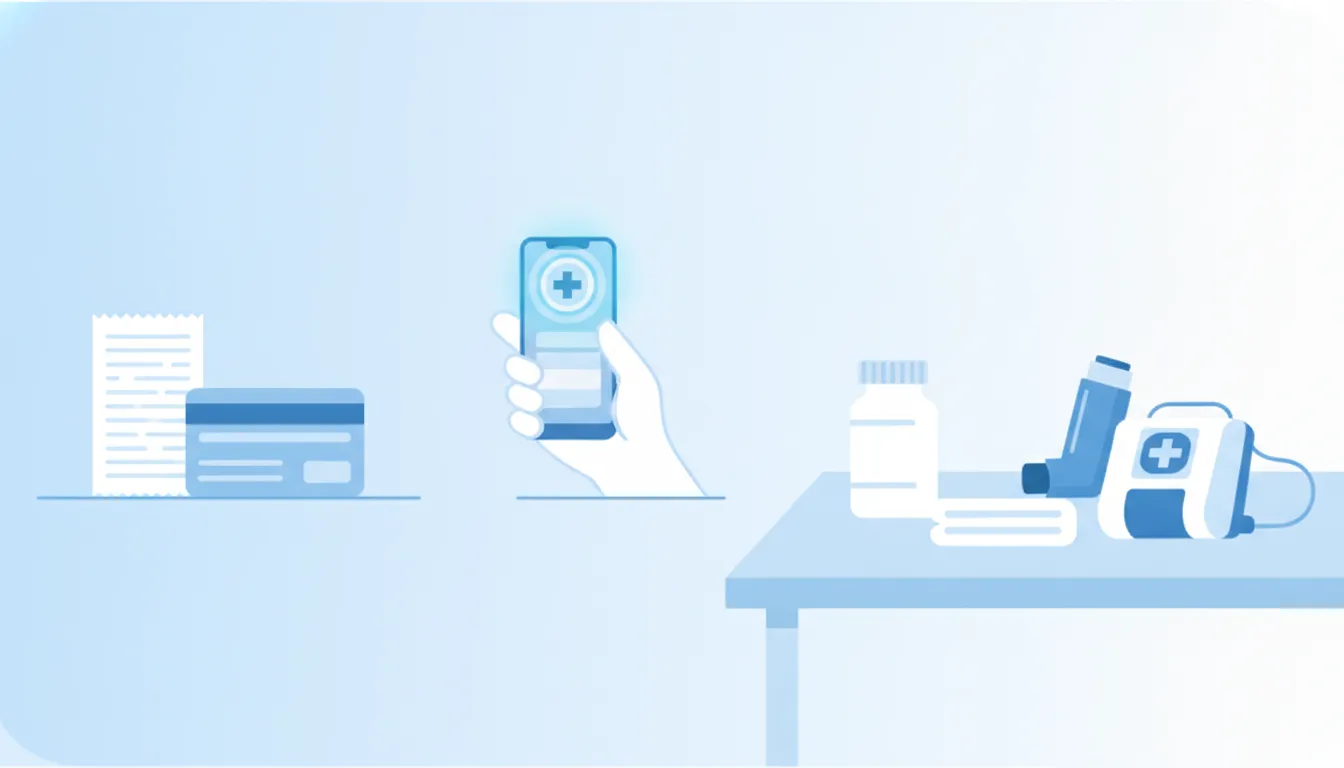
Keep itemized receipts for every incontinence supply purchase you plan to reimburse. The receipt should show the merchant, date, product name or SKU, and price. Save plan approvals, doctor notes, and any Letter of Medical Necessity so you can answer follow-up questions quickly.
Key details for your receipts
A basic credit card slip is often not enough for a claim. Your receipt must be itemized to show exactly what was in your cart. It needs to list the name of the store and the date of the sale. It must also show the price for each item and the total cost. Most importantly, it should have a SKU or product name. This helps the plan manager see that incontinence supplies are FSA eligible and fit the rules.
If you shop at big stores, their systems often tag these items for you. But it is still wise to check your receipt before you leave. Keeping clear, detailed receipts with the store name, SKU, and price is a must for any claim. This is true whether you use an FSA or a health savings account (HSA) for your health needs.
Extra records for medical necessity
Most of the time, you do not need a note from a doctor for these supplies. But some plans have strict rules. They might ask for a Letter of Medical Necessity (LMN). This is a paper from your doctor that says why you need the product. It links the item to a specific health issue. You should keep any doctor notes or emails that talk about your care just in case. According to the IRS, medical care must be primarily to treat or prevent a physical illness.
How daylii simplifies your records
Saving every scrap of paper can feel like a big chore. DayliiReimburse helps by doing the hard work for you. Our smart tools can read your receipts and find the right data. We look for the SKU, date, and merchant for you. We then check each item against the latest IRS rules. This means you can file for your money back with less effort. You can use our marketplace to find products that are already cleared for use. This helps you spend your funds with confidence.
Shopping checklist for FSA eligible incontinence supplies
Buying health products with tax-free funds requires a bit of planning. You want to make sure your items qualify so you do not face issues with your plan later. Use this checklist to help you find the right supplies and keep your account in good standing. Knowing FSA eligible incontinence supplies ahead of time makes the checkout process much smoother.
Check your plan rules first
Before you shop, you should look at your specific health account rules. Most health accounts cover these items, but some plans have extra limits. You can find this info by logging into your account portal or talking to your HR team. It is also wise to confirm your balance and any deadlines for using your funds.
Keep in mind that not every tax-free account is the same. Standard health accounts and HSA rules usually allow these buys. However, you cannot use a limited-purpose account for these items since it only covers vision or dental costs. Always check that you are using the right card when you shop.
Verify your product type
Many people ask, are incontinence supplies FSA eligible? The short answer is yes, as long as they help with a specific health condition. The IRS rules state that medical care costs must help treat or prevent a disease. You can find more details on these rules in IRS section 213.
Adult briefs, protective pads, and bed liners are common examples of items that qualify. However, you should be careful not to include personal care items like baby diapers. These are seen as normal personal care rather than medical care for a condition. Look for labels that show an item is for adult medical use.
Gather your records for claims
Saving your paperwork is the most vital part of the process. Even if you use your benefit card at the store, your plan may still ask for proof. A good receipt should show the store name, the date, and the item name. It also needs to show the exact price you paid.
You might also want to keep a note from your doctor. Most plans do not need a prescription, but some might ask for a letter of medical necessity. This letter explains why you need the product for your health. You can learn more about how to use your FSA card on our site.
Using a smart system to track your costs can save you a lot of time. Instead of keeping a box of paper, try to scan your receipts into your phone. This way, you will not lose them if the ink fades or the paper gets lost. Clear records help you get the most out of your health funds with less stress.
Common mistakes that cause reimbursement delays
Managing your health spending should be easy. But small slips can lead to rejected claims and long wait times. When you ask are incontinence supplies FSA eligible, the answer is usually yes. But you must follow the right steps. Avoiding a few common traps can help you get your money back faster and keep your health budget on track.
Mixing up adult and baby products
One common slip involves the type of product you buy. Under IRS rules, medical care must treat or prevent a physical defect or illness. Most FSA eligible incontinence supplies include adult briefs, pads, and underpads. These must be for a specific health condition. But the IRS views baby diapers as personal care items. They are not to treat a medical condition. So you cannot use your health funds to pay for them. Buying infant products is a quick way to get your claim denied.
Using the wrong account type
Not all accounts have the same rules. While most health accounts cover these items, some plans have strict limits. For instance, incontinence supplies do not qualify for a Limited-Purpose FSA or a Dependent Care FSA. These accounts only cover vision, dental, or child care costs. If you try to use funds from these plans for health supplies, your manager will reject the claim. Always check with your HR team or how to use your FSA card portal to confirm your plan type before you shop.
Turning in poor or missing receipts
Your receipt is the most vital proof for any claim. A common error is giving a bill that only shows the total price. It must list what you bought. To get your money back, provide a record with the shop name, date, and item name or SKU.
According to the Internal Revenue Service, medical costs are only covered if they help a specific health condition. Without a clear receipt, the plan manager cannot check if the product is for medical care. Good records help you prove your case if your plan asks for more info.
Assuming all personal care is covered
It is easy to think that any item in the health aisle is covered. But many items for general health do not meet the strict IRS rule for medical care. If an item is not on the list, you may need a Letter of Medical Necessity from your doctor. This letter explains why you need the item to treat a specific illness. Without this note, your claim may face delays or a “no” from the plan. Daylii tools help you check HSA eligibility requirements in real time so you can shop with confidence.
Explore FSA and HSA eligible product guidance from daylii.
Frequently Asked Questions
Can I use my FSA or HSA funds for baby diapers?
No. According to daylii, baby and infant diapers are seen as personal care items. They are not used to treat a specific health issue in the same way adult incontinence supplies are. For this reason, the IRS does not allow you to use pre-tax money for them. You should only use your health account funds for products made to manage a specific health problem or body issue.
Are incontinence supplies covered by a limited-purpose FSA (LPFSA)?
Generally, no. According to the FSA Store, these products do not qualify for use with a limited-purpose flexible spending account. These accounts are usually meant for vision and dental care costs only. If you have a standard health savings account or a general health account, you can typically use those funds for these supplies instead. Always check your plan type before you buy any products.
How can I find out if my specific benefit plan covers these supplies?
The best way to check your coverage is to talk to your human resources team. You can also log in to your account manager’s website to see a list of items you can buy. Since every plan has its own rules, you must make sure your purchase counts before you spend a lot of money. You can also use tools like daylii to check products in real time.
Where is the best place to buy eligible incontinence products?
You can buy these products at many different stores. Large shops like Walmart and Amazon often sell a wide range of items that count. You can also shop at special medical supply websites. According to daylii, these shops often know how to use health benefit cards at the point of sale. Keeping a clear receipt is always a smart move to make sure you can get your money back later.
Ready to check your FSA and HSA product eligibility?
Using your health funds for daily needs should not be a hard task. If you wait to check your items, you might lose your money at the year end. You do not want to find out too late that your supplies did not count.
Taking a few minutes now can save stress and help you keep your money. You can also review our guide to FSA and HSA eligible products for more help. daylii helps you get more from your health plan with less guesswork.
Ready to check FSA and HSA product eligibility with daylii? Explore eligible product guidance to talk to a benefit expert today.