

Living with asthma or chronic allergies makes the quality of your indoor air a medical priority. Many people do not know their health accounts can cover a home air purifier. This helps you save money while keeping your home safe.
Get clearer FSA and HSA eligibility guidance with daylii
The question of are air purifiers FSA eligible depends on your health needs and plan rules. You can use your Flexible Spending Account to buy one if a doctor says it is medically necessary for asthma or severe allergies. This requires a Letter of Medical Necessity from your provider to show the device is for treatment rather than general comfort.
According to Premera, these units may qualify as a medical expense when they ease the signs of an illness. Keep all itemized receipts and your provider’s note for your tax records. Using pre-tax dollars this way can reduce the cost of keeping your air clean. This ensures your benefit funds go toward tools that improve your health.
Navigating rules for your health account can feel like a chore. You need to know what your plan allows before you buy a device. Are air purifiers FSA eligible? The short answer depends on how you use the unit to manage your health. The first step is finding the answer to this question before you buy.
Are air purifiers FSA eligible? The short answer
The practical answer is conditional. Air purifiers are usually treated as dual-purpose products because the same device can support a diagnosed respiratory condition or simply make a room more comfortable. To use your FSA funds for one, you must show it treats a real medical need. A healthcare provider should connect the device to a specific diagnosis or treatment plan before you rely on tax-free funds.
The need for medical proof
For an air purifier to count as a medical cost, it must help treat or prevent a disease. The IRS says medical costs are for the relief of a physical or mental ill. Items for general health or comfort do not count. A standard air purifier bought only to freshen household air will not meet that standard. The claim becomes stronger when the purchase is tied to a documented medical reason, such as asthma, severe allergies, or another respiratory condition.
Paperwork and plan rules
Most plans need a Letter of Medical Necessity. This is a note from your doctor. It explains why the air purifier is a must for your care. It links the tool to your health issue. You must also keep your store receipt and proof of pay. Rules can change by plan. You should check your FSA eligible allergy products guide or call your provider. Good records help you avoid tax or claim problems.
Why air purifiers usually need medical documentation
Most health plans do not treat air purifiers like band-aids or thermometers. While you can buy a first-aid kit with your FSA card at any time, an air purifier is often seen as a dual-purpose item. This means it can be used for general comfort or for a specific health need. To ensure FSA eligibility rules are met, plan managers usually require proof that the device is a medical necessity.
Medical care vs. general health
The IRS defines qualified medical care as costs meant to treat, prevent, or diagnose a specific disease. According to IRS Publication 502, expenses must be primarily to alleviate a physical or mental defect. A standard air purifier bought just to freshen the air in a home does not meet this bar. But if a doctor finds that you need one to manage a condition like asthma, it becomes a valid medical expense.
For a purchase to count, it must go beyond general wellness. Items that merely help you stay healthy or feel better are often denied. This is why air purifiers fall into a “maybe” category for most accounts. You can check our practical FSA eligible expense guide to see how different items are classified based on their primary use.
The role of the Letter of Medical Necessity
A Letter of Medical Necessity (LMN) is the bridge between a retail item and a medical tax benefit. This document is a formal note from your healthcare provider. It must name your diagnosis and explain why the air purifier is a key part of your care plan. Without this note, your plan manager may flag the purchase as a personal expense rather than a medical one.
When you have an LMN, it proves the item is for “medical care” as defined by federal law. High-quality air filters have been shown to improve asthma outcomes by reducing indoor allergens. By linking the device to a proven health benefit, the LMN helps you use your pre-tax dollars for the purchase. Note that most plans require you to get a new LMN every year to keep the item eligible.
Why plan rules matter
Every FSA and HSA has a plan manager who checks claims for compliance. These managers follow the guidelines in IRS Publication 502 but may also have their own internal rules. They look for specific details on your receipt and in your medical files. If the link between your health and the item is not clear, they may deny the claim to avoid tax issues.
Using your funds correctly requires managing HSA receipts and documentation with care. Always keep a copy of your provider’s note and the itemized receipt. If you are ever audited, these records show that you followed the law. Proper paperwork ensures you can save on costs while getting the tools you need for your respiratory health.
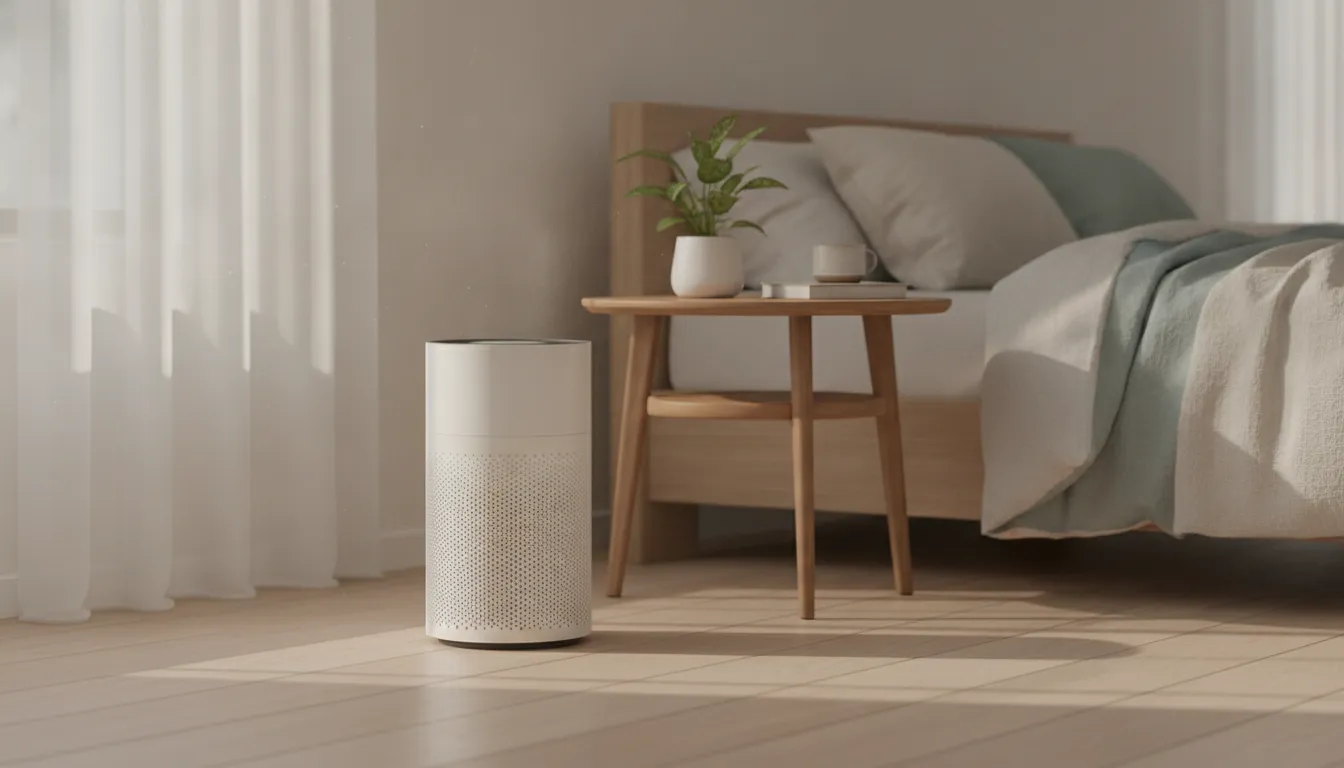
Which health conditions can support air purifier eligibility?
When you ask are air purifiers FSA eligible, the answer rests on your health needs. Most pre-tax accounts do not cover air cleaners for general home comfort. To get approval, you must show that the tool treats or prevents a real medical problem. This usually means a doctor must confirm that the cleaner is a medical need for your care.
Lung health and air filtration
People with chronic lung issues often find help through better air quality. Health problems like asthma and COPD make the lungs very weak to dust, smoke, and small bits. High-power air filters can help by removing these triggers from your indoor space. The National Institutes of Health notes that high-power filters can improve health for people with asthma.
If your doctor finds that poor air makes your state worse, they may suggest a cleaner as part of your care plan. The IRS lets you use FSA funds for items that help treat a physical defect or illness. This includes tools used to ease the symptoms of chronic bronchitis or cystic fibrosis. For these cases, the air cleaner is not a luxury.
It is a piece of medical gear used to manage your daily health. You will likely need to give a Letter of Medical Necessity (LMN) to your plan manager. This note explains why the tool is vital for your specific breathing needs. Allergies are also a common reason people look into what you can use your FSA card for today.
Severe allergies and mold exposure
When your immune system overreacts to things like pollen or pet hair, it can lead to constant swelling. For some, these symptoms are bad enough to need more than just allergy medicine. If your home has high levels of triggers, a doctor might suggest an air cleaner to lower your contact. This helps stop the allergy reactions that cause you pain or distress.
Contact with mold is another health concern that may support your claim. Living in a space with mold can cause long-term breathing issues and other health risks. The EPA notes that air cleaners can help reduce the bits that trigger these health issues. If a medical provider finds that mold is causing you a specific health problem, they can write a note for your FSA claim.
These records show that the air cleaner is a tool for your recovery, not just a way to make the air smell better. While breathing issues are the most common reason for a claim, other chronic states may qualify too. People with weak immune systems or heart disease might need very clean air to stay safe. In these cases, even small amounts of smoke or smog can be a big risk.
Chronic issues and provider advice
If your health provider believes that an air cleaner is a key part of your care, they will record that need. This step is vital because the IRS views most home tools as personal items rather than medical ones. To keep your claim safe, always check with your plan manager before you buy. Every plan has its own rules for how they handle medical records.
You should keep all your notes, receipts, and the provider’s letter in a safe place. This helps you prove that the cost was for a real health need if you are ever audited. Using these tools the right way helps you save money while you focus on getting better. By following the right steps, you can use your pre-tax dollars to build a healthier home for you and your family.
How to use an LMN for an air purifier purchase
A Letter of Medical Necessity (LMN) is a document from your healthcare provider. It shows why you need a specific product to treat a health issue. This note is the key to using tax-free funds for items that the IRS does not list as automatically eligible.
Since air purifiers fall into this category, you must follow the right steps to prove they are a medical need rather than a home comfort item. This process is very similar to how you would get a Letter of Medical Necessity (LMN) for other health tools like shoe inserts or custom orthotics.
Talk to your medical provider
The first step is to meet with your doctor or a health expert. You need to talk about your symptoms and how your home air affects your health. Your provider must confirm that you have a specific condition that an air cleaner can help. Common reasons include severe allergies, asthma, or other lung issues.
The Environmental Protection Agency (EPA) notes that air cleaners can help reduce pollutants that may trigger asthma. Your doctor will need to state that the device is mainly used to treat or prevent your illness to meet IRS rules for medical costs.
Get a detailed medical note
Once your doctor agrees that you need an air cleaner, they must write the LMN. This letter should be on the provider’s official letterhead and include your name and the date. It must clearly state your medical diagnosis, such as chronic bronchitis or a mold allergy. The note should explain why the air purifier is a needed medical device for your care.
It should also list how long you will need to use it. According to IRS guidelines, you usually need a new medical necessity letter once per calendar year to stay eligible for your plan.
Follow these steps to complete your purchase
After you have your letter, you can move forward with buying your device. It is important to buy a purifier that matches the needs your doctor listed. Follow these steps to ensure you stay within your plan rules:
- Check your plan rules. Review your FSA or HSA plan details to see if they have specific forms you need to use with your LMN.
- Buy the air purifier. You can often use your HSA or FSA card at the store, but some shops may require you to pay out of pocket first.
- Get an itemized receipt. Make sure your receipt shows the date, the store name, and exactly what you bought.
- Keep all records. Save a copy of your LMN and your receipt in a safe place. You will need these for your tax records or if you are ever audited.
- Submit your claim. If you did not use a plan card, log in to your plan website to upload your documents and request a refund.
Keep your records safe
Good record-keeping is vital when using tax-free funds for medical tools. You should keep your LMN and all sales receipts for at least three years. This proof shows that the air purifier was a qualified medical expense if the IRS ever asks for it. Having these records ready makes managing HSA receipts and documentation much easier when tax season arrives. Remember that you cannot use these funds for filter subscription services, so you must pay for those on your own.
What documents should you keep for FSA or HSA reimbursement?
When you want to know are air purifiers FSA eligible, the answer depends on your proof. Since these items are not always approved, you must keep clear records to get your money back. The IRS requires that you show the item is for a medical need rather than just for your comfort. Keeping a full file of your purchase will help you avoid issues during a plan check or a tax audit.
The need for an itemized receipt
A simple credit card slip is not enough for your claim. You must have an itemized receipt that shows the date of the buy and the name of the store. It should also list the exact product details, such as the model of the air cleaner. This helps your plan manager see that the item matches your medical recommendation. You can find more tips on managing HSA receipts and documentation to stay organized.
Your Letter of Medical Necessity
For items like air cleaners, you usually need a Letter of Medical Necessity (LMN) from your doctor. This note must explain how the product helps treat a health issue like asthma or severe allergies. It should link the item to a specific care plan or diagnosis. Keep in mind that a new LMN is often needed every year to stay within IRS Publication 502 rules for qualified health costs.
Final steps for your records
Keep a copy of your proof of payment along with any claim forms you send in. If your plan gives you a claim response or an Explanation of Benefits (EOB), save that too. Having all these papers in one place makes it easy to show the item was for a medical care expense that treats or prevents a disease. Most people keep these files for at least three years in case they face a tax review.
Check how FSA-approved items differ from eligible expenses before you submit your claim.
Air purifier FSA vs HSA eligibility at a glance
You might wonder if you can use your tax-free health funds to breathe better. Many people ask are air purifiers FSA eligible before they make a big buy for their home. The short answer is yes, but you must follow strict IRS rules. Both Flexible Spending Accounts (FSAs) and Health Savings Accounts (HSAs) allow these buys if a doctor says you need them.
However, they are not seen as simple shop items like bandages. You mostly need a note from your doctor to prove the unit treats a real health problem.
Account types and spending rules
While both plans offer tax perks, they handle claims in two ways. An FSA often has a use-it-or-lose-it rule at the end of the year. This makes it vital to check your plan dates before you buy a new device. An HSA is other because the money stays in your account for as long as you want.
Both plans want you to prove the air cleaner is for your health and not just for comfort. Some air cleaners can reduce dust and other dirt that trigger asthma. Knowing how your plan works will help you avoid losing money on a bad claim.
| Feature | Flexible Spending Account (FSA) | Health Savings Account (HSA) |
|---|---|---|
| Basic Status | Maybe; doctor note needed. | Maybe; doctor note needed. |
| Card Checkout | Rarely works at the store. | Possible but risky to do. |
| Review Process | Plan manager must approve. | You track facts for the IRS. |
| Funds Expiry | Money mostly ends each year. | Funds stay in your account. |
| Recordkeeping | Keep receipts for the manager. | Keep receipts for tax audits. |
Paperwork and doctor notes
To get your money back, you will likely need a Letter of Medical Necessity (LMN). This is a short note where your doctor explains why you need the air purifier. They might list a problem like severe allergies or asthma that makes the buy a medical need. Without this note, your plan manager will likely say no to your payout.
It is best to get the note before you spend any money. You should also check the latest FSA eligibility rules to see how these items differ from daily health goods. This keeps your spending safe and avoids shocks at tax time.
Tracking your health buys
Once you buy your air purifier, keep all your papers in a safe spot. This includes your store receipt, the doctor note, and any claim forms. The IRS says that medical expenses must treat a disease to count for tax breaks. If you pay with a card, you can send these papers to your plan for a fast payout.
You should also note that filters may not always be covered unless the doctor note mentions them too. daylii is designed around this exact paperwork problem: eligibility signals. Receipts, and reimbursement steps should be easier to manage in one flow. Because FSA and HSA dollars are tax advantaged, using them correctly can reduce the effective out-of-pocket cost of the unit.
Most plans also want to see that the cost is fair and for a single room or unit. If you buy a whole-house system, the rules might be even more strict. Always ask your plan manager first if you plan to spend a lot of money. They can tell you if your LMN has the right facts to meet their needs.
Keeping good logs is the best way to make sure your tax-free money works for you. This simple prep can turn a big cost into a smart health move for your home.
How daylii can make eligibility less confusing
Finding out whether your health plan covers an air purifier can be frustrating because the answer sits between healthcare, tax rules, plan administration, and receipt details. You might ask, are air purifiers FSA eligible, and still need to know what proof applies. The next step may be a diagnosis, a Letter of Medical Necessity, or a reimbursement claim after checkout.
daylii is being built to reduce that guesswork with SKU-level eligibility checks, receipt automation, and diagnosis-linked guidance. The approved daylii product pillars include DayliiMarketplace for verified FSA/HSA shopping, DayliiReimburse for automated receipt handling, and DayliiDiagnosis for provider-linked eligibility context. The goal is simple: help shoppers understand whether a purchase is likely eligible before they spend, then keep the documents needed if reimbursement is required.
Eligibility checks before you buy.
Most shoppers do not want to interpret IRS Publication 502 while standing in a store aisle. daylii’s positioning centers on real-time eligibility verification that compares products against compliance rules and plan context. For a conditional item like an air purifier, that matters because one shopper may need the device for diagnosed asthma while another wants it for general comfort.
That difference changes the reimbursement path. A tool that identifies conditional eligibility can prompt you to gather the right proof instead of treating every product as a simple yes or no. It can also point you toward related guides, such as what you can use your FSA card for and how FSA-approved items differ from eligible expenses.
Receipts and claim records in one flow.
The hardest part of conditional eligibility is often not the purchase. It is proving the purchase later. For an air purifier, your file may need the itemized receipt, proof of payment, provider note, claim form, and plan response. It may also need renewal documentation if the LMN expires.
daylii’s receipt automation positioning fits that problem directly. Instead of asking shoppers to save screenshots, paper receipts, and email confirmations in separate places, the platform is designed around parsing receipts and connecting them to eligibility context. That can make reimbursement less reactive and help users avoid missed claims.
daylii should not replace your plan administrator, doctor, or tax professional. It can, however, make the process easier to understand by surfacing the right steps at the right time. For shoppers trying to use benefits responsibly, that clarity is the difference between guessing and acting with confidence.
Frequently Asked Questions
Are air purifiers FSA eligible?
Yes, air purifiers can be FSA eligible, but they are not always approved like bandages or pills. To use your funds, a doctor must say you need the device to treat a health problem. This often includes chronic issues like asthma or bad allergies. Per Premera Blue Cross, these items only qualify if they help treat an illness instead of just for home comfort.
Do I need a Letter of Medical Necessity for an air purifier?
Yes, you usually need a Letter of Medical Necessity (LMN) to buy an air purifier with FSA funds. This letter from your doctor proves the device is a medical need for your specific health problem. Most plan managers require this note to ensure the purchase meets IRS rules for tax-free spending. As noted by Medify Air, you may need to get a new letter each year to keep using your benefits for these costs.
Are air purifier replacement filters FSA eligible?
Yes, replacement filters for a valid air purifier are also eligible for FSA or HSA funds. If the main unit was bought to treat a medical problem like asthma, the filters used to keep it running are a valid health cost. However, items bought through a regular delivery plan or subscription may not qualify for tax-free funds. According to Alen Air, you should check your specific plan rules before you set up recurring filter orders.
Can I use my FSA card directly to buy an air purifier?
You can sometimes use your FSA card directly, but many stores will block the charge because air purifiers are not always eligible. If the card does not work, you can pay with your own money and ask for your funds back later. You will need to send a detailed receipt and your medical letter to your plan manager for review. As Alen Air suggests, keeping all records is the best way to ensure your claim is approved.
Ready to get clearer FSA and HSA eligibility guidance?
If you do not use your pre-tax funds, you might lose that hard-earned money at the end of the year. It can be hard to know which rules to follow for items like air purifiers on your own. Taking these steps now helps you avoid the stress of a denied claim or a missed deadline.
You can feel sure about your spending while you get the tools you need for better health. Acting today saves you from paying more than you should for your health care in the future. This is a smart way to protect your budget and your home at the same time.
Ready to get clearer FSA and HSA eligibility guidance? Contact daylii to get the help you need for your health care spending.