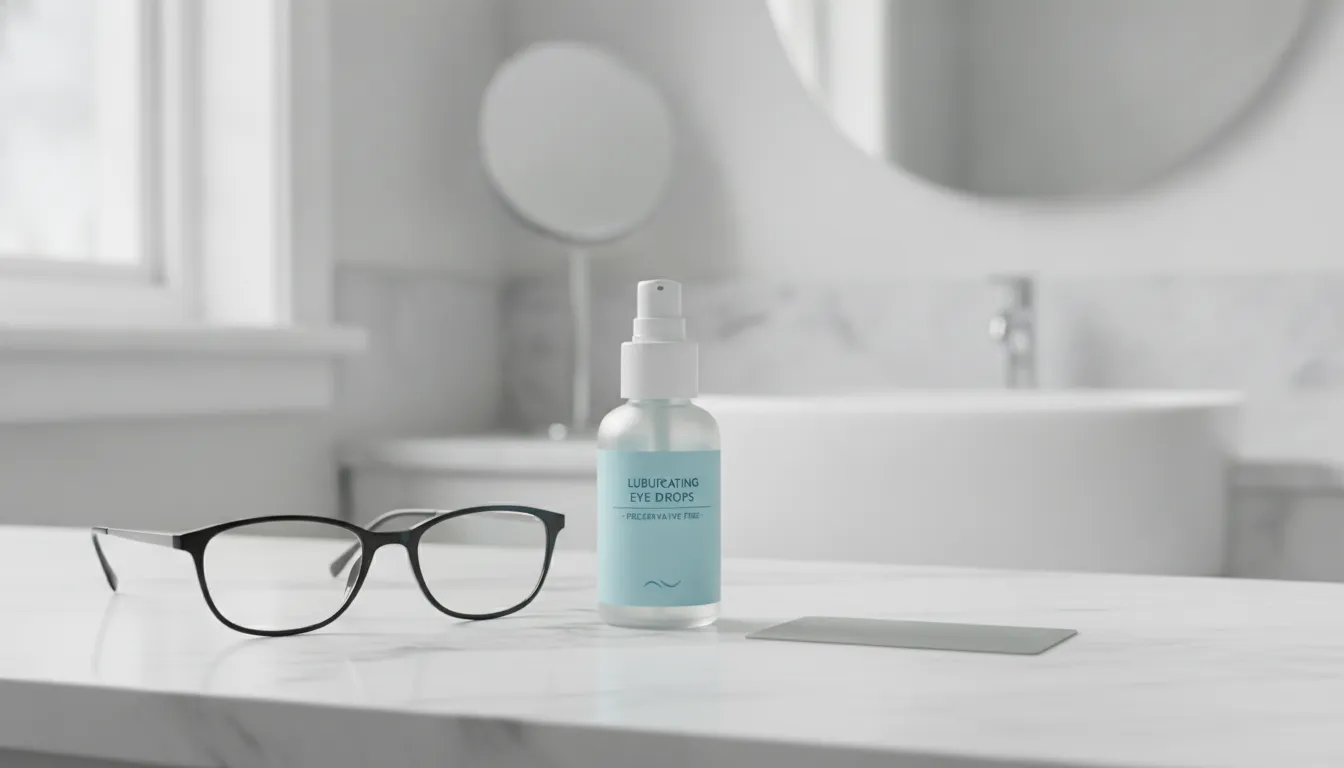
Treating red or itchy eyes is much cheaper when you use your pre-tax health funds. Most over-the-counter and prescription drops now qualify for coverage under federal law. You can save about thirty percent on every bottle by using your benefit card.
Before you buy eye drops, use daylii to check FSA/HSA eligibility before checkout so you can avoid declined-card friction and keep your benefit dollars working for eye care.
Are eye drops FSA eligible is a primary concern for patients managing chronic eye conditions with pre-tax health funds. Most over-the-counter and prescription treatments qualify for coverage under current IRS rules. Since the CARES Act passed in 2020, you no longer need a prescription to buy most eye care products with your pre-tax funds. This includes drops for dry eyes, redness relief, and seasonal allergies. According to FSAFEDS, these items are fully covered with a detailed receipt.
You can also use your funds for contact lens solution and eye exams. Using your account helps you avoid spending after-tax dollars on essential health items. At daylii, we make it simple to find these products and verify they fit your plan rules. This ensures you use your benefits before they expire.
Learning the exact rules for eye care can help you plan your health spending well. We will look at how the IRS views each product to answer the question, Are eye drops FSA eligible? The short answer follows. Here is how.
Are eye drops FSA eligible? The short answer
Yes, most eye drops are FSA eligible. You can use your tax-free funds to buy both prescription and over-the-counter (OTC) drops as long as they treat a specific health issue. Under the CARES Act, you no longer need a prescription to buy OTC medical products with your account.
Types of eligible eye drops
Many drops that help with eye health are covered. This includes FSA eligible OTC medicines for allergies and drops for dry eyes or redness. Prescription eye drops, like those used for glaucoma, are also FSA eligible medical items when you have a doctor’s order.
The rule for eligibility
The IRS determines which expenses are eligible for your FSA. To qualify, a product must help find, cure, treat, or prevent a disease. This means most eye care items that solve a health problem are fine, but items for general health or beauty are not. Always check if a product is on the list before you pay.
Checking before you buy
While many drops are covered, plan rules can change. It is smart to check the product with your plan provider or a tool like daylii to avoid a declined card. Save your receipts as well, since the IRS may ask for them to prove your purchase was for FSA eligible expenses at a later date.
Which types of eye drops usually qualify?
Finding out which FSA eligible expenses you can claim for eye care is now much easier. The IRS sets the rules for what you can buy with pre-tax money. For a long time, you had to get a note from a doctor to buy most over-the-counter (OTC) items. But the CARES Act changed that in 2020. Now, you might ask, are eye drops FSA eligible for common daily uses? The answer is yes, and most do not need a prescription anymore (IRS Notice 2020-23).
Whether you have dry eyes or an infection, using daylii can help you check these rules in real-time. This update helps you use your funds to keep your eyes healthy and clear.
Lubricating drops and artificial tears
The most common FSA eligible medical items for eye health are lubricating drops or artificial tears. These treat dry eye, which is a real health issue that causes pain or blurred vision. Because they treat a medical state, the IRS says they are okay to buy with FSA funds (FSAFEDS). You can find these as drops, gels, or thick ointments. Some people need special drops that do not have any chemicals to keep them fresh. Even these special tools are covered.
You can buy them at any pharmacy or grocery store. Just get a clear receipt that shows the brand and the price to ensure you get your money back fast.
Prescription drops and medicated treatments
If you see an eye doctor and they write a script for you, those drops are almost always covered. This group includes drugs for glaucoma, which is a serious disease that can lead to loss of sight. It also covers germ-killing drops for infections like pink eye. Prescription drugs are a basic part of what an FSA covers for you and your family (FSAFEDS). You can also use your funds for drops that stop swelling after you have eye surgery.
Since these items are given to you by a doctor, they are seen as truly needed for your health. You can use your FSA card right at the pharmacy counter to pay for them easily.
Allergy and redness relief options
Allergy season can make your eyes red, itchy, and sore. Many FSA eligible OTC medicines are made just to stop these issues. These allergy drops work by blocking the things that make your eyes react to dust or pollen. Redness relief drops can also be covered if they are used to treat eye stress or minor pain (FSAFEDS). While some use them just to look less tired, they often have a medical use too. However, you must always keep your receipt.
Using an AI tool like daylii can help you sort these receipts so you do not lose any money at the end of the year. This ensures every dollar goes to your well-being.
| Category | Eligibility | What to Verify | Receipt Tip |
|---|---|---|---|
| Lubricating Drops. | Usually Eligible. | Check for dry eye use. | Keep the store slip. |
| Prescription Drops. | Always Eligible. | Must have a script. | Save the pharmacy tag. |
| Allergy Drops. | Usually Eligible. | Verify OTC status. | Show the item name. |
| Redness Relief. | Often Eligible. | Check plan rules. | Get a detailed list. |
| Contact Solution. | Usually Eligible. | Medical need only. | Confirm size and type. |
To get your money back, you must show the right proof of your spend. The IRS wants to see a detailed receipt for every item you buy (FSAFEDS). This receipt must show the store name, the date, the item name, and the price. A simple slip from your credit card will not work. Using daylii is a smart way to track these files and keep your health care spending on track. It takes the guesswork out of your benefits and makes tax time much simpler for you.
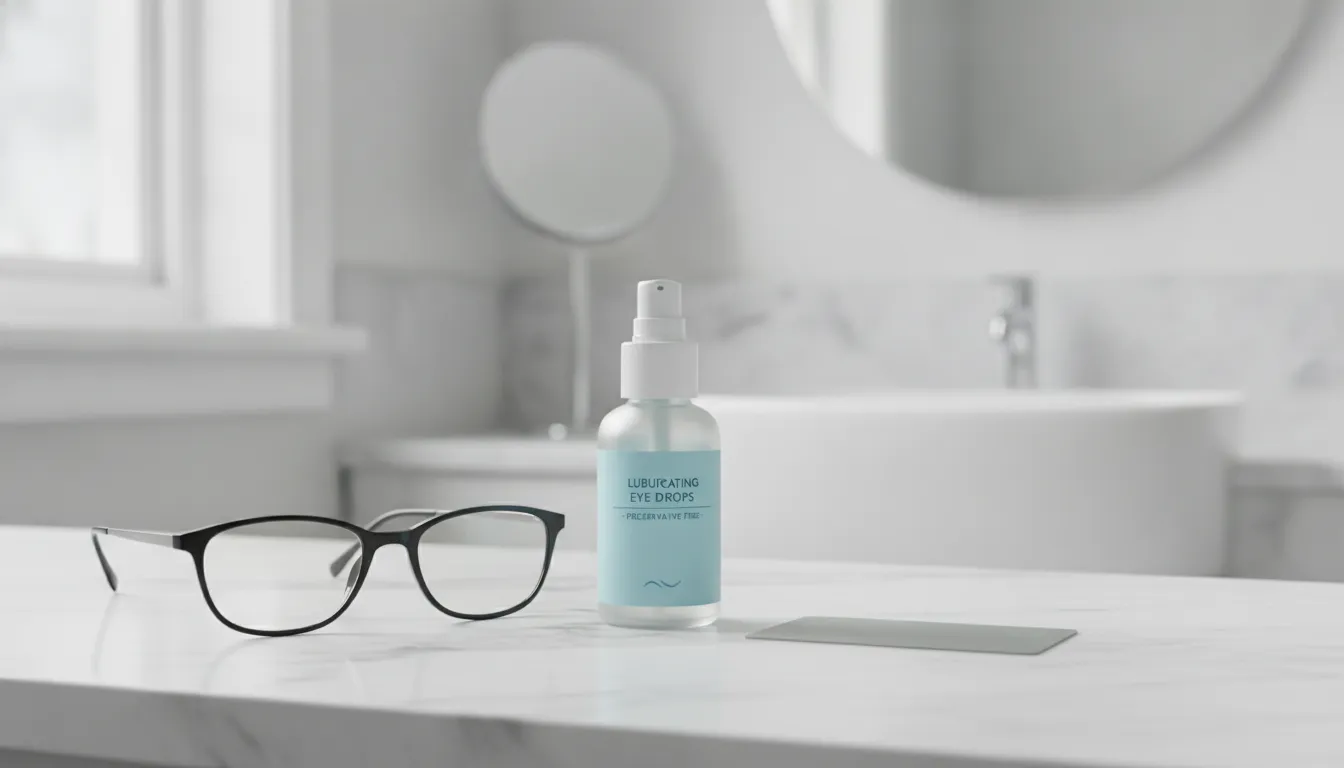
How OTC eye drop rules work for FSA and HSA cards
Recent tax law changes have made it much easier to buy eye care products. Before 2020, you often needed a note from your doctor to use tax-free funds for over-the-counter (OTC) items. Now, new rules allow people to buy many OTC medical goods without a prescription. This includes many types of eye drops used to treat health issues. These funds help you save money by using pre-tax dollars for your daily health needs.
The standard for medical care
To use your FSA or HSA card, the product must meet a specific goal. The IRS says that a health care FSA can pay for things that diagnose, cure, or prevent a disease. This standard comes from IRS Publication 502. Most eye drops for dry eyes, allergies, or redness fit this rule. But, you should not use these funds for items that are just for your general health or beauty. Checking the daylii marketplace can help you find products that fit these rules before you shop.
How stores check your card
Most large stores use a system to check if an item is eligible at the checkout. This system helps the store know if eye drops are FSA eligible right away. If the store system does not recognize the item, your card might be declined. This does not always mean the item is not allowed. It just means the store list is not up to date. In these cases, you might need to pay with another card and ask for a refund later from your plan manager.
Keep your receipts for proof
Even when a card works at the store, you should keep your records. The IRS may ask to see a detailed receipt to verify that your purchase was for a medical reason. A simple credit card slip is not enough because it does not show what you bought. A good receipt should show the store name, the date, and the name of the product. Staying organized helps you avoid stress if your plan manager asks for more proof about your eye care costs.
How to buy eligible eye drops without card-decline friction
Few things are as bad as having your benefits card fail at the store. You know you have the funds. You know you need the drops. But the screen still says “denied.” This often happens because the store’s system does not talk to your plan manager in the right way. To avoid this stress, you should know how stores check are eye drops FSA eligible at the checkout. Most modern stores use a system called SIGIS.
This helps the checkout find which items on the shelf meet FSA eligible medical items rules on its own. When a store has this setup, your card is much less likely to fail.
Look for labels and avoid cosmetic goods
The easiest way to shop is to look for clear tags. Many online and real stores now put “FSA/HSA” icons right next to the price. These labels mean the product is on the list of approved medical goods. According to real expense guides, both prescription and many OTC eye treatments work for tax-free spending. If you do not see a label, you can check the SKU or barcode. But you should also be careful with what you put in your cart.
Not every item in the eye care aisle is for a medical need. Products for looks, like those that change eye color, are not covered by IRS rules. If you try to buy these with your benefits card, the sale will likely fail.
Use smart shops and proactive tools
Where you shop matters just as much as what you buy. Large drug stores often use the Inventory Information Approval System (IIAS). This means their checkouts can split your bill into two parts. They will put all the eligible eye drops on your FSA card and ask for a different card for other items. This “split pay” path stops the whole order from being blocked. It makes the line move fast and keeps you from feeling stressed. Using these stores makes your life much simpler.
At daylii, we want to make this even easier. Our platform helps you find the right path before you ever reach the checkout. We use AI to check items against the latest rules in real-time. This quick check means you won’t have to guess if your dry eye drops will work. By checking your needs early, we help you skip the stress of a denied card. You can shop with trust, knowing your funds will go exactly where you need them.
This level of help is a big part of why many people find a better way to handle their health spending.
-
Check the store for SIGIS signs to ensure their system can process your benefits card without errors.
-
Look for the FSA logo on the product or shelf tag to confirm the eye drops are ready for purchase.
-
Verify that your eye drops treat a medical condition like allergies or dry eyes rather than a beauty goal.
-
Scan the SKU using a mobile tool if you are unsure about the item’s current status under IRS rules.
-
Use a split pay method to pay for medical goods with your FSA card and other items with cash.
-
Save your detailed receipt because your plan manager might ask for proof to check the medical need.
-
Monitor your account balance through a modern tool to make sure you have enough funds for the sale.
Always keep your records neat after you buy your drops. Even when a card works, your plan might ask for more facts later. You need a detailed receipt that shows exactly what you bought and when. A standard card slip is not enough for the IRS check process. It must show the store name, the product name, and the date. By keeping these files safe, you protect yourself if your plan asks for proof. This final step ensures your purchase stays covered and you avoid any tax issues at the end of the year.
What receipts and documentation should you keep?
Even if you use an FSA card, you should always keep your papers. The IRS has strict rules for how you spend your pre-tax money. If you wonder are eye drops FSA eligible, the answer is usually yes. But you must prove it. You need a clear record for every buy you make. This helps you avoid tax issues and keeps your account in good standing.
Why keeping records matters
Your health plan or the IRS may ask to see proof of your costs. Many people think a card swipe is enough, but it is not. A card receipt only shows how much you paid. It does not show what you bought or why. The IRS may ask for detailed receipts to check that your spending fits the rules. This step ensures that people do not use tax-free funds for items that are not for health care.
If you cannot show proof, your plan might ask you to pay the money back. They could even lock your card until you send the right papers. This is why daylii focuses on making this task easy for you. Keeping good records ensures you get the most out of your health funds without the stress. It also makes it simple to track your health spending over the whole year.
What a detailed receipt needs
A basic store receipt is often not enough. You need a detailed version that shows clear facts about the buy. Credit card slips or bank statements do not count as proof. Those papers only show the store name and the total price. You need a document that lists the following details clearly:
- The name of the store or shop.
- The date you bought the item.
- The name of the product, such as the brand of eye drops.
- The exact amount you paid for each item.
- The patient’s name for any health visit.
For items that need a doctor’s note, keep a copy of that letter too. If you buy FSA eligible expenses like prescription drops, keep the drug store label. This label shows the date, the cost, and the name of the drug. It is the best proof for your plan because it matches the doctor’s order. You should store these papers in a safe spot or take a photo of them with your phone.
Handling declined cards and manual claims
Sometimes your FSA card may not work at the store. This can happen if the shop is not set up to take these health cards. It does not mean the item is not fit for use. If your card is declined, you can pay with your own money and ask for a refund later. This is quite common at small shops or when buying specific health goods.
To get paid back, you must file a claim by hand. You will need to upload your detailed receipt to your plan’s site or app. Make sure the photo of the receipt is clear and easy to read. If the product name is cut off, they might reject your claim. Most plans process these files in a few days. Once they approve it, they will send the money back to your bank account or mail you a check. Having all your papers ready makes this process much faster.
When eye drops may not be FSA eligible
While many eye drops are covered, not every bottle on the shelf is a safe bet. The IRS sets strict rules for what counts as a medical expense. To be FSA eligible expenses, a product must help find, cure, or treat a health issue. If a product only makes you look better or feel slightly more comfortable, it might not make the cut. You must be sure your purchase serves a real health need to avoid a declined card or a denied claim later on.
Redness relief and beauty use
Some eye drops focus on making your eyes look less red. While these are common, they are sometimes viewed as beauty products. IRS rules state that cosmetic items are not eligible for a refund. If the drops only fix a visual issue and do not treat a health problem like allergies or dry eyes, your claim may be denied. These “get the red out” drops are a grey area for many users.
You should always check the active parts on the back of the bottle. Some drops for red eyes also have drugs for allergies. These may be covered because they treat a health cause. But if the bottle only lists a redness reliever, it might be seen as a beauty tool. Keeping track of these small facts helps you stay within the rules for FSA eligible medical items.
Bundled kits and store codes
You might find eye drops sold in a kit with other items. If a kit includes things like sleep masks or plain wipes, the whole pack might not be covered. This happens because some stores do not split the costs of mixed items. When a shop scans a bundle, the system sees one code. If that code is not marked as medical, your FSA card will likely fail. It is often safer to buy your eye care items one at a time to be sure.
Another risk is how a shop labels its goods in their computer system. If a store does not use the right code for medical goods, your card might get declined at the till. This is common at small shops or online sites that do not focus on health. Big drug stores usually have the right codes, but small shops may not. At daylii, we help you find the right items so you don’t have to guess about these codes.
Non-medical comfort products
Some products are sold for “eye comfort” but do not have a medical purpose. These might include simple salt water rinses that do not treat a specific illness. If a product is for general health or just to feel good, it likely won’t qualify. You should ensure that your purchase connects to a clear health need like dry eye or a recent injury. This link to a health issue is what the IRS looks for when they review your spending.
The IRS wants to see that you are using your tax-free funds for actual care. Buying items just because they are in the health aisle is not enough. You need to show that the item is used to help or prevent a disease or illness. Using tools to track your receipts and match them to your health needs is a smart way to manage your funds. This keeps you ready in case the IRS asks for proof of your medical spending.
Purchases not linked to a health issue
A big rule is that the item must be for your own care or the care of a loved one. You cannot use your funds to buy drops for a friend. Also, the purchase must be for an issue you actually have. If you buy allergy drops but do not have allergies, that cost might not be allowed. The goal is to use the money for your specific health path. This focus on clear medical needs keeps your account in good shape all year long.
Ready to buy eligible eye drops with less guesswork? daylii helps you check FSA/HSA eligibility before checkout, keep the right receipt details, and avoid last-minute card declines.
Frequently Asked Questions
What eye care products are not allowed by an FSA?
Most eye care tools used to treat a health issue can be bought with your funds. But some items are not allowed. Beauty goods like color contact lenses or lash growth oils are often not allowed for money back. The IRS says that items for easy health or beauty uses do not count as medical care. You should check your plan rules before you buy these goods. Items that do not treat a clear eye issue will likely be turned down.
Are vitamins for eye health FSA eligible?
Vitamins for your eyes are usually not allowed for FSA use. These goods are often seen as easy health tools rather than medical care. But if a doctor writes a note for a vitamin to treat a clear eye issue, it might count. According to FSAFEDS, you need a doctor’s note to get your money back for these items. It is smart to save that note and your store slip to prove your medical need for the claim.
Can I use my FSA to buy eye drops for my family?
Yes, you can use your FSA funds to buy eye drops for your spouse and your children. This rule works even if they are not on your main health plan. The IRS allows you to pay for the medical care of any legal dependent with your pre-tax money. This makes it easy to help with eye care costs for your loved ones. Always keep the store slips for these buys to ensure your claims are paid by your plan manager.
Are contact lens solutions FSA eligible?
Yes, contact lens solutions and cleaners are health goods and you can use your FSA for them. These items are needed to keep your eyes healthy when you wear contact lenses. You do not need a doctor’s note to buy these solutions with your tax-free money. Based on rules from FSAFEDS, you can use your FSA card at the store for these buys. Just be sure to keep a clear receipt that shows the item name and the date you bought it.
Ready to stop guessing about your eye drop eligibility?
Failing to use your health funds before the plan year ends means you lose that hard-earned money forever. This “use it or lose it” rule sends billions of dollars back to employers every single year instead of helping hard-working people. By acting now, you can skip the end of year stress and ensure your card works perfectly when you need it most.
Are you ready to check eligibility before checkout and avoid declined-card friction? You can contact daylii today to see how to use your tax-free savings for eye care without the usual guesswork. Our tool helps you buy what you need so you can get the most from your benefits and skip shop floor delays.