

Dental tools can be clinically useful without automatically qualifying as medical expenses under FSA or HSA rules. That distinction is why an electric toothbrush may seem like an obvious eligible purchase, yet still be declined at checkout.
In most cases, are electric toothbrushes fsa eligible? No. A standard electric toothbrush is generally treated as a personal-care or general-health product, not an automatically reimbursable medical expense. It may qualify when a healthcare provider recommends it for a specific diagnosed condition and documents that medical necessity through a prescription or Letter of Medical Necessity.
Check your FSA and HSA options with daylii
The key question is not whether powered brushing can improve plaque control. Research supports benefits for some users, but the IRS focuses on the purpose of the expense: whether it primarily prevents, treats, or mitigates a disease or medical condition. The distinction becomes clearer when you separate an everyday toothbrush purchase from a device recommended as part of documented dental care.
Are Electric Toothbrushes FSA Eligible? The Short Answer
A standard electric toothbrush is generally not FSA or HSA eligible. The IRS treats ordinary toothbrushes and similar hygiene tools as general health or personal care items, not medical expenses. The exception is when a healthcare provider documents that the device is medically necessary for a specific condition.
The key question is not whether an electric toothbrush improves oral hygiene. It is why you are buying it. Under IRS Publication 502, a medical expense must be primarily for the diagnosis, cure, mitigation, treatment, or prevention of disease, or for affecting a structure or function of the body. A product purchased for routine daily care usually does not meet that purpose test.
That is why searches such as “are electric toothbrushes fsa eligible” can produce confusing answers. Electric toothbrushes may offer meaningful dental benefits, but effectiveness alone does not automatically change their tax or benefits classification. A general-purpose device remains a personal care purchase unless the facts show a direct connection to treating a diagnosed medical problem.
Why does the general health classification matter?
FSA and HSA rules separate ordinary wellness and hygiene purchases from qualified medical care. A toothbrush is used by most people as part of regular personal maintenance, whether it is manual, sonic, or oscillating-rotating. That broad everyday use is the main classification barrier. The device can support healthier brushing, but it is not ordinarily considered specialized medical equipment.
This distinction does not mean oral health is unimportant. It means the account rules focus on the primary purpose of the expense. A daily tool intended for general personal care is treated differently from a dental treatment or device used specifically to address a medical condition. Paying with an FSA card does not, by itself, make an item eligible, and an online retailer’s product label is not a substitute for plan or IRS guidance.
Does the rule apply to every electric toothbrush?
For ordinary purchases, the general answer is yes: assume a standard electric toothbrush is not automatically eligible. Regardless of its motor type, app features, pressure sensor, or retail price. The classification is about the product’s purpose, not how advanced it appears. Replacement brush heads and other routine accessories should be evaluated under the same general-care principle.
There can be a medical-necessity exception. If a qualified provider recommends an electric toothbrush as part of treating a specific diagnosed condition, supporting documentation may change the reimbursement analysis. That is a separate path from automatic eligibility and should be confirmed with your plan administrator before purchase. The next section explains what documentation may be needed and how to approach that exception without guessing.
Can an Electric Toothbrush Become FSA Eligible With a Letter of Medical Necessity?
Yes, but the reason for the purchase matters. A standard electric toothbrush is generally treated as a personal-care or general-health product, so it is not automatically eligible. The path changes when a healthcare provider recommends the toothbrush to treat or manage a specific, diagnosed condition. In that situation, a Letter of Medical Necessity (LMN) can document why the device is medically necessary rather than simply convenient.
Examples may include limited hand dexterity, difficulty brushing effectively while wearing braces, or a diagnosed gum condition that requires more consistent plaque control. Clinical research supports the usefulness of powered toothbrushes for plaque removal, but effectiveness alone does not make a product eligible. The documentation must connect the recommended device to your individual condition and treatment plan.
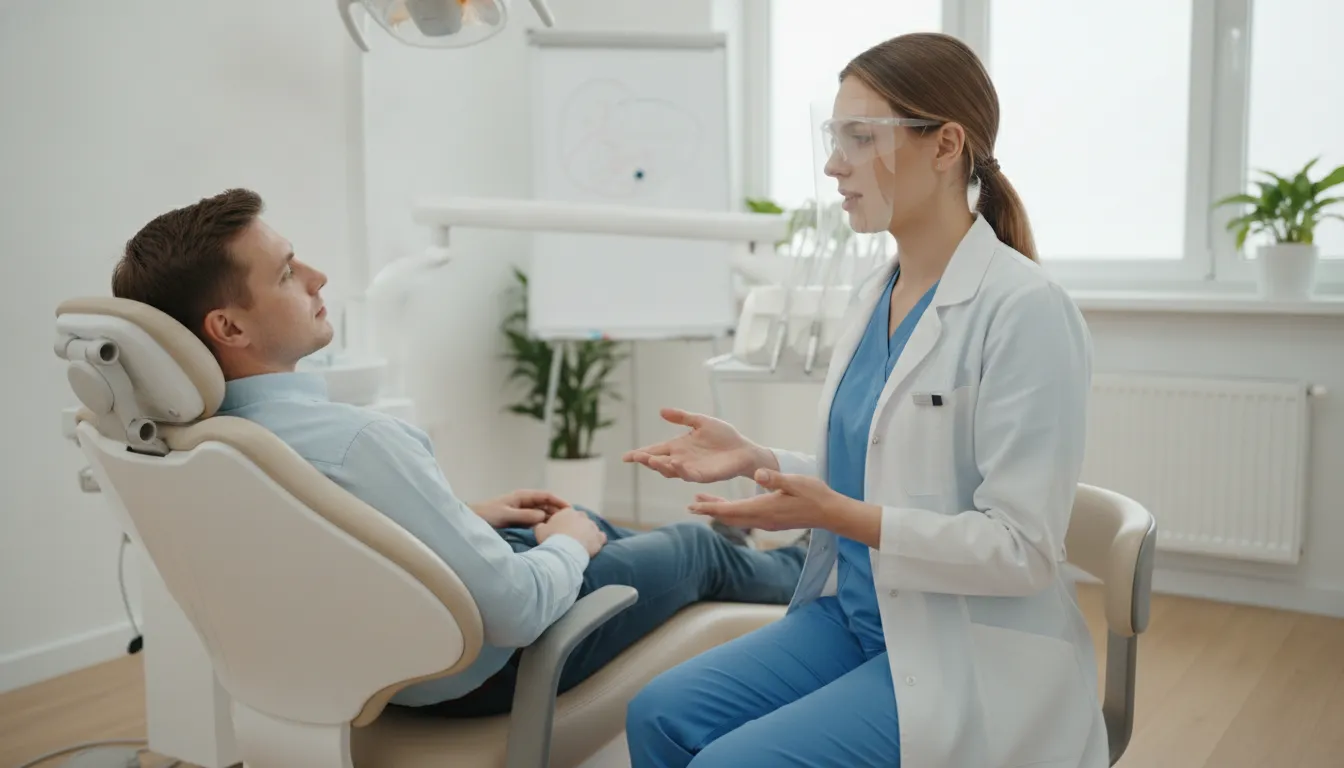
- Ask the treating provider whether an LMN is appropriate. Start with the dentist, orthodontist, physician, or other licensed healthcare professional managing the relevant condition. Explain why a manual toothbrush is not sufficient for your situation. For example, limited dexterity may make the required brushing motion difficult, while braces or gum disease may require a more consistent cleaning approach. The provider should determine whether an electric toothbrush is part of medically appropriate care.
- Have the provider document the medical purpose. An LMN should identify the diagnosed condition, explain how it affects oral care, and state why the electric toothbrush is recommended. It should also include the provider’s credentials, signature, date, and any other details required by your plan administrator. A generic note saying that electric brushing is helpful may not be enough. The central question is whether the device is needed to alleviate, prevent, or manage a specific medical problem.
- Check your plan’s documentation rules before buying. FSA and HSA administrators can have different submission procedures. Ask whether they require a particular LMN form, a prescription, a receipt, or preapproval. Some administrators may also ask for the product description or proof that the purchase matches the provider’s recommendation. Getting these requirements in writing can prevent a claim from being delayed or declined.
- Keep the LMN and purchase records together. Save the letter, itemized receipt, and any claim correspondence. If you use an FSA, submit the documentation through the administrator’s normal reimbursement process. If you use an HSA, retain the records with your tax documents in case you need to substantiate the expense later. Do not assume that a provider’s recommendation automatically guarantees reimbursement.
- Confirm the decision before relying on the reimbursement. If the claim is denied, ask the administrator what part of the documentation was missing and whether an appeal is available. Eligibility depends on the medical purpose and the plan’s review process, not just the toothbrush’s features or brand. When in doubt, verify the specific product and documentation requirements before using tax-advantaged funds.
The same principle explains why dental treatments can qualify while everyday oral-care tools usually do not. The LMN is the evidence that moves an electric toothbrush from a general hygiene purchase toward a documented medical expense. Keep that distinction clear when deciding whether are electric toothbrushes fsa eligible applies to your situation.
Electric Toothbrush vs Manual vs Specialized Dental Devices
The deciding factor is not whether a device uses electricity, vibrates, or improves brushing technique. FSA and HSA eligibility generally turns on what the item is for. Daily-use hygiene products are usually treated as personal care expenses, while dental services and devices tied to a diagnosed condition may qualify under the plan’s rules.
That is why the answer to are electric toothbrushes fsa eligible is usually no for a standard brush, even when research supports its dental benefits. Reviews have found that powered toothbrushes can improve plaque removal, and an oscillating-rotating model may help with plaque and gingival health. Those findings describe clinical performance, not automatic tax-advantaged eligibility. See the clinical meta-analysis and systematic review of powered toothbrushes for the evidence.
| Item or expense | Typical FSA/HSA treatment | What to know |
|---|---|---|
| Standard electric toothbrush | Generally not eligible | Usually classified as a general health or personal care product. A specific medical need and supporting documentation may change the analysis. |
| Manual toothbrush | Generally not eligible | Routine daily hygiene use does not usually meet the medical-purpose test. |
| Water flosser or replacement heads | Check the item and plan rules | Eligibility can depend on the exact product and whether a provider documents a qualifying medical purpose. Do not assume that a replacement part follows a different rule. |
| Orthodontic or specialized dental care | Often eligible when medically related | Braces, Invisalign, and other orthodontic treatment generally address a functional or structural dental issue rather than routine maintenance. |
| Dental treatments | Generally eligible | Qualifying services such as cleanings and fillings are distinct from personal-care tools. Confirm coverage with the administrator before paying. |
The IRS describes qualified medical expenses as amounts paid for the diagnosis, cure, mitigation. Treatment, or prevention of disease, or for affecting a structure or function of the body. That purpose-based standard is the reason a dental treatment can qualify while a toothbrush used for ordinary maintenance does not. Review IRS Publication 502 and your plan documentation before submitting a claim.
A provider’s recommendation can matter when the device is needed for a documented condition, such as limited dexterity, orthodontic care, or another specific dental problem. Clinical evidence may support the provider’s reasoning, but it does not by itself grant eligibility. If you are unsure about a particular model, replacement head, or specialized device, check the exact item rather than relying on the product category alone.
What Dental and Oral Care Items Count as FSA Eligible?
The key distinction is between a dental treatment that addresses a condition and a personal-care tool used for routine hygiene. Dental cleanings, fillings, and braces are typically treated as eligible dental expenses, while an ordinary toothbrush, including most electric toothbrushes, is generally considered a general health item. Your specific plan can apply additional rules, so check the benefit administrator before submitting a claim.
Dental treatments are usually the clearer category
Services such as preventive cleanings and restorative fillings are directly connected to dental care rather than simply maintaining general wellness. That is why they are commonly eligible for FSA reimbursement. Orthodontic treatment, including traditional braces and options such as Invisalign, is also generally eligible because it treats functional or structural issues in the mouth. The timing and reimbursement process can vary, especially when a treatment plan includes payments over multiple years.
These expenses fit the broader IRS purpose test. IRS Publication 502 says medical expenses generally include amounts paid for the diagnosis, cure, mitigation. Treatment, or prevention of disease, or for affecting a structure or function of the body. Read the guidance at IRS Publication 502 and confirm how your plan applies it.
Daily oral-care tools usually need a medical reason
Toothbrushes and replacement heads are different from a cleaning or orthodontic appointment. They are normally used by nearly everyone for daily maintenance, so the item is usually classified as a personal-care or general health product. That classification is why daylii readers asking, “are electric toothbrushes fsa eligible,” should not assume that a higher price, smart feature, or dentist-recommended model changes the answer.
There can be an exception when a healthcare provider connects the device to a specific diagnosed condition and documents medical necessity. For example, a provider may recommend an electric toothbrush as part of care for a patient with limited dexterity or a particular orthodontic or oral-health need. In that situation, a Letter of Medical Necessity may support the claim, but it does not guarantee reimbursement. Keep the documentation and ask the plan administrator what it requires before using FSA funds.
For a broader look at eligible categories and individual products, use the FSA eligible products guide. The practical rule is simple. Start with the purpose of the expense, then verify the exact item and your plan’s requirements. Do not rely on a product label alone.
Why FSA Eligibility Feels So Confusing (and How daylii Makes It Simple)
The confusion starts with a rule that sounds broader than it is. An electric toothbrush can support better oral hygiene, but that does not automatically make it a qualified FSA or HSA expense. The IRS focuses on the purpose of the purchase: medical expenses generally need to diagnose, prevent. Mitigate, or treat an illness or affect a body function, rather than serve ordinary personal care needs. Read the guidance in IRS Publication 502.
That distinction creates awkward gray areas. A routine cleaning or orthodontic treatment is a medical service, while a toothbrush is usually classified as a general health or personal care product. The same kind of item may also be treated differently when a healthcare provider documents a specific medical need. In other words, the product name is only part of the answer. Its intended use, documentation, plan rules, and the exact product listing can all matter.

daylii is designed to remove that guesswork at the point where people actually make spending decisions. Its Marketplace uses a machine-readable, real-time database to check FSA and HSA eligibility at the SKU level, instead of relying only on broad, static lists. That means a shopper can evaluate the specific product in front of them rather than assume that every electric toothbrush. Replacement head, or oral-care device has the same status.
Check your FSA and HSA options with daylii
The platform also connects eligibility with what happens after purchase. daylii Reimburse helps organize receipt and reimbursement workflows. While daylii Pulse gives users a clearer view of balances and healthcare spending. Together, those tools support a more proactive approach: identify eligible care, use available funds intentionally, and keep the records needed for reimbursement.
That matters because uncertainty can lead people to avoid their accounts or let eligible funds go unused. daylii treats FSA and HSA spending as part of an ongoing health journey. Not a last-minute scramble to decode a benefits list. For an electric toothbrush, the practical answer is still to check the specific item and confirm whether medical-necessity documentation applies. The point is that you should not have to solve that classification problem alone.
Frequently Asked Questions
Are electric toothbrushes FSA eligible?
Usually not. A standard electric toothbrush is generally treated as a personal care or general health product, not a qualified medical expense. FSA rules focus on expenses primarily used to diagnose, treat, prevent, or mitigate a disease or condition. See IRS Publication 502 for the governing medical-expense standard.
Can a letter of medical necessity make an electric toothbrush eligible?
Possibly. If a healthcare provider recommends the toothbrush to treat a specific diagnosed condition. Such as limited dexterity or a clinical need related to braces care, a Letter of Medical Necessity may support reimbursement. Ask your FSA administrator what documentation it requires before buying the device or submitting a claim.
Are replacement toothbrush heads FSA eligible?
Replacement heads are generally treated like the toothbrush itself, so they are usually not eligible when purchased for routine personal care. If the original device qualifies under documented medical necessity, confirm with your plan administrator whether replacement parts are covered under the same approval.
What dental items are typically FSA eligible?
Dental services and treatments, including cleanings, fillings, and braces, are commonly eligible when they meet your plan’s requirements. That is different from everyday maintenance tools. Check the specific expense with your administrator, because plan procedures and documentation requirements can vary.
How can I check a product before I buy it?
Review your plan’s eligibility rules and ask the administrator when the classification is unclear. A product-level eligibility checker can also help you distinguish a specific SKU from a broad product category. But it does not replace an administrator’s decision or a required Letter of Medical Necessity.
Ready to make FSA and HSA spending clearer?
Eligibility rules can be difficult to interpret when a product depends on its intended use or medical documentation. daylii helps you check purchases against real-time SKU-level eligibility. So you can make a more informed decision before submitting a claim.