

Paying for everyday preventive care should not require guessing which products qualify or hoping a card transaction goes through. Condoms are one of the clearer examples of an eligible health purchase, but account rules and product labeling can still make checkout feel more complicated than it should. Millions of Americans leave pre-tax dollars unused every year, in part because they are not sure what counts and what does not. The good news is that the answer for condoms is both simple and well documented by the IRS.
See for yourself how daylii makes every FSA and HSA purchase eligibility simple.
Yes, are condoms fsa eligible under standard FSA and HSA rules because the IRS recognizes condoms as medical supplies used for contraception and preventive care. You can typically use tax-advantaged funds to buy qualifying condoms, while checking the specific product and your plan rules before submitting a claim. That clarity is exactly what condom shoppers need before they reach the register.
The important distinction is between an eligible condom purchase and nearby products that may not qualify for the same reason. Start with the basic rule, then look at what makes a purchase eligible, where you can buy, and how to check your exact item so you can pay with greater confidence.
Are Condoms FSA Eligible? The Short Answer
Yes. Condoms are eligible for reimbursement through Flexible Spending Accounts (FSAs), Health Savings Accounts (HSAs), and Health Reimbursement Arrangements (HRAs). The IRS lists condoms in Publication 502 as contraceptives and preventive medical supplies, which places them among qualified medical expenses when used for family planning and disease prevention. See the IRS Publication 502 guidance for the underlying rule.
That answer applies to standard condoms purchased for those preventive purposes. It does not mean every item sold alongside them automatically qualifies. The account type, product description, and plan administrator’s rules can still affect how a purchase is processed, so it is worth checking the specific product before you pay.
Why do condoms qualify?
Qualified medical expenses generally include products used to prevent illness or injury. Condoms fit that definition in two related ways: they support family planning, and they help reduce the risk of sexually transmitted diseases. The eligibility guidance identifies them as preventive medical supplies for those purposes. In practical terms, an eligible purchase can use pre-tax account funds instead of ordinary after-tax dollars, subject to the rules of your plan.
FSAs, HSAs, and HRAs are not identical accounts, and an LPFSA may apply different limitations. If you have a limited-purpose account, confirm coverage with your plan administrator before ordering. Keep your receipt and the product details in case your administrator asks you to substantiate the expense.
How can you confirm a specific product?
The harder question is often not whether condoms qualify in general, but whether the exact product in your cart is identified correctly at checkout. Retailers may label eligible products, but static eligibility lists cannot always keep pace with changing packaging, bundles, sizes, or SKU-level product data. A broad list can provide a useful starting point, but it may leave you uncertain when similar products have different intended uses.
daylii is built around making that decision simpler. Its real-time, SKU-level eligibility checks help you verify the item you are actually considering rather than relying only on a general category label. That clarity matters when an FSA or HSA card is declined at checkout and you need to know whether the problem is the product, the retailer, or the account rules.
For a wider reference list, browse daylii’s FSA eligible products guide. Use it to explore related qualifying items, then verify the individual product and retain your receipt before submitting a reimbursement claim.
Why Are Condoms FSA and HSA Eligible?
The key is prevention. IRS rules define qualified medical expenses broadly enough to include items used to prevent illness or injury, not only products used after a medical problem appears. Condoms fit that standard because they help prevent sexually transmitted infections and unintended pregnancy while also serving a family-planning purpose.

The Centers for Disease Control and Prevention explains that correct and consistent condom use reduces the risk of sexually transmitted diseases and pregnancy, though it does not completely eliminate it. That distinction matters. Eligibility is not based on a product guaranteeing a medical outcome. It is based on the product having a recognized preventive health purpose. The CDC’s condom-use guidance describes both the benefits and the limits of protection.
Condoms serve two preventive purposes
Many contraceptive products are designed primarily to prevent pregnancy. Condoms can do that, too, but they also provide a layer of protection against infection. The CDC notes that most birth-control methods do not protect against sexually transmitted infections, while condoms, used alone or with another method, reduce the risk of STI and HIV transmission. This combination makes condoms distinct among commonly available birth-control options.
In practical terms, purchasing condoms is connected to avoiding a future health issue rather than treating an existing one. That is why the same item can qualify under a health account even though it may be sold alongside ordinary personal-care products. The intended medical use is preventive care and family planning, which aligns with the IRS standard for qualified expenses.
What the IRS standard means for your account
IRS Publication 502 lists condoms as qualified medical expenses and identifies them as contraceptives and preventive medical supplies. Publication 502 is the useful reference point when you want to understand why an item qualifies, but your plan administrator can still control reimbursement procedures. FSA, HSA, and HRA rules can differ in documentation, payment processing, or claim submission requirements, so keep your receipt and check your account’s policies.
That is also why it helps to verify the specific product before checkout rather than assuming every item in a broad category is treated identically. If you are comparing related health purchases, this guide to FSA eligible products can provide a broader reference. For a quick answer to “are condoms FSA eligible,” the IRS classification is yes, because their purpose includes disease prevention and family planning. The preventive purpose is the rule behind the eligibility, not a special exception for one retailer or payment method.
Which Contraception Items Are Eligible and Which Are Not?
Condoms are generally eligible medical expenses because the IRS recognizes them as contraceptives used for family planning and disease prevention. That does not mean every product sold in the sexual wellness aisle receives the same treatment. The item’s primary medical purpose matters, and your plan administrator can apply its own documentation or reimbursement rules.
Use the table below as a practical starting point. For the broadest context, review this guide to family planning medical supplies, then confirm the specific product before paying with account funds.
| Item or category | Typical FSA/HSA status | Why it may qualify or not |
|---|---|---|
| Condoms | Eligible | The IRS lists condoms as qualified medical expenses. They function as contraceptives and preventive medical supplies for family planning and disease prevention. IRS Publication 502 includes condoms among eligible expenses. |
| Other contraceptives | Often eligible, depending on the item | Products designed primarily for contraception may qualify, but eligibility can vary by product type, account rules, and whether a prescription or other documentation is required. Check the individual item rather than assuming every contraceptive is covered. |
| Family-planning medical supplies | May be eligible | Supplies with a clear medical or preventive purpose can qualify under the account’s rules. Keep an itemized receipt and verify the exact product if the retailer does not identify it as eligible. |
| Lubricants | Generally not eligible | Lubricants are generally not covered because they do not have a primary preventive medical purpose under common FSA/HSA eligibility guidance. FSA Store’s explanation distinguishes them from contraceptive supplies. |
| Other sexual wellness products | Generally not eligible | Products marketed for general pleasure, comfort, or personal use usually do not meet the qualified medical expense standard. A product’s placement near eligible items does not make it reimbursable. |
| Limited-purpose FSA coverage | May be eligible in some circumstances | Condoms may qualify under a limited-purpose FSA, or LPFSA, but LPFSA rules can be narrower than standard FSA rules. Confirm coverage with your administrator before purchasing. |
The simplest distinction is purpose: a contraceptive or preventive supply may qualify, while a general sexual wellness product usually does not. Even when a category is commonly eligible, SKU-level details can matter. A bundled order may include both eligible and ineligible products, so separate them on the receipt and avoid assuming the entire cart is reimbursable.
If you use an LPFSA, have an unusual product, or are unsure whether a retailer’s label is accurate, check your plan administrator’s requirements first. The IRS identifies condoms as eligible, but account-level procedures still determine how you document and submit the expense. Read the IRS medical expense guidance when you need the underlying reference.
Where Can You Buy Condoms With an FSA or HSA Card?
You can usually buy eligible condoms at major pharmacies, mass retailers, and online stores that support FSA or HSA checkout. The easiest route is to choose a retailer that identifies qualifying products before you pay, rather than relying on a card transaction to explain eligibility after the fact. Retailers such as CVS and Walmart may carry eligible options in their pharmacy or family-planning sections. Amazon and other approved online retailers often label qualifying products directly on the product page or in a dedicated FSA/HSA store.
These labels matter because the eligibility decision applies to the specific item, not simply to every product in a broad category. Retail systems that support FSA and HSA payments use Inventory Information Approval System, or IIAS, processes to distinguish eligible products from items that do not qualify. A product label, an eligible-item filter, or an FSA/HSA checkout designation can help you confirm that the product is recognized before you add it to your cart.
Buying condoms in a pharmacy or store
At CVS, Walmart, or another large retailer, start by checking the package and the shelf signage. Then confirm the item in the retailer’s online catalog if one is available. Keep your receipt, especially if you pay with another method and plan to request reimbursement. Store-level inventory and checkout systems can vary, so a product being sold in a pharmacy does not automatically mean every size, variety, or multipack will be coded identically.
If the store’s labeling is unclear, ask whether the item is marked as FSA or HSA eligible before checkout. You can also compare the product with daylii’s best FSA eligible products guide when building a broader shopping list.
Buying condoms online
Online shopping can make the verification step more visible. On Amazon, CVS, Walmart, and similar platforms, look for an FSA/HSA-eligible badge, a qualifying-item filter, or payment instructions that specifically mention an FSA or HSA card. Do not assume that every result in a search for condoms qualifies. Read the full product listing, confirm the seller and exact product variation, and check whether the eligibility label remains attached after you select a size or quantity.
Using an FSA or HSA for an eligible health item lets you spend tax-advantaged funds rather than paying entirely from a regular bank account, which can reduce the effective cost of the purchase. The savings depend on your account, contribution rules, and personal tax situation. See the HSA eligible expenses guide for a wider overview of HSA shopping.
daylii makes this process simpler by checking eligibility at the real-time SKU level instead of trusting a static category list. You can verify the exact product before checkout and reduce uncertainty about whether the item you selected is the one your account will recognize.
How to Make Sure Your Condom Purchase Is Eligible
Eligibility is usually straightforward, but the item you pay for and the rules attached to your account both matter. A few checks before you place an order can prevent a declined card transaction or a reimbursement request that requires extra documentation. Use this process when shopping online or in a store.
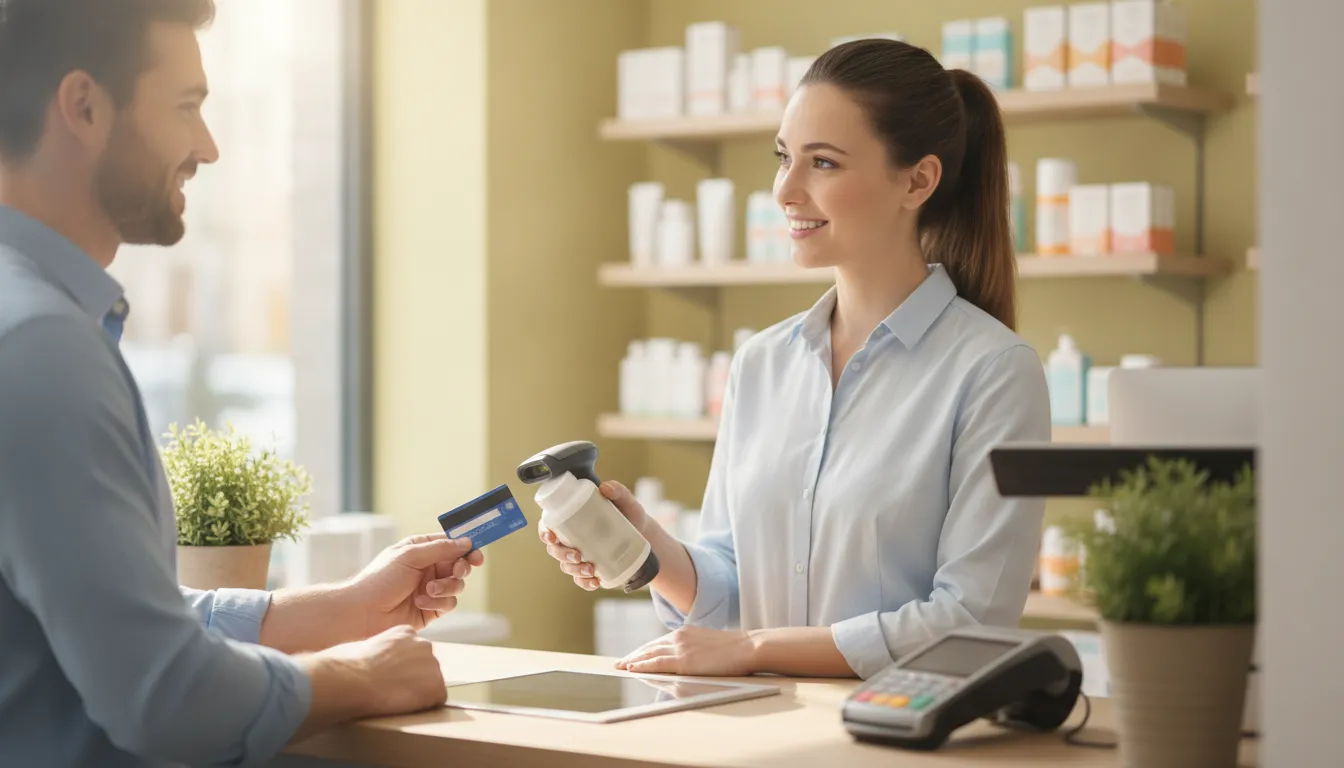
- Look for an FSA/HSA-eligible label. Start at the product page, search results, or checkout screen. Many online retailers, including CVS, Amazon, and specialized health-product stores, identify products that qualify for FSA or HSA payment. The label is a useful first signal, but it is not a substitute for reviewing your plan’s rules. Product bundles can also combine eligible and non-eligible items, so check the individual product rather than relying only on a category label.
- Verify the exact product or SKU. Eligibility can vary at the item level, especially when a retailer sells multiple sizes, quantities, materials, or bundled accessories. Check the product’s exact name, package size, and SKU in a current eligibility tool before adding it to your cart. daylii uses a real-time SKU-level eligibility database to make this check more precise than comparing your purchase with a broad static list. If you are researching other qualified purchases too, this guide to FSA eligible expenses can help you understand the wider category.
- Keep your FSA or HSA card ready. Pay with the account card when the retailer accepts it. The transaction may be approved automatically when the merchant and item are coded correctly. If the card is declined, do not assume the product is ineligible. Save the itemized receipt, confirm the SKU, and check whether your plan requires you to submit the expense manually. The IRS lists condoms as contraceptives and qualified medical expenses in Publication 502, and they are generally recognized for disease prevention and family planning.
- Separate non-eligible add-ons. A cart that contains condoms and lubricant may not qualify as a single eligible purchase. Lubricants are generally not covered because they do not have the same primary preventive medical purpose as condoms. Remove non-eligible add-ons or pay for them separately with another payment method. This also applies to personal-care products, convenience items, and shipping-related extras that are not part of the qualifying medical supply.
- Review your plan’s specific rules. Standard FSA and HSA coverage is not the only detail to consider. Some limited-purpose FSAs, or LPFSAs, may cover condoms in certain circumstances, but the account administrator’s rules control. Check your benefits portal or ask the plan administrator whether the purchase qualifies, whether a letter of medical necessity is needed, and what documentation to retain. Rules can differ even when the underlying item is recognized by the IRS.
These steps answer the practical question behind “are condoms FSA eligible?” without treating every checkout as identical. Confirm the exact product, keep your receipt, and verify the account type before you spend tax-advantaged funds.
How Daylii Makes FSA Eligibility Simple
The problem with FSA and HSA spending is rarely the product itself. It is the uncertainty around the purchase. A standard benefits card may work for one item and decline for another that looks nearly identical. Leaving shoppers to search static eligibility lists, interpret vague categories, or pay out of pocket and hope reimbursement works later. That is a frustrating way to use money set aside for healthcare.
daylii is built around fixing that broken system. Instead of treating eligibility as a broad product category, daylii uses a machine-readable database that checks eligibility at the SKU level. In practical terms, the system can distinguish between specific products, package variations, and retailer listings rather than assuming every item in a category receives the same treatment.
Why SKU-level verification matters
Consider a shopper searching for condoms or another family-planning product. A general checklist may say the category is eligible, but it does not necessarily answer whether the exact product in a particular cart will qualify. Retailers may also use different product names, bundle items together, or place eligible and non-eligible products beside each other. Those details are where confusion starts.
With SKU-level verification, daylii gives shoppers a clearer answer before they complete the transaction. The experience is designed around the item being purchased, not around a vague promise that the category is usually covered. That distinction helps people make decisions with more confidence and reduces the guesswork that often turns a routine healthcare purchase into an administrative task.
From declined transactions to a clearer buying experience
FSA and HSA debit cards are convenient, but convenience breaks down when a transaction is declined without a useful explanation. Industry notes in daylii’s research indicate that decline rates can reach 54%, which shows why card acceptance alone is not a reliable eligibility strategy. A declined payment does not always mean the product is ineligible. It may reflect merchant coding, product-level ambiguity, or limits in how a card system recognizes the item.
daylii shifts the process earlier, helping shoppers check the product before they reach checkout. It also supports a more useful path for manufacturers and retailers. Who need eligibility information that can be connected to real product data rather than maintained as a static list. For a broader overview, see this guide to HSA eligible expenses.
Use daylii to make FSA and HSA eligibility easier to understand.
Frequently Asked Questions
Are condoms FSA eligible?
Yes. Condoms are eligible medical expenses for reimbursement through FSA, HSA, and HRA accounts because they are contraceptives used for family planning and disease prevention. The IRS lists condoms among qualified medical expenses in Publication 502.
Why are condoms FSA and HSA eligible while some sexual wellness products are not?
Eligibility generally depends on whether an item has a primary medical or preventive purpose. Condoms help prevent pregnancy and reduce the risk of sexually transmitted infections. While products such as lubricants are generally not covered because they typically do not serve that same primary preventive purpose.
Can I use my FSA or HSA card to buy condoms online?
Often, yes. Many online retailers label qualifying products as FSA or HSA eligible, and some allow you to pay directly with an account card. Check the product listing and keep your receipt in case your plan administrator requests documentation.
Are all types of condoms eligible for FSA or HSA reimbursement?
Condoms are generally eligible when purchased as contraceptive or preventive medical supplies, but product-level eligibility and payment rules can vary by plan. If a specific item is not clearly labeled, verify it with your account administrator before buying or submitting the expense.
Ready to Make FSA Eligibility Simpler?
Condom purchases should not require guesswork at checkout. daylii helps make health spending clearer by connecting eligibility guidance with real-time SKU-level verification so you can approach everyday purchases with more confidence.
See how daylii makes every FSA and HSA purchase eligibility simple.