
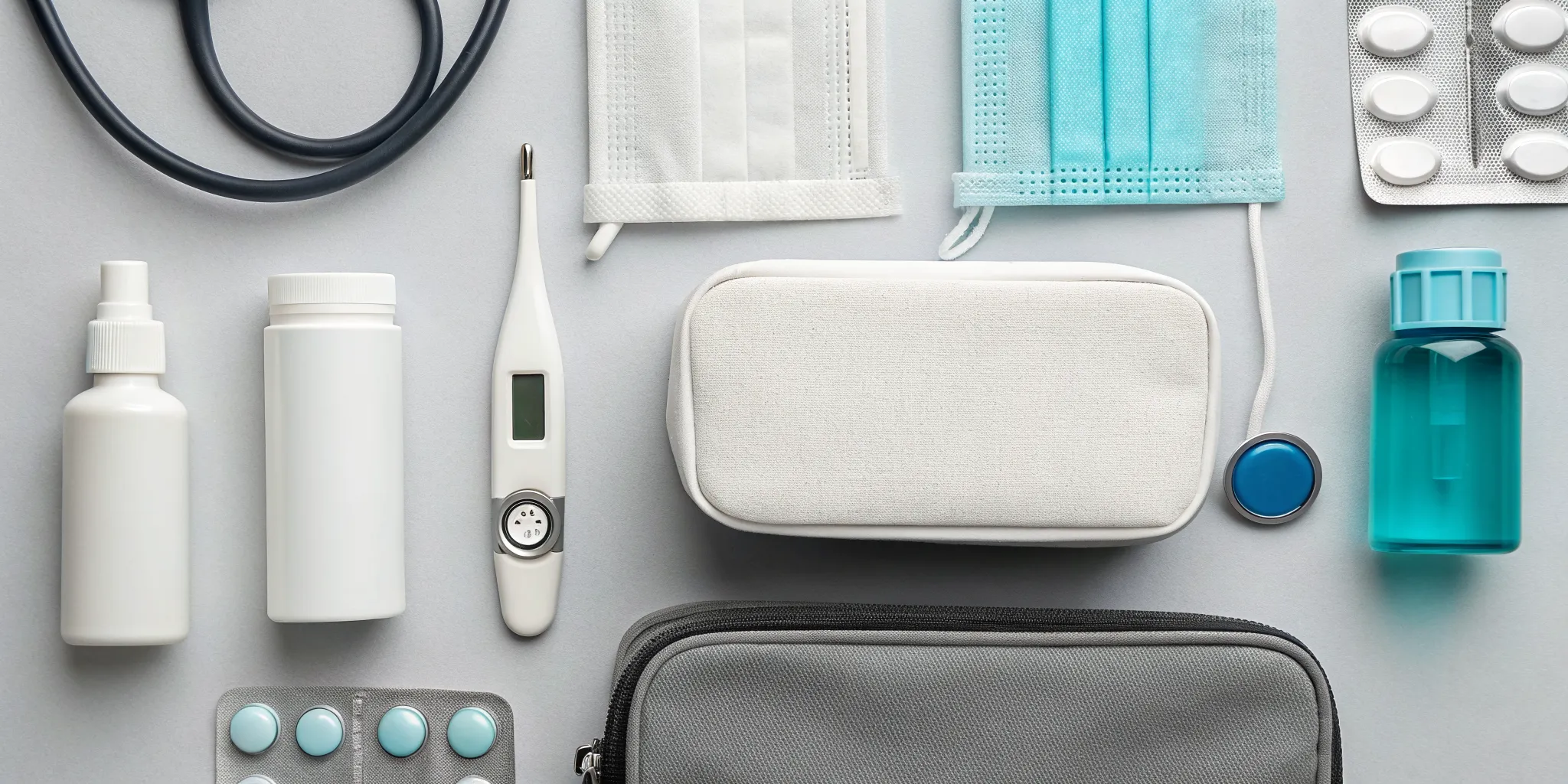
Most people think their FSA is just for doctor’s visit co-pays and prescription medications. While it’s great for those things, that’s only a tiny piece of the puzzle. Your FSA can cover a surprisingly wide range of wellness products you probably buy anyway, like sunscreen, first-aid supplies, acne treatments, and even menstrual care products. When you learn what qualifies, your FSA transforms from a simple health benefit into a dedicated wellness fund. This guide will walk you through the essentials, revealing the unexpected items you can buy and the best strategies for planning your purchases. We’ll give you the confidence to shop FSA eligible items and ensure not a single pre-tax dollar goes to waste.
Key Takeaways
- Use pre-tax dollars to save on healthcare: An FSA lets you set aside money from your paycheck before taxes, lowering your taxable income and making hundreds of health-related products and services more affordable.
- Manage your FSA with three simple habits: To avoid losing money, always confirm an item’s eligibility before you buy, keep every receipt for proof of purchase, and pay close attention to your plan’s “use it or lose it” deadline.
- Think beyond co-pays and prescriptions: Make your FSA a proactive wellness tool by using it to stock your home with health essentials, purchase preventive care items like sunscreen, and cover costs for dental and vision care.
FSA 101: What It Is and Why It Matters
Think of a Flexible Spending Account (FSA) as a personal savings account dedicated to your health, but with a major perk: the money you put in is tax-free. It’s an employer-sponsored benefit that lets you set aside a portion of your paycheck before taxes are taken out. You can then use these untaxed dollars to pay for qualified health-related expenses for you, your spouse, and your dependents. It’s one of the smartest and simplest ways to pay for the health products and services you’re already using.
So, why does this matter for your wallet? Because you’re using pre-tax money, you effectively lower your total taxable income for the year. This means you pay less in taxes and keep more of your hard-earned money. It’s like getting an automatic discount on everything from doctor’s visit copays and prescriptions to bandages and contact lenses. An FSA gives you a clear, predictable way to budget for your health, putting you in control of your spending.
The range of what you can buy is broader than you might think. FSAs are designed to cover a wide variety of medical, dental, and vision costs. The IRS generally defines FSA eligible items as products and services that are used to alleviate or prevent a physical or mental health condition. This includes obvious things like prescription medications and dental work, but it also covers everyday essentials like sunscreen, first-aid kits, and pain relievers. Understanding what qualifies is the first step to making your health dollars work harder for you.
Your FSA Shopping Guide: Where to Go
Okay, you’ve got your FSA funds ready to go. Now for the fun part: shopping. The great news is that you have plenty of options, from specialized online retailers to the corner drugstore you visit every week. Knowing where to look can help you spend your pre-tax dollars wisely and without any hassle. Let’s break down the best places to use your FSA card so you can shop with total confidence.
Online FSA Stores
For the ultimate convenience, dedicated online FSA stores are your best friend. These websites are designed to take the guesswork out of shopping because they only sell products that are 100% FSA-eligible. Think of it as a curated catalog for your health needs. You can browse thousands of items, from sunscreen to first-aid kits, without ever wondering if your purchase will be approved. Some platforms even help you use your FSA or HSA funds to buy health-related products from other brands, expanding your options even further.
Your Local Pharmacy and Superstore
You don’t have to go far to find FSA-eligible items. Your neighborhood pharmacy, like Walgreens or CVS, is a fantastic resource. These stores are well-versed in FSA rules and often label eligible products right on the shelf. You can use your FSA card at the checkout just like a regular debit card for everything from prescriptions and over-the-counter medications to bandages and contact lens solution. Remember, your FSA also covers out-of-pocket costs like copayments and deductibles, which you’ll typically handle right at the pharmacy counter.
How to Spot an FSA-Friendly Store
So, how do you know if a store is FSA-friendly? The easiest way is to look for signs that they accept FSA cards at checkout, which most major retailers do. The real key is knowing which items are eligible, a list that’s ultimately determined by the IRS. Many online retailers and local pharmacies will label eligible products to make it easier for you. When in doubt, you can always check a dedicated resource like the FSA Store for a categorized list of products before you head out to shop elsewhere.
The Ultimate FSA Shopping List: What’s Covered?
Think of your Flexible Spending Account as your personal health and wellness fund. It’s designed to cover a huge range of products and services that keep you healthy, but it can be tricky to know exactly what qualifies. The good news is that the list of eligible items is longer than you might think, covering everything from first-aid essentials to dental care and even some self-care products.
Getting familiar with what’s covered helps you plan your spending and make the most of every pre-tax dollar you’ve set aside. To make it easier, I’ve broken down the most common categories and even included a few surprising items you can buy with your FSA card. Let’s get your shopping list started.
Health Essentials for Your Home
Building a well-stocked home health kit is one of the smartest ways to use your FSA funds. These are the items you’ll be glad to have on hand when you need them most. You can purchase essentials like digital thermometers, blood pressure monitors, and fully-stocked first-aid kits. Bandages, antiseptic wipes, and pain-relieving creams are also covered.
This category also includes menstrual care products like tampons, pads, and menstrual cups, which became eligible a few years ago. It’s a great opportunity to stock up on these necessities using your pre-tax dollars. For a complete rundown, you can always check a detailed list of FSA eligible items before you shop.
Stock Your Medicine Cabinet
Your medicine cabinet is another area where your FSA can do some heavy lifting. You can use your funds to buy a wide variety of over-the-counter (OTC) medications for you and your family. Think about the things you reach for regularly or during certain seasons. This includes pain relievers like ibuprofen or acetaminophen, cold and flu remedies, allergy medication, and antacids for heartburn.
It also covers topical treatments, such as hydrocortisone creams for itchy skin and acne products containing active ingredients like salicylic acid or benzoyl peroxide. Planning ahead and stocking up on these health supplies is a great strategy, especially if you’re nearing your plan’s “use it or lose it” deadline.
Eye and Dental Care Must-Haves
Don’t forget about your eyes and teeth. Your FSA is perfect for covering expenses that might not be fully paid for by your insurance. For vision care, this includes prescription eyeglasses, contact lenses, and cleaning solutions. You can even use your funds to buy prescription sunglasses to protect your eyes from UV rays. Eye exams and related copays are also eligible.
On the dental side, you can pay for cleanings, fillings, crowns, and even orthodontia like braces. While routine things like toothpaste and floss aren’t covered, your FSA can handle the bigger costs associated with keeping your smile healthy. These everyday health supplies are some of the most practical uses for your account.
Wellness and Self-Care Goodies
This is where using your FSA gets interesting. Certain wellness and self-care products can be eligible, but there’s usually a catch: you’ll often need a Letter of Medical Necessity (LMN) from your doctor. An LMN is a formal note that explains why a specific product is necessary to treat, diagnose, or prevent a medical condition.
With an LMN, you may be able to purchase items like massage guns for muscle pain, light therapy lamps for seasonal affective disorder (SAD), or orthopedic pillows for neck support. The key is that the item must be for a specific medical purpose, not just for general wellness. Always check with your FSA administrator and talk to your doctor first.
Surprising Items You Didn’t Know Were Covered
Beyond the usual suspects, your FSA covers some items that might surprise you. For example, sunscreen with an SPF of 15 or higher is eligible, so you can stock up before your next vacation or for daily use. For new parents, breast pumps and other lactation supplies are covered, which can be a huge financial help.
Other unexpected eligibles include smoking cessation products and programs to help you quit for good. Even transportation costs for getting to and from medical appointments can be reimbursed. And if you rely on a guide dog, the costs of buying, training, and maintaining the animal are also covered. It just goes to show how flexible your FSA can be.
How to Get the Most Out of Your FSA
Having an FSA is one thing; using it wisely is another. Think of it as your dedicated health fund, ready to cover costs from the expected to the unexpected. With a little planning, you can make every pre-tax dollar count toward your wellness goals. It’s not just about spending the money, it’s about spending it smartly on the things that truly support your health. These simple strategies will help you manage your FSA with confidence and ensure you’re getting the full value from your benefits, from the first day of your plan year to the last.
Double-Check Eligibility Before You Buy
Before you head to the checkout, it’s always a good idea to confirm an item is an FSA eligible expense. While you probably know that prescriptions and co-pays are covered, you might be surprised by what else makes the list, like sunscreen, first-aid kits, and acupuncture. A quick check can save you the headache of a denied claim. Most online FSA stores have a search tool you can use to verify products. For in-person shopping, many stores label eligible items right on the shelf. When in doubt, a quick search for the IRS list of approved medical expenses can give you a definitive answer.
Plan Your Big Health Purchases
One of the best ways to use your FSA is to plan for predictable health expenses throughout the year. Do you know you’ll need new glasses or contacts? Will your kids need braces? Schedule those appointments and plan the purchases accordingly. You can also use your funds for routine check-ups, like dental cleanings and eye exams. Toward the end of the year, take stock of what you have and what you might need. It’s a great time to replenish your medicine cabinet or stock up on everyday health supplies. A little foresight ensures your FSA funds are put to good use on significant, necessary health investments.
Keep Your Receipts (You’ll Need Them)
Even if you have an FSA debit card, holding onto your receipts is a non-negotiable. Your plan administrator may require proof of purchase to verify that your spending was for an eligible expense. If you pay for a product or service out-of-pocket, you will absolutely need the receipt to submit a claim for reimbursement. To make life easier, create a simple system. Snap a photo of each receipt with your phone and save it to a dedicated digital folder, or keep a physical folder for all your health-related paperwork. This small habit makes the FSA reimbursement process smooth and stress-free.
Beat the “Use It or Lose It” Deadline
Most FSAs operate on a “use it or lose it” basis, meaning any money left in the account at the end of the plan year is forfeited. To avoid this, keep a close eye on your balance and the deadline. If you have funds remaining as the year winds down, consider scheduling end-of-year appointments or restocking medical essentials. It’s the perfect opportunity to buy items you know you’ll need, like prescription sunglasses, a blood pressure monitor, or a fresh supply of contact lens solution. Some plans offer a short grace period or allow a small rollover, so be sure to check your specific plan details to understand all your options.
How to Save Money on FSA-Eligible Items
Using pre-tax money for your health expenses is already a smart financial move, but why stop there? With a little planning, you can stretch your FSA dollars even further. Getting the most value isn’t just about what you buy; it’s about how and when you buy it.
Think of it like grocery shopping. You wouldn’t buy everything at full price if you knew a sale was just around the corner, right? The same logic applies to your health and wellness products. By combining your FSA benefits with savvy shopping strategies, you can make sure every dollar is working its hardest for you. Let’s get into a few simple ways to become an expert FSA shopper and keep more money in your pocket.
Shop Seasonal Sales
Timing is everything. Many health-related items go on sale at predictable times of the year, and aligning your FSA spending with these sales can lead to big savings. For example, stock up on sunscreen and allergy medicine during spring promotions. Back-to-school sales in late summer are a perfect time to refresh your first-aid kit with bandages, antiseptic wipes, and pain relievers. As the weather cools, look for deals on cold and flu remedies. Planning ahead for these predictable health expenses allows you to buy what you need when the price is lowest, rather than waiting until you’re running on empty.
Find FSA-Only Deals
You’re not the only one looking to spend FSA funds, and retailers know it. Many online stores, especially dedicated FSA shops, offer special deals and promotions specifically for FSA users. Keep an eye out for bundled products, which group popular items like pain relievers, cold medicine, and first-aid supplies together at a slight discount. These deals are especially common toward the end of the year when people are trying to use their remaining funds. Sign up for newsletters from your favorite health retailers to get alerts on these promotions so you never miss a chance to save.
Buy in Bulk to Save More
For the everyday health products you and your family rely on, buying in bulk is one of the easiest ways to save. Think about items with a long shelf life that you use consistently, like contact lens solution, vitamins, pain relievers, or bandages. Purchasing the larger-size bottle or a multi-pack often brings the price-per-unit down significantly. Just be sure to check expiration dates and confirm you can use everything before your FSA’s “use it or lose it” deadline. And always double-check that the items are considered qualified medical expenses by the IRS to ensure you’ll be reimbursed.
Common FSA Mistakes (and How to Avoid Them)
Flexible Spending Accounts are a fantastic tool for managing health costs, but they come with a few rules that can trip people up. It’s easy to make a mistake that could cost you your hard-earned money, and nobody wants to see their pre-tax dollars go to waste. The good news is that once you know the common pitfalls, they’re simple to avoid. Think of it like learning the rules of a new game; a little bit of knowledge upfront can make a huge difference in your success. Many people feel a bit intimidated by the guidelines, worrying they’ll buy the wrong thing or lose their funds at the end of the year. This uncertainty can lead to either underusing the account or making purchases that get denied. But it doesn’t have to be that way. By understanding the distinctions between different types of products, what paperwork to keep, and the real scope of what’s covered, you can transform your FSA from a source of stress into a seamless part of your financial wellness. We’re going to walk through some of the most frequent FSA errors so you can spend with confidence, knowing that every dollar is working hard for your well-being. Let’s clear up the confusion and make your FSA a simple, powerful part of your health journey.
Know the Rules: Prescription vs. OTC
One of the most common points of confusion is the difference between over-the-counter (OTC) items and those that need a doctor’s note. While you can grab things like bandages and pain relievers without a second thought, some purchases require a bit more planning. Items like air purifiers, certain supplements, or even a sauna might be eligible, but only if your doctor provides a Letter of Medical Necessity (LMN). This letter confirms the item is part of a treatment plan for a specific medical condition. So, before making a big wellness purchase, it’s always a smart move to check if you’ll need a prescription or an LMN to get it approved.
Don’t Buy These Personal Care Items
It’s easy to get carried away while shopping, but your FSA card isn’t meant for your entire drugstore haul. General personal care products, like cosmetics, standard toiletries, and beauty items, are not eligible for reimbursement. Think of it this way: your FSA is for out-of-pocket medical costs that your insurance doesn’t cover. This includes things like co-pays, deductibles, and prescriptions. So while your daily moisturizer or makeup won’t make the cut, medicated acne treatments or sunscreens with a high SPF are usually fair game. Always double-check if an item is for general wellness or to treat a specific medical need before you pay with your FSA funds.
Keep Your Paperwork Straight for Reimbursements
This might be the most important tip of all: keep your receipts organized. If you use an FSA card, your administrator might ask for proof of purchase later. If you pay out-of-pocket, you’ll need those receipts to file a claim for reimbursement. Without proper documentation, your claim could be denied, and if you miss the submission deadline, your employer can keep the unused funds. It’s one of the most common FSA misconceptions that the process is too complicated, but a simple system is all you need. A dedicated folder or a digital album on your phone can make all the difference and ensure you get back every dollar you’re entitled to.
Debunking FSA Myths That Cost You Money
Many people leave money on the table because they believe their FSA only covers doctor’s visits and prescriptions. This is one of the biggest myths out there. In reality, your FSA can be used for a huge range of health and wellness products and services. From acupuncture and chiropractic care to over-the-counter allergy medicine and first-aid supplies, the list of eligible expenses is surprisingly long. Don’t limit yourself based on assumptions. Take a few minutes to explore what’s actually covered. You might find that you can use your pre-tax dollars for things that are already part of your wellness routine, helping you save money and prioritize your health.
Shop Smarter for Your Health Goals
Using your FSA wisely is about more than just covering co-pays when you’re sick. It’s a powerful tool for proactively managing your health and wellness. When you think of your FSA funds as part of your overall health strategy, you can make every dollar count. It’s about shifting from reactive spending to intentional planning that supports your long-term goals. Here are a few ways you can shop smarter and align your FSA spending with what truly matters for your well-being.
Match Your Spending to Your Health Needs
Think about your predictable health expenses for the year. Do you have routine dental cleanings or annual eye exams? Maybe you rely on specific allergy medicine every spring. By planning for these known costs, you can allocate your FSA funds with intention instead of scrambling to spend them last-minute. This is your chance to align your spending with your actual health needs. Stocking up on essentials you know you’ll use makes the most of your pre-tax dollars. It’s a simple way to make your financial wellness a core part of your health journey.
Build Your At-Home Health Kit
Your FSA is the perfect resource for building a comprehensive at-home health kit. Think beyond a few bandages and pain relievers. You can create a well-stocked supply closet that prepares you for anything from a common cold to minor injuries. Use your funds for a reliable thermometer, blood pressure monitor, cold remedies, and first-aid essentials. It’s also a great way to stock up on menstrual care products or contact lens solution. Having these FSA eligible items on hand means you won’t need a late-night pharmacy run when you’re feeling unwell. It’s about creating peace of mind.
Use Your FSA for Preventive Care
One of the most underutilized benefits of an FSA is its coverage for preventive care. These are products and services that help you stay healthy and avoid illness. Many people are surprised to learn what qualifies. For example, you can use your FSA for sunscreen with SPF 15+, smoking cessation programs, and even breast pumps and supplies. It also covers transportation costs for getting to medical appointments. By focusing on preventive health, you can use your FSA to invest in your long-term well-being, turning it into a true wellness fund, not just a sick-day fund.
Frequently Asked Questions
What’s the real benefit of using an FSA instead of just my regular bank account? The biggest advantage is the tax savings. The money you contribute to an FSA is taken from your paycheck before taxes are calculated, which lowers your overall taxable income. This means you pay less in taxes for the year. Think of it as getting an automatic discount on all your eligible health purchases, since you’re paying for them with money that was never taxed in the first place.
Can I use my FSA to pay for my spouse’s or children’s medical expenses? Yes, you absolutely can. Your FSA funds are available to cover qualified medical expenses for you, your spouse, and any dependents you claim on your tax return. This makes it a great tool for managing family health costs, from your child’s braces to your spouse’s prescription glasses.
What happens if I accidentally buy something that isn’t eligible with my FSA card? It’s a common concern, but the process is usually straightforward. If you mistakenly purchase a non-eligible item, your FSA administrator will likely notify you and ask you to repay the account for that amount. You can typically do this by sending a check or using your personal bank account. To avoid this, it’s always best to double-check an item’s eligibility before you get to the checkout counter.
What is a Letter of Medical Necessity and when do I actually need one? A Letter of Medical Necessity (LMN) is a formal note from your doctor that states a specific product or service is needed to treat a medical condition. You’ll need one for items that aren’t automatically considered medical essentials, like a massage gun for chronic pain or an air purifier for asthma. The letter justifies the purchase as a medical expense, not just a general wellness buy.
What are the best things to buy if I have money left at the end of the year? If you’re approaching your plan’s deadline, focus on stocking up on items you know you’ll use. This is a great time to replenish your first-aid kit, buy a six-month supply of contact lenses, or purchase a new pair of prescription sunglasses. You could also invest in at-home health devices like a blood pressure monitor or a digital thermometer. Planning ahead helps you use every dollar wisely.