
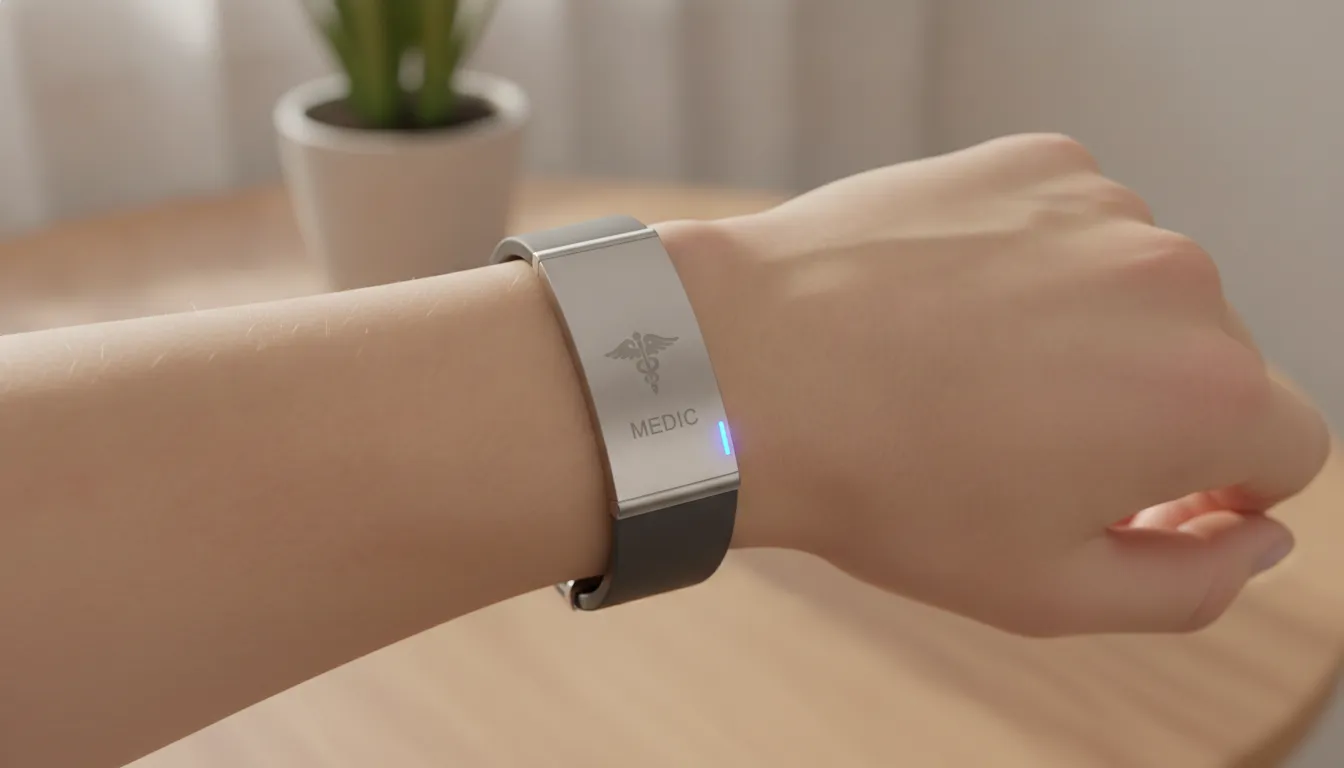
A medical alert bracelet can save your life during a sudden health crisis or accident. This simple tool gives doctors and first responders the facts they need to help you quickly.
Get started with daylii to simplify your health benefit spending and track eligibility instantly.
A medical alert bracelet FSA eligible expense is generally reimbursable when used to manage a chronic health condition. Per IRS guidelines, tax-free funds are approved for safety tools that provide vital medical data to first responders in an emergency. With a health tracking platform like daylii, users can easily understand eligibility rules, confirm if a specific medical ID qualifies, and manage their receipts. Decorative jewelry that is purely aesthetic does not count as a valid expense.
To ensure your claim is approved smoothly, you should keep a detailed itemized receipt and a note of medical need from your doctor. Tools like daylii simplify managing these records, helping you stay safe without paying out of pocket.
You can use your pre-tax dollars to buy this safety gear if you follow the right steps. We will show you how to check your plan and get the proof you need. Knowing Is a Medical Alert Bracelet FSA Eligible? IRS Criteria Explained will help you save money while staying safe. The path begins with
Is a Medical Alert Bracelet FSA Eligible? IRS Criteria Explained
Yes, a medical alert bracelet is FSA eligible when used for a primary medical purpose. The platform daylii helps you verify that your specific device meets IRS criteria as a qualified medical product. These safety tools provide essential health facts to first responders during an emergency.
Primary Medical Purpose
The IRS has clear rules for what counts as a medical cost. To be eligible, an item must help find, cure, treat, or prevent a health issue. A medical ID meets this goal when it lists conditions like heart disease or severe allergies. It is not just a piece of jewelry. As noted by University of Pennsylvania HR, costs must be for medical care and not for looks. This means you should pick your bracelet for its safety features.
IRS Rule Publication 502
IRS Publication 502 gives the full list of what you can claim. It states that medical care includes costs for the “diagnosis, cure, mitigation, treatment. Or prevention of disease.” For your alert device to qualify, it must serve a clear health need. You can find more about FSA and HSA eligibility in our full guide. While the IRS does not name every product, these IDs fit as long as they help you manage a medical state.
Proof of Medical Need
Sometimes your plan manager might ask for more proof. They may want to see that the device is a medical need for you. You can get a note from your doctor to show this. This note explains how the alert helps you stay safe with your health issue. Many academic sources point out that you must keep receipts and records to verify your costs. Having these files ready will make your claim much smoother.
When Medical Alert IDs Qualify as Eligible Medical Expenses
A medical alert bracelet qualifies as an eligible medical expense when it helps treat, mitigate, or prevent a specific illness. With daylii, you can quickly check if your medical condition justifies pre-tax health account spending. These tools display critical conditions like diabetes or epilepsy to first responders.
Issues that show medical need
Certain health issues make a medical ID a vital tool for care. For example, people with type 1 diabetes or severe food allergies often need them. The same is true for those with epilepsy or heart issues. These IDs tell others how to help when a person cannot speak for themselves. The IRS says medical care includes items that ease or prevent an illness or health issue. If your doctor says the ID is needed for your care, it is likely a valid cost. Long-term health issues that need quick help from others are the top reason for these IDs.
Why rescue teams need your medical ID
First aid crews and rescue teams rely on these IDs to save lives. When seconds count, a bracelet gives them key facts about your health. It can list your blood type, drugs, or allergies. This helps doctors avoid giving you a drug that might cause harm. These tools are needed for FSA and HSA eligibility because they serve a clear medical use in a crisis. Without this info, a medical team might not know how to treat you fast enough. Quick access to your health facts can change the outcome of a crisis.
Records for your health account
You should keep good files to ensure your purchase is approved. Most plans ask for a receipt that shows exactly what you bought. You might also need a note from your doctor to show medical need. This note explains why the ID is required for your own health needs. It is best to save your records to track your FSA and HSA eligible medical products.
Keep these files for at least three years in case of an audit. Having a doctor’s note makes it much easier to prove the medical alert bracelet is FSA eligible for your plan. If your plan denies the claim at first, you can often send in this extra proof to get it fixed.
How to Document Your Medical Alert ID Purchase for Reimbursement
Documenting your medical ID purchase for reimbursement requires a detailed itemized receipt and a doctor’s prescription or LMN. Using daylii simplifies organizing this supporting proof to protect you from claim denials and audits. Your documentation must show that the device is medically necessary.
Gather your medical proof
The first step is to prove the medical need for your device. Most plans require a doctor to sign a Letter of Medical Necessity (LMN) or a prescription. This note should explain how the bracelet helps manage a chronic condition or keeps you safe in an emergency. You should get this note before you buy the item to show the need existed at the time of purchase.
Keep every itemized receipt
A simple credit card slip is often not enough for a claim. You need a receipt that shows the date of purchase, the name of the store, and a clear description of the item. It should also show the final price you paid. IRS rules state that you should save these receipts for at least three years in case of an audit.
Follow these steps for reimbursement
Using health spending accounts effectively means following a set path. By staying organized, you can make the process fast and easy. Follow these steps to submit your claim:
- Check your plan rules to confirm that medical IDs are covered under your specific Summary Plan Description.
- Visit your doctor to get a written prescription or a Letter of Medical Necessity that lists your condition.
- Purchase your medical alert bracelet and make sure to get an itemized receipt from the seller.
- Log in to your account portal and fill out the claim form for a new medical expense.
- Upload a digital copy of your receipt and your doctor’s note as supporting proof for the claim.
- Keep the original paper copies in a safe spot for three years to meet IRS record-keeping rules.
If your purchase is denied, do not worry. You can often submit an appeal with more proof from your doctor to show the medical necessity of the device. Staying proactive with your FSA and HSA eligibility records will help you get the most out of your health funds.
How to Pay: Using Your FSA or HSA Debit Card
Using an FSA or HSA card at checkout is the easiest way to buy a medical alert bracelet FSA eligible device. The daylii platform helps you confirm merchant category codes so you can avoid payment failures. Always save your itemized receipt even if your debit card is approved instantly.
Paying Directly at Checkout
When you shop for a medical ID, look for sites that cater to health needs. Many of these shops will tag items to show if they meet FSA and HSA eligibility rules. When you find the right bracelet, you can add it to your cart. At the pay screen, you enter your card numbers. The system will then check if you have enough funds to cover the cost of the item.
This way to pay is fast and easy. It keeps health spending away from your own cash. You do not have to fill out forms or wait for a boss to say yes. But you should still keep your proof of buy. Even if the card works now, your plan boss might ask for a receipt later. They must check that the money went to a real medical need.
Understanding Merchant Codes
Your card works using a system called Merchant Category Codes. Every store has a code that tells the bank what kind of items they sell. If a store has a code for a health shop, your card will likely work. Many people find that buying health items from these sites is the best path. These shops set up their codes to work with most benefit cards.
Sometimes you might shop at a big store that sells many things. If the store is not set up as a health shop, your card might get a “no” at the desk. This often happens because the store code does not match the rules of your plan. In these cases, you might need to use a different way to pay. It does not mean you cannot use your funds, but you will have to take an extra step.
Steps if Your Payment Fails
If your card is declined, do not worry. You can buy the ID with your own cash first. Then you can submit a claim for reimbursement. You just fill out a short form and send a scan of your receipt. This lets you use your tax-free funds for the buy.
The IRS says you should save your receipts for a few years. A full receipt should show the store name, the date, and what you bought. If your plan asks for more proof, a note from your doctor can help. This note states that the medical ID is needed for your health. Having this ready makes the reimbursement process go much smoother.
Plan-Rule Caveats: Standard vs. Limited-Purpose FSAs
Most people use a standard health account to pay for their medical alert bracelet FSA eligible items. But your plan type matters. A standard account covers a wide range of needs. Other types, like a Limited-Purpose FSA (LPFSA), only cover vision and dental care. If you have an LPFSA, you likely cannot use it for a medical alert device. You should check your Summary Plan Description (SPD) to confirm what your specific plan allows. Your employer can also set stricter limits on FSA expenses than the baseline rules set by the IRS.
Check your plan type
There are different accounts with unique rules. A standard Health FSA or an HSA works for most medical tools. A Dependent Care FSA (DCFSA) is for child or elder care. It does not cover medical items for yourself. If you try to use the wrong account, your claim may be denied. For more details on what is covered, you can view a guide on FSA and HSA eligibility. Always look at your SPD before you buy a new device.
Rollover and timing rules
FSAs and HSAs also handle funds differently at the end of the year. HSA funds roll over from year to year. This means you do not lose the money if you do not spend it. FSAs are often use-it-or-lose-it plans. You must spend the funds by the end of the plan year. Some FSA plans have grace periods or carry-over provisions that give you more time. If you have extra FSA funds, buying an eligible medical alert bracelet can be a smart way to use them before they expire.
Verify medical necessity
Even with a standard plan, you must prove the item is for medical care. The IRS defines medical care as things meant to treat or prevent an illness. If a doctor confirms you need a medical ID, your chance of reimbursement goes up. Purely decorative jewelry is not eligible. Make sure the bracelet is functional and fits the medical needs your doctor has noted. Keep all receipts for three years in case the IRS asks for proof.
A Comparison of Medical Alert Device Types and Eligibility
Medical alert devices range from metal bands to smartwatches, and their eligibility depends on functionality. The daylii platform compares styles to ensure you select a compliant safety device. Purely aesthetic or decorative jewelry is not eligible for FSA or HSA reimbursement.
Common device styles
Traditional metal bands are the most common choice. They are durable and easy for first responders to find. Luxury jewelry options offer a more subtle look while still keeping you safe. Some brands even make health spending accounts cover these stylish pieces with proper proof.
High tech watches and monitored buttons add another layer of safety. These often include GPS and fall detection. While the device cost is usually covered, monthly service fees can vary by plan. You should check your summary plan description to see if subscriptions are eligible for you.
Comparing alert types
The table below shows how different alert types compare for health fund use. Keep in mind that IRS rules require expenses to be for medical care rather than just for look or style.
| Device Type | General Eligibility | Key Requirement |
|---|---|---|
| Metal Bracelet. | Fully Eligible. | Medical condition proof. |
| Luxury Jewelry. | Usually Eligible. | Itemized medical receipt. |
| Smart Watch. | Device Only. | Letter of medical necessity. |
| Subscriptions. | Plan Dependent. | Detailed provider invoice. |
Eligibility and proof
To get a medical alert bracelet FSA eligible purchase approved, you need to keep good records. Most plans ask for a receipt that lists the item and the price. A doctor’s note can help show why the device is needed to treat or prevent a health issue.
If a store card does not work at the checkout, you can still buy the item and ask for your money back later. You will need to fill out a claim form and send in your proof of purchase. This ensures your supporting documentation meets all tax rules for the year.
Frequently Asked Questions
Are medical alert bracelets FSA and HSA eligible?
Yes, medical alert bracelets are usually eligible for both FSA and HSA funds. As shown by the FSA Store, these items count as medical care. They help medical teams see your health needs in a crisis. The band must be useful and not just for looks. To help navigate these rules and verify which designs qualify, you can use the daylii platform to cross-reference product details before shopping. Plain jewelry that does not show your health status might not qualify for tax-free use under IRS rules.
Where can I buy FSA-eligible medical alert bracelets?
You can buy these safety tools from many places. Some online stores tag items as FSA Eligible to help you find the right ones. Many people buy them through the FSA Store or from medical ID brands. You can also find them at local drug stores or large shops. By checking options through daylii, you can find eligible sellers and confirm what documentation you need. Always make sure the seller gives you a full receipt. This proof should list the item as a medical alert tool for your tax records.
Does health insurance cover medical alert bracelets?
Most health insurance plans do not pay for medical alert bracelets directly. These tools are often seen as safety gear rather than medical care. However, you can use your pre-tax HSA or FSA money to pay for them if you have a health need. Some Medicare plans might help pay for safety tools. Using daylii can help you track these nuances and maximize your pre-tax benefits. You should check your plan rules or talk to your agent to find out more about your specific coverage.
What health accounts do not cover medical alert bracelets?
Medical ID bracelets are not eligible for a Dependent Care FSA. That type of account is only for childcare or care for the elderly. If you have a Limited Purpose FSA, you can usually only use funds for dental and vision care. However, if your medical ID is for a health need that affects your sight, it might be allowed. Always read your plan guide or check with daylii to confirm the rules for your account.
Ready to simplify your FSA and HSA management?
You lose your health funds each year when you find it too hard to track what the IRS allows for your safety items. If you wait until the end of the year, you may find that you have run out of time to spend your money on bracelets. This delay means you lose the value of your account while you also miss out on the medical gear that keeps you safe.
You can avoid the stress of lost funds and the worry of being without a device by getting your forms ready and acting right now. Visit our home page to see how we help you care for your health spending accounts and keep your tax-free money.
Ready to simplify your health spending? Call (561) 715-1096 to simplify your FSA and HSA management.