
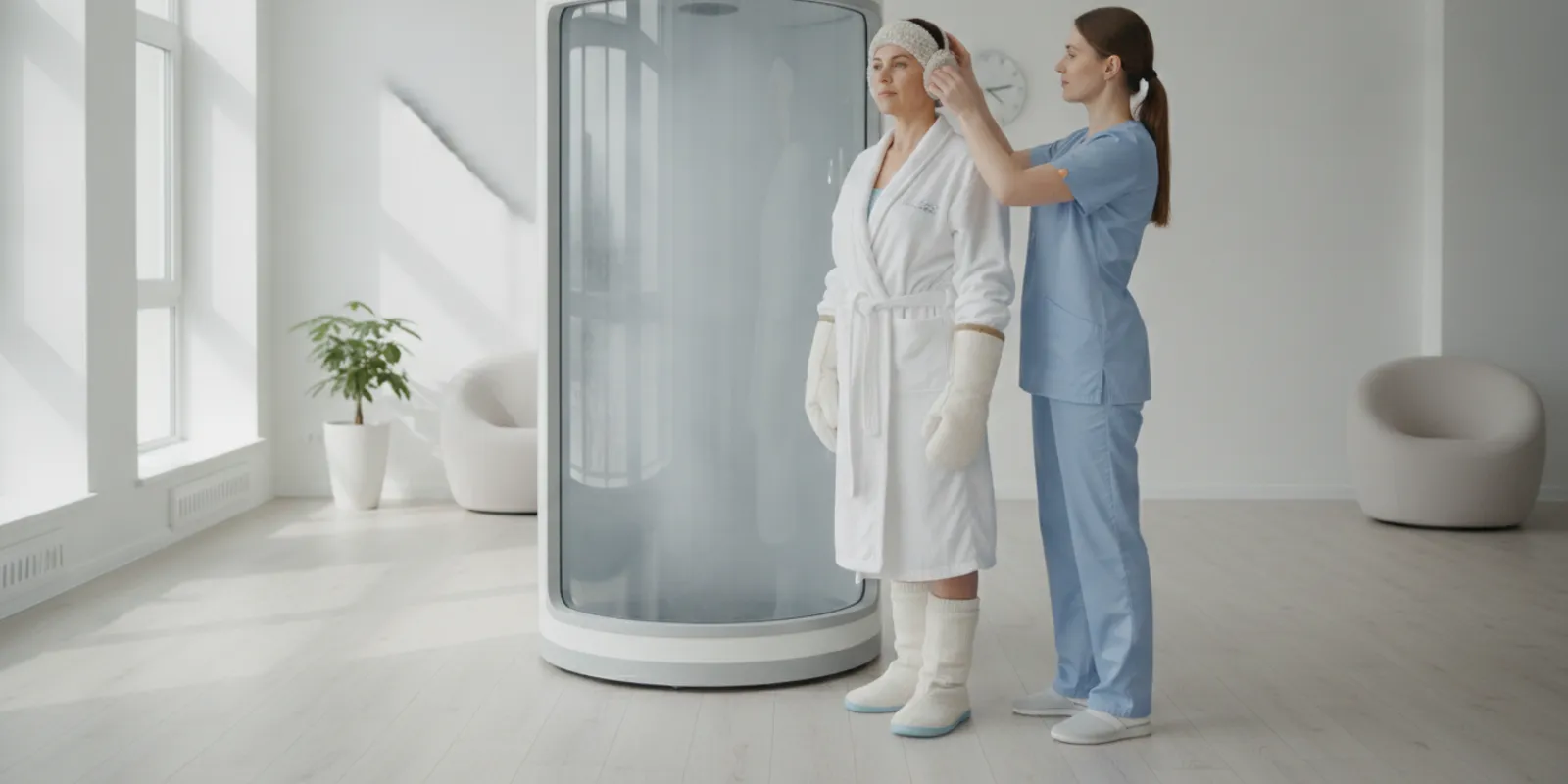
Is cryotherapy FSA eligible? It depends on why you receive the treatment, how your plan defines eligible expenses, and whether you can substantiate the claim. A session used for general wellness or recovery is not automatically eligible simply because it takes place at a clinic. Treatment for a diagnosed medical condition may be considered differently, but you should confirm the rules before using FSA funds.
When may cryotherapy qualify for FSA reimbursement?
The key distinction is the purpose of the expense. Under general tax principles, medical expenses are costs for diagnosis, cure, mitigation, treatment, or prevention of disease, or for affecting a body structure or function. A service purchased primarily to improve general health, fitness, or comfort does not automatically meet that standard. Your plan administrator also determines how a claim is reviewed under the terms of your particular benefit plan.
Some official FSA guidance lists cryotherapy, or cold therapy, as eligible when it is used to treat a medical condition and supported by appropriate documentation, such as a letter of medical necessity. That is not a blanket approval for every cryotherapy service. It signals that the medical purpose and the paperwork can matter. See the FSAFEDS eligible health care expense guidance and ask your own administrator how it applies to your plan.
For example, a person receiving a treatment recommended by a licensed health care provider as part of care for a specific diagnosed condition may have a stronger basis to ask about reimbursement than someone purchasing sessions for a general wellness routine. Even in the first situation, the expense is not guaranteed to be approved. The administrator may ask for more information or determine that the service does not meet the plan’s rules.
Before booking or paying, it can help to review the broader rules for FSA and HSA eligibility. That overview can help separate a potentially medical expense from an ordinary wellness purchase, but it cannot replace a decision from your plan administrator.
How do wellness sessions differ from medical treatment?
Cryotherapy providers may describe sessions in terms of recovery, relaxation, performance, or general well-being. Those benefits may sound health-related, but a health-related purpose is not by itself proof that the expense is a qualified medical expense. The important question is whether the service is primarily intended to treat a specific medical condition, rather than to support general wellness.
The distinction can be difficult when a service has both wellness and treatment uses. A diagnosis alone may not establish that every service is medically necessary. Likewise, a provider’s marketing language or a customer’s personal preference does not establish eligibility. Keep the focus on the connection between the condition, the recommended treatment, and the specific expense.
| Situation | How to think about eligibility | What to do next |
|---|---|---|
| Session bought for general wellness, relaxation, or routine recovery | Do not assume it qualifies; general health benefits alone may not satisfy medical-expense rules. | Ask the plan administrator before using the account or submitting a claim. |
| Session recommended for a diagnosed medical condition | It may merit review, but plan approval and adequate substantiation are still needed. | Ask whether a letter of medical necessity or other records are required. |
| Mixed or unclear purpose | The plan may need to determine whether the expense is primarily medical treatment. | Explain the circumstances accurately and provide the requested supporting documents. |
| Claim already paid with personal funds | Reimbursement is not automatic just because you have a receipt or a diagnosis. | Submit a complete claim only after checking your plan’s documentation and deadline rules. |
A university benefits-office FSA expense list similarly distinguishes expenses that promote general health from costs prescribed for a specific medical ailment. It is a useful illustration of the general distinction, not a replacement for your own plan’s terms or an official determination for your claim.
Consider two hypothetical cases. One person books a cryotherapy session because they enjoy the sensation and believe it may help after exercise. Without a specific medical purpose, that is a wellness purchase, and an FSA reimbursement should not be presumed. Another person asks a clinician about cryotherapy as part of care for a diagnosed condition. The medical context gives the administrator something specific to review, but the person still needs to follow the plan’s documentation process and may still receive a denial.
The same service name can describe different circumstances. A brief cold exposure offered as part of a spa-style package may not be the same as a clinically recommended treatment for a particular condition. Even when the equipment or method is similar, the reason for the expense and the records supporting it matter. Describe what you actually received, rather than relying on broad labels such as “therapy” or “medical grade.”
Keep the conclusion appropriately narrow: cryotherapy is not categorically eligible or ineligible for every FSA participant. Official guidance and plan documents can help identify the relevant rule, but a general example cannot decide an individual claim. If the purpose, billing, or paperwork is unclear, ask the administrator before relying on reimbursement.
What should you ask your FSA administrator?
Ask specific questions before the appointment, if possible. “Is cryotherapy covered?” may not give the administrator enough information to answer accurately. Explain whether the treatment is intended to address a diagnosed condition, what type of service is being provided, and what documents you can supply. Do not share more personal health information than needed, but provide enough detail for the administrator to identify the applicable rule.
- Does this plan consider cryotherapy or cold therapy an eligible medical expense in my circumstances?
- Does eligibility depend on treatment for a diagnosed condition, and what documentation establishes that connection?
- Is a letter of medical necessity required before the service, or can supporting records be submitted with a claim?
- Does the letter need to come from a particular type of licensed provider, and must it include a treatment period or frequency?
- What must appear on the itemized receipt, and are bundled services or packages handled differently?
- What is the claim submission deadline, and how will I learn whether the claim was approved or needs more information?
Write down the answer, the date, and the name or department of the person who gave you the guidance. If the plan provides a secure message center, use it to keep the response with your benefit records. Oral guidance can be helpful, but a written response makes it easier to follow instructions and clarify a disagreement later.
If the first answer is unclear, ask the administrator to point you to the plan document or expense guidance that applies. Do not assume that a provider’s statement that a service is “FSA accepted” settles the question. Your administrator reviews the claim based on your plan and the documents submitted.
What documents may support a medical-necessity claim?
When a plan asks for substantiation, it generally needs enough information to identify the expense and determine whether it qualifies. The exact requirements vary. A letter of medical necessity may be requested for an expense that would not normally be considered eligible without a medical reason. Ask your administrator what the letter must say before you obtain it, so you do not have to request a corrected version later.
A letter may need to explain the medical condition, why the treatment is recommended, and the expected duration or frequency. The provider should make those statements only when they reflect their clinical judgment. Do not ask a provider to use particular wording that is not accurate. The administrator may also request an itemized receipt showing the service date, provider, description, and amount paid.
Keep a claim file with the documents your plan requests. Depending on the claim, that may include:
- An itemized receipt or invoice showing what service was provided and how much it cost.
- A letter of medical necessity or other supporting statement from the appropriate health care provider, if required.
- A record of the administrator’s written eligibility guidance or claim decision.
- Proof of payment, if the plan asks for it in addition to the receipt.
- Any claim form, explanation, or follow-up request provided by the administrator.
A payment confirmation alone may not show what was purchased. If your receipt lists only a package or membership, ask the provider for an itemized statement that accurately describes the services and dates. Do not alter receipts or submit a document that makes a wellness session appear to be medical treatment.
For a practical overview of claim records, see this guide to FSA reimbursement, receipts, and deadlines. FSA and HSA claims have different account rules, so use resources that match your account type and follow the administrator’s instructions.
Can you pay first and request reimbursement later?
Possibly, but paying out of pocket does not make an expense eligible. If you plan to seek reimbursement, check the plan’s rules and claim window first. Confirm whether the service must occur during your coverage period, whether a referral or letter must be in place before the appointment, and which documents are required. The administrator may deny a claim that is incomplete or does not qualify under the plan.
When you submit a claim, describe the expense plainly and include the requested documentation. If the administrator asks for more information, respond by the stated deadline and retain a copy of everything you send. If the claim is denied, read the reason carefully. A denial may mean the expense is not covered, the documentation was insufficient, or the claim needs correction. Ask whether the plan has an appeal or review process and what evidence it accepts.
Do not charge the expense to an FSA card just because the card works at the location. Card acceptance at checkout is not a final eligibility ruling for every individual service. Conversely, a declined card does not necessarily mean the expense is ineligible; there may be a merchant, processing, or substantiation issue. These are separate questions. See common reasons an FSA card is declined if you need to distinguish a payment problem from an eligibility decision.
If you are comparing payment and reimbursement approaches, this guide to how to use FSA dollars covers general planning steps. Keep the cryotherapy question specific: an account balance, an available card, or a provider’s payment policy does not determine whether your particular treatment is an eligible expense.
How can you avoid common reimbursement problems?
Most avoidable problems start with assumptions: that all cold therapy is eligible, that a diagnosis automatically qualifies every related service, or that a receipt is enough. Use a simple process instead.
- Identify the purpose. Be clear about whether you are seeking treatment for a specific diagnosed condition or buying a service for general wellness or recovery.
- Check with the plan. Describe the service and ask whether the plan requires medical-necessity documentation. Get the instructions in writing when possible.
- Ask the provider for accurate records. Obtain an itemized receipt and any clinically appropriate documentation. Do not rely on promotional descriptions as proof of eligibility.
- Keep account and claim records. Save the receipt, payment confirmation, provider letter, administrator response, and submitted claim.
- Track the deadline and follow up. Submit within the plan’s time limit and respond promptly to requests for more substantiation.
This process is useful for other expenses that can depend on medical purpose and documentation as well. For example, the rules discussed in this overview of what you can use an FSA on can help you recognize when to ask the administrator instead of guessing from a product or service label.
It also helps to separate a provider’s recommendation from the plan’s reimbursement decision. A recommendation can explain why a clinician believes a treatment may be appropriate, while the plan still decides whether the expense fits its terms and whether the records are sufficient. Ask whether the plan has a particular form, whether it needs the provider’s credentials or signature, and whether it wants the treatment dates and expected course. Requirements can differ, so a letter that worked for another benefit plan may not meet yours.
Pay attention to how the service is billed. A package may combine cryotherapy with other services, a membership, or access to a facility. If the invoice does not separate the charges, the administrator may be unable to determine which portion relates to the claimed treatment. Ask the provider for a truthful itemization before paying. Do not claim a full package as medical care if it includes nonmedical services, and do not assume that a provider’s acceptance of an FSA card means every part of the bill is eligible.
If the administrator says a particular document is required, follow that instruction rather than relying on a general checklist. Keep copies of submitted records and note how you sent them. If you receive an approval, save it with the receipt; if you receive a request for more information, respond with the specific material requested. Good records make it easier to answer later questions without changing or reconstructing the facts.
Frequently Asked Questions
Is whole-body cryotherapy FSA eligible for recovery?
Not automatically. If the main purpose is general recovery, performance, or wellness, do not assume it meets medical-expense rules. Ask your administrator whether your plan covers the specific service and what documentation it requires.
Does a diagnosis guarantee that cryotherapy will be reimbursed?
No. A diagnosis may help explain the medical context, but the plan may also require a medical-necessity statement and proof of the specific service and cost. The administrator makes the eligibility determination under the plan’s rules.
Can I use an FSA card at a cryotherapy clinic?
Possibly, but card acceptance is not a guarantee that a particular treatment qualifies. A transaction may be declined for payment-processing reasons, or the plan may require documentation after the purchase. Confirm the expense rules with the administrator and keep your itemized receipt.
What should I do if my claim is denied?
Review the denial notice to see whether the issue is eligibility, missing documentation, or a filing error. Ask the administrator what additional records or review options are available, then submit accurate information within the stated deadline.
What is the safest next step?
Before booking cryotherapy with FSA funds, ask your plan administrator to review the exact service and its purpose. If it is intended to treat a diagnosed condition, ask whether a letter of medical necessity and an itemized receipt are needed. If it is a general wellness session, do not assume it qualifies; get a clear plan-specific answer first.
In short, cryotherapy may be considered when it is supported as treatment for a specific medical condition, but general wellness use is not automatically covered. Confirm your plan’s requirements and keep complete, accurate documentation before seeking reimbursement.