
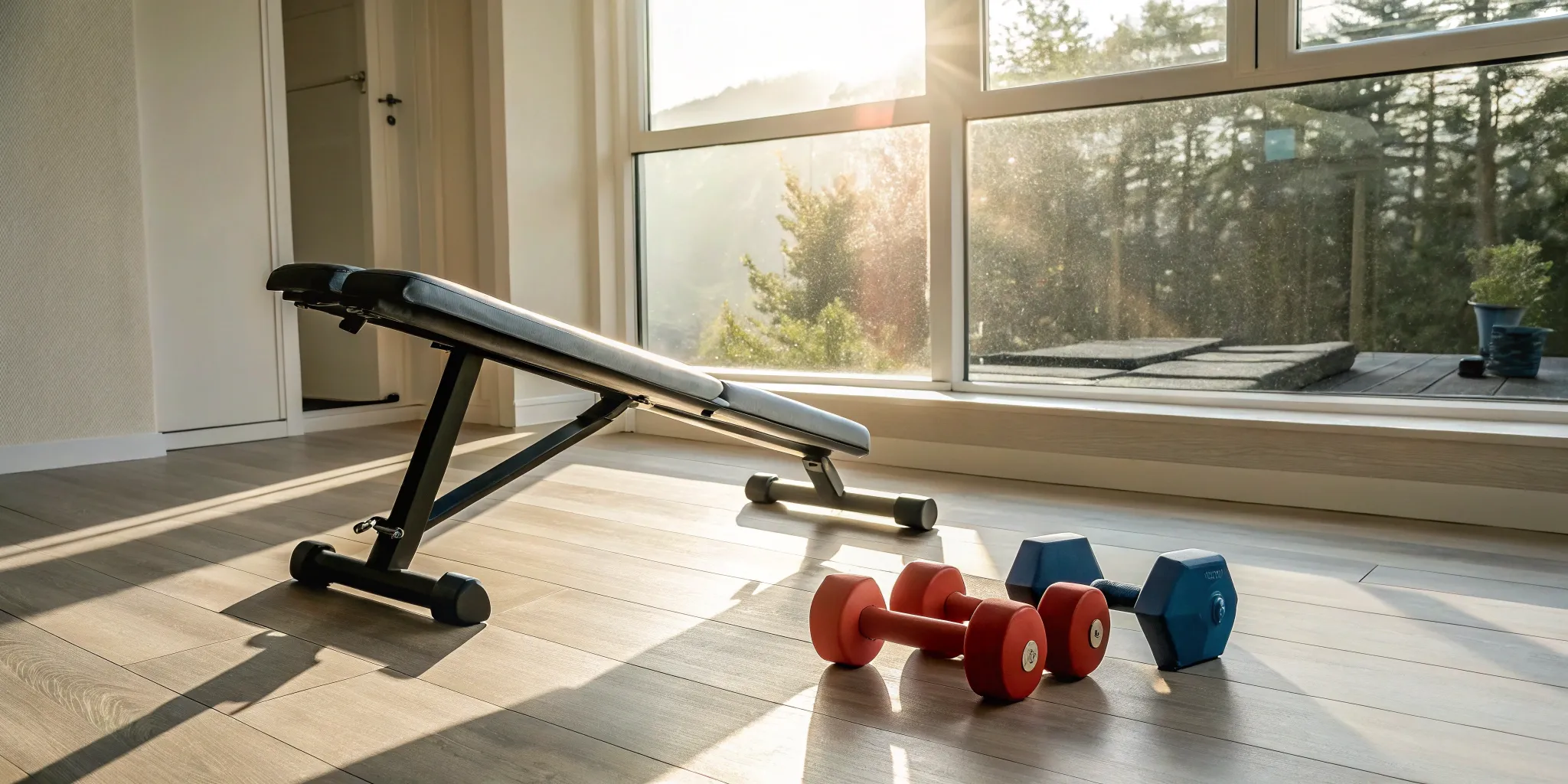
This is one of the most common and most misunderstood questions in the FSA and HSA space. The short answer is yes, certain workout equipment can be HSA eligible. But there is a critical condition: the equipment must be prescribed or recommended by a licensed healthcare provider as part of a treatment plan for a specific medical condition.
Unlike items such as bandages or prescription medications, exercise equipment is classified by the IRS as a “dual-purpose” expense, meaning it can serve both a medical purpose and a general fitness purpose. Because of that dual nature, the IRS requires documentation proving the purchase is primarily for medical care.
This guide breaks down exactly what qualifies, what does not, how to get the documentation you need, and where to shop for HSA-approved workout equipment at every price point.
Planning an HSA workout equipment purchase? Daylii is building an AI-powered way to check eligibility, organize documentation, and shop HSA/FSA items with less guesswork. Join the Daylii pre-launch list to get updates before launch.
Key Takeaways
- Get Your Doctor’s Approval First: The key to using your HSA for fitness gear is a Letter of Medical Necessity (LMN). This official note from your doctor connects your purchase to a specific medical condition, making it a qualified, tax-free expense.
- Connect Your Purchase to a Specific Health Need: General wellness purchases aren’t covered, so your equipment must be prescribed to treat, manage, or prevent a diagnosed condition. Think of it as a medical tool for your hypertension or physical therapy, not just a way to get in shape.
- Save Your Paperwork for Peace of Mind: Always keep a copy of your Letter of Medical Necessity and the itemized receipt for your purchase. These two documents are your proof for the IRS that you made a qualified medical purchase, ensuring you stay compliant.
Is Workout Equipment HSA Eligible? The Short Answer
Yes, workout equipment can be HSA eligible when it is used to treat, manage, or prevent a diagnosed medical condition and you have the right documentation. In most cases, that means getting a Letter of Medical Necessity from a licensed healthcare provider before you buy.
General fitness goals are not enough on their own. A treadmill, stationary bike, set of dumbbells, resistance bands, recovery tool, or smart health device may qualify when your provider connects the item to a specific medical need, such as physical therapy, diabetes management, obesity treatment, hypertension, heart disease, chronic pain, or post-surgical rehabilitation.
Before purchasing, compare the item against an HSA eligible items list, confirm whether an LMN is needed, and save both your itemized receipt and medical documentation.
What HSA Eligible Workout Equipment Can Include
So, you have a Health Savings Account (HSA) and you’re wondering if you can use those pre-tax dollars on a new treadmill or set of weights. The short answer is yes, you absolutely can, but there’s a crucial step you can’t skip. Your HSA can cover workout equipment, but only when it’s considered a medical necessity to treat, prevent, or manage a specific health condition. This isn’t about general wellness; it’s about targeted healthcare.
To make it official, you’ll need a Letter of Medical Necessity (LMN) from your doctor. Think of this letter as a prescription. Just as a doctor prescribes medication for an illness, they can prescribe exercise equipment to address a diagnosed issue like heart disease, diabetes, or chronic back pain. Without this letter, the IRS might not consider your purchase a qualified medical expense, and you could face taxes and penalties.
Your LMN should clearly name the diagnosis, explain why the equipment is medically necessary, identify the recommended item or item category, and include the provider’s name, credentials, signature, and date. Daylii also maintains an HSA Letter of Medical Necessity template you can use to prepare for the conversation.
The key is to shift your mindset from “buying gym gear” to “investing in a prescribed medical treatment.” Once you have that doctor’s note in hand, a whole range of equipment becomes accessible. From cardio machines that help manage your blood pressure to strength training tools for physical therapy, your HSA can become a powerful partner in your health journey. We’ll break down exactly what kinds of gear typically get the green light.
Cardio Machines That May Qualify
Dreaming of a new treadmill, stationary bike, or elliptical? You might be able to buy it with your HSA. If your doctor determines that regular cardiovascular exercise is essential for treating a condition like hypertension, heart disease, obesity, or diabetes, they can write you a Letter of Medical Necessity for a specific machine. The LMN is your key to proving the equipment is for medical care, not just general fitness. For example, if you have high blood pressure, a doctor might prescribe 30 minutes of daily cardio on a stationary bike to help manage it. In that case, the bike becomes a medically necessary tool for your health.
Strength Training Equipment That May Qualify
Strength training equipment, from free weights and kettlebells to resistance bands, can also be covered by your HSA. This is common for people undergoing physical therapy or managing conditions that benefit from building muscle. For instance, if you’re recovering from an injury, have osteoporosis, or deal with chronic pain, your doctor or physical therapist might prescribe specific strength exercises. The Letter of Medical Necessity would outline why these tools are essential for your treatment plan. This allows you to use your HSA funds for home workout equipment that directly supports your recovery and long-term health, turning your living room into your personal rehab space.
Can You Buy Weights with HSA?
Yes, you may be able to buy weights with HSA funds, but only when the purchase is tied to a specific medical need. Dumbbells, kettlebells, barbells, weight plates, benches, and resistance bands are usually considered dual-purpose items. That means they are not automatically HSA eligible for general fitness, strength goals, or home gym upgrades.
The safer path is to get a Letter of Medical Necessity before you buy. Your provider should connect the equipment to a diagnosed condition or treatment plan, such as physical therapy, post-surgical rehab, osteoporosis, chronic pain, obesity treatment, diabetes management, or another condition where resistance training is part of care.
For example, a set of dumbbells may be easier to justify if your physical therapist recommends progressive resistance training for shoulder rehab. A kettlebell or weight bench may not qualify if your documentation only recommends light walking or general activity. The equipment should match the medical purpose in your letter.
What to Document Before You Buy Weights
- The diagnosed condition or treatment goal your provider is addressing.
- The type of strength equipment recommended, such as dumbbells, resistance bands, or a bench.
- How often the equipment should be used as part of your care plan.
- Your itemized receipt and a copy of your Letter of Medical Necessity requirements.
Recovery and Physical Therapy Tools
Don’t forget about the tools that help you recover. Items like foam rollers, massage guns, stretching straps, and even at-home saunas can be HSA-eligible. These purchases are often straightforward to justify when prescribed for treating chronic pain, improving mobility after an injury, or managing a condition like arthritis. Your doctor’s LMN would explain how a specific tool is a necessary part of your physical therapy or pain management regimen. There are many unexpected uses for HSAs, and investing in recovery tools is a smart way to support your body’s long-term health and well-being using your pre-tax dollars.
Fitness Trackers and Smart Health Devices
Your HSA can cover fitness trackers and smartwatches when they serve a specific medical purpose. Devices that monitor heart rate for cardiac patients, track blood glucose levels for diabetics, or monitor sleep patterns for diagnosed sleep disorders often qualify with proper medical documentation.
Getting Your Device Approved
To use HSA funds for a fitness tracker, you’ll need a Letter of Medical Necessity from your healthcare provider. This letter should specify how the device will help monitor or manage a diagnosed medical condition. Popular eligible devices include:
- Heart rate monitors for patients with cardiac conditions
- Activity trackers for diabetes management and weight loss programs
- Sleep tracking devices for diagnosed sleep apnea or insomnia
- Blood pressure monitors with smartphone connectivity
Documentation Requirements
Keep your Letter of Medical Necessity and purchase receipts together. If your HSA administrator questions the expense, you’ll need to provide both documents to prove the medical necessity of your device.
How to Get a Letter of Medical Necessity for Gym Equipment
Think of a Letter of Medical Necessity (LMN) as your official permission slip. It’s the key document that connects your fitness purchase to a specific health need, making it a legitimate, tax-free expense for your HSA. Without it, buying a treadmill with your HSA funds won’t pass muster with the IRS. This letter is the proof that your purchase isn’t just for general wellness, but a targeted treatment for a medical condition.
Getting this letter is a straightforward process, but it starts with a conversation with your doctor. It’s all about showing that the equipment serves a clear medical purpose, whether that’s managing a chronic condition, recovering from an injury, or preventing a health issue from getting worse.
Do You Really Need a Doctor’s Letter?
Yes, you absolutely do. To stay compliant and ensure your purchase is approved, you must have a formal recommendation from a healthcare provider. This isn’t just a casual suggestion; it’s a firm requirement. The letter officially states that you need medically necessary workout equipment to treat, manage, or prevent a specific medical condition. This piece of paper is what separates a personal gym purchase from a qualified medical expense, so it’s a step you can’t skip.
What the LMN Must Include
A vague note won’t cut it. Your Letter of Medical Necessity needs to be specific to be effective. Your doctor should clearly state the medical condition being treated (like arthritis, obesity, or hypertension), the specific piece of equipment you need (e.g., an elliptical or set of dumbbells), and exactly how that equipment will help your condition. A qualified provider can provide a Letter of Medical Necessity that connects all the dots, allowing you to confidently use your HSA funds for things that truly support your health journey.
How to Ask Your Doctor for the Letter
It can feel a little awkward to ask your doctor for paperwork, but remember, they do this all the time. The best approach is to be direct and prepared. Schedule an appointment to discuss your health and explain that you want to use your HSA funds for fitness equipment. Since gym equipment is not typically HSA eligible without this specific documentation, being clear about your intentions helps your doctor understand exactly what you need. Come ready to talk about how the equipment will help you manage your symptoms or improve your health.
How to Pay with Your HSA Funds
If you are unsure whether an item fits the rules, review what you can buy with an HSA before checkout so you understand which purchases are automatically eligible and which need documentation.
Once you’ve confirmed your equipment is eligible and you have your Letter of Medical Necessity in hand, you’re ready for the final step: making the purchase. Paying with your Health Savings Account is more straightforward than you might think. You generally have two simple options for using those pre-tax dollars. You can either pay directly with your HSA card, just like a debit card, or you can pay with your own money first and file for reimbursement from your account later.
The best method often depends on the retailer and your personal preference. Some online stores and fitness brands have streamlined the process to accept HSA cards directly at checkout, making it incredibly easy. Others may require you to go the reimbursement route. Either way, you get the same fantastic benefit of using tax-free funds to invest in your health. Let’s walk through how each option works so you can choose the one that’s right for you.
Using Your HSA Card at Checkout
The most direct way to buy your workout equipment is by using your HSA card. Think of it just like a debit card that’s linked to your health savings funds. Many retailers, especially those specializing in fitness and wellness products, now allow you to use your HSA card right at checkout. You simply enter your card details as you would with any other purchase.
This method is fantastic because it’s seamless, no waiting for reimbursements or paying out-of-pocket. The funds are drawn directly from your account, simplifying your bookkeeping. Before you buy, check the retailer’s FAQ page or payment options to confirm they accept HSA cards. This small step can make your purchase experience smooth and hassle-free.
Getting Reimbursed if You Pay Out-of-Pocket
What if a store doesn’t accept HSA cards directly, or you simply prefer to use your favorite rewards credit card? No problem. You can pay for the equipment with your own money and then pay yourself back from your HSA. This is called reimbursement, and it’s a standard feature of every Health Savings Account.
To get reimbursed, you’ll typically log in to your HSA provider’s online portal and submit a claim. You’ll need to provide a copy of your receipt as proof of the qualified medical expense. Once approved, the funds are transferred to your personal bank account, tax-free. Just be sure to keep your receipts and the Letter of Medical Necessity in a safe place for your records.
What Paperwork to Save
This part is crucial. Whether you pay directly or get reimbursed, keeping organized records is non-negotiable. The IRS can ask you to prove that your purchases were for qualified medical expenses, and you’ll need the right documents to back it up. For every piece of workout equipment you buy with your HSA, you should keep two key documents: the itemized receipt and your Letter of Medical Necessity (LMN).
Your LMN is the official link between your doctor’s recommendation and your purchase. It’s the documentation that justifies the expense as a medical need. Store these documents together, digitally in a dedicated folder or as physical copies. This simple habit will give you complete peace of mind and ensure you’re always in compliance with HSA rules.
Where to Shop for HSA Eligible Workout Equipment
Once you have your Letter of Medical Necessity, the fun part begins: shopping. Thankfully, a growing number of fitness brands and retailers are making it simple to purchase equipment with your health savings account. Many have dedicated online storefronts or partnerships that streamline the process, so you know exactly what qualifies and how to pay. Whether you prefer to shop directly from a specialized brand or a major retailer, you have plenty of options.
To make your search easier, we’ve gathered a few places that are well-known for being HSA-friendly. This isn’t an exhaustive list, but it’s a fantastic starting point for finding the perfect equipment to support your health goals.
Our Favorite HSA-Friendly Brands
Some fitness brands go above and beyond to help customers use their HSA funds. A great example is Sunny Health & Fitness, which has an entire section of its website dedicated to eligible products. You can find everything from treadmills and exercise bikes to weights and rowing machines, all pre-approved for purchase. This takes the guesswork out of shopping and gives you confidence that the items in your cart qualify. Brands like this make the process feel seamless, allowing you to focus on choosing the right gear for your specific health needs instead of worrying about eligibility.
Online Stores That Specialize in HSA Purchases
You’ll also find online stores that have created special systems to handle HSA and FSA payments. For instance, Titan Fitness partners with a service called Truemed to verify that your purchase is medically necessary and to facilitate payment. This kind of partnership simplifies everything on your end. Instead of submitting for reimbursement later, these systems often allow you to pay directly with your HSA card. It’s a smart setup that connects your doctor’s recommendation with your purchase, ensuring you’re following the rules while getting the equipment you need to manage your health condition.
Major Retailers That Accept HSA Cards
It’s not just specialty stores getting in on this. Many major, well-known fitness retailers now accept HSA and FSA funds. NordicTrack, for example, allows you to use your HSA card directly at checkout for qualifying purchases. This is a huge step forward, making it more convenient than ever to invest in high-quality equipment for your home gym. When big names like this embrace HSA spending, it signals a broader shift toward recognizing that fitness is a key part of healthcare. Always double-check the retailer’s specific policy, but don’t be surprised if your favorite brand already has an option for you.
The Rules: What to Know Before You Buy
Using your Health Savings Account (HSA) for workout equipment is a fantastic way to invest in your well-being with pre-tax dollars, but it’s not as simple as just swiping your card. The IRS has specific rules to ensure your purchase is legitimate. Think of it less like a shopping spree and more like a prescribed part of your health plan. Before you start adding items to your cart, let’s walk through the guidelines to make sure you’re making a smart, compliant purchase.
Following the Official IRS Guidelines
The most important rule is that HSA funds can only be used for workout equipment that is medically necessary. To prove this, you must get a Letter of Medical Necessity (LMN) from your doctor. This letter is non-negotiable; it’s the official document connecting your purchase to the treatment or prevention of a specific medical condition. Without it, the equipment is just a general health expense, which isn’t covered. The IRS defines all qualified medical expenses in detail, and this letter is your key to making sure your fitness gear fits their definition.
Which Medical Conditions Make You Eligible?
So, what kind of health issues qualify? A doctor might prescribe exercise and specific equipment to treat a wide range of conditions, including obesity, hypertension, heart disease, diabetes, arthritis, or even anxiety and depression. If you’re recovering from an injury, physical therapy tools could also be covered. A healthcare provider can issue a Letter of Medical Necessity for a gym membership, health coaching, or home workout equipment if they determine it will directly address one of these specific health conditions. The diagnosis is the foundation, your purchase must be a direct solution to a documented health problem.
| Equipment type | May qualify with an LMN | Usually not eligible without medical need |
|---|---|---|
| Cardio equipment | Treadmills, stationary bikes, ellipticals, or rowing machines prescribed for a diagnosed condition. | Equipment bought only for general wellness, weight loss, or fitness preferences. |
| Strength training | Dumbbells, resistance bands, kettlebells, or weight machines tied to physical therapy or condition management. | Gym upgrades or home fitness gear without provider documentation. |
| Recovery tools | Foam rollers, stretching straps, massage tools, or mobility aids recommended for treatment or rehab. | Recovery accessories used only for comfort, relaxation, or routine exercise. |
| Smart health devices | A fitness tracker or HSA approved smart watch when prescribed for monitoring a medical condition. | Consumer wearables purchased for everyday activity tracking only. |
What Usually Does Not Qualify
This is where it’s easy to get tripped up. You can’t use your HSA for equipment intended for general fitness. For example, buying a stationary bike simply to improve your cardio or a set of dumbbells to tone up won’t qualify. As one person wisely put it, gym equipment is not typically HSA eligible unless you have that Letter of Medical Necessity from your doctor. The purchase must be a prescribed treatment, not just a healthy habit. That high-end yoga mat for your morning flow or a new treadmill for marathon training (without a doctor’s note) will have to be an out-of-pocket expense.
How to Get the Most from Your HSA Fitness Purchase
Using your Health Savings Account for fitness equipment is one of the smartest ways to invest in your well-being. It’s not just about buying a new treadmill; it’s about making your money work harder for you. With a little planning, you can stretch your pre-tax dollars and get the gear you need to support your health goals without breaking the bank. Here’s how to approach your purchase strategically.
Plan Your Purchase to Maximize Savings
The first step to a successful HSA fitness purchase is getting your paperwork in order. HSA funds can only be used for medically necessary workout equipment prescribed by a healthcare provider. To qualify, you must obtain a Letter of Medical Necessity (LMN) from your doctor. This letter confirms that the equipment is intended to treat, prevent, or alleviate a specific medical condition. Think of this as your golden ticket, it’s the official document that makes your purchase eligible. Getting this letter before you start shopping ensures you won’t run into any issues with reimbursement or compliance down the road.
Find Deals on HSA-Eligible Gear
Once you have your Letter of Medical Necessity, you can start shopping like a pro. The savings from using your HSA are just the beginning, so don’t stop there. You can amplify those benefits by finding deals on the equipment itself. Look for sales, coupon codes, and special promotions from your favorite fitness brands. Many online retailers, like Titan Fitness, have dedicated sections for HSA-eligible gear, making it easy to find what you need. By combining a holiday sale or a first-time buyer discount with your pre-tax HSA funds, you can significantly reduce the total cost of your investment.
Remember the Power of Pre-Tax Dollars
This is where the real magic of an HSA happens. The money you contribute to your HSA comes directly out of your paycheck before taxes are calculated. This lowers your taxable income for the year, meaning you pay less in taxes overall. When you use those funds, you’re paying with money that was never taxed. This means your purchasing power is automatically higher. For most people, this translates to an immediate savings of around 30% on their purchase, depending on their income tax bracket. It’s a powerful financial tool that makes investing in your health more accessible.
Common Mistakes to Avoid
Using your HSA to invest in your health is a brilliant move, but it’s important to handle the process carefully. The rules are set by the IRS, and a simple misstep can lead to headaches, like having to pay back the funds with a penalty. Think of it like assembling new furniture, you’ll have a much better outcome if you read the instructions first instead of just jumping in.
The good news is that the most common errors are completely avoidable once you know what they are. It all comes down to understanding the requirements before you start shopping. By taking a few extra minutes to confirm the rules and get your documents in order, you can feel confident that you’re making a smart, compliant purchase. We’ll walk through the three biggest mistakes people make so you can sidestep them easily and focus on what really matters: your health and well-being.
Mistake #1: Messing Up the Paperwork
The single most important document in this entire process is the Letter of Medical Necessity (LMN). Without it, your purchase won’t qualify. Some people forget to get one, or they get one that’s missing key information. Your LMN is the official link between your doctor’s recommendation and the equipment you’re buying. As one guide puts it, “HSA funds can only be used for medically necessary workout equipment prescribed by a healthcare provider. To qualify, you must obtain a Letter of Medical Necessity.” Think of this letter as your golden ticket, it’s the official proof you need if you’re ever asked to verify the expense.
Mistake #2: Assuming All Fitness Gear Qualifies
It’s easy to get excited and assume any equipment that improves your health is fair game, but that’s not how the IRS sees it. General wellness purchases don’t count. Your new treadmill or set of weights is only eligible if it’s used to treat, prevent, or alleviate a specific medical condition diagnosed by your doctor. As one home gym owner shared, “gym equipment is not typically HSA eligible unless you have a Letter of Medical Necessity from your doctor.” So, while a Peloton might be great for general fitness, it only becomes an HSA-qualified expense if your doctor prescribes it to treat your hypertension, for example.
Mistake #3: Forgetting to Verify Eligibility First
Don’t swipe your HSA card until you are 100% sure the purchase is eligible. This means having your signed Letter of Medical Necessity in hand before you buy anything. Verifying eligibility upfront saves you from the risk of having to pay back the funds later if the expense is disallowed. The key is to connect with your doctor first to confirm that your condition qualifies and that they will provide an LMN. This letter is what allows you to use your funds for things that aren’t on the standard list, like a gym membership or home workout equipment. Always check the official IRS guidelines on medical expenses if you’re ever in doubt.
Pre-Purchase Checklist
Before you add that treadmill to your cart and reach for your HSA card, let’s run through a final checklist. Getting everything in order beforehand makes the process smooth and ensures you’re using your health savings account correctly. Think of this as your game plan for making a smart, compliant purchase that truly supports your health goals. A few minutes of preparation now can save you a lot of headaches later, so let’s walk through the key steps to take before you buy.
Plan Your Health Investment
Using your HSA for workout equipment is a fantastic way to be proactive about your health. One of the biggest mistakes people make is only using their health savings accounts for reactive medical care instead of investing in preventive services. This purchase is exactly that, an investment. To make it happen, you’ll need a plan. Your first step is to confirm that your equipment will be considered a medical necessity. HSA funds can only be used for medically necessary workout equipment prescribed by a healthcare provider. This means you must obtain a Letter of Medical Necessity (LMN) from your doctor before you buy anything.
Know What to Expect from the Process
The process isn’t complicated, but it does have a few important steps. First, you’ll have a conversation with your doctor about your health condition and why specific exercise equipment would help treat or manage it. If they agree, they will write you the LMN. Once you have that letter in hand, you can purchase the qualified equipment. You can either pay with your HSA card directly or use a personal card and submit a claim for reimbursement. The key is to follow the proper order and understand what the IRS allows when it comes to HSA spending. Keep all your documents organized, and the process will feel straightforward.
A Quick Note on Taxes and Compliance
Let’s talk about the serious stuff: taxes and rules. It’s crucial to remember that gym equipment is not typically HSA-eligible on its own. The Letter of Medical Necessity is what makes your purchase compliant with IRS guidelines. Without it, you could face taxes and penalties on the money you spent. Always keep a copy of your LMN and the receipt for the equipment with your tax records. Think of these documents as your proof that you followed the rules. If you’re ever audited, you’ll have everything you need to show that your purchase was a legitimate medical expense.
Want less guesswork before you buy? Daylii is preparing tools to help people understand FSA/HSA eligibility, organize receipts, and avoid reimbursement surprises. Sign up for Daylii updates before launch.
Frequently Asked Questions
What if my doctor won’t write me a Letter of Medical Necessity? This can happen, and it’s usually because the equipment doesn’t meet the strict definition of a medical necessity for your specific situation. The best approach is to have an open conversation with your doctor about your health goals and how you believe the equipment will help treat your condition. If they still don’t feel it’s medically required, it’s important to respect their professional judgment. The key is that the purchase must be for a prescribed treatment, not just a general wellness goal.
Can I use my HSA for a gym membership instead of buying equipment? Yes, you can, but the exact same rules apply. A gym membership is not automatically an eligible expense. You would need a Letter of Medical Necessity from your doctor that specifically prescribes the membership as a necessary treatment for a diagnosed health condition, such as obesity or heart disease. The letter would need to explain why access to the gym’s facilities is essential for your health plan.
Does the Letter of Medical Necessity have to list the exact treadmill or bike I want to buy? It doesn’t need to list a specific brand or model number, but it should be clear about the type of equipment needed. For example, instead of just saying “exercise equipment,” a strong letter would specify “a stationary bike for low-impact cardiovascular exercise to manage hypertension.” The more detail your doctor provides about what you need and why you need it, the stronger your case will be if the IRS ever questions the expense.
What happens if I get audited by the IRS? There’s no need to panic if you’ve followed the steps correctly. An audit is precisely why keeping your paperwork is so important. If asked, you would simply provide the IRS with a copy of your Letter of Medical Necessity and the itemized receipt for your purchase. These two documents prove that your expense was a qualified medical need. Without them, you could be required to pay income tax and a penalty on the amount you spent.
Can I also buy things like workout clothes or protein powder with my HSA? Generally, no. Items that are considered for general health or personal use, like athletic apparel, shoes, or nutritional supplements, are not eligible HSA expenses. While these things support a healthy lifestyle, they don’t typically qualify as a direct treatment for a specific medical condition. The exception for supplements is rare and would require a doctor’s prescription to treat a diagnosed vitamin deficiency or similar issue.