
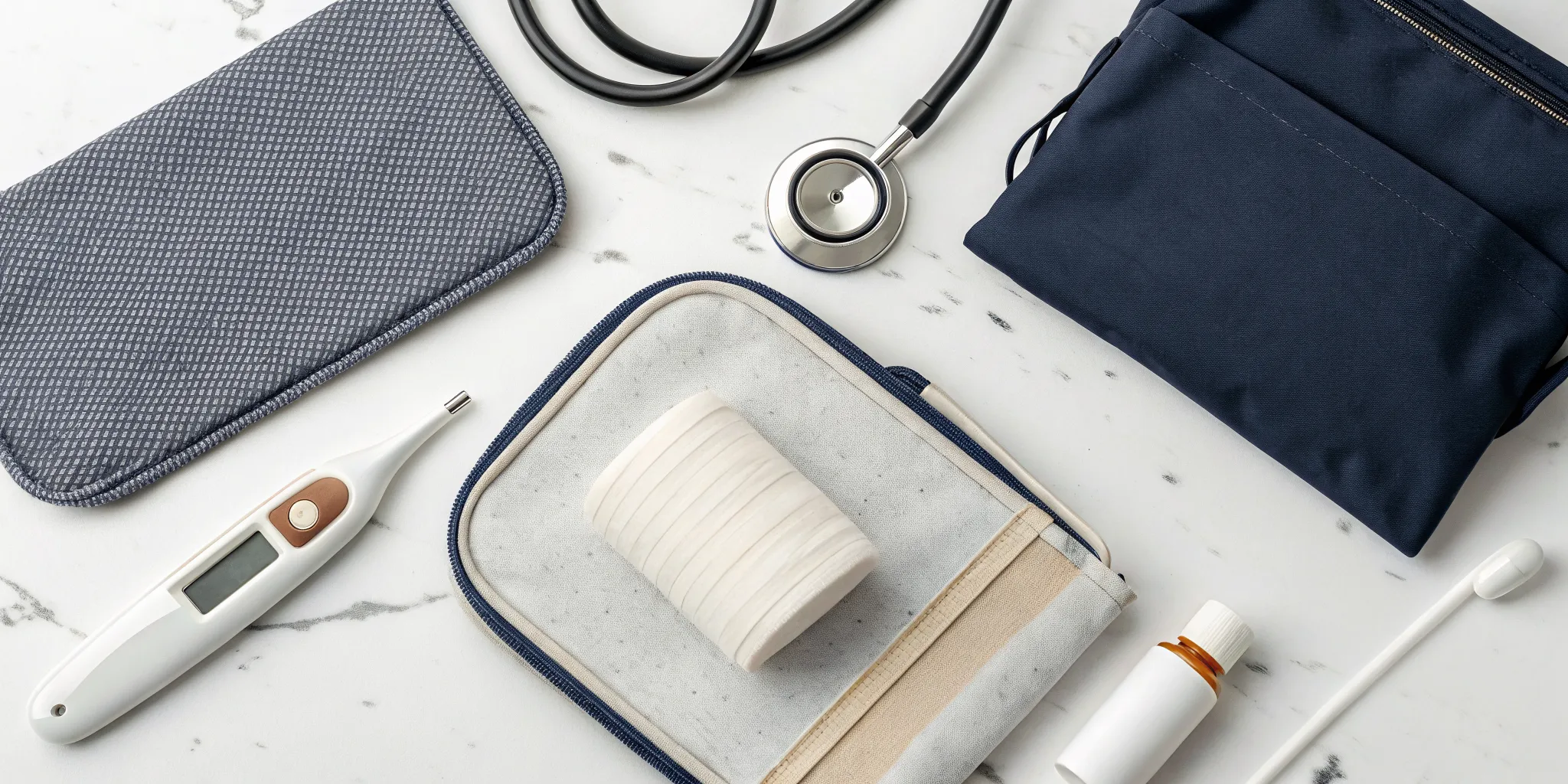
Did you know you can use your HSA to buy sunscreen, tampons, and even a first-aid kit for your car? Thanks to some recent and very welcome rule changes, your Health Savings Account is more practical and useful than ever before. It’s no longer just a fund for major medical bills; it’s a tool for managing your everyday health and wellness needs with pre-tax money. This guide breaks down all the useful and sometimes surprising HSA eligible items you can purchase. From the pharmacy aisle to dental and vision care, we’ll show you how to make your health savings work for your real life, making it easier to stay prepared and healthy.
Key Takeaways
- Maximize your savings with the triple-tax advantage: An HSA offers a unique financial benefit by letting you contribute pre-tax money, grow your savings tax-free, and pay for qualified medical expenses without paying taxes on withdrawals.
- Your HSA covers everyday health needs: You can use your funds for a huge list of items beyond doctor visits, including dental and vision care, over-the-counter medicines, and menstrual products, all without needing a prescription.
- Understand what qualifies and keep good records: Not all health-related items are covered, so always distinguish between medical necessity and general wellness. Keep receipts and any doctor’s notes to ensure your spending is compliant.
What Is a Health Savings Account (HSA)?
Let’s talk about one of the smartest tools for managing your health costs: the Health Savings Account, or HSA. Think of it as a personal savings account, but with some serious tax perks, designed specifically for medical expenses. An HSA is a special account available to individuals who are enrolled in a High Deductible Health Plan (HDHP). This type of insurance plan typically has a lower monthly premium but requires you to pay more for care out-of-pocket before your insurance starts to cover costs. The HSA is designed to help you cover that deductible and other expenses with tax-free money.
The funds you contribute to your HSA can be used to pay for deductibles, copayments, prescriptions, and a wide range of other health-related costs your insurance doesn’t cover. The best part? The money in your HSA is yours to keep. Unlike a Flexible Spending Account (FSA), it doesn’t have a “use it or lose it” rule. Your balance rolls over year after year, and it even comes with you if you change jobs or switch health plans. This makes it a powerful way to save for both expected and unexpected medical needs, giving you more control over your healthcare finances. Many HSAs also offer investment options, allowing your savings to grow over time, making it a fantastic tool for long-term health planning, not just immediate spending.
Understanding the Triple Tax Advantage
The reason so many people love HSAs comes down to something called the “triple tax advantage.” It sounds a bit technical, but it’s actually three simple and powerful benefits. First, your contributions are tax-deductible. This means the money you put into your HSA can lower your taxable income for the year, which could mean a smaller tax bill. Second, the money in your account grows tax-free. If your HSA earns interest or you invest it, you won’t owe any taxes on those gains. Finally, your withdrawals are tax-free when you use the money for HSA qualified medical expenses. From doctor visits to prescriptions, you can pay for them without paying a cent in taxes.
Who Is Eligible for an HSA?
So, how do you know if you can open an HSA? There are a few key requirements you need to meet. The most important one is that you must be enrolled in a High Deductible Health Plan (HDHP). This is a non-negotiable first step. Beyond that, you generally cannot be covered by any other health insurance plan that is not an HDHP, though there are some exceptions for things like dental or vision coverage. You also can’t be enrolled in Medicare. Finally, you cannot be claimed as a dependent on someone else’s tax return. If you check all these boxes, you’re likely eligible to start taking advantage of an HSA and its powerful benefits.
What Can You Buy With Your HSA?
So, you have a Health Savings Account, but what can you actually buy with it? Think of your HSA as your dedicated health fund, ready to cover a wide range of expenses that go far beyond your annual check-up. Your HSA is designed to make paying for healthcare simpler and more affordable. From routine appointments to unexpected needs, understanding what’s covered helps you get the most out of your account.
The IRS determines which costs are considered qualified medical expenses, and the list is pretty extensive. It generally includes costs for diagnosing, treating, or preventing a physical or mental illness. Let’s break down the main categories so you can feel confident every time you use your HSA card.
Doctor Visits and Medical Services
This is the category most people think of first, and for good reason. You can use your HSA to pay for appointments with all kinds of medical professionals, from your primary care doctor to specialists and even chiropractors. It also covers costs associated with hospital stays, lab fees for blood work, physical therapy sessions, and mental health care from a psychiatrist or psychologist. Basically, if it’s a service to diagnose, treat, or prevent an illness or injury, your HSA funds are likely eligible. The key thing to remember is that the service must be for medical care, so purely cosmetic procedures are not covered.
Prescriptions and Treatments
Your HSA is your best friend at the pharmacy. It covers all of your prescribed medications, from one-time antibiotics to long-term maintenance drugs. The great news is that it also covers many over-the-counter (OTC) medicines you can buy without a prescription. Think about your go-to items for a common cold or headache, like pain relievers (aspirin or ibuprofen), allergy pills, and antacids. All of these are generally considered eligible items & expenses, making it easier to take care of everyday ailments without paying out-of-pocket. This change makes stocking your medicine cabinet much more affordable.
Dental and Vision Care
Don’t forget about your teeth and eyes. Your HSA can be a huge help in covering dental and vision costs, which often aren’t fully covered by standard health insurance. For dental care, you can pay for preventative services like cleanings, as well as more involved work like fillings, braces, and tooth extractions. When it comes to vision, your HSA covers eye exams, prescription eyeglasses, contact lenses and cleaning solution, and even corrective surgeries like LASIK. It’s a great way to budget for these essential, and sometimes pricey, appointments and maintain your overall health without financial stress.
Medical Equipment and Supplies
This category covers the tools and supplies you need to manage your health. It includes mobility aids like crutches, canes, and wheelchairs, as well as more complex devices like hearing aids and their batteries. Your HSA can also pay for diagnostic tools you might use at home, such as blood sugar monitors and test strips or blood pressure cuffs. It even covers supplies for new parents, like breast pumps and lactation supplies, along with personal protective equipment like face masks and hand sanitizer. Having these items covered makes it easier to follow your doctor’s recommendations and stay on top of your health from home.
Are Over-the-Counter (OTC) Items Covered?
This is one of the best perks of having an HSA. The short answer is yes, you can absolutely use your HSA funds for a wide range of over-the-counter items. This change makes it so much easier to take care of your day-to-day health needs using your pre-tax savings. From stocking your medicine cabinet to preparing for minor emergencies, your HSA is a powerful tool. Let’s look at what that covers.
Everyday Pain Relievers and Medicines
When a headache or seasonal allergies strike, you can reach for your HSA card. Common pain relievers like Tylenol and Advil, cold and flu medicines, and allergy pills are all considered HSA eligible expenses. This coverage extends to many other items you’d find in the pharmacy aisle, including antacids for heartburn, antibiotic creams for minor cuts, and sleep aids for restless nights. It’s a practical way to use your health savings for the things you actually use to stay comfortable and well.
First-Aid Kits and Health Monitors
Your HSA isn’t just for medicine; it also covers supplies that help you stay prepared and manage your health proactively. You can use your funds to buy or restock a first-aid kit, so you’re always ready for scrapes and bumps. The list of IRS qualified medical expenses also includes more significant equipment like crutches, wheelchairs, and hearing aids (plus their batteries). For those managing ongoing conditions, items like blood sugar test kits are covered, empowering you to keep a close eye on your health. Even personal protective equipment, like face masks and hand sanitizer, makes the list.
Menstrual and Family Planning Products
This is a big one. Menstrual care products are finally recognized as the essential health items they are, making them eligible expenses. You can now use your HSA to purchase tampons, pads, menstrual cups, and other period products without needing a prescription. This was a long-overdue change that provides real financial relief and acknowledges that menstrual health is a critical part of overall wellness. This update makes it easier to budget for these necessary items by allowing you to use your pre-tax HSA funds, which is a meaningful step forward for health equity.
When Do You Need a Letter of Medical Necessity?
While many items are automatically eligible for HSA spending, some purchases require a bit more paperwork. This is where a Letter of Medical Necessity (LMN) comes in. Think of it as a formal note from your doctor that officially connects a product or service to the diagnosis, treatment, or prevention of a specific medical condition. It’s the key to getting certain expenses approved that might otherwise be considered for general wellness rather than medical care.
An LMN helps draw a clear line between something that’s nice to have and something you truly need for your health. It provides the official documentation that your HSA administrator (and the IRS) needs to verify that your purchase is a legitimate medical expense. This simple letter can open up a whole new range of items and services you can pay for with your tax-advantaged funds. It’s a powerful tool that helps you tailor your healthcare spending to your unique needs, bringing clarity to what’s covered and empowering you to take control of your health journey.
Common Items That Require a Doctor’s Note
You might be surprised by what can qualify with an LMN. While things like bandages and prescription drugs are straightforward, other items exist in a gray area. For example, massage therapy is typically not covered if it’s just for relaxation. However, if your doctor prescribes it to treat a specific injury or condition like chronic back pain, an LMN can make it an approved expense. The same goes for certain health products; some nutrition supplements or specific allergy products require a doctor’s note to become eligible. This letter is your way of showing that the purchase is part of a targeted treatment plan, not just a general wellness choice.
How to Get the Right Documentation
Getting the right documentation is simpler than it sounds. The first step is to have a conversation with your healthcare provider. Explain that you need a Letter of Medical Necessity for your HSA and be clear about which product or service you believe is medically necessary. Your doctor will need to write a letter that states your specific medical condition and explains how the recommended item will treat it. For instance, weight-loss programs can be covered if the LMN specifies they are for treating a diagnosed disease like obesity or heart disease, not just for general weight management. Always keep this letter with your receipts for your records.
Understanding Special Cases
The core principle behind a Letter of Medical Necessity is that the expense must be for a specific medical reason. It’s not enough for something to be “healthy” in a general sense. Some expenses simply need a doctor to officially state they are medically necessary for your particular situation. For example, a standard air conditioner is a general home appliance. However, if you have a condition like severe asthma, your doctor can write an LMN explaining that the air conditioner is necessary to manage your health, making it an eligible expense. This important distinction is what empowers you to use your HSA for a wider range of personalized health needs.
What Isn’t Covered by Your HSA?
While your HSA is a fantastic tool for managing healthcare costs, it’s not a free-for-all. The IRS has specific rules about what qualifies as a medical expense, and some common purchases just don’t make the cut. Knowing what isn’t covered is just as important as knowing what is, because it helps you avoid penalties and make the most of your savings. Here are some of the main categories of expenses that are typically excluded.
Cosmetic vs. Medical Procedures
It’s easy to get tripped up on the line between medical and cosmetic. The key distinction is purpose. You generally can’t use your HSA for procedures that are purely for improving your appearance, like teeth whitening or liposuction. However, if a procedure is needed to correct a deformity from an injury, birth defect, or disfiguring disease, it often qualifies. For example, breast reconstruction surgery after a mastectomy is an eligible expense, while breast augmentation for cosmetic reasons is not. It all comes down to whether the primary goal is to treat a medical condition.
Insurance Premiums and Other Exclusions
This is a big one: in most cases, you can’t use your HSA funds to pay for your health insurance premiums. It seems counterintuitive, but those monthly payments are a separate expense. There are a few important exceptions. You can use your HSA to pay for COBRA coverage, long-term care insurance (up to certain limits), and health insurance premiums while you are receiving unemployment benefits. Once you’re 65, you can also use it for Medicare Part A or B premiums. For a full breakdown, the IRS provides detailed guidance on these specific situations.
When Vitamins and Supplements Don’t Qualify
While a daily multivitamin might be part of your wellness routine, it typically isn’t an HSA-eligible expense. The same goes for things like gym memberships or general exercise equipment. For an item to qualify, it must be intended to treat or prevent a specific medical condition. So, if your doctor recommends iron supplements to treat anemia, that would likely be covered (you might need a Letter of Medical Necessity). But if you’re just taking vitamin C for general health, you’ll have to pay for that out of pocket. The focus is always on medical necessity, not general well-being.
How Recent Rule Changes Affect Your HSA
Keeping up with the rules for your Health Savings Account can feel like a moving target, but some recent updates have brought fantastic news for HSA holders. These changes make it much easier to use your pre-tax dollars on everyday health essentials, giving you more flexibility and making your account more practical than ever before. It’s all about helping you use your health funds in a way that makes sense for your life.
Good News: OTC Medications Are Covered
Remember when you had to get a doctor’s prescription just to use your HSA for a bottle of ibuprofen? Thankfully, those days are over. One of the most helpful recent changes is that over-the-counter (OTC) medications no longer require a prescription to be considered a qualified expense. This is a huge win for convenience. Now, you can easily use your HSA card to pay for things like pain relievers, allergy pills, cold medicine, and heartburn remedies right at the checkout counter. This simple change makes it much easier to manage common ailments without the extra step of visiting a doctor, making your HSA a more powerful tool for your day-to-day health.
Menstrual Products Are Now Eligible
In a long-overdue and welcome update, menstrual care products are now considered qualified medical expenses. This means you can use your HSA funds to purchase tampons, pads, menstrual cups, liners, and other period-related products. For anyone who menstruates, this provides significant financial relief for items that are truly essential for health and wellbeing. This change acknowledges that these products aren’t luxuries but necessities. It’s a great step forward in making healthcare spending more equitable and reflective of real-life needs. You can find these included in most lists of HSA eligible expenses.
What Else Is New?
The expansion of eligible items doesn’t stop there. Thanks to recent legislative updates, a wider range of health and wellness products are now covered without needing a doctor’s note. You can use your HSA to stock your medicine cabinet and first-aid kit with items like bandages, antiseptic wipes, and pain-relieving creams. Even personal protective equipment (PPE) like masks and hand sanitizer became eligible. Another great addition is sun care, so you can use your funds to buy sunscreen to protect your skin. This broader list of FSA/HSA eligible items makes your account an even more versatile resource for taking care of yourself and your family.
Can You Use Your HSA for Family Members?
One of the best features of a Health Savings Account is that it’s not just for you. If you’re managing healthcare for your family, you can use your HSA funds to cover their costs, too. This flexibility can be a huge help when it comes to budgeting for your family’s health and wellness. Let’s walk through who is covered and the rules you’ll want to follow to make sure you’re using your account correctly.
Covering Your Spouse and Dependents
Yes, you can absolutely use your HSA to pay for the medical expenses of your family members. Your funds can cover qualified costs for yourself, your spouse, and your eligible dependents. The IRS has a specific definition for dependents, but this generally includes your children, siblings, or even parents if they rely on you for support. What’s great is that your spouse or dependents don’t even need to be covered by your high-deductible health plan (HDHP) for you to use your HSA on their behalf. This gives you a powerful way to pay for a wide range of health, dental, and vision costs for the people who matter most to you.
Tax Rules for Family Spending
While using your HSA for family is straightforward, it’s smart to be mindful of the tax rules. The key is ensuring every expense is an IRS qualified medical expense. It’s also worth noting that other accounts, like an HRA or FSA, might have stricter rules set by an employer, so always check your specific plan if you have one of those. To stay compliant and prepared for any questions, it’s essential to keep good records. Hold onto your receipts, Explanation of Benefits (EOB) statements, and any doctor’s notes. This documentation is your proof that an expense was eligible, giving you confidence and peace of mind if you ever need to verify your spending.
Clearing Up Common HSA Myths
HSAs are fantastic tools, but they come with a rulebook that can feel a little confusing. It’s easy to get tangled up in hearsay or outdated information. Let’s clear the air and tackle some of the most common myths about what you can and can’t buy with your HSA funds. Getting these facts straight will help you spend with confidence and make the most of your savings.
Myth: You can buy cosmetics and general wellness products.
It’s a tempting thought. You use these products every day to feel your best, so they should count, right? Unfortunately, your HSA is strictly for medical care. This means items for general well-being or cosmetic purposes, like most skincare, lotions, shampoo, and deodorant, are not covered. The line is drawn between treating a specific medical condition and general personal care. So, while that fancy face cream might feel like a health investment, it’s not considered an HSA qualified medical expense by the IRS.
Myth: You always need a prescription for OTC items.
Here’s some great news: this one is officially busted. For a while, you did need a doctor’s note to get reimbursed for over-the-counter (OTC) medications, which was a huge hassle. Thankfully, the rules have changed. You can now head to the pharmacy and use your HSA card to buy things like pain relievers, allergy pills, and cold medicine without getting a prescription first. This change makes it so much easier to use your funds for everyday health needs. Many common health products are now considered eligible expenses without any extra paperwork.
Myth: “Healthy” is the same as “medically necessary.”
This is a really important distinction to understand. Just because something is good for your health doesn’t automatically mean it’s an HSA-eligible expense. Think of things like a gym membership, workout equipment for your home, or general multivitamins. While they certainly contribute to a healthy lifestyle, they aren’t typically covered because they don’t treat a specific medical diagnosis. The IRS maintains a list of qualified medical expenses, and the key is “medical necessity.” If your doctor prescribes a supplement for a deficiency or recommends specific exercises to treat an injury, that’s a different story. But for general wellness, you’ll have to pay out of pocket.
How to Manage Your HSA Spending and Records
Using your HSA wisely goes beyond just knowing what you can buy. It’s also about how you track your spending to make sure you get the most out of your account without any stress. A little organization can make a huge difference, ensuring your health finances are clear and manageable. Think of it as another way to take confident control of your well-being. Let’s walk through a few simple steps to keep your HSA spending and records in great shape.
Keep Good Records
Keeping good records is your safety net. While you don’t have to submit receipts for every purchase, you do need to be able to prove your spending was for qualified medical expenses if the IRS or your HSA administrator ever asks. A good rule of thumb is to always keep records like receipts, an Explanation of Benefits (EOB) from your insurer, and any doctor’s notes. This documentation confirms that an expense was eligible. The easiest way to do this is to create a dedicated digital folder or a physical file where you save everything. Snap a picture of your receipt right after you buy something and save it to the cloud. It’s a small habit that provides major peace of mind.
Plan Your Reimbursements
You have two main options for paying for qualified expenses: use your HSA debit card directly or pay with your own money and reimburse yourself later. If you don’t use your HSA card, you’ll need to save your receipts to submit a claim for reimbursement. This method offers great flexibility. For example, you could pay for a large medical bill with a rewards credit card to earn points, then pay yourself back from your HSA. One of the best features of an HSA is that there’s no deadline to reimburse yourself. You can claim an expense from years ago, as long as it occurred after you established your account. This allows you to let your funds grow tax-free and take reimbursements when it makes the most sense for you.
Find Tools to Help You
You don’t have to memorize the entire list of HSA-qualified expenses. There are plenty of resources available to help you figure it out. As one provider notes, a good list “helps you understand what medical expenses you can pay for using Health Savings Accounts.” Your first stop should be your HSA provider’s website, which likely has a search tool or a comprehensive list of eligible items. Many online retailers, like the HSA Store, also have dedicated sections that only show qualified products, which takes the guesswork out of shopping. Using these tools can help you spend confidently and make sure every dollar in your HSA is put to good use.
Related Articles
- What Are HSA Eligible Expenses? A Complete List
- HSA Eligible Items: The Ultimate Shopping List
- What Can You Buy With an HSA? The Complete List
- How HSA Savings Accounts Work: A Complete Guide
- The Ultimate Guide to HSA Eligible Products
Frequently Asked Questions
What happens to the money in my HSA if I don’t use it by the end of the year? This is one of the best parts about an HSA. Unlike a Flexible Spending Account (FSA), your HSA balance is yours to keep. The money rolls over year after year, so there’s no pressure to spend it all by a certain deadline. It stays with you even if you change jobs or health insurance plans. This allows your account to grow over time, making it a powerful tool for both immediate medical costs and long-term health savings.
Can I use my HSA for my spouse or kids, even if they aren’t on my health plan? Yes, you absolutely can. Your HSA funds can be used to pay for qualified medical expenses for yourself, your spouse, and any dependents you claim on your tax return. The great thing is that they don’t need to be covered by your High Deductible Health Plan for you to use your HSA on their behalf. This makes your account a central fund for your entire family’s healthcare needs, from dental check-ups to new glasses.
Do I need to save all my receipts? What if I get audited? While you don’t have to submit receipts every time you use your HSA card, keeping good records is a smart habit. The IRS may ask you to verify that your spending was for qualified medical expenses, so you’ll want to have proof. The easiest way to do this is to save your receipts and any Explanation of Benefits (EOB) statements from your insurer. A simple digital folder where you save photos of your receipts works perfectly and gives you peace of mind.
My doctor suggested something for my health, like a special diet or massage. Is that covered? This is where a Letter of Medical Necessity (LMN) becomes important. An item or service that is for general wellness, like a gym membership or a relaxation massage, typically isn’t covered. However, if your doctor prescribes it to treat a specific, diagnosed medical condition, it often becomes an eligible expense with an LMN. This doctor’s note officially connects the purchase to your treatment plan, so always talk to your provider first.
What’s the main difference between an HSA and an FSA? The two biggest differences come down to ownership and timing. An HSA is an account that you own personally; it’s not tied to your employer. An FSA, on the other hand, is owned by your employer. The most critical distinction is that HSA funds never expire, so your balance rolls over each year. FSAs typically have a “use it or lose it” rule, meaning you forfeit any unused money at the end of the plan year.