
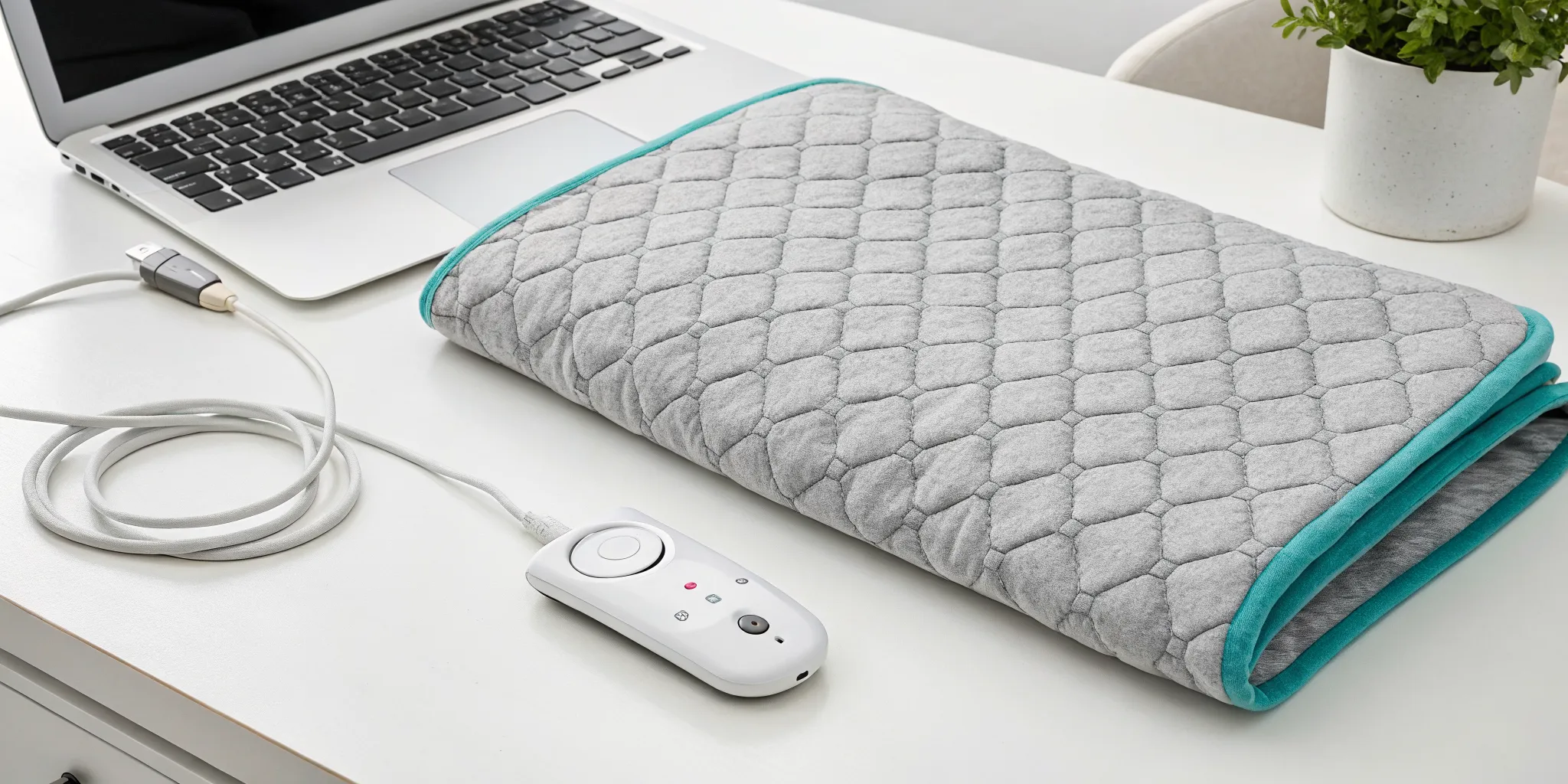
The rules around Health Savings Accounts can sometimes feel like they’re written in another language. It’s easy to feel unsure about what’s covered beyond the obvious doctor visits. This uncertainty causes many people to miss out on using their funds for everyday health items. Let’s clear one thing up right now: you can absolutely use your HSA for a heating pad. As long as it’s for treating a medical issue like pain or stiffness, it qualifies. We’ll break down the official guidelines in simple terms, so you can feel completely confident when you choose an HSA eligible heating pad and use your card at checkout.
Key Takeaways
- Connect your purchase to a medical need: To use your HSA or FSA funds, make sure your heating pad is for a specific medical purpose, like treating muscle pain or arthritis, not just for general comfort.
- Choose features that improve your relief: Look for key functions that make a real difference, including multiple heat settings for customized warmth, an automatic shut-off for safety, and the right size to target your specific aches.
- Use your health card at checkout: Buying is simple since most major retailers accept HSA and FSA cards directly. If you pay out of pocket, just keep the itemized receipt to submit for an easy reimbursement.
What Makes a Heating Pad HSA Eligible?
So, you have a Health Savings Account (HSA) and you’re wondering if you can use those pre-tax dollars on a cozy heating pad. The short answer is yes, you absolutely can. But there’s one important catch: the heating pad must be used for a medical purpose, not just for general comfort or relaxation. It’s all about how you’re using it.
Think of your HSA funds as being reserved for items that help you manage a specific health condition. The IRS has guidelines that define what counts as a qualified medical expense, and thankfully, items that provide pain relief often make the cut. This means that if you’re buying a heating pad to soothe back pain, ease muscle stiffness, or manage arthritis, you’re in the clear. The key is to connect the purchase directly to a medical need. In some cases, the product’s marketing can be a gray area, which is why it’s smart to understand the rules before you buy. We’ll get into the specifics of when you might need a doctor’s note and which conditions typically qualify.
Understanding the “Medical Purpose” Rule
The “medical purpose” rule is the foundation of all HSA and FSA spending. According to the IRS, a qualified medical expense is any cost associated with the “diagnosis, cure, mitigation, treatment, or prevention of disease.” That might sound a bit formal, but it’s pretty straightforward. A heating pad fits this description perfectly when you use it to treat a medical issue.
For example, if you’re dealing with muscle strain after a workout, chronic back pain, or joint stiffness from arthritis, a heating pad is a form of treatment. It helps to mitigate pain and manage your symptoms. This is why it’s considered a valid medical expense. The purchase isn’t for general wellness, like a spa day; it’s a tool to address a specific health concern.
Why You Might Need a Letter of Medical Necessity
Sometimes, your HSA administrator might ask for a little more proof that your purchase is for a medical reason. This is where a Letter of Medical Necessity (LMN) comes in. An LMN is simply a doctor’s note that explains why you need a particular item to treat your medical condition. You won’t always need one for a heating pad, but it’s a possibility, especially if the product could be used for general wellness.
If a heating pad is marketed with words like “relaxation” or “comfort” instead of “pain relief,” it can create a gray area. A letter of medical necessity from your doctor clears up any confusion. It officially links your purchase to a diagnosis, making it an undeniable medical expense.
Common Qualifying Medical Conditions
You don’t need a rare diagnosis to qualify for an HSA-eligible heating pad. Many common aches and pains fit the bill. Heat therapy is a widely recommended treatment for a variety of issues because it increases blood flow to the affected area, which can help relax muscles and ease discomfort.
Some of the most common conditions that make a heating pad a qualified medical expense include muscle soreness, chronic back pain, arthritis, joint stiffness, and menstrual cramps. If you’re experiencing pain from a sports injury or dealing with tension headaches, a heating pad can also be a legitimate purchase. Essentially, if you’re using heat to manage pain, you can feel confident using your HSA funds for it.
Can You Use Your HSA or FSA for a Heating Pad?
So, you’re wondering if that heating pad you’ve been eyeing can be paid for with your health account. I’ve got great news for you: the answer is a resounding yes. Both Health Savings Accounts (HSAs) and Flexible Spending Accounts (FSAs) recognize heating pads as a legitimate medical expense, which is a huge win for your muscles and your wallet. These accounts are designed to help you pay for healthcare costs with pre-tax money, and since heating pads are used to treat specific medical issues like muscle strain, chronic pain, or stiffness, they easily fit the bill. This is one of those simple, empowering ways you can take charge of your own comfort and care without financial stress.
Using these funds means you can get the relief you need without dipping into your regular budget. The process is usually straightforward, but the exact rules can differ slightly depending on whether you have an HSA or an FSA. For example, how you pay and whether your funds roll over at the end of the year are key distinctions. Understanding the rules for each account will help you make your purchase smoothly and confidently. Let’s walk through the specifics for coverage, reimbursement, and the key differences between these two powerful health spending tools so you know exactly what to expect.
HSA Rules for Coverage
Yes, heating pads are absolutely eligible for reimbursement with your Health Savings Account. The IRS gives them the green light because they serve a clear medical purpose, helping to treat conditions like muscle soreness, arthritis, and chronic pain. Under official guidelines, they are considered qualified medical expenses, which is the standard an item has to meet for HSA eligibility. This means you can confidently use your HSA funds to purchase a heating pad to manage your pain and discomfort, knowing it’s a covered expense. You typically won’t even need a doctor’s note, though it’s always a good idea to keep your receipts for your records.
FSA Rules for Reimbursement
Using your Flexible Spending Account for a heating pad is just as simple. You generally have two options for payment. The easiest method is to use your FSA debit card directly at checkout, whether you’re buying online or in a store. It works just like a regular debit card. Alternatively, you can pay with your personal credit or debit card and then submit a claim for reimbursement to your FSA provider. This usually involves filling out a short form and providing a copy of your itemized receipt. Just be sure to check your specific plan’s rules for submitting claims, as deadlines can vary.
HSA vs. FSA: Key Differences
While both accounts help you save on healthcare, there are a few key differences between an HSA and an FSA. A Health Savings Account (HSA) is a personal savings account that you own, and the funds roll over every year, so you never have to worry about losing them. To have an HSA, you must be enrolled in a high-deductible health plan. An FSA, on the other hand, is an account offered through your employer. The funds are often subject to a “use it or lose it” rule, meaning you may have to spend the money by the end of the year.
A Look at Top HSA-Eligible Brands
When you’re ready to buy a heating pad with your health funds, it helps to know which brands to look for. Many companies make excellent, reliable heating pads that qualify as medical expenses, so you have plenty of options. The great part is that you don’t have to sacrifice quality or features just because you’re using your HSA card. Top brands offer everything from targeted shapes for neck pain to moist heat options for deep muscle relief. Let’s walk through a few of the most popular and trusted brands that make it simple to find an HSA-eligible heating pad that’s right for you.
Sunbeam
You’ve probably seen the Sunbeam name before, and for good reason. They are well-known for their wide range of heating pads that come packed with useful features. Many of their models include multiple heat settings, allowing you to find the perfect temperature for your comfort level. For safety, most come with an automatic shut-off function, so you don’t have to worry about falling asleep with it on. Sunbeam is a popular choice for effective and reliable pain relief, especially since many of their pads also offer a moist heat option for deeper muscle penetration.
Comfytemp
If you’re looking for relief in a specific area, Comfytemp is a brand worth exploring. They offer a variety of heating pads that cater to different needs, with options designed to fit perfectly on your back, neck, or shoulders. This focus on targeted relief means you can get heat exactly where you need it most, without awkwardly trying to wrap a standard rectangular pad around your joints. Their products are designed for both comfort and convenience, making them a fantastic option for anyone dealing with localized aches and pains who wants a more tailored solution.
Pure Enrichment
Pure Enrichment makes shopping with your health account incredibly straightforward. They have an online store dedicated to products that are eligible for purchase with HSA and FSA funds. This removes any confusion about what qualifies, allowing you to shop with confidence. By curating their eligible items in one place, they make it much easier to find a heating pad that not only helps with pain but is also financially accessible through your savings account. It’s a simple way to ensure the product you choose is covered without having to do extra research.
RENPHO
RENPHO is another excellent brand offering a variety of heating pads designed for comfort and effective pain relief. Much like other top brands, their products are equipped with the features you’d want for safe and customized use, including automatic shut-off timers and adjustable heat settings. Whether you need gentle, consistent warmth or a higher temperature for more intense muscle soreness, you can find a setting that works for you. Because of their focus on user-friendly features and reliable performance, RENPHO has become a popular choice for people seeking dependable relief from everyday aches and pains.
What to Look for in an HSA-Eligible Heating Pad
Once you’ve confirmed you can use your HSA funds, the next step is choosing the right heating pad for your needs. With so many options available, it helps to know what features make a real difference. Focusing on a few key areas will help you find a high-quality, effective heating pad that you can rely on for pain relief. Think about what matters most for your comfort and safety, from adjustable settings to the right fit for your body.
Customizable Temperature Control
Not all aches and pains require the same level of heat. That’s why finding a heating pad with customizable temperature control is so important. Many models offer a range of settings, allowing you to select the perfect intensity for your specific needs. Whether you need gentle, low-level warmth for a mild cramp or a higher temperature for deep muscle soreness, adjustable settings put you in control of your comfort. Look for pads that offer at least three distinct heat levels. This flexibility ensures you can tailor the therapy to your pain, making your heating pad a more effective and versatile tool in your wellness kit.
Key Safety Features like Auto Shut-Off
When you’re using a heating pad to relax and ease pain, the last thing you want to worry about is safety. An automatic shut-off feature is a must-have. This function turns the heating pad off after a set period, typically around two hours, to prevent overheating and reduce the risk of burns. It’s especially useful if you think you might doze off while using it. This simple, built-in precaution provides peace of mind, allowing you to fully relax and get the relief you need without constantly checking the clock. When comparing models, consider this a non-negotiable feature for safe, worry-free use.
The Right Size and Shape for Your Needs
Heating pads are not one-size-fits-all. To get the most effective relief, you need a pad that properly fits the area you’re treating. Think about where you experience pain most often. If it’s your lower back, a large or extra-large rectangular pad will provide better coverage than a small square one. For neck and shoulder pain, you can find contoured heating pads designed to drape comfortably over that area. Taking a moment to choose the right size and shape ensures the heat is delivered exactly where you need it most, leading to faster and more targeted relief.
Moist vs. Dry Heat Options
You’ll find that many heating pads offer both moist and dry heat options, and it’s worth getting one that provides this versatility. Dry heat is the standard warmth you expect from a heating pad, which is great for straightforward, convenient comfort. Moist heat, on the other hand, can penetrate more deeply into your muscles, providing a more intense therapy that many people find more effective for severe muscle pain and stiffness. Having both options available in one device means you can customize your treatment based on the type and severity of your pain on any given day.
Easy-to-Clean Covers
Since your heating pad will be in direct contact with your skin, hygiene is important. Look for a model with a soft, removable cover that is machine-washable. This makes cleanup incredibly simple and helps keep your heating pad fresh and ready for its next use. A clean cover not only feels better against your skin but also helps prolong the life of the product. Most reputable brands will clearly state if the cover is machine-washable in the product description. It’s a small feature that makes a big difference in the long-term convenience and maintenance of your heating pad.
Where to Buy Your HSA-Eligible Heating Pad
Once you know what you’re looking for, finding the right heating pad is simple. You can use your HSA funds at many popular online and local retailers, making the process convenient and straightforward.
Online Retailers That Accept HSA Cards
Shopping online for an HSA-eligible heating pad is incredibly convenient. Major retailers simplify the process with dedicated sections for approved items. Amazon, for instance, offers a huge selection of HSA or FSA eligible products, which takes the guesswork out of your search. You can easily compare brands, read reviews, and find the right features from home. Just look for the “HSA/FSA Eligible” tag on any product listing.
Your Local Pharmacy or Medical Supply Store
If you need pain relief fast, your local store is the best option. Pharmacies like CVS and Walgreens, plus large retailers like Walmart, stock a variety of heating pads. These stores clearly label which items are eligible for health spending accounts. The main advantage is taking your product home immediately. You can also browse Walmart’s selection of FSA/HSA eligible heating pads online to check for local availability before you leave the house.
How to Use Your HSA Card at Checkout
Using your HSA card is as easy as using a debit card. At checkout, whether online or in a store, just use your HSA card to pay. Most retailers selling eligible medical products accept these cards directly. Online, you’ll enter the card details as usual, and in a store, you can swipe or insert your card at the terminal. The process is seamless, making it simple to start using your funds for qualified health expenses.
Tips for Finding the Best Deals
You don’t have to spend a lot to get a quality heating pad. To find the best value, keep an eye out for sales. When shopping online, look for labels like “Amazon’s Choice,” which often highlights a popular, well-rated product. It’s also a good idea to compare prices across a few different retailers before you buy. Finally, reading recent customer reviews will give you real-world insight into a product’s quality and durability, helping you make a smart purchase that lasts.
What Do Reviews Say About the Best Heating Pads?
Shopping for a heating pad online can feel like a deep dive into thousands of opinions. So, what are people really saying? I’ve sorted through the feedback to find the common threads, focusing on what matters most: how well they relieve pain, how long they last, and whether they’re a good value for your money. Across the board, users tend to focus on these three key areas when sharing their experiences, giving us a clear picture of what makes a heating pad a worthwhile purchase.
Real-World Pain Relief Performance
The good news is that most reviewers find heating pads deliver on their main promise: soothing pain. Users frequently mention relief from muscle strain, chronic aches, and stiffness. This is exactly why heating pads are considered eligible medical expenses for HSA and FSA accounts. People appreciate the consistent, targeted warmth that helps ease discomfort, making it a go-to tool for managing everyday pain at home. The most positive reviews often come from those who found a pad that perfectly targets their specific problem area, like the lower back or neck.
Durability and Build Quality
Beyond immediate relief, reviews often focus on how well a heating pad is made. Features that get a lot of praise include an automatic shut-off for safety (no more worrying if you left it on), multiple heat settings for personalized comfort, and machine-washable covers for easy cleaning. On the flip side, negative reviews tend to call out issues like uneven heating, flimsy cords, or pads that stop working after just a few months. A well-built heating pad should feel reliable and safe to use regularly, so it’s worth paying attention to what users say about its construction.
Overall Value for the Price
Is a more expensive heating pad always better? Not necessarily, according to reviewers. You can find options ranging from around $20 for a basic model to over $200 for a high-tech infrared pad. What’s interesting is that many of the most popular, affordable heating pads have thousands of customer reviews with consistently high ratings. This suggests you don’t need to break the bank to find an effective product. The best value often comes from finding a pad that has the specific features you need, like a certain size or a moist heat option, at a price that fits your budget.
HSA-Eligible vs. Regular Heating Pads: What’s the Difference?
When you’re shopping for a heating pad, you’ll notice some are labeled “HSA-eligible” while others aren’t. At first glance, they might look identical, but the key difference lies in their intended use and the standards they meet. An HSA-eligible heating pad is designed and recognized as a tool for treating specific health issues, not just for general comfort. This distinction is what allows you to purchase it with your health savings funds. Think of it as the difference between a casual blanket and a therapeutic device. Understanding this can help you make a smarter choice for your health and your wallet.
Medical-Grade Specifications
For a heating pad to be HSA-eligible, it must serve a clear medical purpose. This means it’s designed to treat or alleviate a medical condition, turning it into a qualified medical expense. Common issues include muscle strains, arthritis, chronic pain, and stiffness. While any heating pad can provide warmth, one that meets HSA criteria is officially recognized for its therapeutic benefits. This designation is what separates it from a standard comfort item and qualifies it for purchase using your pre-tax health account dollars.
Safety and Quality Standards
HSA-eligible heating pads often come with enhanced safety and quality features to ensure they’re effective for therapeutic use. Many include an automatic shut-off function, which is crucial for preventing burns if you happen to doze off during a treatment session. You’ll also find they typically offer multiple, precise heat settings, allowing you to customize the temperature to your specific pain level and sensitivity. Some even provide a moist heat option, which can help heat penetrate deeper into your muscles for more effective relief. These helpful features are what make the device a reliable tool for managing your health.
Comparing the Costs
You might assume an “HSA-eligible” label automatically means a higher price tag, but that’s not always the case. The cost of a heating pad depends more on its features, size, and technology than its eligibility status. You can find a wide range of options, from a basic model for around $20 to a high-end infrared pad that costs over $200. The price reflects the value you’re getting, whether it’s a larger surface area, advanced heat technology, or premium materials. The good news is that you can find an effective, HSA-eligible option at almost any price point.
How to Get Reimbursed for Your Heating Pad
Using your HSA or FSA funds for a heating pad is a smart way to manage your health expenses. The reimbursement process might seem intimidating, but it’s usually quite simple once you know the steps. Think of it as a straightforward conversation between you and your benefits provider, where you just need to provide the right information. By staying organized and communicating clearly, you can ensure you get your money back without any hassle. Let’s walk through exactly what you need to do, from collecting your documents to submitting your claim.
Gather the Right Paperwork
To make your reimbursement a breeze, having the right paperwork is key. Your provider needs a detailed receipt to confirm that you purchased an eligible medical item. Before you file your claim, make sure your receipt clearly shows all of the following information: the name of the store, the date of the purchase, a specific description of the item (like “electric heating pad”), and the total amount you paid. If you bought it from a retail store, the receipt should also include the item’s UPC code. It’s a good habit to keep good records of all your HSA and FSA purchases, so consider snapping a photo of your receipt right away.
Submit Your Claim Step-by-Step
When it comes to paying for your heating pad, you have two main options. The easiest method is to use your HSA or FSA card directly at checkout, just like a debit card. Many online retailers and pharmacies accept these cards for eligible items. The second option is to pay with your personal credit or debit card and then request reimbursement from your provider. For this, you’ll typically log in to your provider’s online portal and upload a copy of your detailed receipt. This process of submitting a claim is usually quick, and the funds are often deposited directly into your bank account.
Tips for Working with Your HSA Provider
Your HSA or FSA provider is your best resource for any questions you have. If you’re ever unsure whether a specific heating pad is covered, it’s always a good idea to call them or check their website before you make the purchase. This simple step can save you a lot of time and prevent any surprises later. Keep your provider’s contact information in a place that’s easy to find. Remember, they are there to help you understand and use your benefits effectively. Getting familiar with the basics of an HSA can also give you more confidence as you manage your health spending.
Related Articles
- 24 FSA & HSA Eligible Expenses You Didn’t Know About (2025)
- What Can You Buy With an HSA? 100+ Eligible Items
- The Ultimate Guide to HSA Eligible Products
- What Can I Buy With HSA? A Complete List for 2025
Frequently Asked Questions
Do I really need a doctor’s note to buy a heating pad with my HSA? Most of the time, you won’t need a doctor’s note, also known as a Letter of Medical Necessity. Heating pads are widely recognized as a tool for pain relief, so they are generally considered a qualified medical expense without extra proof. However, if a product’s marketing focuses heavily on general wellness or relaxation instead of pain management, your HSA administrator might question it. Having a doctor’s note in those situations can be a helpful backup to confirm you’re using it for a specific medical reason.
What if I buy the heating pad with my own money instead of my HSA card? That’s perfectly fine. If you pay for the heating pad with your personal credit or debit card, you can simply request reimbursement from your HSA or FSA provider. To do this, you will need to submit a claim, which usually involves uploading an itemized receipt to your provider’s online portal. Just make sure the receipt clearly shows the date, the store name, the product description, and the price you paid.
Is there a special type of “HSA-approved” heating pad I have to buy? No, there isn’t a separate category of physically different heating pads made just for HSA spending. The “eligibility” is determined by its purpose, not by a special label on the box. As long as you are using the heating pad to treat a medical condition like muscle pain or arthritis, it qualifies. That said, products marketed for therapeutic use often have features like automatic shut-off and multiple heat settings that make them well-suited for pain management.
What’s the most important difference between using an HSA and an FSA for this purchase? While both accounts let you use pre-tax money, the key difference is what happens to your funds at the end of the year. Money in an HSA is yours to keep and it rolls over indefinitely, growing over time. An FSA, however, is typically owned by your employer and often has a “use it or lose it” rule, meaning you must spend the funds within the plan year or risk forfeiting them.
What if the heating pad is advertised for “relaxation”? Can I still use my HSA? Yes, you can. The eligibility of the purchase depends on how you are using the product, not just how it’s marketed. If you are buying the heating pad to treat a legitimate medical issue, such as menstrual cramps, back pain, or muscle stiffness, it qualifies as a medical expense. The product’s purpose for you is what matters, even if the packaging also mentions comfort or relaxation.