
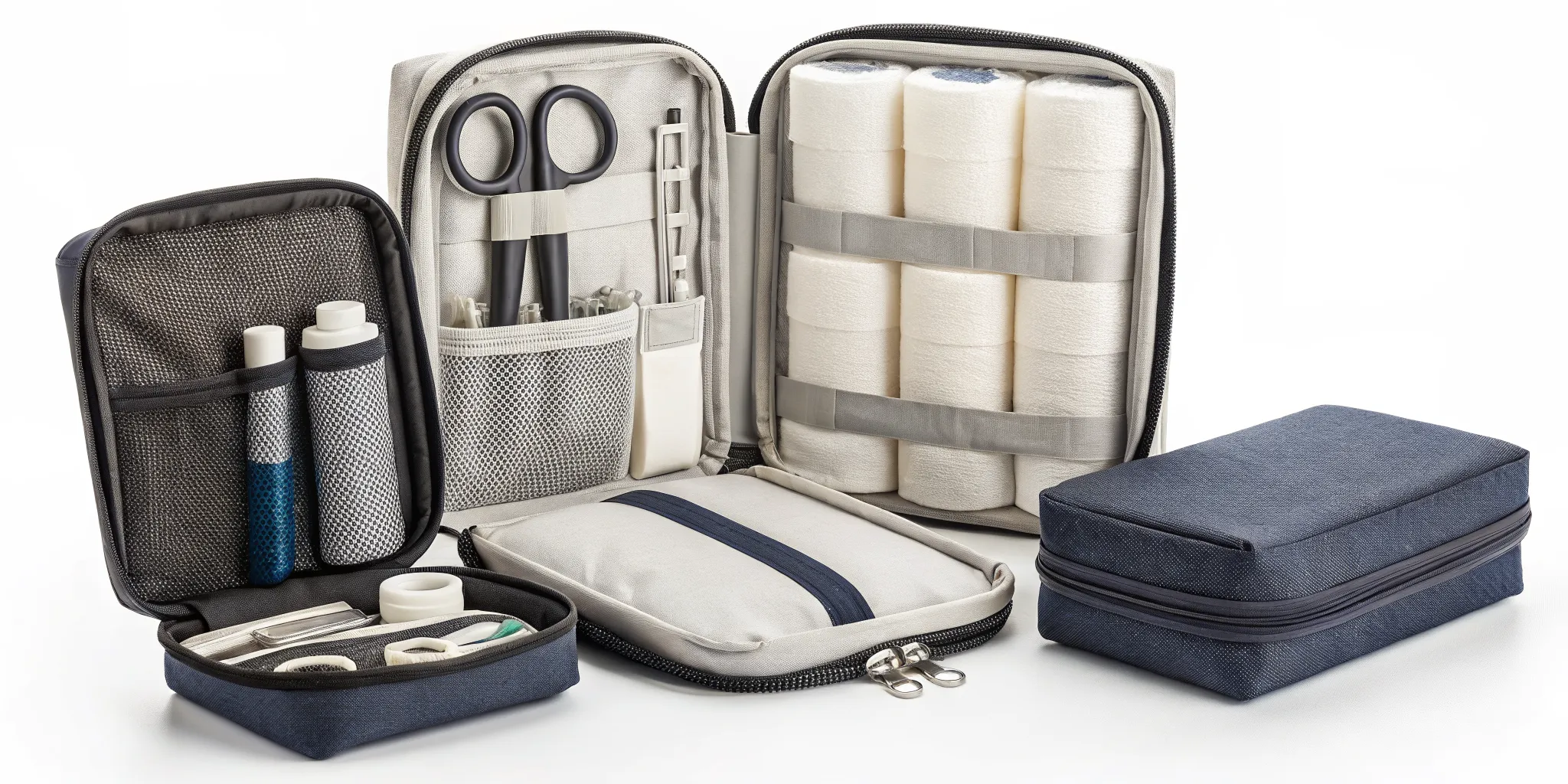
When you think of a first aid kit, you might picture a small box with a few bandages and antiseptic wipes. But true preparedness goes beyond that. Today’s kits are designed for a wide range of situations, from everyday household incidents to more serious emergencies on the road or in the outdoors. Many even include professional-grade supplies that first responders trust. Investing in this level of readiness is more accessible than you think, thanks to your health savings. This guide will explore the different types of kits you can buy with your pre-tax dollars, helping you choose an HSA eligible first aid kit that truly fits your lifestyle.
Key Takeaways
- Use Your HSA for a Financial Win: Paying for a first aid kit with your HSA is a savvy move because you use pre-tax money, which is like getting an automatic discount. Just make sure the kit’s contents are for actual medical care, like treating cuts or burns, not for general personal use.
- Choose a Kit That Matches Your Reality: The right kit isn’t one-size-fits-all; it’s the one that makes sense for your life. Think about your family size, hobbies, and where you’ll store it (home, car, or travel bag) to ensure you’re prepared for the situations you’re most likely to face.
- Maintain Your Kit for True Preparedness: A first aid kit isn’t a one-time purchase. Make it a habit to check expiration dates and restock any used items twice a year, and store it somewhere accessible so you can grab it without thinking when an emergency happens.
What Makes a First Aid Kit HSA-Eligible?
So, what exactly makes a first aid kit eligible for your HSA funds? It’s simpler than you might think. For a kit to qualify, it needs to be stocked with items intended for legitimate medical care. Think about the essentials for treating common injuries: bandages of all sizes, sterile gauze pads, antiseptic wipes, antibiotic ointments, burn creams, and maybe even more advanced tools like trauma shears or splints. The key is that the items are for treating or preventing a physical injury or illness. This is the core requirement for any HSA-eligible purchase.
The IRS has specific guidelines for what counts as a qualified medical expense, and manufacturers design specific HSA-approved first aid kits to meet these rules. This means the products inside are recognized as necessary medical supplies. When you purchase one of these pre-stocked kits, you can feel confident that you’re using your pre-tax health dollars as intended. It’s all about the contents. This focus on medical necessity is what separates a qualifying kit from a general emergency or toiletry bag that might contain non-medical items. Using your HSA for a first aid kit is a smart way to be prepared for minor emergencies while making the most of your healthcare savings. It ensures you have what you need on hand without paying for it out-of-pocket with post-tax money.
Medical Supplies vs. Personal Care: What’s Covered?
Here’s where it gets a little specific. Your HSA is for medical expenses, not general wellness or personal care. That means the items in your first aid kit need to have a clear medical purpose. Things like bandages, medical tape, and antiseptic towelettes are almost always covered. However, items that are considered for general health or cosmetic purposes, like standard lip balm or sunscreen, usually aren’t. The official HSA eligibility list is a great resource, but a good rule of thumb is to ask yourself: “Is this treating or preventing an injury or illness?” If the answer is yes, it’s likely covered.
Common HSA Myths, Busted
Let’s clear up a couple of common questions. First, what about the bag itself? While the medical supplies inside are eligible, the container or bag might not be if it’s seen as a general-purpose item. Think of it this way: you’re buying the medical contents, not the backpack they come in. Another myth is that the process is complicated. It’s not! Buying HSA and FSA eligible first aid kits is as easy as using a debit card. Most retailers accept your HSA card directly at checkout, so there are no extra forms or reimbursement hassles to deal with.
Why Use Your HSA for a First Aid Kit?
Using your Health Savings Account (HSA) is one of the most practical ways to pay for health essentials. When you use it to buy a first aid kit, you’re not just preparing for scraped knees and unexpected cuts; you’re also making a smart financial decision that stretches your healthcare dollars further. It’s a simple way to invest in your well-being while taking full advantage of the benefits you’ve earned. This approach puts you in control, allowing you to stock up on necessary supplies without dipping into your post-tax budget. It’s all about being proactive with your health and your finances, ensuring you’re ready for whatever comes your way. Think of it as a two-for-one benefit: you get the peace of mind that comes with being prepared for minor emergencies, and you do it in a way that’s financially responsible. Instead of viewing your HSA as just a fund for doctor visits, you can see it as a tool for everyday wellness and preparedness. This shift in perspective is key to making your health savings work for you in a more holistic way, covering everything from preventative care to emergency readiness.
The Smart Way to Save on Taxes
Let’s talk about a simple financial win. Using your Health Savings Account (HSA) or Flexible Spending Account (FSA) for a first aid kit is one of the smartest ways to prepare for the unexpected. Because you’re using pre-tax dollars, you essentially get a discount on your purchase, saving anywhere from 20% to 40% depending on your tax bracket. Think about it: you’re not just investing in your family’s safety, you’re also making a savvy choice for your wallet. It’s a practical way to use the funds you’ve set aside for your health on HSA eligible first aid supplies that are genuinely essential for your peace of mind.
Making the Most of Your Pre-Tax Dollars
If you’re worried about complicated paperwork, don’t be. Buying a first aid kit with your HSA or FSA card is as simple as using your regular debit card. There’s no need to save receipts for reimbursement or jump through extra hoops. This straightforward process lets you focus on what’s important: making sure you have the right supplies on hand for any minor emergency. Many retailers even offer a wide selection of HSA/FSA approved kits, so you can shop with confidence, knowing your purchase is eligible. It’s all about making your health dollars work harder for you, conveniently and effectively.
The Best HSA-Approved Kits for Your Home
Having a well-stocked first aid kit at home is one of the smartest things you can do for yourself and your family. It’s about being prepared for the unexpected, from a small kitchen cut to a more serious injury. The great news is that you can use your pre-tax Health Savings Account (HSA) dollars to purchase one, making it a financially savvy move. Instead of letting those funds sit, you can invest them in your family’s immediate safety and well-being.
Choosing the right kit can feel overwhelming with so many options out there. To make it easier, I’ve picked out a few of the best HSA-approved kits that are perfect for keeping at home. These kits cover a range of needs, from basic everyday scrapes to more serious emergency situations, so you can find the one that gives you the most peace of mind.
Scherber Bleeding Control Kits
If you want to be prepared for more than just minor scrapes, Scherber’s kits are a fantastic choice. These are not your average first aid kits; they are pre-stocked with professional-grade medical supplies designed for immediate use in serious emergencies. They focus on critical situations like bleeding control, wound care, and burns, giving you the tools you need to act quickly and effectively when it matters most. What’s great is that you can purchase these HSA-approved trauma kits with your health savings funds, making high-level preparedness more accessible for your home. It’s a serious upgrade for anyone who wants to be ready for anything.
First Aid Only All-Purpose Kit
For a solid, all-around option that covers the basics, the First Aid Only All-Purpose Kit is a reliable pick. It’s designed to handle the common minor injuries that happen in any household, from cuts and scrapes to splinters and stings. This kit comes with a comprehensive selection of supplies, so you don’t have to worry about building one from scratch. It’s the perfect starter kit or a great replacement for that old, disorganized box of bandages you might have in your closet. Since it’s one of many HSA-eligible first aid supplies, you can buy it with pre-tax money, making it a smart and simple way to keep your home prepared.
Caring Mill Family First Aid Kit
When you have a family, you know that bumps, scrapes, and tumbles are just part of daily life. The Caring Mill Family First Aid Kit is designed specifically with households in mind, providing all the essentials for treating common childhood injuries. It’s a practical, everyday kit that ensures you have what you need on hand for scraped knees at the park or minor kitchen mishaps. This kit is a convenient and budget-friendly option that takes the guesswork out of family safety. You can find it among other first aid kits at the HSA Store, making it easy to use your health savings to protect the people you care about most.
First Aid on the Go: Top Portable Kits
Being prepared for minor injuries shouldn’t be limited to your home. Whether you’re commuting, heading out for a hike, or taking a family road trip, having a first aid kit on hand provides peace of mind. Portable kits are designed to be lightweight and compact, easily fitting into a backpack, glove compartment, or suitcase without weighing you down. They contain the essentials for handling common issues like cuts, scrapes, and sprains when you’re away from your main medicine cabinet.
The best part is that many of these travel-friendly kits are HSA-eligible, allowing you to use your pre-tax dollars to stay prepared no matter where you are. Instead of scrambling to find a pharmacy in an unfamiliar place, you can confidently handle the situation with supplies you already have. From rugged kits built for the wilderness to simple packs for your car, there’s a portable option that fits your lifestyle. Let’s look at a few of the top choices for staying safe on the move.
MediTac IFAK Trauma Kits
If you’re looking for something more robust than a standard kit with bandages and antiseptic wipes, a MediTac IFAK is an excellent choice. IFAK stands for “Individual First Aid Kit,” and these are designed for treating more serious injuries quickly and effectively. Originally used in military settings, these professional-grade first aid kits are now available for civilians and are perfect for travel or demanding outdoor activities. They often include supplies for trauma care, like tourniquets and specialized gauze, all packed into a compact case for fast access. It’s a serious kit for those who want to be prepared for almost any situation.
Adventure Medical Sportsman Series
For anyone who loves spending time outdoors, the Adventure Medical Sportsman Series is a perfect match. These kits are specifically created for hikers, campers, and hunters who might find themselves far from immediate medical help. The supplies are tailored to treat common injuries you might encounter in the wild, from deep cuts to severe blisters. The contents are organized into clearly labeled pockets, so you can find what you need without fumbling in a stressful moment. Best of all, the Adventure Medical Sportsman Series kits are HSA eligible, making them a smart investment for your outdoor adventures.
Compact Emergency Kits for Cars
Your car is one of the most practical places to keep a first aid kit. You spend a lot of time in it, and it’s often the central point for family outings and road trips. Having a dedicated kit in your vehicle means you’re always prepared for playground scrapes, minor fender benders, or any unexpected incident. Companies like Scherber offer a variety of compact emergency kits designed to fit neatly in your trunk or under a seat. These kits contain all the essentials for treating common injuries, ensuring you have the right tools on hand whenever you’re away from home.
Beyond the Basics: Advanced Trauma and Emergency Kits
While a standard first aid kit handles everyday scrapes, some situations call for more specialized equipment. If your lifestyle includes remote adventures, you manage a workplace, or you simply want to be ready for more serious emergencies, an advanced trauma kit is a smart investment. These kits go beyond bandages, providing tools to manage severe injuries when professional help isn’t immediately available. Using your HSA for one of these kits is a practical way to prepare for the unexpected, giving you and your loved ones an extra layer of security.
Kits for the Great Outdoors
When you’re hiking or camping, you’re often far from immediate medical care. That’s why having a kit tailored for outdoor emergencies is so important. Companies like Uncharted Supply Co. offer first aid kits designed for these adventures, with supplies to handle everything from severe bleeding to fractures. These kits are typically durable and portable, so you can easily carry them in a backpack. Investing in one ensures you’re prepared for the unique challenges of the outdoors, letting you explore with greater peace of mind.
Kits for the Office
An office might seem safe, but accidents can happen anywhere. Being prepared at work is a key part of fostering a safe culture. Professional-grade first aid kits are a must-have for any workplace, ensuring employees have access to essential medical supplies. Brands like ViTAC Solutions provide comprehensive kits suitable for office settings. These are often larger and more robust than a personal kit, equipped to handle a wider range of injuries for a larger group of people. It’s a responsible way to ensure your team is cared for.
Professional-Grade Supplies You Can Buy
For those who want to be ready for serious situations, professional-grade trauma kits are HSA-eligible. These kits are designed for “trauma readiness” and “life-threatening emergencies,” not just minor injuries. They are built to help during the “Golden Hour,” the critical first 60 minutes after a serious injury. You can find HSA/FSA approved kits from Scherber filled with high-quality medical supplies, the same kind that EMTs and first responders trust. These kits often include items like tourniquets and chest seals for managing severe bleeding and other critical injuries.
Finding the Right Size: Which Kit Fits Your Family?
When it comes to first aid, one size definitely does not fit all. The kit that’s perfect for a solo apartment dweller will likely fall short for a bustling family of five. The first step in choosing the right kit is thinking about how many people it needs to serve. A well-chosen kit ensures you have enough supplies to handle minor scrapes, cuts, and sprains for everyone in your household without running out after a single incident.
Think about your daily life and who you’re responsible for. Are you living on your own, with a partner, or managing a full house with kids? Do you often host gatherings or lead group activities? Answering these questions will help you pinpoint the right size and type of kit, so you’re always prepared. Let’s break down the best options based on your household size, so you can find the perfect fit.
For Individuals and Couples (1-2 People)
If you live alone or with a partner, you can cover your bases with a compact, efficient kit. You don’t need a massive bag of supplies, just the essentials for handling common minor injuries. This is where Individual First Aid Kits (IFAKs) really shine. They are designed specifically for one person but usually have enough supplies to serve two in a pinch.
These kits typically contain the basics like assorted bandages, antiseptic wipes, pain relievers, and gauze. Their small size makes them perfect for stashing in a backpack, a car glove box, or a bathroom cabinet, ensuring you have what you need without taking up a lot of space. It’s a simple way to stay prepared for everyday bumps and scrapes.
For Small Families (3-6 People)
Life with a small family means you’re always on the go, and minor injuries are just part of the adventure. For households of three to six people, you’ll want a more comprehensive first aid kit that can keep up. Look for kits that offer a larger quantity and variety of supplies, including different sizes of bandages, extra antiseptic wipes, and child-friendly medications.
A good family kit is versatile enough to live in your home’s main closet but can also be grabbed for a road trip or a weekend at the park. Having one of these well-stocked kits designed for small families means you’re ready for anything, from a scraped knee at the playground to a minor kitchen burn, without having to make a last-minute run to the pharmacy.
For Large Households and Groups
If you have a large family or are the go-to person for neighborhood gatherings and group outings, you need a first aid kit that can handle more than one issue at a time. These larger kits are built to serve big families or teams, providing an extensive range of supplies to make sure everyone is covered. They’re an essential tool for anyone who wants to be prepared for a wider variety of situations.
These robust kits often include more advanced items like splints, larger dressings, and sometimes even pre-stocked trauma kits for more serious injuries. Investing in a larger, more comprehensive kit gives you peace of mind, knowing you have the resources to manage multiple minor injuries or a more significant emergency until professional help can arrive.
Where to Buy HSA-Eligible First Aid Kits
Once you know what you’re looking for, finding an HSA-eligible first aid kit is pretty straightforward. You can grab one online from the comfort of your couch or pick one up in person at your local pharmacy. It all comes down to what’s most convenient for you. Whether you prefer browsing dedicated online stores or need a kit in a hurry, you have plenty of great options to choose from.
Your Go-To Online HSA Stores
Shopping online is one of the easiest ways to find exactly what you need. The HSA Store is a fantastic starting point because its entire inventory is pre-vetted, so you can shop with confidence knowing every item is eligible. Major retailers like Amazon also have a huge selection; just use the “FSA/HSA Eligible” filter to narrow your search for first aid kits. You can also find a solid variety of HSA-approved first aid supplies at Walmart, making it simple to add a kit to your regular shopping cart.
At Your Local Pharmacy
If you need a first aid kit right away or just prefer to see things in person, your local pharmacy is an excellent choice. Chains like CVS, Walgreens, and Rite Aid, as well as independent pharmacies, typically stock a range of HSA-eligible kits. This is a great option if you want to quickly compare sizes or ask the pharmacist for a recommendation. Plus, you can use your HSA card directly at the checkout, making the whole process quick and simple. It’s perfect for those last-minute needs before a trip or for restocking your home supply.
From Specialty Medical Suppliers
For those who need something more advanced than a standard kit, specialty medical suppliers are the way to go. These retailers offer professional-grade equipment, including comprehensive trauma kits. If your lifestyle involves outdoor adventures, sports, or you simply want to be prepared for more serious situations, these suppliers have you covered. You can find a great selection of HSA-eligible first aid kits from ViTAC Solutions, which are designed for a variety of needs. Scherber also provides pre-stocked trauma and first aid kits that are approved for HSA and FSA spending.
How to Choose the Right Kit for Your Needs
Picking the right first aid kit isn’t about finding a one-size-fits-all solution. It’s about finding the one that fits your life. The best kit is the one you have with you when you need it, stocked with supplies that make sense for your daily routine and adventures. Think of it as a personalized safety net. By considering where you’ll keep the kit, what you’ll be doing, and who you’re responsible for, you can make a smart choice that brings peace of mind. This approach ensures you’re not just buying a box of bandages, but investing in a tool that’s genuinely useful for you and your family. Let’s walk through how to find the perfect match for your needs.
Consider Your Environment and Activities
Start by thinking about where you spend most of your time. A kit for your home will look very different from one you toss in a hiking backpack. A home kit should be comprehensive enough to serve your entire family, covering everything from kitchen burns to scraped knees. For your car, you’ll want a more compact kit that can handle common roadside issues. If you travel often, a portable kit that’s TSA-friendly is essential. The key is to match the supplies to the potential situations you might face in each environment. The American Red Cross offers great guidance on what to include for different scenarios.
Match the Kit to Your Lifestyle
Your hobbies and lifestyle play a huge role in what you’ll need. If you’re an athlete or have an active family, look for kits with extra supplies for sprains, blisters, and muscle strain. Outdoors enthusiasts should prioritize kits with items for insect bites, severe cuts, and maybe even a tourniquet. For those who prefer a prepared-for-anything approach, a personal Individual First Aid Kit (IFAK) is a great option to carry in a purse or glove compartment. It’s all about being realistic about your activities and choosing a kit that aligns with them, so you’re always ready.
Factor in Special Medical Needs
A standard kit is a great starting point, but true preparedness comes from personalization. If anyone in your family has severe allergies, chronic conditions like diabetes, or requires specific medications, your kit should reflect that. Add items like an extra epinephrine auto-injector, glucose tablets, or a backup inhaler. When buying a pre-made kit, pay attention to the quality of the supplies. Look for trusted, FDA-cleared items and avoid generic brands that might not perform when it counts. Your health is worth the investment in quality gear.
What to Look For in an HSA-Eligible Kit
Once you know a first aid kit is HSA-eligible, the next step is figuring out which one is right for you. With so many options available, it’s easy to feel overwhelmed. But choosing a kit doesn’t have to be complicated. The best approach is to think beyond the price tag and focus on value, reliability, and how it fits your life. A good kit is an investment in your peace of mind, giving you the confidence to handle unexpected situations, whether it’s a scraped knee at the park or a more serious incident at home.
Instead of just grabbing the first box you see, take a moment to consider what’s inside. Are the supplies high-quality? Will they be expired by the time you need them? Is the kit equipped for real emergencies, or is it just a glorified box of bandages? Asking these questions helps you spend your HSA dollars wisely on a kit that offers genuine protection. We’ll walk through the three most important factors to look for: the quality of the supplies, the availability of refills, and access to professional-grade gear.
The Quality of the Medical Supplies
When you’re in an emergency, the last thing you want to worry about is whether your supplies will work. That’s why the quality of the items in your kit is non-negotiable. Look for kits that contain high-quality medical supplies that professionals trust. Many top-tier kits are packed with the same tools and materials used by EMTs, first responders, and even law enforcement. This is a great indicator that the products are reliable and effective under pressure. A kit built with professional-grade components is designed for performance when it matters most, giving you one less thing to stress about.
Expiration Dates and Refill Options
A first aid kit isn’t something you buy once and forget about. Many items inside, from sterile wipes and ointments to specialized bandages, have expiration dates. A kit is only useful if its contents are safe and effective, so it’s important to have a plan for keeping it up to date. Before you buy, check to see if the manufacturer offers refill kits. This makes replacing expired or used items simple and cost-effective. Choosing a brand that supports its products with easy-to-order refills ensures your kit will always be ready when you need it.
Access to Professional-Grade Gear
Not all first aid kits are created equal. Some are designed for minor cuts and scrapes, while others are equipped to handle serious trauma. For true preparedness, it’s smart to choose a kit that provides professional-grade gear for a wider range of emergencies. These kits often include items like tourniquets, chest seals, and compression bandages that can be critical in a crisis. You don’t have to be a medical professional to have access to these tools. Many companies are now making this level of equipment available to everyone, empowering you to respond confidently in more serious situations.
How to Keep Your First Aid Kit Stocked and Ready
Buying a first aid kit is a great first step, but it’s not a one-and-done task. A truly useful kit is one that’s well-maintained and ready to go when you need it most. Think of it as a living part of your home safety plan. Keeping it stocked and accessible ensures you’re not fumbling for an expired bandage or a missing item during an actual emergency. A little bit of upkeep goes a long way in making sure your investment in preparedness pays off. By creating a simple routine for checking and storing your kit, you can feel confident that you have exactly what you need, right when you need it. This isn’t about adding another complicated chore to your list; it’s about building a simple, empowering habit that gives you peace of mind. When you know your kit is complete and easy to find, you can handle minor injuries with clarity and confidence. This proactive approach to your health and safety is what turns a box of supplies into a reliable tool for your family’s well-being. The following steps will help you create a straightforward system for maintaining your kit, so it’s always prepared for action. It’s a small time commitment that delivers a huge return in readiness and reassurance.
Check Contents and Expiration Dates Regularly
Think of your first aid kit like the food in your pantry; some items have a shelf life. Antiseptic wipes, ointments, and even certain adhesive bandages can lose their effectiveness over time. A good habit is to check your kit twice a year. A simple calendar reminder can do the trick. When you check, take inventory of what you’ve used and what’s expired. Make a list of anything that needs to be replaced. Many companies offer first aid refills to make restocking simple, so you don’t have to buy a whole new kit every time you run out of gauze or pain relievers.
Documenting Your HSA Purchases
When you use your Health Savings Account to buy a first aid kit, keeping good records is key. Your HSA administrator might require proof that your purchase was for eligible medical expenses, so hold on to your receipts. If you buy a kit online, the standard order confirmation might not be enough. Many suppliers understand this and can provide an itemized receipt upon request. For example, some companies ask that you email their support team to get the detailed documentation you need for reimbursement or tax purposes. It’s a small step that ensures you’re following the rules and can prove your purchase was legitimate.
Store It Properly (and Make Sure You Can Find It)
A first aid kit does you no good if you can’t find it in a hurry. Choose a storage spot that is cool, dry, and easy for adults to access. Common places include a kitchen cabinet, a linen closet, or a laundry room shelf. Make sure everyone in the household knows where it is. If you have multiple kits for different environments, like your home, car, or a travel bag, label them clearly. The goal is to grab the right one without a second thought. The best kits are designed with professional-grade medical supplies organized for immediate use, so all you have to do is open it and find what you need.
Related Articles
- What Can You Buy With an HSA? 100+ Eligible Items
- What Can I Buy With My HSA? The Ultimate Guide
- 24 FSA & HSA Eligible Expenses You Didn’t Know About (2025)
- FSA Bundles for Health: Your Complete Guide
- The Ultimate Guide to HSA Eligible Products
Frequently Asked Questions
Why can’t I just use my HSA to buy any first aid kit I see at the store? The main reason is that your HSA funds can only be used for qualified medical expenses, and the IRS has specific rules about what counts. While most first aid supplies are eligible, some kits might include items considered for general wellness or personal care, like standard sunscreen or lip balm, which aren’t covered. Buying a kit specifically marked as HSA-eligible ensures that everything inside is intended for legitimate medical care, saving you the trouble of guessing.
Is it better to buy a pre-made HSA-eligible kit or build my own? This really comes down to convenience versus customization. Buying a pre-stocked, HSA-approved kit is the most straightforward option. You can be confident that all the contents are eligible, and it saves you a lot of time. Building your own kit allows you to tailor it to your specific needs, but you’ll have to verify that each individual item you purchase is HSA-eligible. For most people, starting with a quality pre-made kit is the simpler and more efficient choice.
How do I actually pay with my HSA card? Is there any paperwork involved? Using your HSA card is as simple as using a regular debit card. At most pharmacies and online retailers that sell eligible products, you can swipe or enter your card details at checkout. There are typically no extra forms to fill out or receipts to submit for reimbursement later. This direct payment process makes it incredibly easy to use your pre-tax funds for the health supplies you need.
What if my family has specific medical needs that aren’t in a standard kit? A pre-made kit is a great foundation, but you should absolutely personalize it. You can use your HSA funds to buy additional specific items your family needs, such as an extra epinephrine auto-injector, glucose tablets for diabetes, or a backup inhaler. Think of the pre-made kit as your base, and then add the specific, eligible medical supplies that will give you complete peace of mind.
How often should I check and restock my kit? A good rule of thumb is to review your first aid kit twice a year. A simple way to remember is to do it when you change the clocks for daylight saving time. During your check, look for any items that have expired and make a list of any supplies you’ve used up. This quick, regular maintenance ensures your kit is always stocked, effective, and ready to go when you actually need it.