
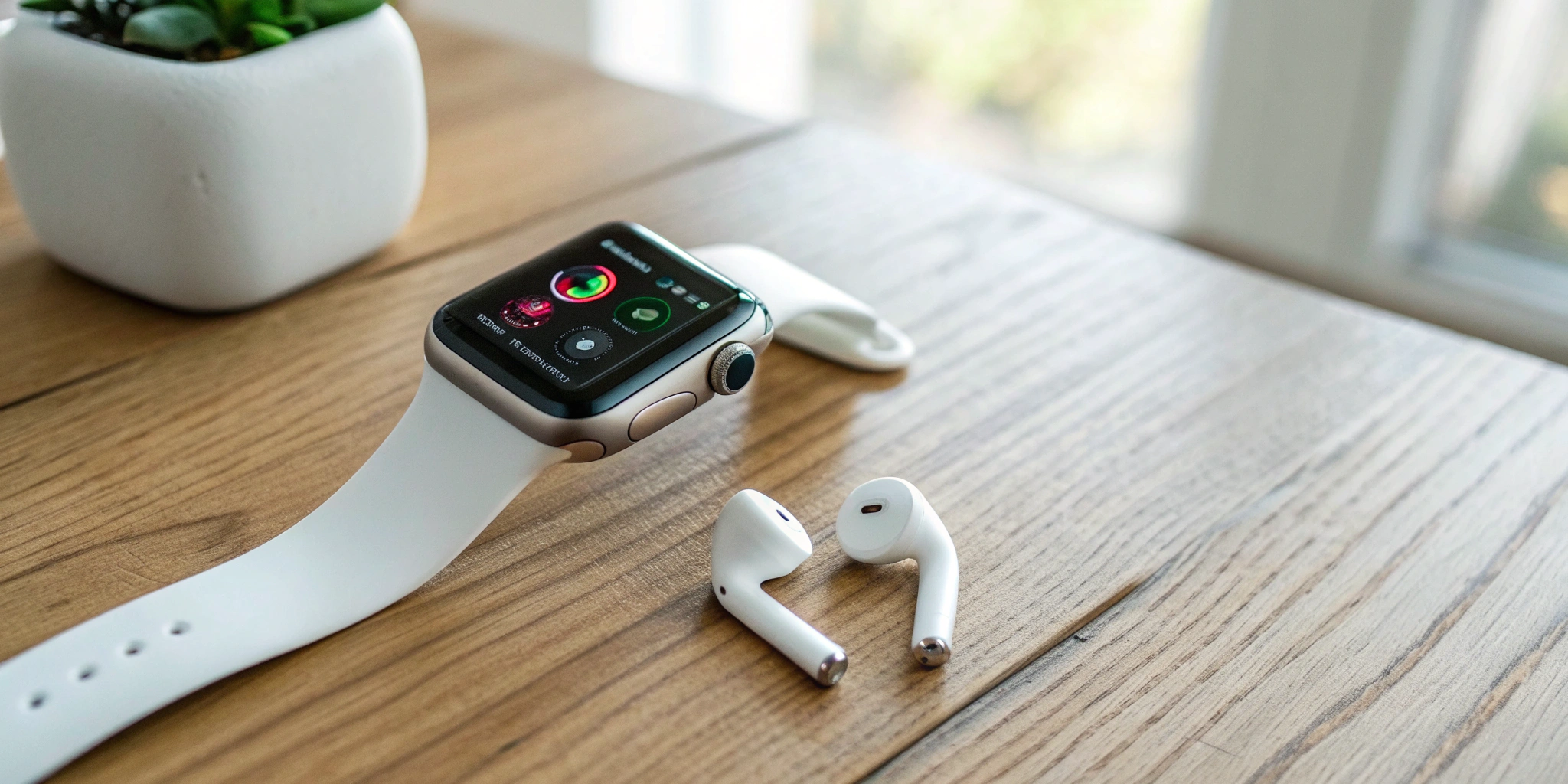
It’s one thing to want a smartwatch for tracking workouts, but it’s another when your doctor recommends one to monitor a specific health condition. Suddenly, that device becomes a crucial part of your care plan. If you’re managing a heart arrhythmia, sleep disorder, or another chronic issue, the data from a smartwatch can provide essential insights for you and your healthcare team. This medical necessity is the key to unlocking your HSA funds for the purchase. With a formal recommendation from your doctor, known as a Letter of Medical Necessity, you can confidently get an HSA approved smart watch. This article will explain the process step-by-step, from that initial doctor’s conversation to submitting your claim for reimbursement.
Key Takeaways
- Focus on a Specific Condition, Not General Wellness: To qualify for HSA funds, your smartwatch must be used to treat or monitor a diagnosed health issue, like a heart condition or sleep disorder. General fitness tracking alone won’t meet the IRS requirements.
- A Letter of Medical Necessity is Required: You can’t get reimbursed without a formal Letter of Medical Necessity (LMN) from your doctor. This document is the official proof that connects your smartwatch purchase to the management of your specific health condition.
- Confirm Coverage with Your HSA Provider First: The final approval always comes from your HSA administrator. Before you buy anything, call them to confirm that a smartwatch is a covered expense for your condition and ask exactly what paperwork they need to process the reimbursement.
Is Your Smartwatch HSA-Eligible?
So, you’ve got your eye on a new smartwatch and are wondering if you can use your Health Savings Account (HSA) to pay for it. The short answer is: maybe. While it’s not a straightforward “yes,” it’s definitely possible under the right circumstances. It all comes down to one key distinction: is the device for general wellness, or is it a tool to manage a specific medical condition?
Most smartwatches are initially viewed as general fitness trackers—great for counting steps and encouraging an active lifestyle, but not considered medical devices. However, that changes when your doctor recommends one as a necessary tool for your health. With the right documentation, your smartwatch can shift from a wellness gadget to a qualified medical expense.
Medical vs. Wellness: What’s the Difference?
The IRS has specific rules about what counts as a medical expense, and this is where the line is drawn. A purchase for “general health,” like a gym membership or vitamins, typically isn’t covered. Most smartwatches fall into this category because their primary purpose is seen as fitness and wellness.
However, a smartwatch becomes a medical necessity when a healthcare provider recommends it to diagnose, treat, or manage a specific health condition. For example, if you have a heart arrhythmia, diabetes, or a sleep disorder, features like ECG monitoring or blood oxygen tracking become essential medical tools, not just interesting data points. In this case, the watch is no longer just for wellness; it’s a key part of your healthcare plan.
What Paperwork You’ll Need
To make your smartwatch HSA-eligible, you can’t just buy it and submit the receipt. You need proof that it’s medically necessary, and that proof comes in the form of a Letter of Medical Necessity (LMN) from your doctor or another healthcare provider.
This isn’t just a quick scribble on a prescription pad. An LMN is a formal letter that clearly states your medical condition and explains exactly how the smartwatch and its specific features will be used to treat or monitor it. Think of this letter as the official link between your health needs and your purchase. It’s the key piece of documentation your HSA administrator will need to approve the expense.
Which Smartwatches Can You Buy with Your HSA?
So, you’re ready to use your Health Savings Account for a new smartwatch. That’s a fantastic step toward taking a more active role in your health. The good news is that many popular brands are potentially eligible, but it’s not always a simple yes or no. Eligibility often hinges on whether the device is used to monitor, treat, or prevent a specific medical condition, which usually requires a Letter of Medical Necessity from your doctor. Let’s look at some of the top smartwatches and what you need to know about getting them covered.
Apple Watch
The Apple Watch is a powerhouse of health features, and for that reason, it can often be HSA-eligible with the right documentation. If you and your doctor decide the watch is a medical necessity for managing a condition like atrial fibrillation (AFib) or diabetes, you can use your HSA funds for the purchase. The key is the Letter of Medical Necessity (LMN), which officially connects the device to your specific health needs. With features like ECG, blood oxygen monitoring, and fall detection, it’s clear how this watch can be more than just a fitness tracker—it can be a vital tool for your well-being.
Garmin
Garmin has made it even more straightforward for users to purchase their products with pre-tax dollars. The company offers a selection of devices that qualify for purchase with HSA or FSA funds, which can save you a significant amount of money. This direct approach makes it easier to invest in a high-quality device designed to support an active and healthy lifestyle. Whether you’re tracking your heart rate during intense workouts, monitoring your sleep patterns, or using GPS for outdoor activities, using your HSA for a Garmin watch is a smart way to make your health a priority without breaking the bank.
Fitbit
Fitbit has been a household name in wellness for years, and it’s great to know that many of its popular fitness trackers are eligible for purchase using your HSA or FSA funds. This allows you to take advantage of your tax-free savings while investing in a device that encourages daily movement, tracks sleep, and monitors key health metrics. Just like with other smartwatches, you’ll likely need a Letter of Medical Necessity to prove the device is helping you manage a specific health condition. By using your HSA, you’re making a smart financial decision that directly supports your personal health and wellness goals.
Samsung Galaxy Watch
The Samsung Galaxy Watch is another top contender that can be considered HSA-eligible when used for a specific medical purpose. If your doctor provides a Letter of Medical Necessity (LMN) stating that the watch is essential for managing a health condition, you can use your HSA funds to buy it. With advanced features like body composition analysis, ECG monitoring, and sleep tracking, the Galaxy Watch offers powerful insights into your overall health. This eligibility provides a great opportunity to use your pre-tax dollars effectively on a device that helps you stay on top of your health journey.
How to Get a Letter of Medical Necessity
Getting your Health Savings Account (HSA) to cover a smartwatch isn’t as simple as just buying one and submitting the receipt. The key that unlocks this benefit is a Letter of Medical Necessity (LMN). Think of it as a formal prescription from your doctor that explains exactly why a smartwatch isn’t just a cool gadget for you, but an essential tool for managing a specific health condition. While it might sound like extra paperwork, getting an LMN is a pretty straightforward process when you know what to ask for. It’s all about connecting the dots between the watch’s features and your personal health needs.
Talk to Your Doctor
This is your first and most important step. You’ll need to schedule a conversation with your healthcare provider to discuss why you believe a smartwatch is essential for your health. Before your appointment, think about how the device’s features will help you manage your specific condition. For example, will you use the ECG to monitor for signs of atrial fibrillation? Or will you track your activity levels and sleep patterns to better manage diabetes? Your doctor needs to understand this connection to write a strong letter. You need a special letter from your healthcare provider that says the smartwatch is medically necessary for your specific health condition, so be prepared to explain your reasoning clearly.
What the Letter Needs to Include
A generic note from your doctor won’t be enough. To get approved by your HSA administrator, the Letter of Medical Necessity needs to be specific and detailed. Make sure the letter clearly states that the device is required to diagnose, treat, or manage your medical condition. It should explicitly name your condition, whether it’s a heart arrhythmia, a sleep disorder, or diabetes. The letter should also connect the dots by explaining which features of the smartwatch will be used for your care. For instance, it could mention that the heart rate monitor will be used for tachycardia management. Finally, ensure it includes your doctor’s signature and official letterhead.
The Approval Timeline
The time it takes to get your LMN can vary. After you talk to your doctor, it might take their office anywhere from a few days to a couple of weeks to draft and sign the letter. Once you have it, you’ll submit it to your HSA administrator along with your receipt for reimbursement. Their review process can also add to the timeline. If you’re looking for a faster alternative, some online services can help you get a Letter of Medical Necessity quickly, sometimes in just a few minutes. Whichever route you choose, it’s a good idea to follow up with your doctor’s office and your HSA provider to keep the process moving smoothly.
Do You Have a Qualifying Medical Condition?
The key to getting your smartwatch covered by your HSA isn’t about the brand or model you choose—it’s about why you need it. The IRS is pretty clear on this: for a device to be eligible, it must be used primarily to prevent, manage, or treat a specific medical condition. A general desire to track your steps for wellness, while a great goal, won’t be enough to qualify. You’ll need a diagnosis from a healthcare provider who can attest that the smartwatch is a necessary tool for your health management.
Think of it this way: the watch becomes a piece of medical equipment prescribed for your unique situation. This is where the Letter of Medical Necessity (LMN) comes in, acting as the official link between your diagnosis and your purchase. Many common health issues can qualify, turning a popular gadget into a powerful health companion. From monitoring chronic conditions to managing mental wellness, the data these devices provide can be invaluable for you and your doctor. Let’s look at some of the most common conditions that can make your smartwatch HSA-eligible.
Heart Conditions
If you’re managing a heart condition, a smartwatch can be an incredibly useful tool. For issues like hypertension (high blood pressure) or atrial fibrillation (AFib), consistent monitoring is essential. Many smartwatches now include FDA-cleared ECG apps and continuous heart rate tracking, which can detect irregularities you might not otherwise notice. This data provides a detailed picture of your heart’s activity over time, giving your doctor valuable insights to help manage your treatment plan. Having this information right on your wrist can offer peace of mind and a proactive way to stay on top of your cardiovascular health.
Diabetes Management
For individuals living with diabetes, managing daily activity and other health metrics is a critical part of the routine. A smartwatch helps you track physical activity, sleep patterns, and heart rate, all of which can impact blood sugar levels. While the watch itself doesn’t measure glucose, the data it collects can be a key part of your overall diabetes management plan. When your doctor recommends increasing your daily activity to help control your condition, a smartwatch serves as the perfect tool to monitor your progress and ensure you’re meeting those prescribed goals, making it a medically necessary device.
Sleep Disorders
Getting good sleep is fundamental to our health, and if you’re dealing with a sleep disorder like sleep apnea or chronic insomnia, a smartwatch can provide crucial data. These devices have become sophisticated enough to track sleep stages, duration, and interruptions. More advanced models even monitor blood oxygen levels, which can help identify potential breathing disturbances characteristic of sleep apnea. This information can help your doctor diagnose a condition or track the effectiveness of a treatment, like a CPAP machine, making the watch an important part of your care plan.
Mental Health and Wellness
Your mental and physical health are deeply connected, and a smartwatch can be a prescribed tool for managing conditions like anxiety or depression. A therapist or doctor might include mindfulness, regular exercise, or structured sleep as part of your treatment. Smartwatches support this by offering guided breathing exercises, tracking activity levels, and monitoring sleep quality. Features that measure heart rate variability can also offer insights into your body’s stress response. By helping you stick to a prescribed routine, the device becomes a tangible part of your mental health care strategy.
Health Features That Make a Smartwatch HSA-Eligible
So, what exactly turns a cool gadget into a medical necessity in the eyes of your HSA provider? It comes down to specific features that can monitor, manage, or help prevent a health condition. While a basic step counter won’t make the cut, several advanced health-tracking functions can qualify your smartwatch as a medical expense. The key is connecting the watch’s capabilities to your specific health needs, shifting its purpose from a lifestyle accessory to a legitimate medical tool. This is why a Letter of Medical Necessity from your doctor is often required—it formally establishes that medical purpose and confirms that you’re not just buying the latest tech for fun.
Think of it this way: your HSA is designed for qualified medical expenses, and the IRS needs to see a direct link between the purchase and your health. A smartwatch with advanced sensors provides the kind of data that can be used to make clinical decisions. From monitoring your heart’s rhythm with an ECG to tracking your oxygen levels while you sleep, these features provide medical-grade data that goes far beyond general wellness. Understanding which functions meet these strict criteria will help you choose the right device and confidently use your HSA funds for the purchase. Let’s look at the key features that can make a smartwatch eligible.
ECG and Heart Rate Monitoring
One of the biggest reasons a smartwatch can be HSA-eligible is its ability to perform an electrocardiogram (ECG) and continuously monitor your heart rate. If you have a heart condition or are at risk for one, these features are incredibly valuable. The key is that the primary reason for buying the watch must be to diagnose, mitigate, treat, or prevent a specific medical condition. For example, some watches can detect atrial fibrillation (AFib) with impressive accuracy, providing you and your doctor with crucial data. This isn’t just about tracking your heart rate during a workout; it’s about using the device as a legitimate medical tool for a diagnosed issue.
Blood Oxygen and Sleep Tracking
Features that monitor your blood oxygen levels (SpO2) and track sleep patterns can also push a smartwatch into the HSA-eligible category. These tools are essential for managing conditions like sleep apnea, where oxygen levels can drop during the night. By tracking your sleep stages, breathing regularity, and blood oxygen saturation, the watch provides a detailed picture of your respiratory health while you sleep. These insights go far beyond simple wellness tracking, offering actionable data that can help you and your doctor manage a specific health concern. Many of these are considered HSA/FSA-eligible health tech devices because of their direct medical applications.
FDA-Approved vs. Wellness Features
It’s important to understand the difference between a general wellness device and an FDA-approved medical device. Most smartwatches are generally viewed as regular electronics for fitness and are not eligible for HSA funds on their own. However, some models have received FDA clearance for specific features, like their ECG or irregular heart rhythm notifications. This approval signals that the feature has been medically validated, making it much easier to justify as a medical expense. While you’ll likely still need a Letter of Medical Necessity for most watches, a device with FDA-cleared functions has a much stronger case for HSA eligibility.
Where to Buy an HSA-Approved Smartwatch
Once you have your Letter of Medical Necessity (LMN) in hand, you’re ready to make your purchase. But where you buy your smartwatch matters more than you might think. Choosing the right retailer can be the difference between a smooth, easy reimbursement and a frustrating back-and-forth with your provider. You generally have two main paths: going through a specialized HSA store or purchasing from a major retailer and handling the reimbursement yourself.
Think of it like this: one path is a guided tour, and the other is a self-guided adventure. Specialized stores are designed to make the process straightforward, often pre-vetting products for you and simplifying the paperwork. It’s a great choice if you value convenience and want to minimize any potential hiccups. On the other hand, buying from a major retailer gives you more freedom to shop around and compare prices, but it puts the responsibility squarely on your shoulders to ensure every box is checked for a successful reimbursement. Neither path is better than the other—it just depends on how much of the process you want to manage yourself. Let’s walk through what each option looks like so you can choose the best route for you.
Specialized HSA Stores
The most direct way to buy an HSA-approved device is through a retailer that specializes in HSA and FSA-eligible products. These online stores are built to simplify the process. They curate products that are typically eligible for reimbursement, taking a lot of the guesswork out of your search. Companies like Truemed have dedicated sections for health technology, where you can shop for devices knowing they are intended for health monitoring. The biggest advantage here is convenience. These retailers often streamline the payment and documentation process, making it easier to use your HSA funds directly or get reimbursed without a hitch. It’s a great option if you want extra confidence that you’re buying a qualifying product.
Major Retailers
You can also buy your smartwatch from major retailers like Amazon, Best Buy, or directly from brands like Apple or Samsung. This route gives you the freedom to shop around for the best price and choose from the widest selection. However, the responsibility for ensuring eligibility and managing the reimbursement falls entirely on you. Some brands are making this easier. For example, Garmin has started highlighting which of its products are eligible for HSA/FSA funds, often through partnerships with services that help verify medical expenses. If you go this route, just be prepared to save your receipt and submit it along with your LMN to your HSA provider for reimbursement after the purchase.
How to Verify Eligibility Before You Buy
This is the most critical step, no matter where you decide to shop. Before you click “buy,” you need to confirm that your purchase will be approved. While a Letter of Medical Necessity is your golden ticket, it’s not a universal pass. The final say always comes down to your specific HSA provider. Give your provider a call. Tell them you have an LMN from your doctor for a smartwatch to help manage a specific medical condition and ask them to confirm it’s a covered expense. Some providers may have specific requirements or prefer certain documentation. A quick five-minute phone call can save you from the headache of a denied claim and ensure your purchase is a smart one for both your health and your finances.
How to Get Reimbursed for Your Smartwatch
You’ve picked out your smartwatch and have your Letter of Medical Necessity in hand. What’s next? Getting your money back from your HSA or FSA is usually a straightforward process, but it requires you to follow a few specific steps. Think of it as closing the loop on your smart health investment. Let’s walk through what you need to do to submit your claim and what to watch out for along the way.
The Submission Process
Once you’ve purchased your smartwatch, the path to reimbursement is pretty clear. First, you’ll need to gather your receipt and the Letter of Medical Necessity (LMN) from your doctor. This letter is the most important piece of the puzzle, as it officially states that you need the device to treat or manage a specific medical condition. Some retailers have even partnered with services to streamline this. Their process often involves buying the product, completing a quick health survey to qualify, and then submitting your claim. Most HSA/FSA administrators have an online portal where you can upload your documents and file for reimbursement. Just make sure you have everything ready before you start.
Common Reimbursement Hurdles
The biggest hurdle you might face is that most smartwatches are considered general wellness products, not medical devices. This is why your claim could be denied without the right paperwork. Features like step counting or basic heart rate tracking often fall into this general health category. To get approved, you must prove the watch is medically necessary for you. This is exactly what the Letter of Medical Necessity does. It connects the dots for your benefits administrator, showing that you’re using the device to manage a diagnosed condition. Without it, your administrator will likely reject the expense, so don’t skip that crucial doctor’s visit.
Common Myths About Using Your HSA for a Smartwatch
Using your HSA for a smartwatch is a fantastic way to invest in your health, but it’s easy to get tripped up by some common misunderstandings. The rules can feel a bit confusing, and making a wrong assumption could lead to a denied claim. Let’s clear up a few key myths so you can move forward with clarity and confidence. Knowing what to expect will make the entire process smoother and help you get the tools you need to manage your health effectively.
Myth: All Smartwatches Are Eligible
It’s a common assumption that since smartwatches have health features, they automatically qualify for HSA funds. Unfortunately, that’s not the case. Most smartwatches are considered general electronics for wellness and fitness, not specific medical devices. The IRS makes a clear distinction between items for general health and those necessary to treat a diagnosed medical condition. This is why you can’t just pick any watch off the shelf and use your HSA card at checkout. The device must have features directly related to managing a specific health issue to be considered eligible.
Myth: You Don’t Need a Doctor’s Note
Another frequent misconception is that if a smartwatch is eligible, you can simply buy it without any extra steps. In reality, getting your smartwatch covered by your HSA almost always requires documentation from your doctor. You’ll need what’s called a Letter of Medical Necessity (LMN). This official note from your doctor explains why the smartwatch is essential for diagnosing, treating, or monitoring a specific health issue you have, like a heart condition or sleep apnea. Without this letter, your HSA provider will likely reject the expense, so think of it as your golden ticket.
Myth: Fitness Trackers Are Medical Devices
Many people use the terms “fitness tracker” and “medical device” interchangeably, but your HSA administrator doesn’t see them that way. For a device to be considered an eligible medical expense, it needs to do more than just count your steps or track your workouts. According to IRS rules, the tracker must be used specifically to prevent, manage, or treat a medical condition. A basic fitness band for improving your general health won’t make the cut. The key is connecting the device’s features directly to a diagnosed medical need, which is where that Letter of Medical Necessity comes back into play.
Your Pre-Purchase Checklist
You’ve done the research, talked to your doctor, and picked out the perfect smartwatch to support your health goals. Before you hit “buy,” let’s walk through a few final checks to make sure your purchase and reimbursement process is as smooth as possible. Getting these details sorted out now will save you a lot of time and potential frustration later. Think of this as your final confirmation before making a smart, health-focused investment.
Verify with Your HSA Provider
Your first and most important call should be to your HSA administrator. While the IRS sets the general guidelines for what qualifies as a medical expense, your specific provider has the final say on what they will approve and what their reimbursement process looks like. Give them a call or log into your online portal to confirm that a smartwatch prescribed for your condition is eligible. Be sure to ask what specific documentation they require. Some may only need a receipt and a copy of your Letter of Medical Necessity, while others might have their own forms to fill out. Getting a clear “yes” directly from the source is the best way to understand your specific plan’s rules.
Prepare Your Documents
The key to getting your smartwatch approved is the Letter of Medical Necessity (LMN) from your doctor. This is the official document that connects your purchase to the treatment or management of a specific health condition, which is a firm requirement. You will almost certainly need a signed LMN, so it’s best to have it in hand before you buy your device. This letter proves that the smartwatch isn’t just a fun gadget but a tool your doctor has recommended to help you manage your health. Make sure the letter clearly states your diagnosis and explains how the smartwatch’s features will be used to monitor or treat it. You can find helpful templates and more information at the HSA Store.
Choose an Approved Retailer
Where you buy your smartwatch can make a big difference. To simplify the process, look for retailers that have dedicated HSA/FSA stores or partnerships. Sites like the HSA Store or FSA Store exclusively sell eligible products, taking the guesswork out of the equation. Major retailers are also getting on board; you can often find dedicated sections on Amazon or Best Buy for HSA-approved items. Some brands, like Garmin, partner with services like Truemed to let you check your eligibility and pay directly with your HSA funds at checkout. Buying from one of these approved retailers provides clearer documentation that your purchase was for a qualified medical device.
Frequently Asked Questions
Can I just use my HSA card to buy a smartwatch at any store? While that would be convenient, it’s not quite that simple. Most retailers aren’t set up to verify medical necessity at the checkout counter, so your HSA card will likely be declined. The standard process is to buy the watch yourself, then submit your receipt and the Letter of Medical Necessity to your HSA administrator for reimbursement. Some specialized online stores or brand partnerships are starting to change this, but for now, plan on paying out-of-pocket first.
What if my doctor isn’t sure how to write a Letter of Medical Necessity? This is a common situation, as it’s not a request doctors get every day. You can help by coming to your appointment prepared. Clearly explain which features of the watch will help you manage your specific condition. You can also find templates online from HSA retailers that outline exactly what information the letter needs to include, such as your diagnosis and a clear medical reason for the device. Offering your doctor a template can make the process much easier for them.
Does my HSA cover the full price of the smartwatch, or just a portion? If your claim is approved, your HSA should cover the entire cost of the smartwatch itself. However, it typically won’t cover extra costs like optional accessories, extended warranties, or cellular data plans associated with the watch. The reimbursement is for the device that your doctor has deemed medically necessary, so stick to submitting the receipt for the watch itself to ensure a smooth approval.
What’s the most important feature to look for in a watch to make it eligible? Focus on features that provide medical-grade data rather than general fitness metrics. Functions with FDA clearance, like an ECG app to monitor for atrial fibrillation or a blood oxygen sensor to track for signs of sleep apnea, build the strongest case. These advanced monitoring tools are what separate a medical device from a wellness gadget in the eyes of an HSA administrator.
What should I do if my HSA provider denies my reimbursement claim? Don’t panic—a denial isn’t always the final word. The first step is to find out exactly why the claim was rejected. Often, it’s due to missing or incomplete information, like a Letter of Medical Necessity that wasn’t specific enough. Contact your HSA administrator to ask for the reason, then work with your doctor to provide any additional details they need and resubmit your claim.