
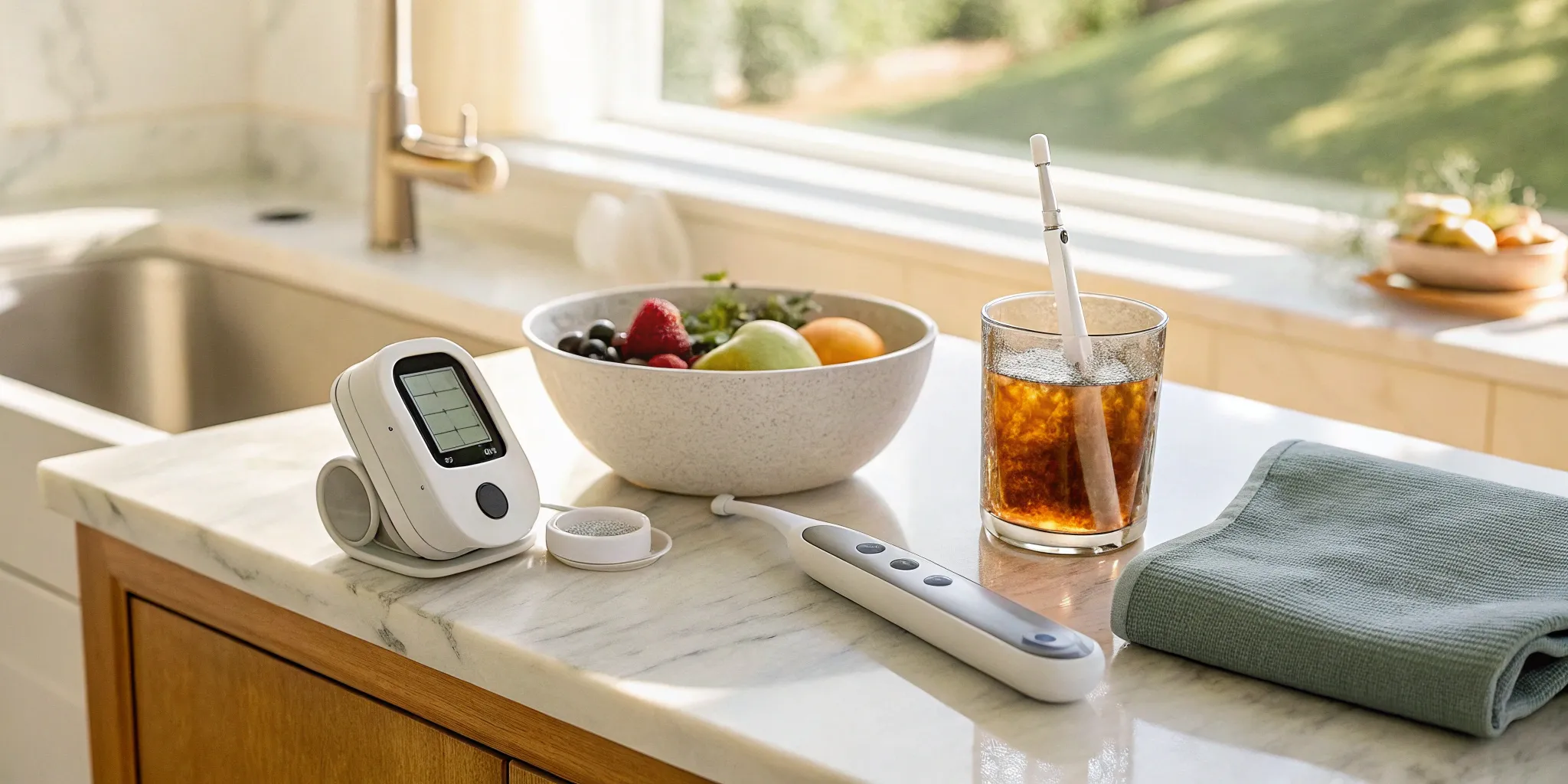
When you think about using your HSA, doctor’s visits and prescriptions are probably the first things that come to mind. But the list of eligible items is much longer and more surprising than you might expect. Did you know you can use your tax-free funds for things like sunscreen, first-aid supplies, and even menstrual products? Understanding the full scope of what’s covered can help you save money on everyday health essentials you’re already purchasing. It expands the answer to ‘hsa account what can you buy’ far beyond the doctor’s office, turning your account into a practical resource for day-to-day wellness. Let’s explore all the ways you can put your HSA to work.
Key Takeaways
- Put the Triple Tax Advantage to Work: Your HSA offers a unique financial benefit by making your contributions, investment growth, and qualified withdrawals completely tax-free, effectively lowering your healthcare costs.
- Use Your Funds for Total Well-Being: An HSA isn’t just for doctor’s visits; it covers a wide range of expenses including dental care, therapy, over-the-counter medicine, and menstrual products, giving you flexibility for your everyday health.
- Be Proactive with Your Account Management: To maximize your HSA, contribute as much as you can each year, keep organized receipts for all your spending, and review your strategy annually to ensure it aligns with your goals.
What is a Health Savings Account (HSA)?
Think of a Health Savings Account, or HSA, as a personal savings account, but with a superpower: it’s specifically for your health care costs. It’s a special account that lets you set aside money for qualified medical expenses without paying taxes on it. This is a smart way to plan for everything from routine doctor’s visits and prescriptions to unexpected medical bills. To use an HSA, you need to be enrolled in a specific type of insurance called a high-deductible health plan (HDHP), which we’ll get into next.
Unlike some other health accounts, the money in your HSA is always yours. It rolls over year after year, so you don’t have to worry about a “use it or lose it” deadline. If you change jobs, switch insurance plans, or retire, that money stays with you. Many HSAs even let you invest your funds, allowing your savings to grow over time, completely tax-free. It’s a tool designed to give you more control and confidence when it comes to managing your health and your finances, helping you prepare for both today’s needs and tomorrow’s possibilities.
Who Can Open an HSA?
Not everyone can open an HSA, but the rules are pretty straightforward. The main requirement is that you must be covered by a high-deductible health plan (HDHP). These plans typically have lower monthly premiums but require you to pay more for medical costs out-of-pocket before your insurance starts to contribute.
Beyond having an HDHP, there are a few other criteria you need to meet:
- You can’t be enrolled in Medicare.
- You can’t be claimed as a dependent on someone else’s tax return.
- You generally can’t have any other health coverage, though there are some exceptions for things like dental, vision, or disability insurance.
If you check all these boxes, you’re likely eligible to open an HSA and start saving.
The Triple Tax Advantage of an HSA
The biggest reason HSAs are so popular is their unique triple tax advantage. It’s one of the most powerful savings tools available, and it works in three key ways.
First, your contributions are tax-deductible. The money you put into your HSA can be deducted from your gross income, which lowers the amount of income you pay taxes on for the year. Second, your money grows tax-free. If you choose to invest your HSA funds, any interest or earnings your account generates are not taxed. Finally, your withdrawals are tax-free, as long as you use the money for qualified medical expenses. This combination of tax benefits at every stage—contribution, growth, and withdrawal—is what makes an HSA such an effective way to manage healthcare costs.
Your Guide to HSA-Eligible Medical Care
Once you have your Health Savings Account set up, the next step is understanding how to use it. Think of your HSA as your dedicated health fund, ready for a wide range of medical needs. The good news is that the list of HSA-qualified medical expenses is pretty extensive, covering everything from routine check-ups to unexpected emergencies. The main rule of thumb is that the expense must be for diagnosing, treating, or preventing a physical or mental illness. Let’s walk through some of the most common categories so you can feel confident putting your HSA funds to work.
Doctor’s Appointments and Hospital Stays
This is the most straightforward category. You can use your HSA to pay for co-pays, deductibles, and other costs associated with visits to your primary care doctor or specialists, like a dermatologist or cardiologist. If you need to be admitted to a hospital for a procedure, surgery, or treatment, those expenses are also covered. This includes everything from the surgeon’s fees to your hospital room and meals. It’s all about covering the costs of getting the direct medical attention you need to get well and stay healthy.
Dental Cleanings and Vision Exams
Your HSA isn’t just for traditional medical care—it’s for your whole body. That means you can use it for a wide range of dental and vision services that aren’t always covered by basic insurance. This includes routine dental cleanings, fillings, and major work like root canals or braces. For your eyes, you can pay for annual exams, prescription eyeglasses, contact lenses, and even saline solution. It’s a great way to handle those essential appointments that keep your teeth and eyes in top shape without dipping into your regular checking account.
Therapy and Mental Health Support
Taking care of your mental health is just as important as your physical health, and your HSA can be a key resource here. You can use your funds to pay for appointments with a psychologist or psychiatrist, as well as for therapy and counseling sessions. This coverage makes it easier to access consistent mental health services and prioritize your well-being. Even some less traditional treatments, like acupuncture, can be eligible if they are recommended for a specific medical condition.
Annual Physicals and Preventive Screenings
One of the smartest ways to manage your health is to stay on top of it with preventive care. Your HSA can be used to cover the costs of annual physicals, health screenings, and immunizations. These appointments are designed to catch potential issues early or prevent them altogether. Using your HSA for preventive care is a proactive way to invest in your long-term health, ensuring you can handle the costs of staying ahead of any problems down the road.
Emergency Room Visits and Ambulance Services
Life is unpredictable, and medical emergencies can happen when you least expect them. In these stressful situations, the last thing you want to worry about is the cost. Your HSA can provide a crucial financial cushion, as it covers expenses for emergency room visits and ambulance transportation. Knowing you have dedicated, tax-free funds set aside for these urgent needs can offer significant peace of mind, allowing you to focus on getting the care you need without hesitation.
Covering Medications and Medical Supplies
Your HSA is a powerful tool for more than just covering doctor’s visits. Think about your medicine cabinet and first-aid kit—many of those everyday health essentials can be purchased with your tax-free HSA funds. From the prescription you pick up monthly to the cold medicine you grab when you’re feeling under the weather, your HSA is there to make managing your health more affordable. This flexibility is key to taking control of your healthcare spending. It allows you to be prepared for minor scrapes, seasonal allergies, and everything in between without dipping into your regular budget.
Understanding what qualifies can feel like a lot, but it’s simpler than you think. The general rule is that items intended to diagnose, treat, or prevent a medical condition are usually covered. This opens up a wide range of possibilities, from bandages and blood pressure monitors to contact lens solution and crutches. By using your HSA for these purchases, you’re essentially getting a discount equal to your tax rate. Let’s walk through the specific medications and medical supplies you can buy with your HSA, so you can feel confident you’re making the most of every dollar.
Prescription Drugs
This is one of the most common and straightforward uses for your HSA. Any medication prescribed by your doctor—whether it’s a one-time antibiotic, daily blood pressure medicine, or birth control—is an eligible expense. Simply use your HSA debit card at the pharmacy checkout just as you would any other card. This also includes refills and even insulin. Keeping your prescriptions filled is a critical part of managing your health, and your HSA is designed to make that easier on your wallet. You can find a detailed list of qualified medical expenses directly from the IRS to see the full scope of what’s covered.
Over-the-Counter Medicine
A few years ago, the rules changed to make HSAs even more useful for everyday needs. You can now buy over-the-counter (OTC) medications with your HSA funds without needing a prescription from your doctor. This is a huge convenience. Think about things like pain relievers, allergy pills, cold and flu remedies, antacids, and cough syrup. The next time you’re at the drugstore stocking up on these essentials, you can use your HSA card and save. This change makes it much simpler to handle minor health issues as they pop up, giving you more control over your day-to-day wellness.
Medical Equipment for Your Home
Your HSA can also cover a wide range of medical equipment to help you manage your health at home. This includes items that aid mobility, like crutches, walkers, and wheelchairs. It also covers diagnostic tools and hearing aids. If you need specific equipment to recover from an injury or manage a chronic condition, there’s a good chance it’s an eligible expense. This support is crucial for maintaining independence and quality of life. Before making a large purchase, it’s always a good idea to check if it’s on a list of HSA-eligible items to be sure.
Band-Aids and First-Aid Kits
It’s time to restock your first-aid kit, and your HSA is ready to help. You can use your funds to purchase all the basics for handling minor cuts, scrapes, and burns. This includes bandages of all shapes and sizes, antiseptic wipes, medical tape, and antibiotic ointments. But it doesn’t stop there. Other practical items like thermometers, hot and cold packs, and even sunscreens with an SPF of 15 or higher are also covered. Being prepared for life’s little accidents is a smart health move, and your HSA makes it more affordable to keep your kit well-stocked and ready for anything.
Blood Pressure Monitors and Health Devices
For anyone actively monitoring their health or managing a condition, an HSA is incredibly valuable. You can use it to purchase at-home health devices that help you and your doctor track your progress. This includes blood pressure monitors, blood sugar monitors and test strips, and cholesterol testing devices. It also covers supplies for conditions like sleep apnea, such as CPAP machines and accessories. These tools empower you to take a more active role in your own healthcare, providing important data that can lead to better outcomes. Using your HSA for these devices makes proactive health management more accessible.
Can You Use Your HSA for Personal Care?
Navigating what your Health Savings Account (HSA) covers can feel tricky, especially when it comes to personal care. The line between a general wellness product and a medical necessity isn’t always clear. The simple rule of thumb is this: if an item treats, prevents, or diagnoses a medical condition, there’s a good chance you can use your HSA funds for it. This opens up a surprising range of possibilities beyond the pharmacy counter.
Think about items like medicated acne treatments, sunscreen with a high SPF, or even contact lens solution. These products serve a distinct medical purpose, making them eligible. On the other hand, things like regular makeup, toothpaste, or shampoo are generally considered for cosmetic or general hygiene purposes and aren’t covered. Understanding this distinction is key to using your account confidently. We’ll break down what qualifies, from everyday essentials like menstrual products to items that might require a note from your doctor.
What Personal Care Items Qualify?
Your HSA is designed to help you pay for a wide range of medical, dental, and vision expenses for yourself, your spouse, and your dependents. This includes many personal care items you might already be buying. The key is that the product must address a specific health need. For example, sunscreen is eligible because it prevents skin cancer, and medicated lip balm is covered because it treats conditions like cold sores. Other HSA-qualified expenses include things like contact lens solution, first-aid supplies, and acne treatments. It’s all about connecting the product back to your health and well-being.
Menstrual Cups, Tampons, and Pads
Yes, you can absolutely use your HSA to buy menstrual products. Thanks to recent changes in regulations, items like tampons, pads, liners, menstrual cups, and period underwear are all considered eligible medical expenses. This is a significant and welcome update, as it formally recognizes that menstrual health is an essential part of overall personal care. You no longer need a prescription to purchase these items with your tax-free funds. This makes managing your period more affordable and acknowledges these products as the necessities they are, allowing you to stock up without paying out of pocket.
Items Needing a Letter of Medical Necessity
What about items that aren’t on the standard eligibility list? For these, a Letter of Medical Necessity (LOMN) can be incredibly helpful. An LOMN is a formal letter from your doctor explaining why a specific product or service is necessary to treat a medical condition you have. For example, if your doctor recommends a specific type of mattress to help with chronic back pain or an air purifier for severe asthma, an LOMN can make that purchase HSA-eligible. This letter essentially serves as proof that the expense is for medical care, not just for general comfort or convenience.
When You Need a Prescription
It used to be that you needed a doctor’s prescription to buy over-the-counter (OTC) medicines with your HSA funds. Thankfully, that rule changed. As of 2020, you can purchase many common OTC products without a prescription. This includes everyday essentials like pain relievers, allergy pills, cold and cough syrup, and heartburn medication. This change makes it much more convenient to use your HSA for minor health issues that don’t require a trip to the doctor. It simplifies the process, letting you use your HSA card at the pharmacy just like you would a debit card.
What Isn’t Covered by Your HSA?
HSAs are incredibly flexible, but they aren’t a free-for-all. The IRS has a clear definition of a “qualified medical expense,” and some common purchases just don’t make the cut. Knowing what isn’t covered is just as important as knowing what is—it helps you avoid tax penalties and make the most of your health savings. Think of it as setting clear boundaries for your account so you can use it with confidence. From everyday toiletries to your monthly health insurance bill, let’s walk through the expenses you’ll need to pay for out-of-pocket. This clarity ensures you’re always using your funds correctly and getting the full tax-free benefit you deserve.
A Look at Ineligible Expenses
So, what’s off-limits? Generally, anything that’s for your general health or personal well-being rather than for diagnosing, treating, or preventing a specific medical condition won’t qualify. This includes things like non-prescription vitamins, gym memberships for general fitness, and cosmetic procedures. The IRS provides a comprehensive list, but a good rule of thumb is to ask yourself: “Am I buying this to address a specific health problem?” If the answer is no, it’s likely not an HSA-eligible expense. Keeping this question in mind can help you make smart spending decisions on the spot.
Clearing Up Common HSA Myths
It’s easy to assume that anything you buy at a pharmacy would be covered, but that’s a common myth. Everyday personal hygiene items like toothpaste, deodorant, and soap are not eligible because they’re considered general wellness products, not medical treatments. The same goes for nutritional supplements or vitamins you take to maintain your overall health. While these items are essential for your well-being, the IRS doesn’t view them as direct medical care, so you’ll have to pay for them with non-HSA funds. This distinction helps keep the purpose of the HSA focused squarely on medical costs.
Paying for Insurance Premiums
This is a big one: you generally cannot use your HSA funds to pay for your health insurance premiums. It seems counterintuitive, but the rules are quite specific. Your monthly premium is considered a predictable cost of having insurance, not a direct medical expense. However, there are a few important exceptions. You can use your HSA to pay for COBRA coverage, long-term care insurance, or health plan premiums while you’re receiving unemployment benefits. For most people on an employer-sponsored plan, though, premiums are an out-of-pocket cost.
General Wellness vs. Medical Care
The line between general wellness and medical care can feel blurry, but for the IRS, it’s pretty firm. A gym membership to stay fit, for example, is not a qualified expense. However, if your doctor writes a Letter of Medical Necessity prescribing specific exercises to treat a diagnosed condition like obesity or hypertension, that membership could become eligible. The same logic applies to vitamins. If you’re taking Vitamin C for general immune support, it’s not covered. If your doctor prescribes iron supplements for anemia, it is. The key is the direct link to treating a medical issue.
Cosmetic Surgery and Procedures
Procedures intended to improve your appearance are typically not covered by your HSA. This includes things like teeth whitening, hair removal, and most plastic surgery. The IRS makes a clear distinction between cosmetic and reconstructive procedures. If you undergo surgery to fix a deformity resulting from an accident, trauma, or a congenital abnormality, it’s considered a qualified medical expense. But if the procedure is purely for aesthetic reasons, you’ll need to pay for it with another source of funds.
How to Keep Your HSA Records Straight
Using your Health Savings Account is a fantastic way to manage your medical costs, but it comes with one important responsibility: keeping good records. Think of it less as a chore and more as a way to stay in control of your health finances. The IRS has specific guidelines for HSAs, and having your records in order ensures you’re always prepared and can confidently use your funds. It protects you in case of an audit and helps you track your spending so you can make the most of every dollar.
Keeping your records straight is simpler than it sounds. It’s all about creating a system that works for you. Whether you’re a digital-first person or prefer physical copies, a little organization goes a long way. We’ll walk through the key things you need to know, from understanding the rules to tracking your spending and handling reimbursements. With a clear process, you can use your HSA with peace of mind.
Understanding the IRS Rules
The foundation of managing your HSA is knowing what you can spend your money on. The IRS defines what counts as a qualified medical expense, and these are the only costs you can cover with your tax-free HSA funds. This includes everything from doctor’s visits and prescriptions to dental care and medical equipment. Sticking to this list is crucial for keeping your account in good standing. If you use your HSA for a non-qualified expense, you could face taxes and a penalty on the amount you spent, so it’s always best to be sure.
Why You Should Keep Your Receipts
While you don’t have to submit receipts every time you use your HSA, you absolutely should keep them. The IRS can ask you to prove that your spending was for qualified medical expenses, and your itemized receipts are your evidence. If you can’t provide proof during an audit, you may have to pay income tax and a penalty on those purchases. Create a simple system for saving your receipts—a dedicated folder on your computer, a cloud storage drive, or even a physical envelope. The key is to have them organized and accessible just in case you ever need them.
Tools to Track Your Spending
Most HSA providers make it easy to pay for eligible items by giving you a debit card linked directly to your account. This is often the simplest way to pay, as it pulls funds directly from your HSA. Many providers also offer online portals or mobile apps where you can see your transaction history, check your balance, and sometimes even upload receipts. Before making a purchase you’re unsure about, it’s a great idea to check with your HSA provider to confirm it qualifies. This little bit of prep can save you a lot of trouble later.
Getting a Letter of Medical Necessity
What if you need something that isn’t on the standard list of eligible items? This is where a Letter of Medical Necessity (LOMN) comes in. An LOMN is a formal letter from your doctor explaining why a specific product or service is necessary to treat a medical condition. For example, your doctor might recommend an air purifier for your asthma or special ergonomic equipment for chronic back pain. With an LOMN, these items can become HSA-eligible. Just be sure to keep the letter with the receipt for that purchase in your records.
How to Reimburse Yourself Correctly
Sometimes, you might find yourself in a situation where you can’t use your HSA debit card—maybe the provider doesn’t accept it, or you simply forgot it at home. In these cases, you can pay out-of-pocket and pay yourself back from your HSA later. This process is called reimbursement. All you need to do is keep your itemized receipt, then submit a request to your HSA provider. They will transfer the funds to your personal bank account. One of the best parts about HSAs is that there’s no deadline to reimburse yourself, so you can do it weeks, months, or even years later.
How to Get the Most Out of Your HSA
Think of your Health Savings Account as more than just a place to stash cash for doctor’s visits. It’s a powerful tool for managing your health expenses, both now and in the future. With a little planning, you can make sure you’re using it to its full potential. An HSA works best when you have a clear strategy for contributing, spending, and tracking your funds. It’s all about being proactive with your health and your finances, giving you the confidence to handle whatever comes your way. Let’s walk through a few simple, actionable steps to help you make your HSA work harder for you, so you can focus on what really matters: your well-being.
Plan Your Medical Spending
One of the simplest habits you can build is to keep good records. It might sound tedious, but it’s your best defense if you ever need to prove an expense was eligible. Always save your receipts, Explanation of Benefits (EOB) forms from your insurer, and any prescriptions or doctor’s notes related to a purchase. You can tuck them into a physical folder or snap photos and save them in a dedicated digital folder. This paper trail is essential for confirming your spending aligns with the list of HSA-eligible expenses and gives you peace of mind if the IRS ever has questions about your account.
Decide How Much to Contribute
To truly maximize your HSA, aim to contribute as much as you comfortably can, up to the annual limit set by the IRS. These limits change periodically, so it’s a good idea to check them each year. By contributing the maximum, you lower your taxable income for the year while building a health fund that grows tax-free. This strategy helps you save on healthcare costs today and prepares you for the future, especially since medical expenses tend to increase over time. Even if you can’t max it out, contributing consistently makes a huge difference.
Simple Tips for Managing Your Account
Staying on top of your HSA doesn’t have to be complicated. Most providers give you a debit card linked to your account, which makes paying for eligible items at the pharmacy or doctor’s office incredibly easy. Get into the habit of checking your account balance and reviewing your expenses regularly, just like you would with a checking account. Many HSA providers offer online portals or mobile apps to help you track everything in one place. This simple check-in helps you monitor your spending, watch your savings grow, and stay in control of your health finances.
Review Your Strategy Annually
Your health needs and financial situation can change from year to year, so your HSA strategy should, too. Set aside time once a year—perhaps during your employer’s open enrollment period—to review your plan. Check the details of your High-Deductible Health Plan (HDHP) and look up the latest IRS guidelines for contribution limits and qualified medical expenses. This annual review ensures your contributions still make sense for your budget and that you’re staying up-to-date on which purchases are covered, keeping your approach smart and effective.
What About Special Circumstances?
Your HSA is a flexible tool, and its benefits often extend beyond the obvious doctor visits and prescriptions. Life is full of unique situations, and your health needs can change in unexpected ways. From modifying your home for medical reasons to covering care for your family members, your HSA can support you. Understanding these special cases helps you use your account with confidence, ensuring you’re prepared for whatever comes your way. Let’s look at a few common scenarios that you might not realize are covered.
Home Upgrades for Medical Reasons
If you need to make improvements to your home for medical reasons, your HSA can help cover the cost. The key is that the main purpose of the upgrade must be for medical care. This could include installing ramps for wheelchair access, adding grab bars in the bathroom to prevent falls, or even purchasing special air purifiers to alleviate severe respiratory conditions. These are considered capital expenses for medical care and are eligible for reimbursement, making your home a safer and more accessible space to manage your health.
Using Your HSA for Dependents
One of the best features of an HSA is that it’s not just for you. You can use your HSA funds to pay for qualified medical expenses for your spouse and any dependents you claim on your tax return. This makes it a powerful tool for managing your entire family’s healthcare costs from a single, tax-advantaged account. The IRS has specific rules for who qualifies as a dependent for tax purposes, so it’s always a good idea to confirm who is covered under your plan.
The Exceptions for Paying Premiums
Generally, you can’t use your HSA to pay for health insurance premiums. However, there are a few important exceptions to this rule. You can use your HSA funds to pay for long-term care insurance, COBRA continuation coverage, or healthcare coverage you receive while on unemployment. Additionally, once you are 65 or older, you can use your HSA to pay for Medicare premiums and other health coverage. These specific exceptions provide a critical financial safety net during major life transitions, like a job change or retirement.
Covering Medical Care Abroad
Planning a trip? Your HSA can travel with you. In many cases, you can use your account to pay for qualified medical care you receive in another country. This includes everything from doctor visits and hospital stays to prescription medications you need while you’re away. Before you go, it’s smart to check with your HSA provider to confirm the details and understand any documentation you might need to submit for reimbursement. This simple step ensures you can handle any unexpected medical needs without worrying about the cost.
Frequently Asked Questions
What happens to the money in my HSA if I don’t spend it by the end of the year? Unlike some other health accounts, your HSA funds are always yours. There’s no “use it or lose it” rule, so your entire balance rolls over from one year to the next. This allows you to build a health safety net over time, and the money stays with you even if you change jobs, switch insurance plans, or retire.
Can I use my HSA to pay for my spouse’s or children’s medical bills? Yes, you absolutely can. Your HSA is designed to cover qualified medical expenses for yourself, your spouse, and any dependents you claim on your tax return. This makes it a powerful tool for managing your entire family’s healthcare costs from a single, tax-advantaged account.
What if I accidentally use my HSA card for a non-medical purchase, like groceries? Mistakes happen, and the best thing to do is correct it as soon as you realize it. You should contact your HSA administrator and explain the situation. They can help you return the funds to your account. If you don’t fix the error, that amount will be treated as taxable income and may be subject to a penalty.
Do I lose my HSA if I switch to a health plan that isn’t a high-deductible plan? No, you will never lose the money in your HSA. While you can only contribute to an HSA when you are actively enrolled in a qualified high-deductible health plan (HDHP), the funds you’ve already saved are yours to keep. You can continue to use that money for eligible medical expenses tax-free, no matter what kind of health insurance you have in the future.
Can I pay for a medical bill from last year with my HSA funds today? Yes, you can. As long as the medical expense happened after you officially opened your HSA, you can pay yourself back for it at any time. There is no deadline for reimbursement. This means you can pay for a bill out-of-pocket and then reimburse yourself from your HSA months or even years later, just be sure to keep the receipt as proof of the expense.