
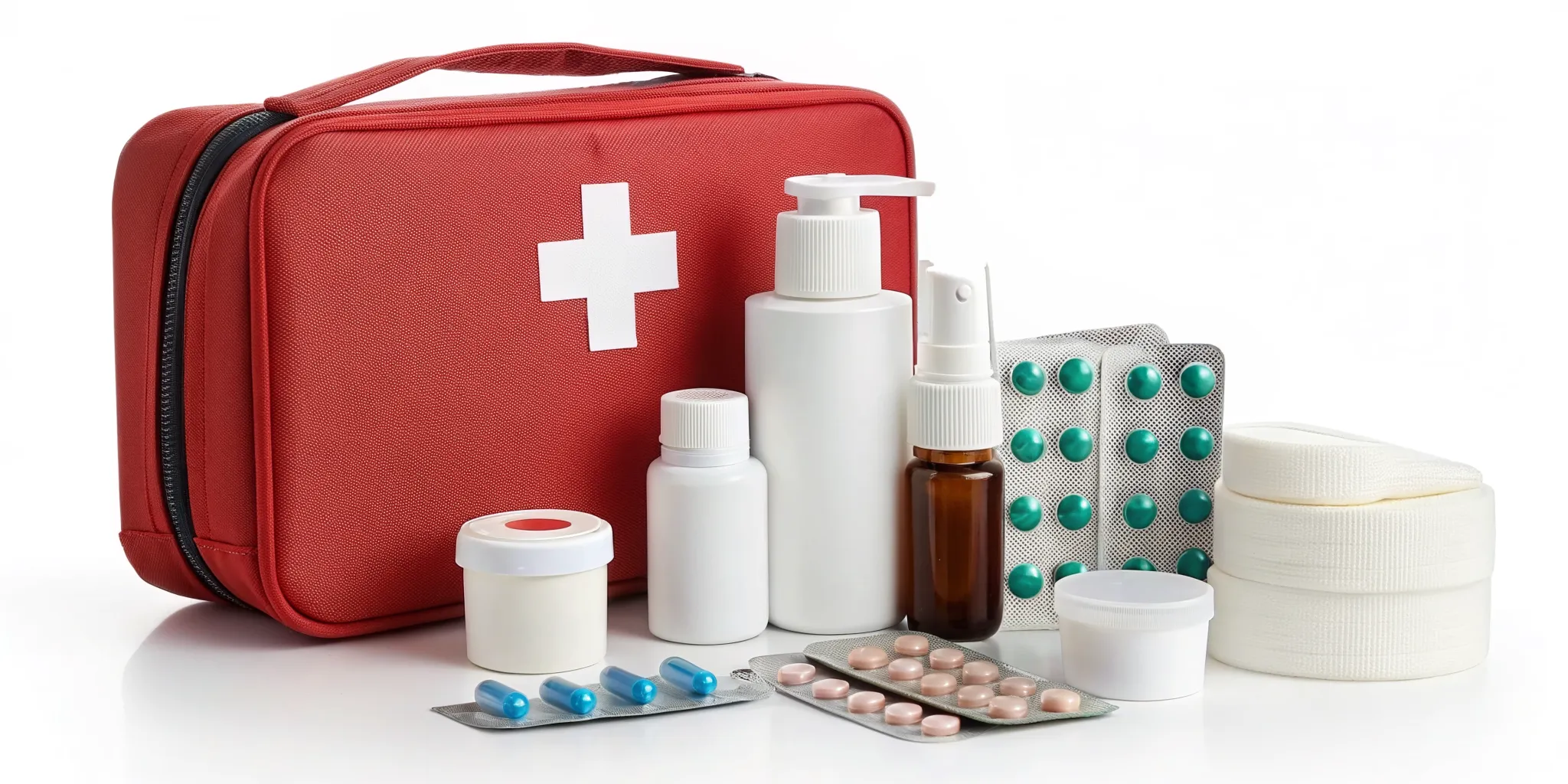
Did you know your FSA or HSA card can buy more than just prescriptions and co-pays? Many people are surprised to learn their tax-free health funds can cover everything from acne treatments and sunscreen to high-tech gadgets like smart thermometers and even menstrual care products. These accounts are far more flexible than most people realize, but the rules can seem complicated. This can make you hesitant to use your card for anything beyond the pharmacy counter. We’re here to change that. We’ll walk you through some of the most unexpected items you can buy and point you toward retailers that simplify the process by creating sections for fsa hsa eligible products only, so you can shop without the guesswork.
Key Takeaways
- Match your account to your financial goals: Use an FSA for predictable, short-term health expenses you know you’ll have within the year. Choose an HSA if you have a high-deductible plan and want a long-term savings tool that rolls over and grows with you.
- Think beyond the pharmacy counter: Your pre-tax dollars can cover a wide range of everyday health products, including sunscreen, first-aid supplies, acne treatments, and menstrual care items, making routine purchases more affordable.
- Plan your spending to avoid losing funds: If you have an FSA, be mindful of the “use it or lose it” rule. Take inventory of your health supplies and stock up on essentials before your plan year ends to make sure no money is left behind.
FSA vs. HSA: What’s the Difference?
At first glance, Flexible Spending Accounts (FSAs) and Health Savings Accounts (HSAs) seem pretty similar. Both are special savings accounts that let you set aside money for healthcare expenses before taxes are taken out, which is a fantastic way to save. But they have some key differences in how they work, who can get them, and what happens to your money at the end of the year. Understanding these distinctions is the first step to making your healthcare dollars work smarter for you, not harder. Think of an FSA as a great tool for predictable, short-term costs you know you’ll have within the year, while an HSA is more like a long-term health investment account that can grow with you.
Choosing between them, or figuring out how to use the one you have, depends entirely on your personal health needs and financial goals. One isn’t universally “better” than the other; they just serve different purposes. An FSA can be perfect for covering co-pays and dependent care expenses you anticipate, while an HSA offers incredible flexibility and long-term growth potential for future medical needs, even into retirement. Getting clear on how each account functions will help you feel more confident and in control of your health spending.
The Key Distinctions You Should Know
The biggest difference to remember is how the funds are handled each year. An FSA generally operates on a “use it or lose it” basis, meaning you need to spend most of the money by the end of your plan year. An HSA, on the other hand, is all yours. The money rolls over indefinitely and can even be invested, growing tax-free over time. To open an HSA, you must be enrolled in a high-deductible health plan (HDHP). FSAs are typically offered by employers with various types of health plans. Plus, you own your HSA and can take it with you if you switch jobs, while an FSA is tied to your employer.
How These Accounts Save You Money on Healthcare
The magic of both FSAs and HSAs lies in their tax advantages. You contribute to these accounts with pre-tax dollars, which lowers your overall taxable income for the year. It’s like getting an instant discount on all your qualified health purchases. When you use your FSA or HSA card to pay for a doctor’s visit, prescription, or even a bottle of sunscreen, you’re using money that was never taxed. The list of eligible expenses is surprisingly long and covers many everyday health needs. For HSAs, there’s even a third tax benefit: any interest or investment earnings your account generates are also completely tax-free, making it a powerful tool for future medical costs.
Surprising Things You Can Buy With Your FSA or HSA
If you think your Flexible Spending Account (FSA) or Health Savings Account (HSA) is just for doctor’s visit co-pays and prescriptions, you might be leaving money on the table. These powerful accounts are designed to cover a huge range of health and wellness expenses, many of which are probably already in your shopping cart. Using your pre-tax dollars for these items is a smart way to care for yourself and your family while saving money.
Recent changes have expanded the list of eligible products even further, making it easier than ever to use your funds for everyday needs. From skincare essentials to high-tech health gadgets, let’s look at some of the most unexpected items you can buy with your FSA or HSA card.
Everyday Health Items You Didn’t Know Were Covered
You don’t need to wait for a major medical expense to use your health account. Many over-the-counter products you use regularly are eligible. Think about your daily routine or what’s in your medicine cabinet: items like sunscreen (SPF 15+), acne treatments, and medicated lip balm all qualify. First-aid supplies are also covered, so you can stock up on bandages, antiseptic wipes, and pain relievers like ibuprofen or acetaminophen.
Even items for more specific needs, such as contact lens solution, allergy pills, and motion sickness bands, are on the list. Exploring the full range of FSA-eligible items can help you make the most of your pre-tax dollars on things you’re already buying.
Tech and Gadgets for Your Well-being
Your health account can also help you invest in modern tools that put you in control of your well-being. Many health-related gadgets are eligible, giving you a smarter way to monitor your body and manage your health from home. This includes devices like blood pressure monitors, smart thermometers, and pulse oximeters.
Beyond monitoring, you can also find items for therapeutic care. Acupressure mats, light therapy lamps for seasonal affective disorder (SAD), and massage guns for muscle pain are often covered. While some high-tech items may require a Letter of Medical Necessity from your doctor, the list of approved digital health tools is growing, making proactive health management more accessible.
Feminine Care and Family Planning Products
Thanks to the CARES Act, a wide range of feminine care and family planning products are now permanently eligible for purchase with FSA and HSA funds. This was a huge step forward, allowing you to use pre-tax dollars for essential items like tampons, pads, menstrual cups, and liners. This change recognizes these products as necessary medical expenses, making them more affordable.
The eligibility extends to family planning as well. You can use your account to buy pregnancy tests, ovulation kits, prenatal vitamins, and contraceptives. This makes it easier to manage your reproductive health journey, whether you are planning a family or focusing on personal care.
Unexpected (but Totally Eligible) Items
Ready for a few more surprises? Your FSA or HSA can cover some expenses you’d never expect. For example, if you need specialized footwear, orthopedic shoe inserts and arch supports are eligible. For new parents, baby essentials like nasal aspirators, baby sunscreen, and diaper rash creams are often covered. Even certain home health improvements, like installing grab bars in a bathroom, can qualify with a doctor’s note.
Some of the most unusual eligible expenses might require a Letter of Medical Necessity, but it’s always worth checking. From smoking cessation programs to lead-based paint removal, these accounts are more flexible than most people realize. Always check with your plan administrator if you’re unsure about an item.
Where to Shop with Your FSA or HSA Card
Once you know what you want to buy, the next question is where to spend your funds. Thankfully, it’s easier than ever to use your FSA or HSA card. Many retailers have simplified the process, clearly marking eligible items and even creating dedicated online storefronts. This means you can confidently shop for your health needs, whether you prefer browsing online from your couch or heading to a physical store. From major online marketplaces to your neighborhood pharmacy, you have plenty of convenient options to choose from.
Online Retailers with Dedicated FSA/HSA Stores
For ultimate convenience, online shopping is a great way to use your health savings. Many e-commerce sites have streamlined the experience, so you don’t have to guess what’s covered. For example, Amazon has a special store where you can buy thousands of health products with your card.
There are also websites dedicated entirely to these accounts. FSA Store® is a popular one-stop shop for buying FSA eligible products, offering a huge range of items that are guaranteed to be approved. These sites take the guesswork out of shopping and help you discover new products you might not have realized were covered.
Your Local Pharmacy and Drugstore
Sometimes you need something right away, and that’s when your local pharmacy or drugstore comes in handy. Retailers like Walgreens and CVS are well-stocked with eligible items, making it easy to grab what you need on the go. Walgreens, for instance, sells many items you can buy with your FSA or HSA card, often labeling them on the shelves for quick identification. This is perfect for picking up prescriptions, over-the-counter medications, first-aid supplies, and other health essentials without having to wait for shipping. It’s a straightforward way to use your funds for immediate health needs.
Grocery Stores and Big-Box Retailers
You can also use your FSA or HSA funds while doing your regular shopping. Many grocery stores and big-box retailers like Target and Walmart have integrated eligible products into their health and wellness aisles. This means you can buy everyday health items like sunscreen, pain relievers, and contact lens solution at the same time you’re picking up groceries or household goods. It’s an efficient way to manage your health expenses without making a separate trip. Just look for signs indicating eligibility or check with the store’s app to confirm which products are covered.
How to Double-Check if an Item Is Eligible
While retailers do a good job of flagging eligible products, it’s always a smart idea to do your own due diligence. Store policies can sometimes differ from official guidelines. Even Amazon advises that you should always confirm if an item is truly eligible with the IRS or your health plan administrator.
Knowing what qualifies as an FSA-eligible expense helps you use your funds wisely and avoid any reimbursement issues down the road. If you’re ever unsure about a purchase, the safest bet is to check your plan’s official documentation or contact your provider directly. A quick check can give you peace of mind and ensure you’re making the most of your account.
Common FSA and HSA Myths, Busted
Flexible Spending Accounts (FSAs) and Health Savings Accounts (HSAs) are fantastic tools for managing healthcare costs, but they can also be a source of confusion. Misinformation can keep you from taking full advantage of your tax-free funds. Let’s clear the air and tackle some of the most common myths head-on so you can spend your money with confidence.
Myth: You can only buy prescriptions.
This is one of the biggest misconceptions out there. While your prescription medications are definitely covered, the list of eligible items goes way beyond the pharmacy counter. You can use your FSA or HSA funds for a huge range of over-the-counter products, from pain relievers and allergy medicine to first-aid kits and sunscreen. The scope also includes medical services like co-pays for doctor’s visits, dental work, and eye exams. The IRS maintains a surprisingly long list of eligible medical expenses, so it’s always worth checking if a product or service qualifies.
Myth: If it’s a health product, it’s covered.
It’s easy to assume that anything promoting health and wellness is eligible, but that’s not quite how it works. For an item to be covered, it generally needs to treat or prevent a specific medical condition. This means things for general wellness, like vitamins, supplements, or a gym membership, usually don’t qualify unless your doctor provides a Letter of Medical Necessity. The same goes for cosmetic procedures. So, while that fancy moisturizer might be great for your skin, it likely won’t be covered unless it’s medicated and prescribed to treat a condition like eczema.
Myth: The rules for FSAs and HSAs are the same.
While they both help you save on healthcare with pre-tax dollars, FSAs and HSAs are very different. The most critical distinction is how the funds are managed year to year. FSAs typically have a “use it or lose it” rule, meaning you must spend most of the money by the end of the plan year. HSAs, on the other hand, are yours to keep. The balance rolls over indefinitely, and you can even invest the funds, making it a powerful tool for long-term health savings. Think of an FSA as a short-term savings plan and an HSA as a long-term investment in your health.
Myth: You can’t use the funds for your family.
Great news: these accounts aren’t just for you. You can absolutely use your FSA or HSA funds to pay for qualified medical expenses for your spouse and your dependents. This includes your children, stepchildren, and any other relatives you claim on your tax return. This makes these accounts incredibly valuable for families, allowing you to cover everything from your child’s braces to your spouse’s prescription glasses with tax-free money. Just be sure you understand the IRS definition of an eligible dependent to ensure you’re following the rules.
How to Get the Most from Your FSA or HSA
Having an FSA or HSA is a fantastic way to save on healthcare costs, but knowing how to manage your account is key to making every dollar count. With a little planning, you can confidently use your pre-tax funds for a wide range of health and wellness needs. These accounts are designed to make healthcare more affordable, so let’s walk through how you can make yours work best for you. From simple tools that streamline shopping to understanding the rules around your funds, a few smart strategies can make a big difference.
Apps and Tools to Manage Your Account
Keeping track of your FSA or HSA balance and transactions doesn’t have to be a chore. Most account providers offer a mobile app or online portal where you can check your balance, review expenses, and submit claims on the go. For even easier shopping, you can add your FSA or HSA card directly to your favorite online stores. For example, the Amazon FSA Store lets you link your card to your account, making it simple to purchase eligible items with just a click. This takes the guesswork out of shopping and helps you see exactly what’s covered without having to cross-reference lists or save receipts for reimbursement later.
Smart Ways to Plan Your Year-End Spending
If you have an FSA, planning your year-end spending is especially important. Since these funds often expire at the end of the plan year, you’ll want to use them before you lose them. Start by taking inventory of your medicine cabinet and first-aid kits. Think about any upcoming appointments or health needs for you and your family. To make your dollars go further, consider store-brand products, which often provide the same quality at a lower price. Many retailers even offer a satisfaction guarantee on their own brands, so you can stock up on essentials with confidence as the deadline approaches.
Understanding “Use It or Lose It” vs. Rollover Rules
One of the biggest differences between an FSA and an HSA is what happens to your money at the end of the year. FSAs are designed for more immediate healthcare expenses and generally follow a “use it or lose it” rule. This means you must spend most of your funds by the deadline. Some employers offer a grace period or allow a small amount to carry over, but it’s not guaranteed. In contrast, HSA funds roll over annually without penalty. This allows your HSA to grow over time, functioning as a long-term savings tool for future health expenses that you own and can take with you even if you change jobs.
How to Stay Current on Eligibility Guidelines
The list of eligible expenses for FSAs and HSAs is determined by the IRS and can change from year to year. Staying informed helps you make the most of your account. For instance, the CARES Act permanently expanded the list to include over-the-counter medications without a prescription, as well as menstrual care products. Your account provider’s website is a great resource for the most up-to-date guidelines. You can also browse dedicated online FSA or HSA stores, which only sell eligible products. This is an easy way to discover all the surprising items eligible for FSA spending.
Related Articles
- FSA vs. HSA: What’s the Difference in 2025?
- 24 FSA & HSA Eligible Expenses You Didn’t Know About (2025)
- Where to Spend FSA HSA: A Smart Shopper’s Guide
- FSA and HSA Eligibility: Who Qualifies & Key Rules
- FSA Account vs HSA: Which One Should You Choose?
Frequently Asked Questions
Which account is better for me, an FSA or an HSA? The best choice really depends on your health plan and financial goals. An FSA is a great option if you have predictable medical expenses throughout the year and want to save on things like co-pays, prescriptions, or dependent care. Think of it as a short-term savings plan. An HSA is ideal if you have a high-deductible health plan (HDHP) and want a long-term savings tool. Since the money rolls over and can be invested, it’s perfect for building a nest egg for future health costs, even into retirement.
Do I always need a doctor’s note for my purchases? Not usually. Thanks to recent changes, you no longer need a prescription for most over-the-counter medicines like pain relievers or allergy pills. However, you might need what’s called a Letter of Medical Necessity from your doctor for items that are for general health rather than treating a specific condition. This could apply to things like vitamins, supplements, or a massage gun if your doctor recommends it to treat a diagnosed issue like chronic back pain.
What happens if I accidentally buy something that isn’t eligible with my FSA or HSA card? It happens, so don’t worry. If you mistakenly purchase an ineligible item, your plan administrator will likely contact you to resolve it. Typically, you’ll need to pay the account back using your personal funds. Another option might be to submit a receipt for an eligible expense of the same amount to offset the incorrect purchase. The best first step is to contact your plan administrator directly to ask about their specific process.
I have an FSA. What are some smart ways to spend my remaining funds before the deadline? The end of the year is a perfect time to take stock of your health supplies. You can replenish your first-aid kit, stock up on sunscreen for the whole family, or buy everyday essentials like pain relievers and contact lens solution. It’s also a great opportunity to schedule appointments you may have been putting off, like a dental cleaning or an eye exam, and use the funds for any associated costs or new prescription glasses.
Can I have both an FSA and an HSA at the same time? Generally, you cannot contribute to both a standard FSA and an HSA in the same year. The IRS rules are pretty strict on this. However, there is an exception. Some employers offer a “limited-purpose” FSA (LPFSA) that can be used alongside an HSA. This type of FSA is restricted to covering only eligible dental and vision expenses, which allows you to save your HSA funds for other medical costs.