
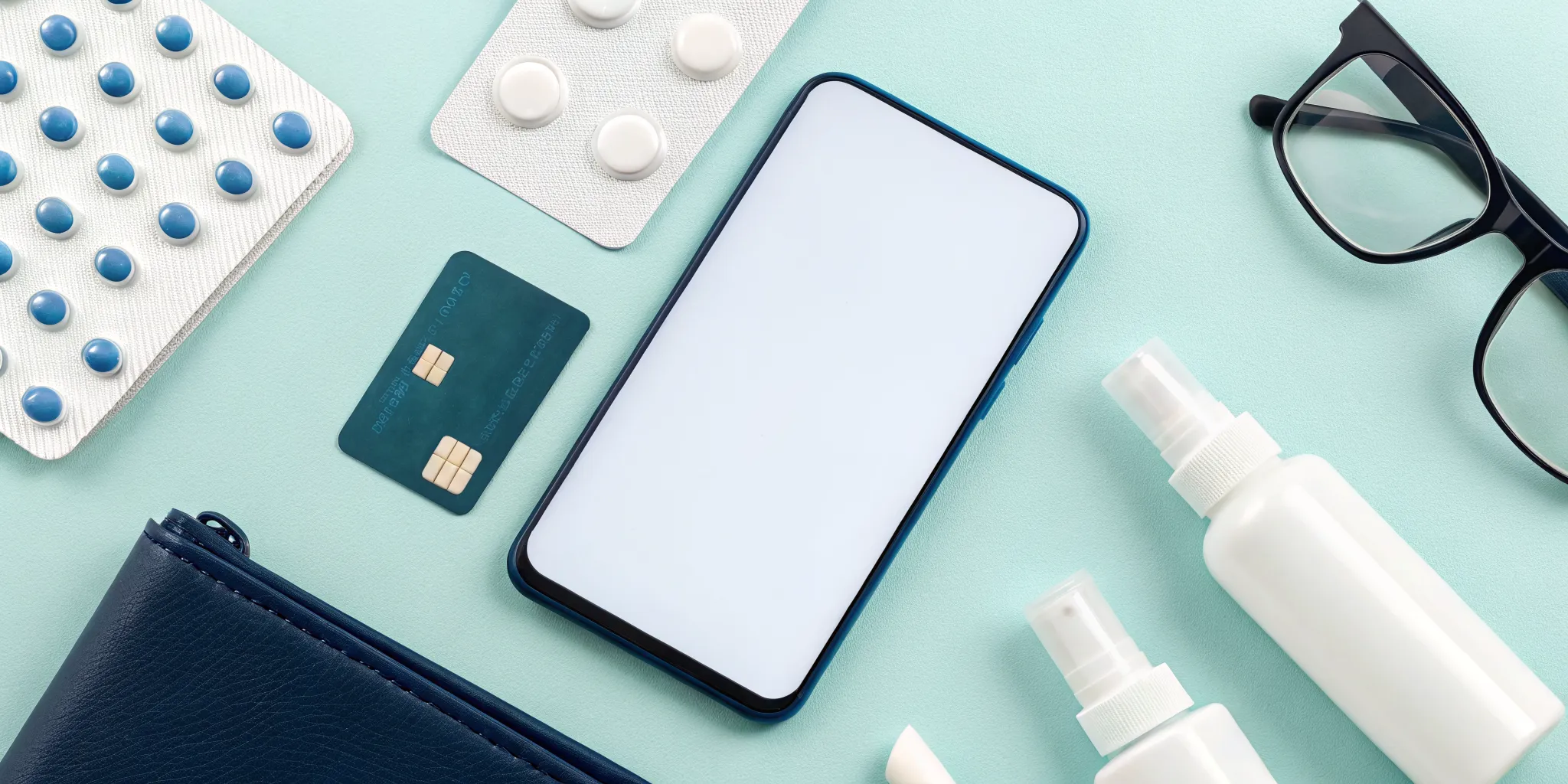
Your FSA or HSA card is more than just plastic; it’s your ticket to saving on hundreds of health and wellness products. While it’s great for covering co-pays, its real power lies in everyday purchases, from sunscreen to first-aid supplies. The biggest hurdle for many is simply knowing where to start. Which retailers are set up to process these special payments, and which aren’t? We’ve put together a straightforward guide to the top FSA HSA card eligible stores, so you can skip the guesswork. Get ready to unlock the full potential of your health savings and shop with confidence.
Key Takeaways
- Your health account is for more than just prescriptions: Use your pre-tax dollars on everyday wellness products like over-the-counter medications, sunscreen, first-aid supplies, and menstrual care items to get the most from your savings.
- Shop smarter at the right retailers: Look for stores with dedicated FSA and HSA sections or use online eligibility filters to easily find approved products. You can stretch your funds even further by timing your purchases with store sales.
- Make checkout simple with two key habits: Always separate your eligible and non-eligible items before paying to avoid a declined card, and be sure to keep your itemized receipts in case you need to verify your purchases later.
What Are FSA and HSA Cards?
If you have an FSA or HSA card, you’ve got a powerful tool for managing your health costs. Think of them as special savings accounts designed specifically for your medical needs. Both an FSA (Flexible Spending Account) and an HSA (Health Savings Account) are tax-advantaged, meaning you can set aside pre-tax money to pay for qualified medical expenses. This helps you save on everything from doctor visits to everyday wellness products. While they share a similar goal, they have some key differences that are important to understand before you start shopping.
FSA vs. HSA: What’s the Difference?
So, what sets these two accounts apart? An FSA is an account you fund to cover out-of-pocket health costs like co-pays and deductibles. The main thing to remember with an FSA is that the funds typically don’t roll over; you have to use them within the plan year. An HSA, on the other hand, requires you to be enrolled in a High Deductible Health Plan (HDHP). The biggest perk of an HSA is that your funds roll over every year and can even grow tax-free. Plus, after you turn 65, you can withdraw the money for any reason without a penalty, making it a great long-term savings tool.
How to Use Your Card at Checkout
Using your card is usually as simple as swiping a debit card. You can use your FSA or HSA card for eligible items both online and in stores. When you’re shopping in person, many retailers have systems that automatically separate eligible items at the register, so you can pay for them with your health spending card. To make your checkout experience seamless, it’s a good idea to separate your eligible and non-eligible items in your cart beforehand. And always, always keep your itemized receipts. This creates a paper trail in case you ever need to verify your purchases.
Where Can You Use Your FSA or HSA Card?
Once you have your FSA or HSA card in hand, you’ll find that using it is easier than you might think. A growing number of retailers, both online and in-person, accept these cards for eligible purchases. From your local pharmacy to major online marketplaces, you have plenty of options for putting your health dollars to work. The key is knowing where to look and what to expect at checkout. Let’s explore the main places you can confidently swipe, tap, or enter your card details.
Daylii: Your Partner in Health Spending
Managing the world of health spending can feel complicated, but it doesn’t have to be. At Daylii, we are building a smarter way forward, designed to bring clarity and confidence to your health journey. Our goal is to help you manage your health spending effectively, allowing you to maximize the benefits of your FSA or HSA. We believe that using your pre-tax dollars for health and wellness should be simple and empowering. By streamlining the process, we want to ensure you can focus on what truly matters: your well-being. Stay tuned as we reimagine how you engage with your health.
Major Pharmacy Chains
Your neighborhood pharmacy is one of the most reliable places to use your FSA or HSA card. Chains like Walgreens, CVS, and Rite Aid have extensive inventories of eligible items and systems designed to process these payments smoothly. You can find everything from over-the-counter pain relievers and allergy medications to first-aid supplies and sun care. In fact, Walgreens offers a huge variety of FSA and HSA-eligible products, both in-store and online, making it a convenient one-stop shop. Because these stores specialize in health products, their checkout systems can often automatically identify eligible items, which simplifies the payment process for you.
Big-Box Retailers
You can also use your health savings card at large retailers like Target and Walmart. This is incredibly convenient because you can pick up health essentials while doing your regular grocery shopping. These stores have made it even easier by creating dedicated sections for qualified products. For example, Target has an online shop specifically for FSA and HSA items, so you can browse and buy with confidence. In-store, you’ll often find labels on shelves indicating which products are eligible. This integration makes it simple to stock up on everything from vitamins and thermometers to contact lens solution during your weekly shopping trip.
Online Marketplaces
For those who prefer to shop from home, online marketplaces are a fantastic resource. Amazon, in particular, has a dedicated FSA and HSA store where you can filter for thousands of eligible products, from blood pressure monitors to acne treatments. This makes it easy to compare prices and read reviews before you buy. Beyond Amazon, you can also find specialty websites like FSAstore.com and HSAstore.com. These sites exclusively sell eligible items, completely removing the guesswork. You can shop knowing that everything in your cart is guaranteed to be approved, which is perfect for stress-free spending.
Specialty Health and Wellness Stores
Don’t forget about specialty providers for specific health needs. Your FSA or HSA card is welcome at most optometrists for prescription glasses and contact lenses, at dental offices for cleanings and fillings, and at audiologists for hearing aids. You can also use your funds at stores that sell durable medical equipment, like braces, walkers, or CPAP machines. Because these merchants operate within the healthcare industry, their payment systems are set up to accept these cards for qualified services and products. This ensures you can use your tax-free funds for more significant, specialized health expenses. You can find a comprehensive list of eligible items online to see exactly what’s covered before your appointment.
What Can You Buy with Your FSA or HSA Card?
One of the best parts of having an FSA or HSA is using those pre-tax dollars for everyday health needs, not just major medical bills. You might be surprised by how many items on your regular shopping list are actually eligible. Getting familiar with what you can buy is the key to making the most of your account and ensuring you don’t leave money on the table at the end of the year.
From the pharmacy aisle to the wellness section, your card can cover a wide range of products that support your health. Let’s look at the main categories of eligible items you can stock up on.
Over-the-Counter Medications and Supplements
Thanks to the CARES Act, you no longer need a prescription to buy over-the-counter (OTC) medications with your FSA or HSA funds. This was a huge change that made these accounts much more flexible. Now, you can easily purchase everyday essentials like pain relievers, allergy pills, cold and flu medicine, heartburn remedies, and sleep aids. While most common OTC drugs are covered, some vitamins and dietary supplements may still require a Letter of Medical Necessity from your doctor to prove they are for treating a specific medical condition.
First-Aid and Medical Supplies
Think about everything you’d want in a well-stocked first-aid kit, because most of it is likely eligible. You can use your card to buy bandages, antiseptic wipes, gauze, medical tape, and thermometers. It also covers larger medical equipment like blood pressure monitors, crutches, and nebulizers. Retailers that accept FSA or HSA cards for these eligible health products typically have a system in place that automatically identifies and approves them at checkout, making the process smooth and simple. This is the perfect opportunity to prepare for any minor scrapes, sprains, or illnesses that come your way.
Health and Wellness Products
This category is where many people miss out on using their funds. Each year, billions of dollars in FSA funds are forfeited simply because people don’t realize what qualifies. Your card can cover a variety of wellness items, including sunscreen (SPF 15+), acne treatments, prenatal vitamins, and smoking cessation products like patches or gum. Even items like motion sickness bands and products for baby care, such as nasal aspirators and diaper rash cream, are often eligible. Exploring these options helps you use your account to support your overall well-being, not just to treat sickness.
Vision and Dental Care Items
Beyond your annual eye exam or dental cleaning, your FSA or HSA can cover many related products you buy at the store. You can use your card for prescription eyeglasses, contact lenses, and cleaning solution without any hassle. It also covers practical dental items like night guards to prevent teeth grinding, denture adhesives, and cleaning solutions. While your standard toothbrush and toothpaste aren’t covered, items that treat a specific medical or dental condition usually are. This makes it easier to manage the ongoing costs of vision and dental health.
How to Know if an Item is Eligible
Figuring out if a product is eligible for your FSA or HSA can feel like a guessing game, but it doesn’t have to be. The list of approved items is broader than you might think, and the key is knowing where to look for answers before checkout. With a few simple strategies, you can shop with confidence and know exactly what you can buy with your tax-free funds. Whether you check official sources, use a handy app, or look for clues in the store, there are reliable ways to confirm eligibility and avoid surprises when it’s time to pay.
Check the Official IRS Guidelines
When in doubt, go straight to the source. The IRS sets the rules for what counts as a qualified medical expense, and their guidelines are the ultimate authority. You can find a comprehensive list in IRS Publication 502, which details everything from acupuncture to X-rays. A quick search of the document can give you a definitive answer. You might be surprised to find that eligibility goes far beyond prescriptions. Many wellness products can also qualify, though they sometimes require a Letter of Medical Necessity (LMN) from your doctor to prove they treat a specific medical condition.
Use an Eligibility Checker App
For a more modern approach, use an app or online tool to check eligibility on the go. Many FSA and HSA administrators offer these tools, and third-party apps are also available. These checkers often have searchable databases and can even scan an item’s barcode to tell you if it’s eligible. Using one of these tools is a great way to spend your funds smartly and save yourself the hassle of rejected transactions or reimbursement paperwork. It’s a simple step that adds confidence to your shopping trip.
Look for In-Store Signs and Labels
Many retailers make it easy to spot eligible items while you shop. Keep an eye out for shelf tags or signs that say “FSA/HSA Eligible.” Major pharmacies and big-box stores are great at labeling products to guide customers. This is possible because these stores use an IRS-required system called an Inventory Information Approval System (IIAS). This technology automatically identifies eligible products when they’re scanned at the register, allowing you to use your FSA or HSA card directly for payment. Looking for these labels is one of the easiest ways to confirm eligibility as you browse the aisles.
Why Some Stores Accept FSA/HSA Cards (and Others Don’t)
Ever wondered why you can use your FSA card at one store but get declined at another? It’s not arbitrary. Accepting these cards requires stores to navigate specific IRS rules, make strategic business decisions, and overcome some technical hurdles. It’s a bit more complicated than just enabling a new payment type. For a retailer, the decision comes down to a mix of compliance, customer needs, and their own operational capabilities. Understanding these factors can help you know what to expect when you head to the checkout counter.
The IIAS Certification and 90% Rule
The main reason for the discrepancy lies with IRS regulations. For a general merchant like a supermarket or big-box store to accept FSA and HSA cards, they must have an Inventory Information Approval System (IIAS). This is a fancy way of saying their checkout system can automatically tell the difference between an eligible medical expense, like bandages, and a non-eligible one, like groceries. This system prevents you from accidentally using your tax-advantaged funds on ineligible items. Alternatively, stores that get at least 90% of their revenue from medical items, like a pharmacy, can register under the 90% Rule and bypass the need for a full IIAS.
Customer Demand and Store Policies
Beyond regulations, it’s also a business decision. Setting up the systems to accept FSA and HSA cards takes time and money. Retailers weigh that investment against the potential benefits. If a store knows its customers frequently use these accounts, they have a strong incentive to get certified. Accepting FSA and HSA cards can help them serve more people and capture untapped payments revenue. A health-focused store or a large pharmacy chain sees a clear return on this investment. A small, local boutique, on the other hand, might not see the same demand, leading them to skip the process.
Technical and Compliance Hurdles
Finally, there are the technical and logistical challenges. Implementing and maintaining an IIAS requires a significant IT effort. The system must be constantly updated to reflect the ever-changing list of eligible products, which creates ongoing work for the retailer. Without a smooth system, customers can face frustrating checkout experiences, like declined transactions or having to split a payment between their FSA card and another card. Many businesses are working to reduce friction at checkout, but for some, the technical and compliance burdens are just too high to justify.
Common FSA and HSA Myths, Busted
Flexible Spending Accounts (FSAs) and Health Savings Accounts (HSAs) are fantastic tools for managing your health expenses, but they can also be a source of confusion. Misinformation can lead you to miss out on savings or use your funds incorrectly. Let’s clear up some of the most common myths so you can shop with confidence.
Myth: Only prescriptions are eligible.
This is one of the biggest misconceptions out there. While prescriptions are definitely eligible, the list of what you can buy is much longer. You can use your FSA or HSA funds for a surprising number of everyday health products, including over-the-counter pain relievers, allergy medicine, cold remedies, and first-aid supplies. The list also includes items you might not expect, like sunscreen, acne treatments, contact lens solution, and menstrual care products. The key is that the item must be used to treat, prevent, or diagnose a medical condition. So, while you can’t buy regular toothpaste, you can often purchase one formulated for a specific issue like sensitivity.
Myth: You can buy everything in one transaction.
It would be nice to just swipe your card at the end of a big shopping trip, but it doesn’t quite work that way. Most major retailers use a system that automatically identifies eligible items, but it’s not perfect. To avoid having your card declined, it’s best to separate your eligible health products from your other purchases, like groceries or cosmetics. This creates a clean transaction that’s easy for your benefits administrator to approve. Always hold on to your itemized receipts, just in case you’re ever asked to prove that your purchases were eligible. Understanding how to spend smart at different stores is key to a smooth checkout.
Myth: Your funds always disappear at the end of the year.
This myth is a classic mix-up between FSAs and HSAs. If you have an HSA, your money is yours to keep. The funds roll over year after year, and you can even invest them, making it a powerful tool for long-term health savings. The “use-it-or-lose-it” rule applies to FSAs, but even that has become more flexible. Many employers now offer a grace period of a few months into the new year to spend remaining funds, or they may allow you to carry over a certain amount. It’s one of the most common misconceptions, so be sure to check the specific rules of your plan with your HR department or benefits administrator.
Know the Rules Before You Shop
Using your FSA or HSA card should be simple, but a little know-how can go a long way in making your shopping trips completely stress-free. Think of these accounts as a great tool for your health, and like any tool, knowing how to use it properly makes all the difference. By understanding a few key rules before you head to the checkout lane or click “buy now,” you can avoid common hiccups like a declined card or a request for more documentation down the road. These simple habits will help you spend smartly and save you from dealing with extra paperwork later.
Separate Your Eligible and Non-Eligible Items
One of the easiest ways to ensure a smooth transaction is to separate your eligible and non-eligible items at checkout. While it might seem like an extra step, creating two piles on the conveyor belt or two separate online carts can prevent your card from being declined. Many stores use a special system (called an IIAS) that automatically identifies qualified medical expenses. If you mix in items like groceries or cosmetics, the system may reject the entire purchase. To spend your funds smartly, simply pay for your FSA/HSA-approved products first, then start a new transaction for everything else.
Always Keep Your Receipts
This might be the most important rule of all: always, always keep your itemized receipts. A standard credit card slip isn’t enough; you need the receipt that lists exactly what you bought. Your FSA or HSA administrator, or even the IRS, can ask you to prove that your funds were spent on qualified medical expenses. Having those itemized receipts on hand makes the process painless. You can snap a photo with your phone or keep a dedicated folder for your health-related purchases. This simple habit will save you from future paperwork headaches and potential penalties, ensuring you have the documentation you need if you’re ever asked for it.
Shopping Online vs. In-Store
You can use your FSA or HSA card at many retailers, both online and in person, but the experience can be a little different. Online, many stores have dedicated FSA/HSA sections or filters that show you only eligible products, which simplifies the process. When shopping in-store, look for signs indicating that they accept FSA/HSA cards. For a store to accept your card directly, its payment system must be able to identify eligible items. If a retailer isn’t set up for this, your card may be declined. In that case, you can simply pay with another method and submit your itemized receipt for reimbursement later.
What Makes a Great FSA/HSA Shopping Experience?
Using your health spending account should feel straightforward, but the reality can sometimes be a little clunky. Sifting through products to figure out what’s eligible can feel like a chore, and nobody wants to get to the checkout counter only to have their card declined. The good news is that many retailers are making it much easier to shop with confidence. A great shopping experience comes down to a few key things: clarity, convenience, and a little bit of guidance.
The best stores don’t make you guess. They create a seamless process that helps you find and purchase eligible items without the headache. This often means they’ve invested in specific tools and store layouts, both online and in-person, designed for FSA and HSA users. When you’re deciding where to spend your funds, look for retailers that offer dedicated shopping sections, smart online filters, and clear in-store labeling. These features are signs that a store values your time and wants to make managing your health spending as simple as possible.
Retailers with Dedicated FSA/HSA Sections
Imagine walking into a store where every single item on the shelves is FSA or HSA eligible. That’s the idea behind dedicated shopping sections. Some retailers have created special online storefronts that group thousands of approved products into one convenient place. This completely removes the guesswork from shopping. Instead of wondering if a certain brand of bandages or sunscreen qualifies, you can browse freely, knowing everything you see is fair game.
For example, Target’s FSA & HSA Shop is a fantastic resource that lets you stock up on everyday health items with ease. These curated sections are perfect when you need to buy several different things, from pain relievers to first-aid supplies, and want to get it all done in one simple, efficient trip.
Stores with Online Eligibility Filters
If you prefer to shop at larger online marketplaces, eligibility filters are your best friend. Many big retailers allow you to apply a filter to your search results that shows only FSA or HSA-approved items. This feature is incredibly useful when you already know what you’re looking for. You can search for a broad category like “cold and flu” or a specific product and then simply check a box to narrow down the options to only those you can buy with your health account card.
Amazon has a massive FSA and HSA store that works this way, making it easy to find eligible products among its vast inventory. This tool gives you the best of both worlds: the wide selection of a major online retailer and the confidence of knowing your purchase is approved.
Clear Labels and Helpful Customer Support
When you’re shopping in a physical store, clear communication is key. The best retailers use shelf tags or signs to mark eligible products, so you can spot them as you walk down the aisles. Some, like Walgreens, even have systems that automatically separate eligible and non-eligible items at checkout, which helps you pay correctly without any awkward fumbling. This small detail makes a huge difference in creating a smooth transaction.
No matter where you shop, it’s always a good idea to keep your itemized receipts. This is crucial if you ever need to submit a claim for reimbursement or prove that your purchases were eligible. A great shopping experience is one where the store makes it easy to follow the rules from start to finish.
How to Get the Most from Your FSA/HSA Funds
Having an FSA or HSA is a fantastic benefit, but just having the account isn’t enough. To truly make the most of these pre-tax dollars, you need a smart spending strategy. It’s about more than just covering co-pays; it’s about planning ahead to care for your health and your budget at the same time. By thinking strategically about your purchases, you can stock up on essentials, invest in your well-being, and ensure not a single dollar goes to waste. A little bit of planning can turn your health savings account into a powerful tool for managing your wellness throughout the year. Let’s walk through a few simple ways to maximize every cent.
Plan Your Year-End Spending
If you have a Flexible Spending Account (FSA), the end of the year can feel like a race against the clock. Money in your FSA usually expires, so you need to spend it before the deadline or risk losing it. Instead of scrambling in the final weeks, take some time to assess your remaining balance and plan your spending. Think about what you’ll need for the upcoming months. Do you need to refill your first-aid kit? Are you running low on contact lens solution? Planning ahead helps you make thoughtful purchases instead of last-minute impulse buys, ensuring your money goes toward items you genuinely need.
Combine Your Benefits with Sales and Promotions
One of the best ways to stretch your funds is to pair your pre-tax benefit with store sales and promotions. Using your FSA or HSA for everyday health items means you’re spending pre-tax money, which can save you a significant amount overall. When you time those purchases with a retailer’s sale or a special offer, you’re essentially stacking your savings. Keep an eye out for seasonal deals on things like sunscreen in the spring or cold and flu medicine in the fall. By checking out a retailer’s dedicated FSA & HSA Shop, you can often find deals that make your pre-tax dollars go even further.
Make a Shopping List of Eligible Items
It’s easy to forget just how many products are eligible for purchase with your FSA or HSA card. To get the most value, sit down and make a list of everything you might need. You can find many different health items, including glasses, prescription sunglasses, pain relief, skincare, smart scales, and first-aid kits. Many stores offer a huge variety of FSA and HSA-approved products, from contact lenses and sun care to home medical equipment. Brainstorming a list helps you think beyond the obvious and stock up on essentials you’ll use all year long, turning your funds into a well-stocked wellness arsenal.
What to Do if Your FSA or HSA Card is Declined
It’s a frustrating moment: you’re at the checkout, ready to pay for your health essentials, and your FSA or HSA card gets declined. It happens to the best of us, and it’s usually due to a simple mix-up that’s easy to fix. Before you feel flustered, know that there are a few common reasons this occurs and clear steps you can take to sort it out, both at the register and after you leave the store.
Common Reasons Your Card Might Be Rejected
Most of the time, a declined card isn’t a major issue. It’s typically a signal that something is out of sync between your account, the item you’re buying, or the store itself. Here are the most frequent culprits:
- Not enough funds: The simplest reason is often the right one. You might have less money in your account than you thought. It’s always a good idea to check your balance before a big shopping trip.
- An ineligible item: Your card is designed to work only for qualified medical expenses. If a non-eligible item like a cosmetic product is mixed in with your purchase, the entire transaction might be rejected.
- Store system issues: Some stores aren’t set up to automatically identify eligible items. If a retailer isn’t an IRS-approved IIAS merchant, your card may be declined even if you’re buying something that qualifies.
How to Fix the Problem
When your card is declined, take a moment to troubleshoot. Your first step should be to call the number on the back of your card. Your FSA or HSA administrator can see exactly why the transaction was blocked and give you specific information. They can confirm your balance and tell you if the merchant or a specific item was the problem.
If the issue was an item you believe is eligible, double-check its status. Sometimes, a store’s system might misclassify a product. You can confirm an item’s eligibility by checking with your plan administrator or looking it up on an online eligibility list. Knowing the specific reason for the decline helps you prevent it from happening again.
Paying Another Way and Getting Reimbursed
If you’re at the register and can’t resolve the issue immediately, don’t worry. You can still complete your purchase. Simply pay with a personal credit or debit card and hold onto the itemized receipt. You can then submit a claim to your FSA or HSA provider for reimbursement. The reimbursement process is usually straightforward and can often be done online.
Another great option is to ask the cashier if you can split the payment. Pay for the eligible items with your FSA or HSA card and use another payment method for the rest. This way, you use your health funds as intended without having to wait for a reimbursement.
Related Articles
- FSA vs. HSA: What’s the Difference in 2025?
- FSA vs. HSA Benefits: The Ultimate 2026 Guide
- Healthcare FSA Eligible Items: A Complete Guide
- FSA and HSA Eligibility: Who Qualifies & Key Rules
Frequently Asked Questions
What’s the simplest way to remember the difference between an FSA and an HSA? Think of it this way: an FSA is like a yearly budget for health costs provided through your employer, and you generally have to use the funds within the plan year. An HSA is more like a personal savings account for health expenses that you own outright. The money in an HSA is yours to keep forever, it rolls over each year, and you can even invest it.
Can I use my FSA or HSA card for my family’s health expenses? Yes, you can typically use your funds to pay for qualified medical expenses for yourself, your spouse, and any dependents you claim on your tax return. This makes these accounts a great tool for managing your entire family’s health costs, from your child’s braces to your partner’s prescription glasses.
What happens if I accidentally buy something that isn’t eligible? If you mistakenly purchase a non-qualified item, you’ll likely need to pay your plan back for the amount of that purchase. Your plan administrator may contact you to resolve the issue. The easiest way to fix it is to use a personal, post-tax card for the repayment. This is another great reason to separate your items at checkout to avoid the mix-up in the first place.
Why do I need to keep receipts if my card already worked at the store? A successful transaction at the register just means the store’s system approved the sale. Your plan administrator or the IRS can still ask you to verify that your purchases were for qualified medical expenses. Your itemized receipt is the official proof you need to confirm your spending, so holding onto it protects you from any future questions or paperwork.
Do I really need a doctor’s note for things like vitamins or special supplements? Sometimes, yes. While you don’t need a prescription for common over-the-counter medicines like pain relievers or allergy pills, some items fall into a gray area. For products that can be used for general wellness, like certain vitamins or supplements, a Letter of Medical Necessity from your doctor confirms that you are using the item to treat a specific medical condition. This letter makes it officially eligible.