
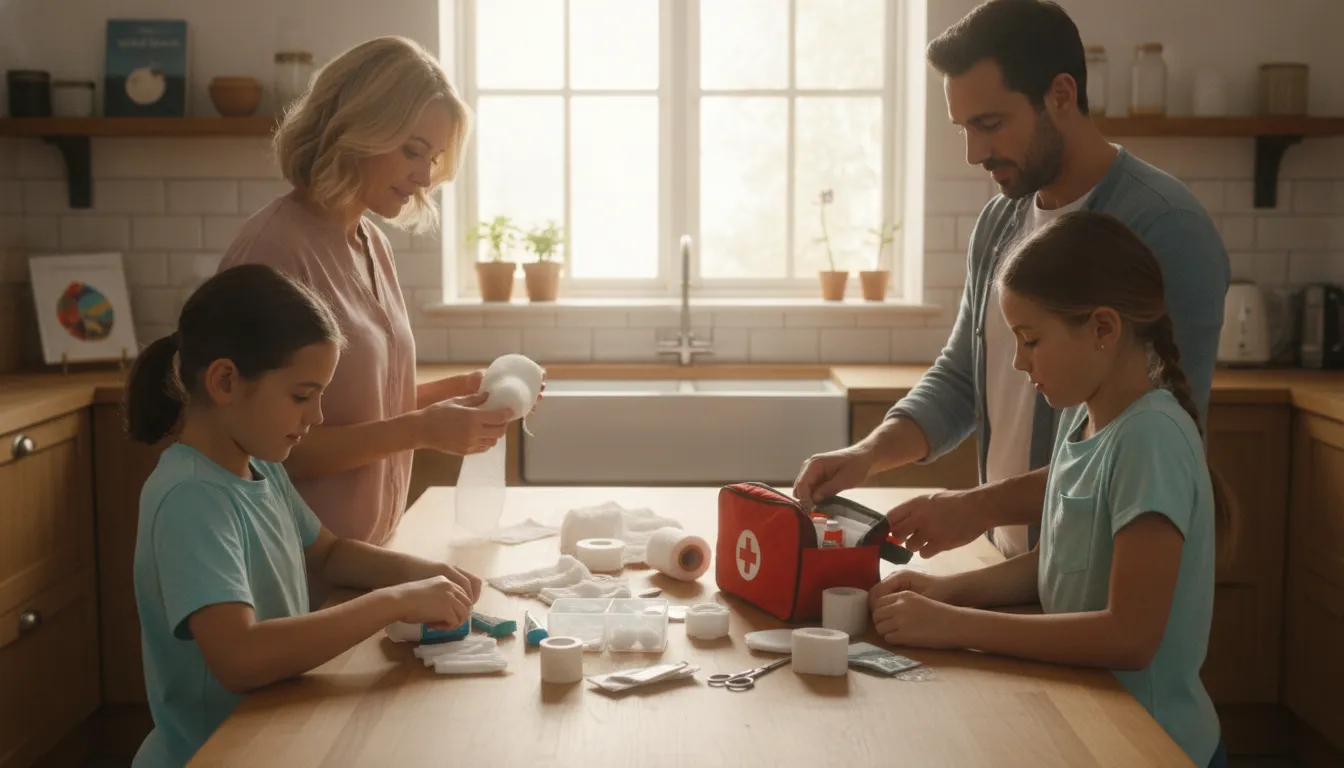
A well-stocked first aid kit can turn a minor cut, burn, or sudden illness into a manageable problem instead of an urgent shopping trip. Using pre-tax FSA dollars for eligible supplies also lets you prepare proactively, rather than scrambling to spend benefits at the end of the plan year.
Ready to make your FSA work harder? Explore daylii’s marketplace for pre-verified eligible supplies.
Yes, you can buy an FSA first aid kit with pre-tax dollars. Bandages, antiseptics, thermometers, cold packs, burn treatments, and pre-assembled emergency kits are generally eligible when they serve a clear medical purpose under IRS Publication 502. Eligibility can still vary by product and checkout system.
The key is separating treatment-focused supplies from general wellness products, then confirming each item’s eligibility before you pay. That distinction becomes much clearer when you examine the supplies commonly included in a first aid kit.
Fsa First Aid Kit: Which First Aid Supplies Are FSA Eligible?
An FSA first aid kit can cover more than adhesive strips. Supplies generally qualify when they diagnose, treat, or help prevent an injury or medical condition. That includes everyday wound care, basic monitoring devices, and certain emergency-preparedness products. Eligibility can depend on the specific product and your plan, so review the item at checkout rather than relying only on a broad product category.
| Item or category | Typical FSA status | Why |
|---|---|---|
| Band-Aid bandages | Eligible | Used to protect and treat minor wounds. |
| Gauze and adhesive medical tape | Eligible | Supports wound dressing and care. |
| Hydrogen peroxide, rubbing alcohol, or iodine | Eligible | Antiseptic supplies have a direct medical purpose. |
| Digital or no-contact thermometer | Eligible | Measures a health indicator for assessment. |
| Cold packs, hot packs, and burn treatments | Generally eligible | Used to manage injury symptoms or minor burns. |
| Pre-assembled first aid kit | Generally eligible | Medical contents support treatment and emergency care. |
| N95 masks and pulse oximeters | Typically eligible | Both serve a specific protective or monitoring purpose. |
| General vitamins and supplements | Usually not eligible | General wellness products typically lack a specific medical purpose. |
| Herbal remedies | Usually not eligible | May require a letter of medical necessity tied to a diagnosis. |
| Cosmetic items | Not eligible | Personal appearance products are not medical supplies. |
Trauma kits, IFAKs, tourniquets, and bleeding-control supplies can also qualify when their contents serve a medical purpose. Product listings may group eligible and ineligible items together, however, particularly in larger preparedness kits. Check the contents, not just the kit name. Some vendors list dozens of eligible first aid products, but the exact SKU is still the safest unit to verify.
For a simpler purchase, daylii can validate eligibility at the SKU level against IRS guidance and retail checkout rules. That helps separate a compliant medical supply from a wellness or cosmetic add-on before you spend your FSA dollars.
How Do SIGIS IIAS Standards Affect What You Can Buy?
SIGIS IIAS standards connect an FSA card transaction to product-level eligibility data. At checkout, the system uses the retailer’s inventory information and the item’s SKU to determine whether a purchase qualifies as a medical expense. That process is designed to approve eligible supplies, such as bandages and bleeding-control products, while separating items that do not meet plan rules. Understanding this system can help you avoid unexpected declines when buying a first aid kit with your FSA card.
In practical terms, an FSA card is not simply checking whether a product came from a pharmacy or health aisle. The transaction can be evaluated against an eligibility database in real time. When the product record, retailer setup, and plan rules align, the charge can pass without a manual claim.
Why can an eligible first aid item still be declined?
A decline does not always mean the product is ineligible. A cart that combines qualifying medical supplies with non-eligible merchandise may require the shopper to split the transaction. The merchant’s category code, or MCC, can also affect authorization. If a retailer or department is not configured to accept healthcare-card transactions, the card issuer may reject an otherwise eligible item.
SKU data can create another point of friction. A product may qualify in principle, but a specific bundle, size, or seller listing may not be mapped correctly in the retailer’s system. This is especially frustrating when someone is trying to buy an FSA first aid kit for proactive emergency preparedness and has to guess which contents will clear checkout.
How does dayliiMarketplace reduce checkout uncertainty?
dayliiMarketplace pre-verifies eligibility at the SKU level before you purchase. Its dynamic eligibility engine checks products against IRS Publication 502 and SIGIS IIAS rules, then connects shoppers with supported retailers including Amazon, Walmart, CVS, and Instacart. That gives you a clearer path to eligible first aid kits, rather than discovering a problem only after your card is declined.
For planning purposes, many employers allow the maximum FSA contribution of $2,550 per year, although the amount varies by plan. Adventure Medical Kits notes that employer contributions can vary. Checking eligibility before spending helps you use available funds deliberately instead of losing time to preventable checkout errors.
How to Shop for FSA Eligible First Aid Kits Online
Buying online can make it easier to assemble an FSA first aid kit, but eligibility still depends on the individual products in the cart. Start by choosing medical supplies with a clear purpose, confirm that the retailer accepts FSA debit cards, and review the transaction before submitting it. The right shopping workflow helps you prepare for everyday injuries without turning reimbursement into a guessing game.
Choose a retailer that supports FSA checkout
Amazon, Walmart, CVS, and Instacart each offer practical ways to shop for first aid supplies. At Amazon, look for eligible products and use your FSA card at checkout through Prime FSA. Walmart uses an automated IIAS checkout to identify eligible purchases. CVS stores commonly mark qualifying products on an FSA-eligible rack, which can make in-person selection simpler.
Instacart is useful when you need supplies quickly from a nearby participating retailer. You can use your FSA card for supplies and arrange same-day delivery where available. Before placing the order, separate eligible medical items from personal-care products or other items that may require a different payment method.
Verify every product before you pay
Retail labels and search filters are helpful. But they do not always explain why a specific kit qualifies. dayliiMarketplace adds a more precise check by verifying eligibility at the SKU level across Amazon. Walmart, CVS, and Instacart. That means you can review the actual product rather than relying only on a broad category label. The marketplace can also include first aid supplies in personalized Daylii Bundles curated for compliant shopping.
Use this verification step for pre-assembled kits, replacement supplies, and mixed bundles. Bandages, gauze, antiseptics, cold packs, and other items intended to treat or prevent an injury generally have a clear medical purpose. General wellness products, supplements, or cosmetic items may not qualify under the same rules, even when they appear beside first aid supplies.
Keep your receipt and plan your timing
Save the order confirmation and itemized receipt after checkout. Your plan administrator may request documentation, especially if a product’s eligibility is unclear or the transaction includes several categories of goods. If you are approaching the end of your benefit year, review guidance on spending your remaining FSA funds before ordering. For related everyday medical purchases, you can also review these FSA eligible health supplies.
What to Look for When Buying an FSA Eligible First Aid Kit
Choosing an FSA first aid kit is less about buying the largest bag and more about matching the contents to the emergencies you may actually face. A household kit, vehicle kit, and trauma kit serve different purposes. Eligibility labels can help, but they should not replace checking the specific products and the seller’s payment process.
- Assess your household’s needs and available space. Start with the people and situations the kit must support. A family with children may prioritize bandages, antiseptic supplies, cold packs, and burn treatment. A vehicle or outdoor kit may need more durable packaging and bleeding-control supplies. Size matters too: a compact IFAK is portable, while a larger trauma kit may be better for a home or workplace. Avoid paying for specialized equipment you are unlikely to use or maintain.
- Look for an eligibility designation, then check the details. Product pages labeled FSA/HSA eligible or SIGIS-approved are useful starting points. Most trauma kits, IFAKs, tourniquets, and bleeding-control supplies generally qualify as medical expenses, but eligibility can vary by product and plan. Confirm that the kit’s contents have a clear medical purpose rather than assuming every item in a mixed bundle is eligible.
- Verify that the supplier accepts FSA cards. An eligible product can still create friction if the merchant does not support FSA card transactions. Check the seller’s checkout information before ordering. If the kit contains eligible and non-eligible items, be prepared for the seller to require separate payment or for your plan administrator to request documentation.
- Confirm each SKU before you buy. dayliiMarketplace provides SKU-level eligibility confirmation across supported retailers, helping you check a kit before it reaches checkout. Its bundle feature can also help create a custom-curated kit around your household’s needs, instead of forcing you to accept a preassembled mix with unnecessary items.
- Compare contents, replacement needs, and price. Count the supplies that matter, inspect expiration dates where applicable, and check whether the case can be replenished. A lower-priced kit is not necessarily the better value if it lacks essential supplies. Competitor listings show how widely kits can vary, from compact IFAKs to larger bleeding-control kits with hundreds of listed supplies. Compare like with like, and consider the cost of replacing used items.
Frequently Asked Questions
Can I use my FSA for any first aid kit?
Not every kit is automatically eligible. A pre-stocked kit generally qualifies when its contents are medical supplies used to diagnose, treat, or prevent an injury or condition. Check the item-level eligibility before purchasing, especially if the kit includes wellness, cosmetic, or nonmedical products. IRS Publication 502 is the governing reference for eligible medical expenses.
What first aid supplies are FSA eligible?
Common eligible supplies include adhesive bandages, gauze, medical tape, antiseptics, thermometers, cold packs, burn treatments, and other products with a clear medical purpose. Vitamins, herbal remedies, and general wellness products typically require a letter of medical necessity rather than qualifying automatically (IRS Publication 502).
What happens if my FSA card is declined for first aid supplies?
A decline does not necessarily mean the item is ineligible. The product may not be recognized in the retailer’s eligibility database, the transaction may include noneligible items, or the merchant may not support FSA card processing. Separate eligible products, keep your receipt, and confirm the SKU before trying again. daylii’s eligibility engine checks products against IRS and SIGIS IIAS rules. If a product was declined at an earlier checkout, the SKU-level check can confirm whether it should have passed. Helping you decide whether to retry or use a different payment method. Review the product’s itemized contents and confirm your purchase method before trying again.
Are trauma kits and IFAKs FSA eligible?
Many trauma kits, individual first aid kits, tourniquets, and bleeding-control supplies generally qualify because they serve a direct medical purpose. Eligibility can still depend on the specific product and plan administration, so review the kit’s contents rather than relying only on its name. A SKU-level check provides a clearer answer before checkout.
Ready to make FSA shopping simpler?
Choosing eligible first aid supplies is easier when you do not have to second-guess every product or checkout decision. daylii helps bring clarity to FSA and HSA spending. So you can spend pre-tax dollars on supplies that fit your needs with less friction. Explore daylii for smarter FSA and HSA spending.