
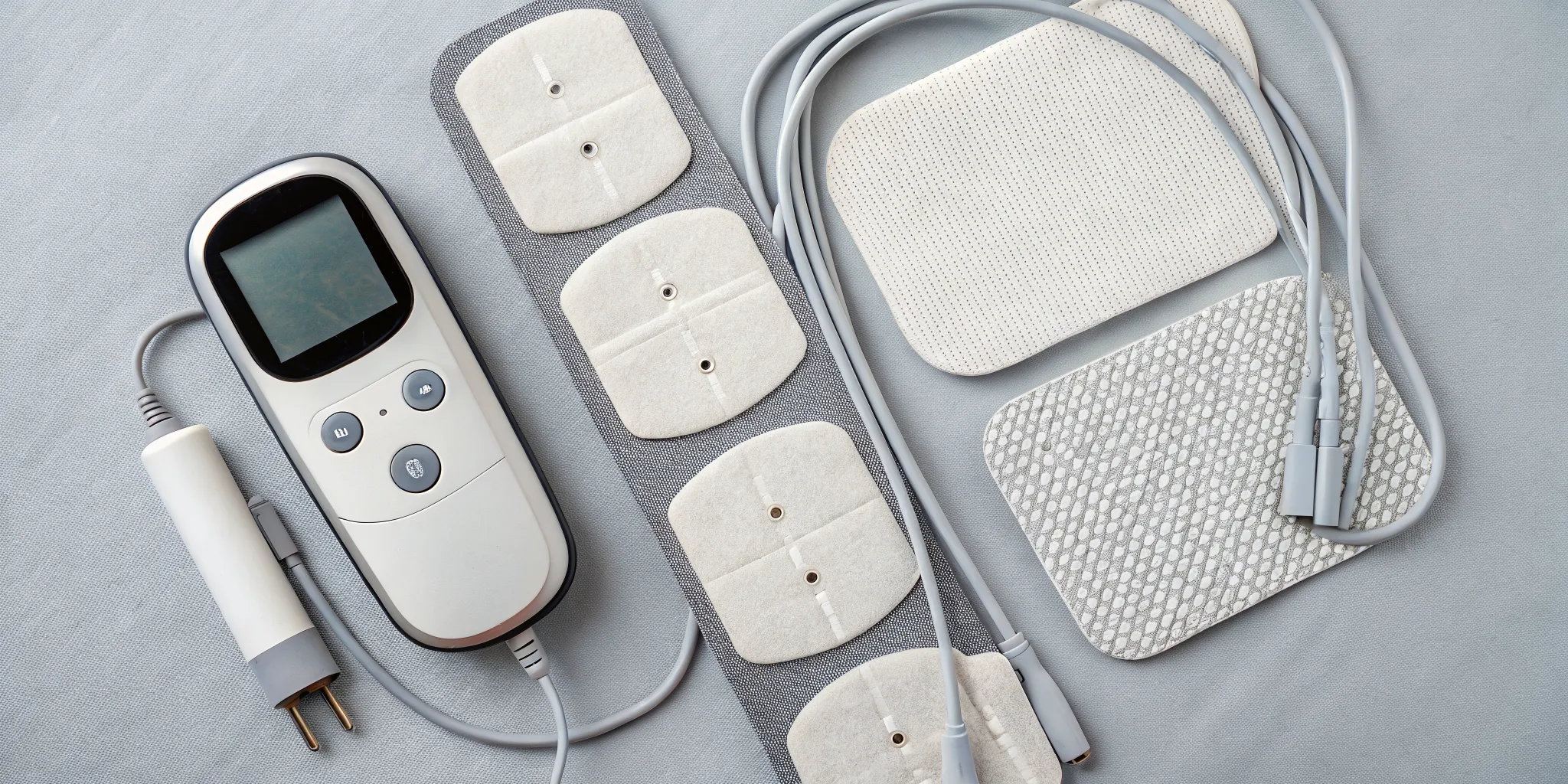
Making your pre-tax health dollars work for you is one of the smartest financial moves you can make. If you have a Flexible Spending Account, you have a powerful tool for covering health-related costs, but many people miss out on its full potential. A TENS unit is a perfect example of a high-value purchase that directly improves your quality of life. Instead of letting those funds go to waste, you can invest them in a device that provides long-term pain relief. This guide will show you exactly how to do it, covering everything from setting a budget to finding the right FSA eligible TENS unit online.
Key Takeaways
- Use your FSA for pain relief: A TENS unit and its accessories, like replacement pads, are qualified medical expenses, making them a great use of your pre-tax FSA dollars. Just confirm you don’t have a limited-purpose FSA, which only covers dental and vision costs.
- Focus on features that matter: When choosing a device, prioritize key functions that fit your needs. Look for dual channels to treat two areas at once, multiple intensity levels for customized relief, and a rechargeable battery for portability.
- Ensure a smooth purchase process: Before you buy, check your specific FSA plan’s rules to see if you need a Letter of Medical Necessity from your doctor. Always keep your itemized receipt to make reimbursement simple and straightforward.
What is a TENS unit?
If you’re looking for a way to manage pain without reaching for medication, you may have heard about TENS units. TENS stands for Transcutaneous Electrical Nerve Stimulation, which sounds complex, but the idea behind it is quite simple. A TENS unit is a small, portable, battery-operated device that sends low-voltage electrical currents through your skin to help relieve pain. Think of it as a personal pain management tool you can use at home.
The device connects to small, sticky pads called electrodes, which you place on your skin over the area where you’re feeling pain. When you turn it on, it delivers gentle electrical impulses that can help ease discomfort from sore muscles or chronic pain conditions. Because they are recognized as an effective treatment for muscle pain and recovery, most TENS machines are FSA and HSA eligible. This makes them an accessible option for anyone looking to use their pre-tax health savings to find relief. It’s a straightforward way to take an active role in your own comfort and well-being.
How TENS therapy works
So, how can an electrical current actually reduce pain? TENS therapy works in a couple of interesting ways. The electrical impulses sent from the unit stimulate the nerves in the affected area. This stimulation can interrupt the pain signals traveling to your brain, effectively closing the “gate” on pain perception. If your brain doesn’t receive the signal, you don’t feel the pain as intensely.
Additionally, this nerve stimulation can encourage your body to produce more endorphins. Endorphins are your body’s natural painkillers, and getting them flowing can create a sense of relief and well-being. It’s a way to work with your body’s own systems to manage discomfort right at the source.
Common uses for TENS units
One of the best things about TENS units is their versatility. People use them to manage a wide range of pain types, from chronic conditions to acute injuries. They are commonly used for pain relief in the back, neck, and shoulders, and can be particularly helpful for nagging issues like sciatica. Many people also find them effective for relieving menstrual cramps and other types of muscle-related pain.
Because they offer a way to address pain without medication, TENS units have become a popular choice for anyone seeking non-invasive treatment options. Whether you’re an athlete dealing with muscle soreness after a workout or someone managing persistent joint pain, a TENS unit can be a practical and empowering addition to your health toolkit.
Can you use your FSA for a TENS unit?
If you have a Flexible Spending Account (FSA), you already know it’s a fantastic way to pay for health-related costs with pre-tax money. But figuring out exactly what qualifies can sometimes feel like a puzzle. So, when it comes to pain relief, you might be wondering if a TENS unit makes the cut. Can you use those hard-earned FSA dollars to buy one?
The short answer is a big yes. TENS units are widely recognized as a legitimate medical expense, which means you can typically purchase one using your FSA funds. This is great news if you’re looking for a drug-free way to manage muscle pain, soreness, or chronic conditions. Using your FSA for a TENS unit is a smart financial move that puts your health first. However, there are a few details to understand about eligibility, especially concerning the type of spending account you have. Let’s walk through what you need to know before you start shopping.
What the IRS says about FSA eligibility
The IRS gives TENS units the green light as a qualified medical expense. This means a TENS machine is eligible for reimbursement with a flexible spending account (FSA), a health savings account (HSA), or a health reimbursement arrangement (HRA). You can confidently use your account’s debit card or submit receipts for reimbursement without needing a doctor’s prescription.
It’s important to note that this eligibility doesn’t apply to all types of accounts. TENS units are generally not covered by a limited-purpose flexible spending account (LPFSA) or a dependent care flexible spending account (DCFSA), which are designed for vision, dental, and childcare expenses, respectively.
Why medical need and FDA approval matter
So, why does a TENS unit qualify when other wellness gadgets might not? It all comes down to its intended use. A TENS (Transcutaneous Electrical Nerve Stimulation) unit is considered a medical device because it’s designed to treat a specific health issue: pain. Whether you’re dealing with back pain, arthritis, or muscle soreness from a workout, a TENS unit serves a clear medical purpose by helping to block pain signals and stimulate endorphin production.
Because these devices directly address a medical need, they fit the IRS definition of a qualified expense. Their status as FDA-cleared devices further solidifies their legitimacy, confirming they are safe and effective for their stated purpose. This medical validation is what separates them from general wellness products and makes them an FSA-approved purchase.
Understanding limited-purpose FSA rules
If you have a limited-purpose FSA (LPFSA), the rules are a bit different. These accounts are often paired with an HSA and are restricted to covering only dental and vision expenses. Since a TENS unit doesn’t fall into either of those categories, it is not an eligible expense for an LPFSA. This is a key distinction to be aware of before you try to make a purchase.
If you’re not sure what kind of FSA you have, the best first step is to check your plan documents or log into your online benefits portal. When in doubt, a quick call or email to your FSA administrator or your company’s HR department can give you a definitive answer. They can confirm your plan’s specific rules and ensure you’re good to go.
How to know if a TENS unit is FSA-eligible
If you’re wondering whether you can use your Flexible Spending Account (FSA) to purchase a TENS unit, the answer is almost always yes. Because these devices are used to treat a medical condition, specifically muscle pain, they are considered a qualified medical expense. This makes them a perfect candidate for your pre-tax FSA dollars.
Using your FSA is a smart way to invest in your health, allowing you to pay for essential items without taking a hit on your take-home pay. For a TENS unit, this means you can access effective, drug-free pain relief more affordably. While most TENS units are eligible, it’s always a good idea to understand the specific requirements. Knowing what to look for will give you the confidence to choose the right device and use your FSA funds correctly. Below, we’ll walk through the key things to check, whether you need a prescription, and if ongoing supplies like pads are also covered.
Key requirements to check
The main reason TENS units are eligible is that they serve a clear medical purpose: treating pain and supporting recovery. This places them squarely on the list of FSA-eligible medical expenses. As long as the device is intended for personal medical care, it generally qualifies.
However, there is one important exception to keep in mind: the limited-purpose FSA (LPFSA). If you have a Health Savings Account (HSA), you might also have an LPFSA, which is restricted to covering dental and vision expenses only. In this case, a TENS unit would not be an eligible purchase. Always confirm what type of spending account you have before you start shopping.
Do you need a prescription?
Here’s some great news: you typically do not need a prescription to buy a TENS unit with your FSA card. This simplifies the process significantly, as you can purchase an FDA-cleared, over-the-counter device without having to schedule a doctor’s appointment first. You can simply find the unit you want, pay with your FSA card, and you’re good to go.
While a prescription isn’t standard, it never hurts to double-check the rules with your specific FSA administrator. Some plans can have unique requirements, but for the most part, you can move forward without any extra paperwork. This easy access makes TENS therapy a convenient option for managing pain on your own terms.
Are accessories and pads covered?
Yes, the ongoing supplies you need to use your TENS unit are also typically covered by your FSA. This is a huge plus, as it makes the long-term use of your device much more affordable. Covered accessories usually include essential items like replacement electrode pads, which lose their stickiness over time, as well as lead wires and conductive gels.
Being able to use your FSA for these recurring costs means you don’t have to worry about paying out-of-pocket to keep your device working effectively. When you’re budgeting for a TENS unit, you can feel confident that both the initial purchase and the necessary upkeep are covered, allowing you to focus on what matters most: feeling better.
Choosing your TENS unit: Key features to look for
Once you start shopping, you’ll notice that TENS units come with a lot of different features. It can feel a bit overwhelming, but don’t worry. We can cut through the noise by focusing on what actually matters for effective and easy pain relief. Think about how you plan to use your device. Will it be for chronic back pain at your desk, or for muscle soreness after a workout? Your lifestyle and specific needs will point you toward the perfect fit. Let’s walk through the key features to look for so you can feel confident in your choice.
Modes, programs, and intensity
Think of modes and programs as different types of massages. Some might feel like a steady pulse, while others feel like a gentle tapping. Having a variety of these options allows you to find the exact sensation that works best for your pain. A device with more TENS settings gives you the power to customize your therapy. Similarly, multiple intensity levels let you start low and gradually increase the strength until you find your sweet spot for relief. This flexibility is key, as your pain levels and preferences can change from day to day.
Dual channels and pad compatibility
If you often have pain in more than one spot, a dual-channel TENS unit is a game-changer. This feature lets you use two sets of pads on different parts of your body at the same time, each with its own intensity setting. You could treat your lower back and your shoulder simultaneously, which is incredibly efficient. Before you buy, also double-check the number and size of the electrode pads included. Make sure they are a good fit for the areas you want to treat and that replacement pads are easy to find and afford.
Battery life and portability
Your TENS unit should fit into your life, not complicate it. If you plan to use it at the office, while traveling, or just moving around the house, battery life and portability are crucial. Most modern devices are rechargeable via USB, which is super convenient. Look for a unit with a long-lasting battery so you aren’t constantly tethered to an outlet. A compact, lightweight design also makes a huge difference. You want something you can easily slip into a bag or pocket for on-the-go relief without a second thought.
Timers and easy-to-use controls
The last thing you want when you’re in pain is to fiddle with a complicated device. Look for a TENS unit with a clear screen and intuitive controls that are easy to understand right out of the box. A built-in timer is another essential feature. It allows you to set a session for a specific duration, usually between 15 to 60 minutes, and the device will automatically shut off when it’s done. This helps prevent overuse and ensures you get a consistent, safe treatment every time you use it.
Our top picks for FSA-eligible TENS units
Ready to start shopping? The good news is that you have plenty of great options. Many popular and effective TENS units are FSA-eligible, so you can use your pre-tax dollars to find the right device for your needs. We’ve rounded up a few of the most trusted and highly-rated brands to help you begin your search. These brands are known for their quality, user-friendly designs, and reliable performance.
AUVON
You’ll likely see the AUVON brand frequently in your search, as it’s one of the most popular choices for at-home TENS therapy. AUVON devices are known for being both affordable and feature-rich, often including a wide range of modes and intensity levels to customize your pain relief. Many models come with dual-channel capabilities, allowing you to treat two different areas of your body at the same time. Because they are so common, you can find a wide selection of FSA or HSA eligible AUVON products on major online retail sites and in FSA-specific stores.
TENS 7000
The TENS 7000 is another powerhouse in the world of pain relief. It’s a go-to for both physical therapists and at-home users because of its reliability and straightforward design. While it may not have as many pre-set programs as some other brands, it offers precise control over your therapy with fully adjustable settings. This makes it a great option if you want to fine-tune your treatment. With thousands of units sold each month, the TENS 7000 has built a strong reputation for being a durable and effective device that delivers prescription-strength relief without the high price tag.
Omron
Omron is a well-respected name in the health technology space, known for everything from blood pressure monitors to nebulizers. Their TENS units live up to the brand’s reputation for quality and innovation. The OMRON Max Power Relief TENS Device, for example, is designed to be simple, portable, and powerful enough to handle chronic and acute pain. Omron’s devices often feature easy-to-read screens and intuitive controls, making them a great choice if you’re looking for a product from a brand with a long history in personal healthcare electronics.
Beurer
Beurer is a German brand that specializes in health and well-being products, and their TENS units are a perfect example of their commitment to quality engineering. They offer a variety of FSA/HSA eligible TENS/EMS devices, often combining TENS for pain relief with EMS (Electrical Muscle Stimulation) for muscle conditioning. This dual functionality can be a huge plus if you’re dealing with pain related to muscle weakness or recovery. Beurer’s products are typically sleek, modern, and built to last, giving you a reliable tool for managing your pain.
Caring Mill
Caring Mill is another excellent brand you can find at FSA-focused retailers. The Caring Mill Multi-Channel Pain Relief Pro TENS Unit is a great example of what they offer, providing four channels so you can use up to eight pads at once. This is ideal for targeting large areas like your back or treating multiple pain points simultaneously. Caring Mill devices often come with a clear LCD screen and a variety of pre-set programs tailored to different parts of the body, taking the guesswork out of your therapy sessions.
Where to buy an FSA-eligible TENS unit
Once you’ve decided on the features you need, the next step is finding where to buy your TENS unit. The good news is that you don’t have to search specialty medical supply stores. Many of the big online retailers you already use have made it simple to find and purchase FSA-eligible items, including TENS devices. This makes the process convenient, allowing you to shop from home and compare your options easily.
Shopping online also gives you a great opportunity to be a savvy consumer. You can quickly compare prices, read user reviews, and find deals that might not be available in a physical store. By knowing where to look and what to look for, you can feel confident that you’re getting a quality device that fits your needs and your budget, all while using your pre-tax FSA dollars. Let’s walk through some of the best places to shop and how to get the most value from your purchase.
FSA-friendly online stores
You can find FSA-eligible TENS units at many major online retailers, which often have dedicated sections for FSA-approved products. A great place to start your search is on Amazon, which carries a massive variety of over-the-counter devices from different brands, making it easy to compare models. Another excellent option is Walmart, which offers a solid selection of TENS units and other pain relief items you can buy with your FSA or HSA card. For more specialized devices, you can also shop directly from health and wellness brands like Beurer, which designs its own line of TENS and EMS machines.
How to find discounts and deals
A little searching can help you save money on your TENS unit. As you browse online stores, keep an eye out for special promotions. Retailers like Amazon and Walmart frequently run limited-time deals or offer digital coupons on specific health products. You might see a price marked down from its original cost, which can lead to significant savings. These deals can change often, so it’s worth checking back if you have a specific model in mind. Taking a moment to look for these discounts can make your FSA funds go even further.
Tips for comparing prices
Getting the best value isn’t just about finding the lowest price; it’s also about making sure you’re getting a quality product that will arrive when you need it. When comparing different TENS units, first check the shipping options. Many retailers offer free shipping or even same-day delivery. Next, use the website’s filtering tools to sort products by brand, customer rating, and price to narrow down your choices. It’s also helpful to look for popularity indicators, like a note that says “8K+ bought in past month,” as this can signal a product is trusted by other buyers and performs well.
How to buy a TENS unit with your FSA
Using your Flexible Spending Account (FSA) to buy a TENS unit is a smart way to use your pre-tax dollars for pain relief. Since TENS units are medical devices used to treat specific conditions like muscle pain, they are generally considered an eligible expense. The process is usually straightforward, but it requires a little bit of planning to make sure everything goes smoothly. Think of it in three parts: making the purchase, gathering your documents, and confirming the details with your plan administrator. Following these steps will help you feel confident in your purchase and ensure you get reimbursed without any hitches.
A step-by-step guide
Ready to buy your TENS unit? Here’s how to approach it. First, double-check that a TENS unit is covered under your specific FSA plan. Once you’ve confirmed it, you can start shopping. Many over-the-counter TENS units are available at major retailers and online. You can find them at places like Amazon, Walmart, and dedicated health spending sites. The FSA Store is a great place to start because every item it sells is guaranteed to be FSA-eligible. When you’re ready to check out, you can typically use your FSA debit card just like a regular credit card. If you don’t have an FSA card, you’ll use your personal card and submit a claim for reimbursement later.
Getting your paperwork ready for reimbursement
The key to a smooth reimbursement process is good record-keeping. Always, always keep your itemized receipt after you buy your TENS unit. This is the most important piece of documentation you’ll need. While you don’t need a prescription to purchase most TENS units, your FSA administrator might ask for a doctor’s note or a Letter of Medical Necessity (LMN) to prove the device is treating a specific medical condition. This letter simply confirms that a healthcare provider has recommended the TENS unit for your health. It’s a good idea to get this from your doctor ahead of time so you have it ready if your administrator requests it when you submit your claim.
How to work with your FSA administrator
Every FSA plan has slightly different rules, so the best first step is always to check with your specific FSA administrator. This is the company that manages your employer’s FSA plan. Before you buy anything, log in to your plan’s online portal or give them a call to confirm their exact requirements for TENS units. Ask them directly: “Is an over-the-counter TENS unit an eligible expense?” and “Will I need to submit a Letter of Medical Necessity for reimbursement?” Getting a clear answer upfront prevents any surprises and ensures you follow the correct procedure. This simple check gives you the peace of mind that your purchase will be approved without any issues.
Setting your budget for a TENS unit
One of the best things about TENS units is that they are an affordable, non-invasive option for pain relief. Before you start shopping, it helps to have a clear budget in mind. Let’s break down the numbers so you know exactly what to expect, from the initial purchase to the ongoing costs of keeping your device ready to go.
What to expect to pay
The good news is you don’t need to spend a lot to get an effective TENS unit. Prices for basic models start around $27, while more advanced systems with extra features, modes, and accessories can cost up to $55. This price range makes it easy to find a device that fits your budget and your specific needs.
When you’re browsing, you’ll notice that simpler devices are great for straightforward pain relief, while pricier ones might offer more programs or dual channels to treat two areas at once. You can find a wide variety of FSA-eligible TENS units online, allowing you to compare features and find the right match for your wallet.
Factoring in the cost of replacement pads
The initial price of the TENS unit is just one part of the equation. To keep your device working effectively, you’ll need to replace the electrode pads periodically. The sticky gel on the pads wears out over time, losing its ability to adhere to your skin and conduct the electrical pulses properly.
Thankfully, replacement pads are also quite affordable. For example, some brands offer replacement sticky pads that can be reused up to 20 times, with packs costing between $13 and $18. When setting your budget, it’s a smart move to account for buying a new set of pads every few months. This small, recurring cost ensures you always get consistent and effective pain relief from your TENS therapy.
Real user reviews: What people are saying
One of the best ways to gain confidence in a health product is to see what other people are saying about it. Marketing materials can tell you a lot, but real user reviews offer a glimpse into how a TENS unit performs in everyday life. When you start looking, you’ll find that thousands of people use these devices for pain management, and they aren’t shy about sharing their experiences.
Reading through feedback can help you understand the practical pros and cons of different models. You can find out if a device is truly easy to use, how long the battery actually lasts, and whether the adhesive pads hold up well over time. This kind of firsthand information is invaluable for cutting through the noise and finding a product that fits your specific needs. Think of it as getting advice from a huge community of people who have already done the research for you.
Common feedback and ratings
As you browse online stores, you’ll notice a clear trend: many TENS units have excellent customer ratings, often landing between 4.5 and 4.7 out of 5 stars. This high level of satisfaction shows that these devices are effective for a lot of people. You’ll also see that thousands of units are purchased each month, which points to a strong consumer trust in TENS therapy. Some products even earn badges like “Amazon’s Choice,” which are given to highly-rated, frequently purchased, and rarely returned items. These labels can be a helpful shortcut for identifying reliable and popular options.
Using reviews to make your choice
High ratings are a great starting point, but it’s smart to look a little deeper. Take a few minutes to read both positive and critical reviews to get a balanced perspective. Look for comments that mention your specific concerns. For example, if you need a device for back pain, search for reviews from others who used it for the same reason. Pay attention to feedback on ease of use, the quality of the electrode pads, and customer service experiences. This approach helps you move beyond the overall score and find a TENS unit that truly aligns with what you’re looking for.
Final checklist: Before you buy
You’ve done the research and have a TENS unit in your cart. That’s great! Before you complete your purchase, it’s smart to run through a final checklist to make sure you’re getting the right device for your needs and that your FSA claim will go smoothly. Taking a few extra minutes now can save you a lot of hassle later. This final check ensures your new device is effective, your purchase is approved, and you know how to keep it working for years to come.
Check your specific FSA plan rules
While TENS units are generally FSA-eligible, it’s always best to confirm the details of your specific plan. The last thing you want is to have your reimbursement claim denied. Plan rules and requirements for documentation can differ from one administrator to another, so a quick check is a wise move. You can usually find this information by logging into your FSA provider’s online portal or by giving them a quick call. It’s worth asking if you need a prescription or a Letter of Medical Necessity on file. Confirming these details upfront ensures a smooth, surprise-free purchase.
What makes a TENS unit effective?
To get the most out of your TENS unit, look for features that match your pain relief needs. Many devices are multi-functional, combining TENS for nerve pain, EMS for muscle stimulation, and massage functions. A “dual channel” unit lets you use four pads at once to treat a larger area. The most important features are the modes and intensity levels. A device with 20 or more modes and a wide range of intensity settings gives you the flexibility to find the perfect combination for different types of pain. This customization is key to making the therapy effective for you.
How to care for your new device
Thinking about long-term care will help you get the most value from your purchase. The electrode pads are the main component you’ll need to replace. Most are reusable, but they do lose their stickiness over time. For example, some brands sell replacement sticky pads that can be used up to 20 times before they need to be swapped out. To extend their life, you can gently clean them with a drop of water and let them air dry. Storing your device and its accessories in their case will also keep them in good condition and ready for when you need them next.
Related Articles
- Shop FSA Eligible Items – What You Can Buy & Where
- 24 FSA & HSA Eligible Expenses You Didn’t Know About (2025)
- The Best FSA Products for Wellness: Our Top Picks
- The Smart Shopper’s Guide to FSA Eligible Products
- FSA Eligible Products List – The Ultimate Guide (2026)
Frequently Asked Questions
Do I really need a doctor’s note to use my FSA for a TENS unit? For most over-the-counter TENS units, you won’t need a prescription. However, it’s always a smart first step to check with your FSA administrator. Some plans may ask for a Letter of Medical Necessity (LMN) from your doctor, which simply confirms the device is being used to treat a specific health condition. Getting this sorted out beforehand ensures your purchase will be approved without any issues.
What’s the difference between a TENS unit and an EMS unit? This is a great question, as the two are often combined in one device. TENS therapy targets your nerves to interrupt pain signals before they reach your brain. Think of it as a tool for pain relief. EMS, or Electrical Muscle Stimulation, targets the muscles themselves, causing them to contract. This is used more for muscle strengthening, recovery, and preventing muscle atrophy.
How do I know where to place the electrode pads? Your device’s user manual is the best place to start, as it will have diagrams for common pain areas. A good rule of thumb is to place the pads on either side of the area where you feel the most pain, never directly on a joint like your knee or elbow. You can experiment with the placement a bit to see what provides the most relief for you.
Are there any types of pain a TENS unit shouldn’t be used for? Yes, and this is important for safety. You should avoid using a TENS unit on your head, the front of your neck, or directly over your heart. It’s primarily designed for muscular and nerve-related pain, like backaches or sciatica, not for things like headaches or internal pain. If you have a pacemaker, epilepsy, or are pregnant, you should always talk to your doctor before using one.
How often do I actually need to replace the pads? The pads need to be replaced when they lose their stickiness, because a secure connection is necessary for the therapy to work correctly. Depending on the brand and how you care for them, a single set of pads can last for about 20 to 30 uses. You can extend their life by gently wiping them with a drop of water after use and letting them air dry completely.