
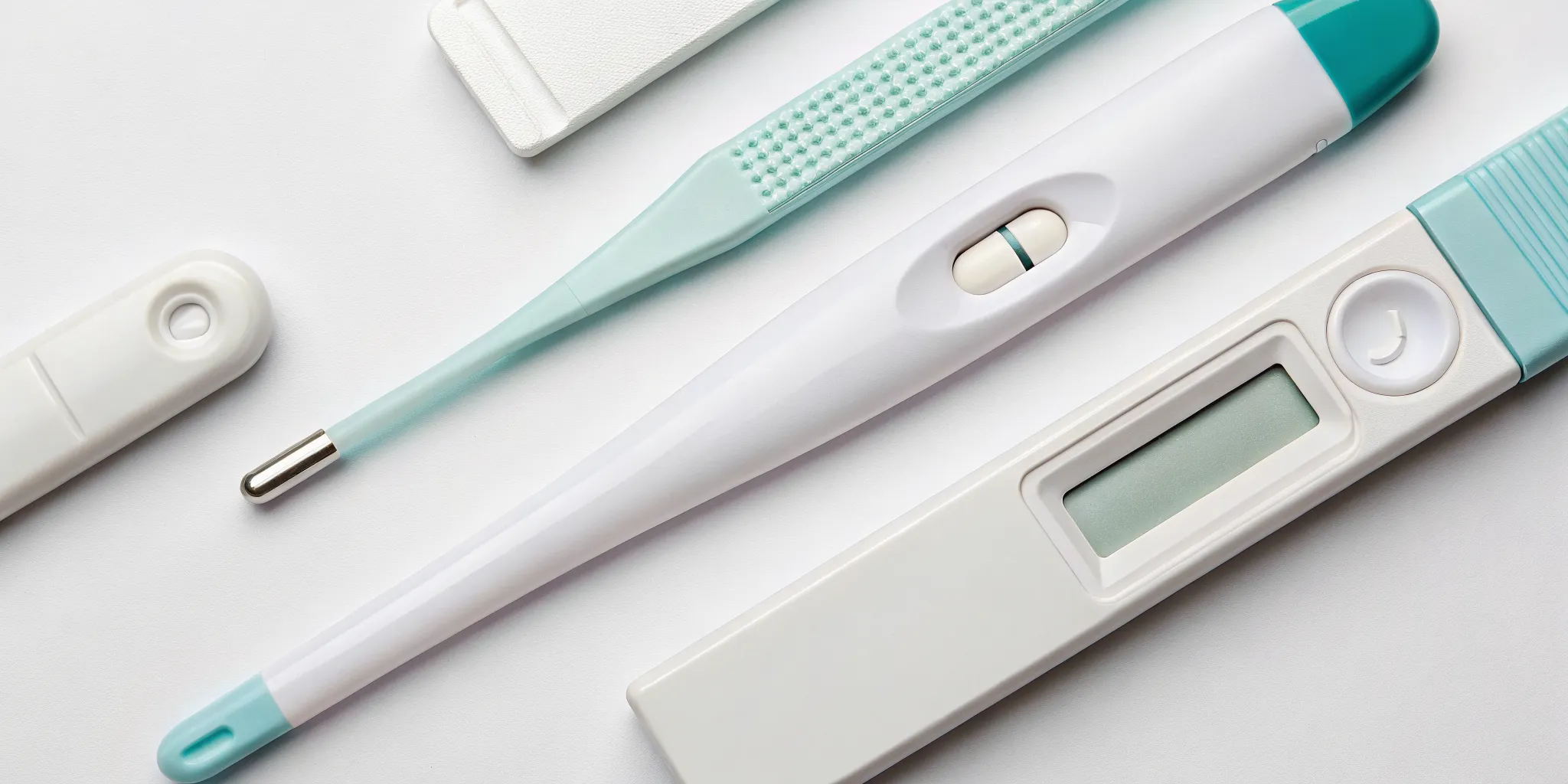
When you’re standing in the pharmacy aisle, the number of pregnancy test options can feel overwhelming. There are digital tests promising unmistakable results, early-detection tests for those who can’t wait, and budget-friendly strips for frequent testing. Often, price becomes a major factor in your decision. But what if it didn’t have to be? Because they are FSA eligible pregnancy tests, you have the freedom to choose the one that best fits your personal needs, not just your budget. This guide will help you understand your options and use your FSA funds with confidence, putting the power of choice back in your hands.
Key Takeaways
- Pregnancy tests are always FSA-eligible: You can use your pre-tax FSA funds to buy any brand or type of pregnancy test, from digital to bulk strips, without needing a prescription from your doctor.
- Buying is simple and convenient: Purchase FSA-eligible tests at everyday places like Target, Amazon, or your local pharmacy. Pay directly with your FSA card or keep the itemized receipt to easily file for reimbursement later.
- Maximize your funds for family planning: Your FSA isn’t just for pregnancy tests; use it to cover other essentials on your journey, such as ovulation kits, basal thermometers, and prenatal vitamins, to make the most of your pre-tax dollars.
Are Pregnancy Tests FSA-Eligible?
Yes, they are. If you have a Flexible Spending Account (FSA), you can absolutely use it to pay for pregnancy tests. This is great news because it means you can use pre-tax money to cover the costs, making family planning and health monitoring a little more affordable.
Understanding your health benefits can sometimes feel like a puzzle, but this is one piece that fits perfectly. Let’s walk through what an FSA is and why pregnancy tests are considered a qualified medical expense, so you can feel confident using your funds for them.
What Is a Flexible Spending Account (FSA)?
Think of a Flexible Spending Account (FSA) as a special savings account for your health. It’s a benefit many employers offer that lets you set aside money directly from your paycheck before taxes are taken out. You can then use these funds for eligible out-of-pocket medical expenses, like doctor visit copays, prescriptions, and dental care.
The key is that the items you buy must be for a medical purpose. As the FSA Store explains, “FSA-eligible products and services are qualified medical expenses that would not be used but for the medical need.”
Why Pregnancy Tests Are a Qualified Medical Expense
The reason pregnancy tests make the cut is simple: they are used to diagnose a medical condition, which in this case is pregnancy. The IRS sets the rules for what FSAs can cover, and it considers diagnosing a condition a valid medical purpose. This puts pregnancy tests in the same category as other at-home diagnostic tools, like thermometers or blood pressure monitors.
This isn’t just limited to FSAs, either. According to the financial wellness company Lively, pregnancy tests are “eligible for reimbursement with a flexible spending account (FSA), health savings account (HSA), or a health reimbursement arrangement (HRA).” Best of all, you don’t need a prescription from a doctor to purchase them with your FSA funds.
The Best FSA-Eligible Pregnancy Tests
Walking down the pharmacy aisle to pick out a pregnancy test can be a deeply personal and sometimes nerve-wracking experience. With so many boxes and promises on the shelf, how do you choose the right one? The best pregnancy test really depends on what you need in that moment. Are you looking for a crystal-clear digital result to eliminate any guesswork? Or maybe you’re hoping for an early-detection test that can give you an answer a few days sooner. For those on a longer fertility journey, budget-friendly bulk strips might be the most practical choice, while others might prefer a test that syncs with an app to track their entire cycle. And increasingly, many of us are looking for more sustainable, eco-friendly options that align with our values.
The great thing is, because pregnancy tests are a qualified medical expense, you can use your Flexible Spending Account (FSA) to purchase any of them. This frees you up to choose based on features and personal preference rather than just the price tag. It’s another way you can take control of your health journey with the resources available to you. Below, we’ll explore some of the top FSA-eligible pregnancy tests, highlighting what makes each one stand out so you can find the perfect fit for you.
Clearblue: For Digital Results with Over 99% Accuracy
If you’re looking for a straightforward answer without having to interpret faint lines, Clearblue is a fantastic choice. Their digital tests spell it out for you with a clear “Pregnant” or “Not Pregnant” result on the screen. This can be incredibly reassuring when you’re feeling anxious and just want to know for sure. Clearblue’s digital options boast over 99% accuracy when you test from the day of your expected period, giving you a result you can trust. They are a go-to for anyone who values clarity and precision during a potentially stressful time.
First Response: For Early Detection Up to 6 Days Before a Missed Period
For those who find the two-week wait unbearable, First Response is a popular ally. This brand is known for its early detection technology, which is sensitive enough to detect pregnancy hormones up to six days before your missed period. While testing early can sometimes result in a false negative if hormone levels aren’t high enough yet, many people appreciate the option to find out sooner. If you’re actively trying to conceive and want the earliest possible answer, having a First Response test in your cabinet can provide peace of mind and help you plan your next steps.
Pregmate: For Budget-Friendly Test Strips in Bulk
If you’re on a journey that involves frequent testing, the cost of single-use plastic tests can add up quickly. That’s where Pregmate comes in. They offer simple, no-frills test strips that you can buy in bulk at a very affordable price. These are the same type of tests many doctors’ offices use. While they don’t have a plastic casing or a digital screen, they are highly accurate and easy to use once you get the hang of it. Pregmate test strips are an excellent, budget-friendly choice for anyone who wants to test often without worrying about the expense.
Easy@Home: For Complete Fertility Tracking with App Integration
For a more comprehensive approach to your fertility journey, Easy@Home offers a system that goes beyond just pregnancy tests. Their test strips are designed to work with the Premom app, allowing you to track your ovulation and pregnancy results all in one place. This integration helps you see the bigger picture of your cycle, identify your most fertile days, and understand your body’s patterns over time. If you’re a data-driven person who loves having everything organized on your phone, the Easy@Home family planning tests can be an empowering tool for managing your reproductive health.
Bird&Be: For Eco-Friendly Options with Minimal Packaging
If sustainability is important to you, you might be hesitant about the plastic waste that comes with many pregnancy tests. Bird&Be addresses this concern with their eco-friendly test strips. They are designed with minimal packaging and create significantly less waste than the bulky plastic tests you often see on shelves. This doesn’t mean you sacrifice quality; they are still highly sensitive and accurate for early detection. Choosing Bird&Be pregnancy tests allows you to get the clear answers you need while making a choice that feels better for the planet.
Where to Buy FSA-Eligible Pregnancy Tests
Once you know that pregnancy tests are a qualified medical expense, the next step is figuring out where to buy them. The good news is that you don’t have to go out of your way to find them. FSA-eligible pregnancy tests are available at most of the places you already shop, both online and in your neighborhood. This makes it simple to pick one up whenever you need it, without adding extra stress to your day. Whether you prefer the convenience of having items delivered to your door or need to grab a test on your way home, you have plenty of options. Let’s walk through the best places to shop so you can use your FSA funds with confidence.
Online Retailers like Amazon, Walmart, and Target
Shopping online is often the easiest and most private way to buy pregnancy tests. Major retailers have made it incredibly simple to find and purchase FSA-eligible products directly from their websites. For example, Walmart offers a huge selection of FSA/HSA eligible family planning items, so you can browse dozens of brands from home.
Similarly, Target has a dedicated section for pregnancy and ovulation tests that are FSA-eligible, taking the guesswork out of what qualifies. You can even find options like the Bird&Be Pregnancy Test Strips on Amazon, making it easy to use your FSA card for direct payment at checkout.
Your Local Pharmacy and Grocery Store
If you need a pregnancy test right away, your local pharmacy or grocery store is a reliable choice. Chains like CVS, Walgreens, and even your neighborhood supermarket stock a variety of FSA-eligible tests. You can find them in the family planning or personal care aisles. The key to a smooth reimbursement process, if you aren’t using an FSA card, is to hold onto your receipt. Make sure it’s a detailed, itemized receipt that clearly shows the product name and purchase date. This is the proof your FSA administrator will need to approve your claim for these essential pregnancy tests.
Specialty FSA Stores
For a shopping experience where you know everything is 100% eligible, specialty FSA stores are your best bet. These online retailers, like FSAstore.com, exclusively sell products that qualify for FSA and HSA spending. This eliminates any confusion and lets you shop with complete peace of mind. You can find pregnancy tests alongside thousands of other FSA eligible items, from sunscreen to first-aid kits. These stores are also great resources for learning more about your benefits and getting clear explanations of FSA eligibility, helping you make the most of your account.
How to Get Reimbursed for Pregnancy Tests with Your FSA
Now that you know pregnancy tests are an approved expense, let’s talk about how to actually use your FSA funds to pay for them. The process is pretty simple, and you have a couple of options depending on how you prefer to handle your purchases. Whether you pay directly or ask for your money back later, a little bit of planning makes sure you get the full benefit of your FSA without any headaches.
Use Your FSA Debit Card for Direct Payment
The most straightforward way to buy pregnancy tests with your FSA is to use your dedicated debit card. Think of it just like any other debit card, but it’s loaded with your pre-tax FSA dollars. When purchasing pregnancy tests, you can use your FSA debit card at checkout for immediate payment. This is my favorite method because it lets you conveniently cover the cost of eligible items without needing to pay out of pocket and wait for a refund. Most major retailers, both online and in-person, accept FSA cards for qualified purchases, making it a seamless transaction.
Submit a Claim for Reimbursement
What if you forget your FSA card or pay with a different method by mistake? No problem at all. You can still get your money back. If you do not use your FSA card at the time of purchase, you will need to submit a claim for reimbursement. This process usually involves filling out a short claim form from your FSA administrator’s website and uploading a copy of your receipt. It takes a few extra minutes, but it ensures you get to use the funds you set aside. Your administrator will review the claim and then send you the money, typically through direct deposit or a check.
What Paperwork Should You Keep?
Whether you use your FSA card or file a claim later, keeping good records is key. Your FSA administrator might ask for proof of purchase to verify the expense, so it’s smart to be prepared. To ensure a smooth reimbursement process, keep detailed receipts that show the item name, date of purchase, and the amount spent. I always recommend snapping a quick photo of your paper receipts with your phone right after you buy something. This way, you have a digital backup in case the original gets lost or the ink fades. This documentation is essential for your claim submission and for your own records.
Common Myths About Using Your FSA for Pregnancy Tests
Flexible Spending Accounts can feel like they come with a complicated rulebook, which often leads to confusion and hesitation. When you’re trying to conceive or just keeping track of your cycle, the last thing you need is more uncertainty. You might wonder if you’re using your funds correctly or if you’ll have to jump through hoops to get reimbursed. Let’s clear the air and tackle some of the most common myths about using your FSA for pregnancy tests. Understanding the facts will help you use your account with confidence and make your health journey a little bit smoother.
Myth: You Need a Prescription
Let’s clear this one up right away: you do not need a prescription to buy pregnancy tests with your FSA funds. A common misconception is that FSA dollars are only for co-pays and prescription medications. In reality, your FSA covers a wide range of over-the-counter products as long as they are used for medical care. Pregnancy tests fall squarely into this category because their purpose is to diagnose a medical condition (pregnancy). This rule applies to many other everyday health products, making your FSA a powerful tool for managing your well-being without extra trips to the doctor.
Myth: Only Certain Brands Are Eligible
It’s easy to assume that only premium or specific “FSA-approved” brands are covered, but that’s not the case. Your FSA doesn’t play favorites with brands. Eligibility is determined by the type of product, not the name on the box. This means whether you prefer a digital test from Clearblue, an early-detection test from First Response, or budget-friendly test strips from Pregmate, they are all considered eligible expenses. This gives you the freedom to choose the product that best fits your needs and budget, all while using your pre-tax FSA dollars.
Myth: The Reimbursement Process Is Complicated
The idea of submitting claims and saving receipts can sound daunting, but the process is usually more straightforward than you think. Most FSA providers issue a debit card that you can use for direct payment at checkout, completely eliminating the need for reimbursement. If you do pay out-of-pocket, submitting a claim is typically a simple process of uploading a photo of your receipt to your provider’s online portal. The key is to purchase a qualified medical expense, which is any product you wouldn’t use if not for a medical need. Pregnancy tests fit this definition perfectly.
Maximize Your FSA for Family Planning
Using your FSA for pregnancy tests is a great start, but your pre-tax dollars can go much further on your family planning journey. Think of your FSA as a dedicated health and wellness fund. With a little planning, you can use it to cover a wide range of products that support your goals, from ovulation tracking to prenatal care. It’s all about understanding what qualifies and thinking ahead. By strategically using your FSA, you can make the entire process more affordable and feel more prepared for what’s to come. Let’s look at a few ways you can make the most of those funds.
Stock Up on Other FSA-Eligible Fertility Products
Your FSA isn’t just for confirming a pregnancy; it’s for the entire journey leading up to it. Pregnancy tests are just one of many eligible expenses. You can use your FSA funds to purchase a variety of other fertility-related products that support your efforts. This includes ovulation predictor kits (OPKs), which help you pinpoint your most fertile days, as well as basal body thermometers for tracking your cycle. Even prenatal vitamins for yourself or your partner often qualify. By stocking up on these essentials, you can use your pre-tax dollars to cover the costs of trying to conceive, making the process a little less stressful on your wallet.
How to Stretch Your FSA Dollars Further
A common myth is that FSAs only cover prescriptions and doctor’s visit co-pays. The truth is, your account can be used for a huge range of over-the-counter products. Many everyday health items are considered medical care and are therefore FSA-eligible. This opens up a lot of possibilities for smart spending. Beyond family planning, you can use your funds for things like sunscreens, first-aid kits, contact lens solution, and pain relievers. Understanding the full list of FSA eligible items helps you get the most value from every dollar you’ve set aside for your health.
Plan Your Purchases Before Your FSA Year Ends
Most FSAs have a “use it or lose it” rule, meaning any money left in your account at the end of the plan year disappears. That’s why planning is so important. As your deadline approaches, take stock of what you have and what you might need in the coming months. This is the perfect time to replenish your medicine cabinet with family planning supplies, first-aid essentials, or even menstrual care products. By thinking ahead, you can ensure you use every last dollar you contributed. It’s a simple way to make sure your hard-earned money works for your well-being.
Related Articles
- FSA Eligible Prenatal Vitamins: A Complete Guide
- Shop FSA Eligible Items – What You Can Buy & Where
- FSA Eligible Breast Pump: Your Complete 2026 Guide
- Shop FSA Eligible Items: The Smart Shopper’s Guide
- What Can I Spend My Flexible Spending Account On?
Frequently Asked Questions
What’s the difference between an FSA and an HSA? That’s a great question, as they sound very similar. The main difference is who owns the account and what happens to the money at the end of the year. An FSA is an account you get through your employer, and you typically have to use the funds within the plan year. An HSA (Health Savings Account) is an account you own personally, and the funds roll over year after year, so you never lose them. Both can be used for pregnancy tests.
Will my employer know that I bought a pregnancy test with my FSA? Your privacy is protected. Your employer does not see a list of your specific purchases. They only know how much you contribute to your account and how much you spend. The transaction details are handled by the FSA administrator, which operates under strict privacy rules, so you can feel completely comfortable buying personal health items.
What should I do if my FSA card is declined when I try to buy a test? Don’t worry if this happens. Sometimes a store’s payment system isn’t set up to automatically recognize every eligible item. If your card is declined, you can simply pay with a personal card. Just be sure to get an itemized receipt, then submit it to your FSA administrator online for a quick reimbursement.
Can I use my FSA for things like ovulation kits and prenatal vitamins too? Yes, absolutely. Your FSA is a fantastic resource for your entire family planning journey, not just for pregnancy tests. You can use it to cover the cost of ovulation predictor kits, basal thermometers to track your cycle, and even prenatal vitamins. It’s a great way to make the whole process more affordable.
Do I have to buy pregnancy tests from a special FSA store? Not at all. While specialty online stores like FSAstore.com are convenient because everything they sell is eligible, you are free to buy pregnancy tests wherever you normally shop. You can find them at your local pharmacy, grocery store, or big-box retailers like Target and Amazon. Just use your FSA card at checkout or save your receipt to get reimbursed later.