
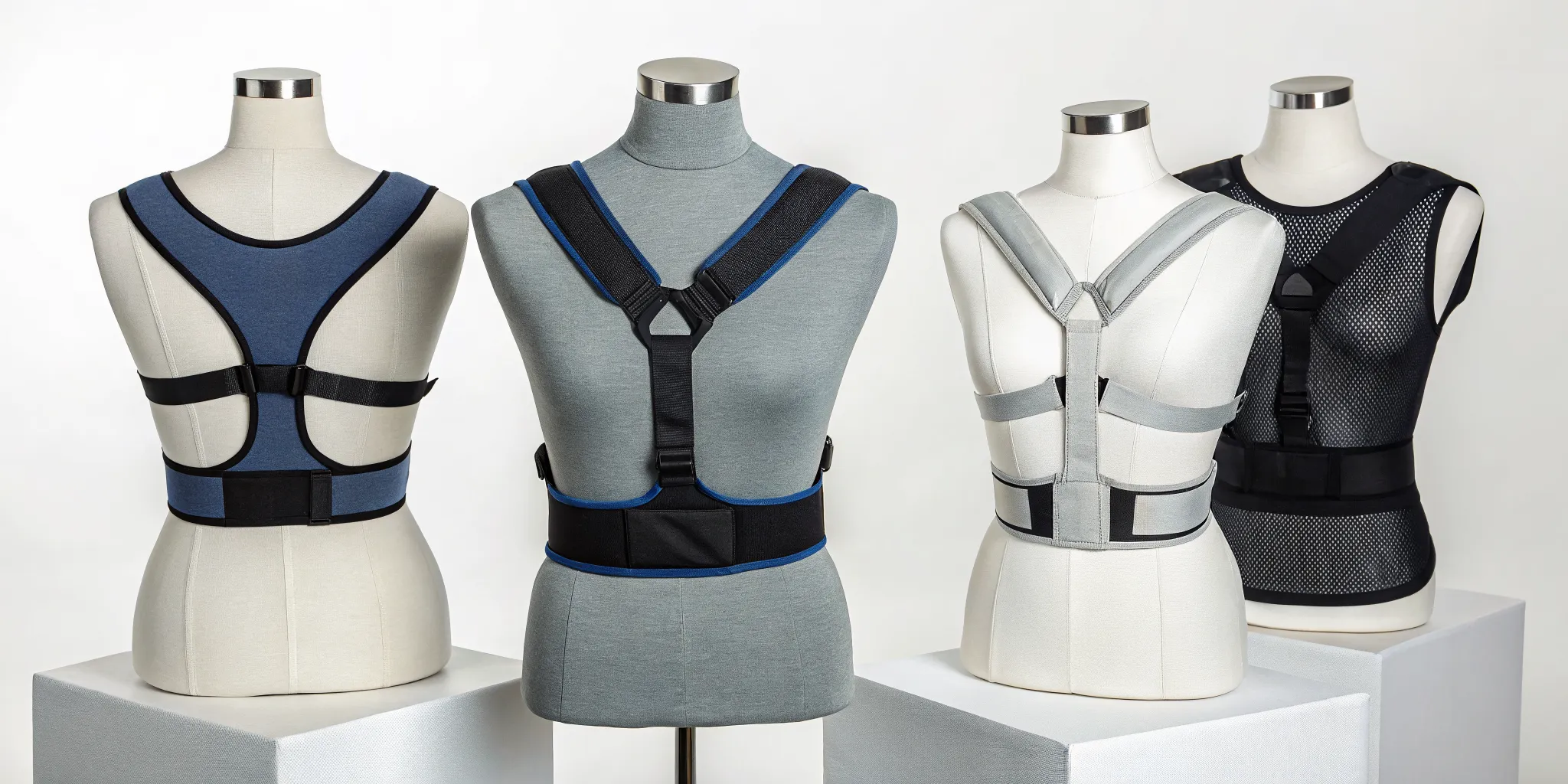
Making the most of your Flexible Spending Account (FSA) means knowing about all the surprising things you can buy with your pre-tax dollars. It’s not just for co-pays and prescriptions. You can use it for items that support your daily well-being, and a great example is an FSA eligible posture corrector. If you deal with back, neck, or shoulder discomfort from slouching, this is a simple and effective tool you can purchase with a built-in discount. We’ll break down how to use your health savings for wellness products, what to look for in a quality corrector, and how to make your health fund work smarter for you.
Key Takeaways
- Use Your FSA or HSA for Smart Savings: Many posture correctors qualify as medical equipment, allowing you to buy them with pre-tax dollars from your health account for a significant discount.
- Think of It as a Training Partner: A posture corrector is most effective when used for short periods to build muscle memory. For long-term improvement, pair its use with exercises that strengthen your core and back.
- Prioritize Comfort for Consistent Use: The best corrector is one you’ll wear regularly, so focus on finding an adjustable fit, breathable materials, and a design that matches your daily routine.
What Is an FSA-Eligible Posture Corrector?
If you’ve ever wondered whether you can use your health savings to buy items that support your well-being, you’re in the right place. A posture corrector can be a fantastic tool for back, neck, and shoulder support, and the good news is that many of them are eligible for purchase with your pre-tax health account dollars. This means you can invest in your posture without paying income tax on the money you use. Let’s break down how it all works.
First, What Are FSA and HSA Accounts?
Before we get into posture correctors, let’s quickly cover the accounts that make these savings possible. An FSA (Flexible Spending Account) and an HSA (Health Savings Account) are special, tax-advantaged accounts that let you set aside pre-tax money for eligible medical expenses. Think of it as a dedicated fund for your health needs. Because the money goes in before taxes are taken out, you end up saving on everything you buy with it. An FSA is typically offered through an employer and often has a “use it or lose it” rule by the end of the year. An HSA is usually paired with a high-deductible health plan, and the funds roll over year after year, which is a great perk.
How Does a Posture Corrector Qualify for FSA Coverage?
So, how does a posture corrector make the list of approved items? It qualifies when it’s considered medical equipment intended to treat or prevent a specific health condition. While you can’t just buy any wellness gadget, a posture corrector designed to address back pain or prevent spinal issues often meets the criteria. Many retailers have simplified this process by partnering with services that verify your purchase, allowing you to use your HSA/FSA funds directly at checkout. This makes it much easier to get the products you need without the guesswork. In some cases, you might need a Letter of Medical Necessity from your doctor, so it’s always a good idea to check your plan’s specific requirements.
What the IRS Considers Medical Equipment
The official guidelines come from the IRS, which has a clear definition of what counts as medical equipment. According to the IRS, these are items primarily used to treat or prevent a medical condition. This is where posture correctors fit in perfectly, as their main purpose is often to alleviate pain and improve posture related to a medical need. For an item to be eligible, its function must be medical rather than for general health or wellness. This distinction is why it’s important to choose a corrector that is marketed for its therapeutic benefits and is recognized as an FSA-eligible product.
Our Top Picks for FSA-Eligible Posture Correctors
Finding the right posture corrector can feel like a big task, but it doesn’t have to be. The goal is to find a supportive tool that helps you build better habits without getting in your way. Think of it as a friendly reminder for your spine throughout the day. We’ve looked at some of the best FSA-eligible options out there to help you stand a little taller and feel more comfortable in your own skin. From simple braces to smart devices, there’s a solution that can fit your lifestyle and your budget.
What We Look For in a Quality Corrector
When I’m evaluating posture correctors, I look for a few key things. Comfort is at the top of the list, because if it’s not comfortable, you simply won’t wear it. Effectiveness is just as important; it needs to gently guide your shoulders and spine into better alignment without forcing them. I also look for options that can easily fit into your daily routine, whether you’re at a desk or on the move. A great corrector doesn’t just relieve the aches that come from slouching, it also helps you build the muscle memory for healthier posture long-term.
Cayatch Posture Corrector
The Cayatch Posture Corrector is a fantastic starting point if you’re dealing with the neck and back pain that often comes from hunching over a screen. It works by gently pulling your shoulders back, which helps realign your spine into a more natural position. It’s a straightforward and effective tool for anyone looking to undo some of the damage from slouching. A huge plus is that it’s eligible for purchase using HSA/FSA funds, which means you can use your pre-tax dollars to invest in your spinal health and save some money in the process.
ComfyBrace and BackJoy Models
If you need something you can wear for hours, ComfyBrace is a brand worth checking out. Their designs really prioritize comfort alongside effectiveness, making them a solid choice for all-day support. On the other hand, BackJoy offers a range of ergonomic solutions designed to relieve the discomfort that comes from sitting or standing for long periods. Both brands have FSA-eligible products, giving you accessible options to improve your posture without breaking the bank. They offer different approaches to the same problem, so you can find what works best for your body and daily activities.
Upright Go 2 Smart Posture Trainer
For those who love a more modern, tech-forward approach, the Upright Go 2 Smart Posture Trainer is a game-changer. Instead of a physical brace, this small, wearable device sticks to your upper back and gives you a gentle vibration whenever you start to slouch. It’s like having a personal posture coach with you all day. Because it’s so discreet, you can easily wear it under your clothes at the office or while you’re out and about. It’s a practical and innovative way to train yourself into maintaining better posture without anyone knowing.
Posture Pump Spine Trainer
If you’re looking for a more intensive solution that you can use at home, the Posture Pump Spine Trainer is a powerful tool. This device is uniquely designed to decompress your spine using an inflatable mechanism. It specifically targets the neck (cervical) and lower back (lumbar) regions, offering a comprehensive approach to relieving stiffness and improving your posture from the ground up. It’s also FSA-eligible, making it a worthwhile investment for anyone serious about their long-term spinal health and looking for deep, restorative relief.
The Health Benefits of Better Posture
We often think of posture in terms of appearance, like sitting up straight for a photo. But its impact goes far deeper, touching nearly every aspect of our physical health. From nagging aches to how well we breathe, the way we carry ourselves matters. Investing in better posture is a simple, powerful way to support your body’s long-term health and daily comfort. Let’s look at some of the most significant benefits you can gain by paying a little more attention to your alignment.
Relieve Neck, Shoulder, and Back Pain
That persistent ache in your neck or the tension across your shoulders after a long day at the desk is often a direct result of slouching. When your posture is out of alignment, your muscles have to work overtime to hold your head up and keep you balanced. This constant strain leads to fatigue and pain. Posture correctors can help reduce back and neck pain by gently guiding your spine and shoulders back into their natural position. Think of it as a friendly reminder for your body, helping to retrain your muscles and relieve the pressure that builds up from poor postural habits over time.
Help Prevent Long-Term Spinal Issues
Correcting your posture is about more than just feeling better today; it’s a crucial step in protecting your spine for the future. Habitual slouching puts uneven pressure on your vertebrae and spinal discs, which can lead to serious issues down the road. By actively working on your alignment, you can help prevent the kind of wear and tear that contributes to conditions like herniated discs or sciatica. Using a posture corrector regularly can help undo some of the stress from poor habits and prevent serious conditions from developing in the first place, making it a proactive investment in your long-term mobility.
Improve Breathing and Overall Well-Being
Have you ever noticed that taking a deep, satisfying breath is easier when you’re standing tall? That’s no coincidence. When you slouch, you compress your chest cavity, limiting the space your lungs have to expand. This leads to shallower breathing, which can leave you feeling tired and unfocused. By straightening your spine and opening up your chest, you allow your diaphragm to move freely, enabling deeper, more efficient breaths. This simple change can increase oxygen flow throughout your body, which helps improve your overall physical health and can even lead to better energy levels and a calmer state of mind. It’s a perfect example of how a small physical adjustment can create a positive ripple effect on your well-being.
How to Choose the Right Posture Corrector for You
Finding the right posture corrector isn’t about grabbing the first one you see online. Think of it as a personalized tool to help you build better habits. The best choice for you depends entirely on your body, your daily routine, and your specific goals. A corrector that feels great for someone who sits at a desk all day might not be the right fit for someone who is more active or dealing with a specific spinal issue.
To make a confident choice, you’ll want to consider a few key things. First, get clear on exactly what you need help with. Are you trying to fix a general slouching habit, or are you addressing more specific discomfort in your neck and shoulders? Next, think about the practical side of things. The fit has to be just right, and the materials need to be comfortable enough for you to actually wear it consistently. Finally, consider your lifestyle. Do you need something discreet that you can wear to the office, or will you primarily be using it at home? Answering these questions will help you find a corrector that works with you, not against you.
Define Your Specific Posture Needs
Before you start shopping, take a moment to think about your main reason for wanting a posture corrector. Are you simply trying to stop slouching at your computer? Or are you looking for relief from persistent neck, shoulder, or back pain? Some people need support for specific conditions like kyphosis, which is a rounding of the upper back.
Different correctors offer different types of support. Some are gentle, flexible reminders that help you retrain your muscles, while others provide more rigid structural support. Knowing your primary goal will help you narrow down the options and find a device designed to address your specific concerns, ensuring you get the support you actually need.
Check for the Right Size and Fit
A posture corrector that doesn’t fit properly can be more of a problem than a solution. If it’s too loose, it won’t provide any support. If it’s too tight, it can dig into your skin, restrict your breathing, or cause chafing. The goal is to find a snug but comfortable fit that gently pulls your shoulders back without causing discomfort.
Always check the manufacturer’s sizing guide before you buy, and take your measurements carefully. Look for models with adjustable straps, as they allow you to customize the fit to your unique body shape. A well-fitting corrector should feel supportive, not restrictive, allowing you to move through your day with ease while it works in the background.
Prioritize Comfortable Materials
If you’re going to wear a device against your body for hours at a time, comfort is non-negotiable. An uncomfortable corrector will likely end up in a drawer after just a few uses. Look for products made from lightweight and breathable materials that won’t trap heat or irritate your skin.
This is especially important if you plan to wear your corrector under your clothes. Soft, skin-friendly fabrics will prevent itching and allow you to wear the device for longer periods without even thinking about it. The more comfortable it is, the more consistent you’ll be, and consistency is key to seeing real improvement in your posture.
Decide if You Need a Discreet Design
Think about where and when you plan to wear your posture corrector. Will it be just for home use, or do you want to wear it at the office, while running errands, or at the gym? If you plan to wear it out and about, you’ll probably want a design that’s slim and discreet enough to hide under your clothing.
Many modern posture correctors are specifically designed to be invisible under a shirt. They often feature thin straps and low-profile closures, like hook-and-loop fasteners, instead of bulky buckles. Choosing a discreet design gives you the flexibility to work on your posture anytime, anywhere, without feeling self-conscious.
What’s the Price Tag on a Good Posture Corrector?
Investing in your posture doesn’t have to be a major expense. In fact, most posture correctors are quite affordable, making them an accessible tool for anyone looking to improve their alignment and reduce discomfort. The key is knowing what to look for and how to make your health dollars work smarter for you.
Let’s break down the typical costs and explore a fantastic way to save money on your purchase, so you can feel good about your decision both physically and financially.
A Quick Look at the Price Range
You’ll be happy to know that you can find a quality posture corrector without breaking the bank. A quick look at online retailers shows a wide variety of options, with many effective models priced between $20 and $30. On sites like Amazon, you can browse a huge selection of FSA or HSA eligible correctors, many with thousands of positive reviews. This wide range means you can find a device that fits your body, your lifestyle, and your budget. The strong demand for these products shows just how many people are finding relief and value in them.
How Your FSA Saves You Money
Here’s a smart way to make your purchase even more affordable: use your Flexible Spending Account (FSA) or Health Savings Account (HSA). Because posture correctors are considered medical equipment intended to prevent or manage a medical condition (like chronic back pain), they often qualify for purchase with these pre-tax funds. Using your FSA or HSA dollars can save you an average of 30% on the final cost. For example, products like the Cayatch Posture Corrector are explicitly marketed as eligible, making it a financially savvy choice for taking control of your spinal health.
Common Myths About Posture Correctors, Busted
Posture correctors can be a fantastic tool on your health journey, but there’s a lot of confusing information out there. To make a smart choice, it helps to separate fact from fiction. Let’s clear up a few common misunderstandings so you can use a posture corrector effectively and get the results you’re looking for. Believing these myths can not only hold you back but might even work against your goal of building stronger, healthier posture for the long run.
Understanding what a posture corrector can and can’t do is the first step. Think of it less as a magic solution and more as a supportive partner in your wellness routine. By busting these myths, you can set realistic expectations and create a plan that truly supports your body. Here are the top three myths we hear all the time, and the real story behind them.
Myth: They’re a Quick Fix for Bad Posture
It’s tempting to think of a posture corrector as an instant fix. You strap it on, and voilà, perfect posture. But it’s more of a training tool than a cure. A corrector works by providing a gentle, physical reminder to pull your shoulders back and engage your core. It helps you build the muscle memory needed for better alignment.
The real work still comes from you. True, lasting improvement requires addressing the underlying issues that lead to slouching, like weak back and core muscles. Relying on the device alone without doing strengthening exercises is like putting a bandage on a problem that needs a bit more attention. Think of it as a guide, not a crutch.
Myth: You Should Wear Them All Day
If a little is good, a lot must be better, right? Not in this case. Wearing a posture corrector for extended periods can actually be counterproductive. When the brace does all the work of holding you upright, your muscles don’t have to. Over time, this can lead to muscle dependency and even weaken the very muscles you’re trying to strengthen.
Instead, use your corrector in moderation. Start with 15 to 30 minutes a day and gradually increase the time as you feel comfortable. It’s most effective during activities where you tend to slouch, like sitting at your desk or driving. The goal is to train your body, not to become reliant on the device. Always combine its use with exercises that strengthen postural muscles.
Myth: They’re All Bulky and Obvious
When you hear “posture corrector,” you might picture a clunky, restrictive harness that’s impossible to hide. While those older models certainly existed, today’s designs are a world apart. Many modern posture correctors are lightweight, sleek, and made with breathable, soft materials that move with you.
Manufacturers know that you want to wear your corrector without announcing it to the world. That’s why many are specifically designed to be discreet. You can easily wear them under a sweater or a business shirt without anyone noticing. This focus on a discreet design means you can get the support you need at the office, at home, or on the go without feeling self-conscious.
How to Buy a Posture Corrector with Your FSA or HSA
Using your Flexible Spending Account (FSA) or Health Savings Account (HSA) is a smart way to invest in your health with pre-tax dollars. Since posture correctors are considered medical equipment, they often qualify. It might seem like a complicated process, but it’s actually quite simple once you know the steps. Let’s walk through how to purchase a posture corrector using your health benefits account.
Your Step-by-Step Purchase Guide
First, confirm that the posture corrector you want is an eligible expense. Most are, but it’s always good to double-check with your plan administrator or the retailer. Some plans may require a Letter of Medical Necessity (LMN) from your doctor, which simply explains why the device is needed to treat a medical condition. Once you’ve confirmed eligibility, check your FSA or HSA balance to ensure you have enough funds. When you’re ready to buy, you can often use your FSA or HSA card just like a regular debit card. If the retailer doesn’t accept it directly, you’ll use your own card and submit the receipt for reimbursement.
Keep the Right Documentation and Receipts
This step is key. After you make your purchase, hold onto all the paperwork. Your plan administrator might ask for proof that your purchase was a qualified medical expense, so you’ll want to have an itemized receipt ready. Don’t just keep the credit card slip; you need a receipt that shows exactly what you bought. If you needed a Letter of Medical Necessity, keep a copy of that with your receipt. Storing these documents in a dedicated folder, either physical or digital, will save you a lot of time and prevent any issues if you need to verify the purchase later on.
Find Approved Retailers and Online Stores
Finding a place to buy your posture corrector is easier than ever. Many online retailers specialize in health products and accept FSA or HSA cards directly. Websites like the FSA Store are fantastic because every single item they sell is guaranteed to be eligible, which takes out all the guesswork. You can also find eligible posture correctors at major pharmacies and big-box stores. A great tip is to sign up for email newsletters from these retailers. They often send out special promotions, discount alerts, and helpful reminders before your FSA funds expire at the end of the year.
How to Get the Most from Your FSA Dollars
An FSA is a fantastic tool for managing health expenses, but it pays to be strategic. With a little planning, you can make sure every pre-tax dollar is put to good use for your well-being. It’s not just about spending the money before it expires; it’s about making smart, intentional choices that support your health goals throughout the year. Think of it as a dedicated fund for taking care of yourself, and with the right approach, you can make it stretch further than you might expect. These simple tips will help you make confident decisions and get the full value from your account.
Use Your Pre–Tax Dollars Wisely
The biggest advantage of an FSA is that you’re using money you haven’t paid taxes on. This means you get more purchasing power for every dollar you contribute. For example, if you’re in a 24% tax bracket, spending $100 from your FSA is like spending only $76 of your regular take-home pay. This built-in savings makes it a cost-effective way to purchase health items like a posture corrector. Some companies even partner with services like Truemed to help you easily use your pre-tax dollars on qualified wellness products, making the whole process smoother.
Look for Discounts and Promotions
You can stretch your FSA funds even further by pairing your pre-tax savings with store discounts. Many online retailers that specialize in FSA-eligible products run sales and promotions throughout the year, especially as spending deadlines approach. A great way to stay in the loop is to sign up for email newsletters from sites like the FSA Store. They often send out discount alerts, special offers, and helpful cart reminders, so you can time your purchase to get the best possible deal. It’s a simple step that ensures you’re maximizing every dollar in your account.
Plan Your Purchase Before the Deadline
The “use it or lose it” rule for FSAs can feel stressful, but it doesn’t have to be. The key is to plan ahead instead of scrambling in the final weeks of your plan year. Take a look at your remaining balance a couple of months before the deadline. This gives you plenty of time to assess your needs and research products without feeling rushed. Many retailers will even send out FSA deadline reminders to help you stay on track. A little foresight prevents last-minute panic buying and helps you make choices that genuinely benefit your health.
Related Articles
- Shop FSA Eligible Items – What You Can Buy & Where
- The Best FSA Products for Wellness: Our Top Picks
- FSA Eligible Compression Socks: A Buyer’s Guide
- FSA Eligible Heating Pad: Your Complete Guide
- Can You Use an FSA for Cosmetic Surgery?
Frequently Asked Questions
Do I really need a doctor’s note to buy a posture corrector with my FSA? It really depends on your specific health plan. Many online stores have streamlined the process so you can buy an eligible corrector directly with your FSA or HSA card, no questions asked. However, some plan administrators might require a Letter of Medical Necessity from your doctor to confirm that you’re using the device to treat a specific condition, like back pain. Your best bet is to check your plan’s guidelines first to be sure.
How long will it take to see results from wearing a posture corrector? Think of it as a gradual training process rather than an instant fix. You might feel some immediate relief from muscle strain, but the real goal is building long-term muscle memory. With consistent use for short periods each day, you could start to notice a natural improvement in your posture in a few weeks. Lasting change, where good posture becomes your default, often takes a couple of months of regular use paired with core-strengthening exercises.
Is it okay to wear a posture corrector while I’m sleeping or exercising? It’s best to avoid wearing a posture corrector to bed, as your body should be able to rest and move naturally without any restriction. For exercise, it depends on the activity. A corrector could be helpful during a walk to keep you mindful of your alignment, but it might get in the way during more intense workouts where a full range of motion is important. The most effective time to wear one is during activities where you tend to slouch, like working at a computer or driving.
What’s the difference between a regular brace and a smart posture trainer? A standard posture corrector or brace offers passive, physical support. It works by gently holding your shoulders and spine in a better position, acting as a physical guide. A smart trainer, on the other hand, is an active coaching device. It doesn’t physically hold you up; instead, it uses a gentle vibration to alert you when you start to slouch. This helps you actively engage your muscles to correct your own posture, which is great for building self-awareness.
What should I do if my FSA card is declined when I try to buy a posture corrector? Don’t worry, a declined card doesn’t necessarily mean the item isn’t eligible. Sometimes a retailer’s system isn’t set up to process FSA or HSA cards directly. The easiest solution is to pay for the purchase with your personal debit or credit card. Just be sure to save the itemized receipt. You can then submit that receipt to your plan administrator to get reimbursed from your account funds.