
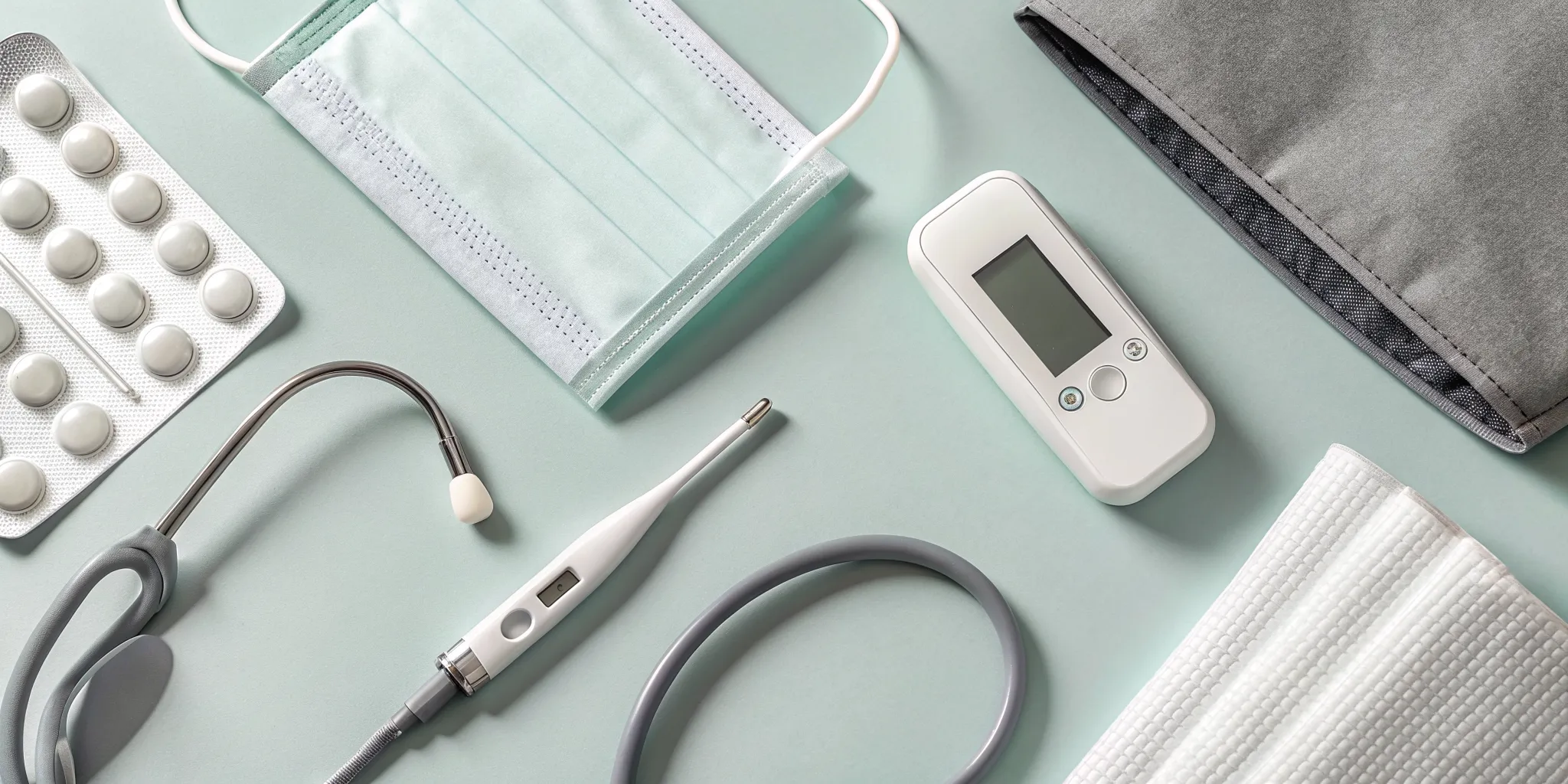
Did you know your FSA can pay for more than just prescriptions and doctor’s visits? That account is your ticket to stocking up on a huge variety of health and wellness products using pre-tax money. We’re talking about everything from the sunscreen you use every day to the cold medicine you reach for in a pinch. The list of fsa-eligible items is surprisingly long and includes things you might not expect, like acne treatments, contact lens solution, and even first-aid kits for your car. Getting to know what qualifies is the secret to maximizing your savings and ensuring not a single dollar goes to waste.
Key Takeaways
- Use pre-tax dollars for everyday wellness: Your FSA isn’t just for co-pays; it covers a huge list of items you already buy, including over-the-counter medications, sunscreen, and first-aid supplies.
- Avoid the “use it or lose it” trap: Plan your annual contribution by estimating your health expenses, and be sure to spend your remaining balance on eligible items before the year ends to keep your money.
- Know your plan’s rules and keep good records: Always save your itemized receipts for reimbursement or verification, and double-check your specific plan’s guidelines, as some purchases may require a doctor’s note.
What’s an FSA and How Does It Work?
A Flexible Spending Account, or FSA, is a special account you put money into to pay for certain out-of-pocket health care costs. Think of it as a personal savings account, but with a big tax advantage: the money you contribute isn’t taxed. This means you get to keep more of your hard-earned paycheck while covering medical expenses for you and your family. The Internal Revenue Service (IRS) sets the official rules for what counts as a qualified expense, but it’s always a good idea to check your employer’s plan for its own specific guidelines.
Understanding what you can and can’t buy is the key to making the most of your FSA. It’s not just for doctor’s visits and prescriptions. The list of FSA-eligible items is surprisingly long and includes many everyday products you might already be buying, from sunscreen to first-aid kits. Getting familiar with the basics helps you plan your contributions and spend your funds wisely. Since most FSAs have a “use it or lose it” rule, knowing your options prevents you from leaving money on the table at the end of the year.
The Basics: What Qualifies as an FSA Purchase?
So, what can you actually buy with your FSA funds? The list covers a wide range of health and wellness products. You can generally expect to use your FSA for over-the-counter medicines, first-aid supplies, skin care items like sunscreen and acne treatments, and home health care products such as blood pressure monitors. It also covers baby and child care essentials, eye care like contact lenses and solution, and dental care products.
For some purchases, you might need a bit more paperwork. Items like vitamins, certain supplements, or even massage therapy often require a Letter of Medical Necessity (LMN) from your doctor. This note simply confirms that the item or service is needed to treat a specific medical condition, making it one of the qualified medical expenses under your plan.
Clearing Up Common FSA Myths
It’s easy to assume that anything related to “health” is fair game for your FSA, but that’s a common myth. Items that are for your general well-being, rather than for treating or preventing a specific medical condition, are typically not covered. For example, you can’t use your FSA to pay for a gym membership just to stay in shape, and everyday toiletries like standard toothpaste or soap don’t usually qualify.
The line can sometimes feel blurry. The key distinction is whether the item addresses a diagnosed medical need. While you can’t buy vitamins for general health, they might be covered if your doctor prescribes them for a specific deficiency. This is why it’s always a good idea to check your plan’s specific rules or look at a list of top FSA eligible items before you shop.
How Recent Changes Expanded Your Options
Good news: using your FSA funds on everyday health items has gotten much easier. Thanks to the CARES Act passed in 2020, you no longer need a doctor’s prescription to buy over-the-counter (OTC) medications with your FSA. This was a big change that opened up the catalog of eligible products significantly. Now, you can head to the pharmacy and stock up on essentials without any extra steps.
This update means you can use your pre-tax dollars on hundreds of common products directly off the shelf. Think cold and cough medicine, allergy relief pills, pain relievers like ibuprofen, and heartburn medication. This change makes it simpler to use your funds on the things you need most often. Many retailers even have dedicated sections online where you can browse all of their FSA/HSA eligible items in one place.
Your FSA Shopping List: What’s Covered?
One of the best things about having an FSA is realizing just how many health-related products you can buy with your pre-tax dollars. It goes way beyond co-pays and prescriptions. Think of it as your dedicated budget for staying well, covering everything from the items in your medicine cabinet to the tools you use to monitor your health. Knowing what qualifies can help you plan your spending and make sure you don’t leave any money on the table at the end of the year. Let’s walk through some of the key categories of FSA qualified medical expenses you can shop for.
Everyday Health: OTC Meds and Pain Relief
You can use your FSA to stock up on many of the over-the-counter items you reach for regularly. This includes pain relievers for headaches, medicine for colds and allergies, and products for indigestion. It’s a great way to prepare for seasonal sniffles or unexpected aches and pains without dipping into your regular budget. Your FSA also covers topical treatments, like acne products and creams for skin irritation. And don’t forget sun protection. High-quality, broad-spectrum sunscreen is an eligible expense, making it easier to protect your skin all year round.
Health Tech: Medical Devices and Monitors
Your FSA isn’t just for consumables; it’s also for investing in your long-term health with helpful devices. You can purchase at-home health monitors to keep track of important vitals, which is a smart way to stay engaged with your well-being. This category includes items like blood pressure monitors, thermometers, and blood glucose meters with their testing strips. For a deeper breakdown, see our <a href=”https://godaylii.com/fsa-eligible-thermometer/”>FSA eligible thermometer guide</a> before you choose a digital, ear, forehead, or smart model. These tools empower you to gather health information from the comfort of your home, giving you more data to share with your doctor and a clearer picture of your overall health.
Eyes and Teeth: Vision and Dental Care
Taking care of your eyes and teeth is essential, and your FSA can cover many of the associated costs. For vision, this includes eye exams, prescription eyeglasses, contact lenses, and even prescription sunglasses. It’s the perfect opportunity to get that backup pair of glasses or stock up on contacts for the year. For dental care, your FSA can be used for non-cosmetic expenses like cleanings, fillings, crowns, and orthodontia. Since these can often be significant expenses, using pre-tax FSA funds provides a welcome financial cushion.
Personal Care: Women’s Health and Family Planning
Recent changes have expanded FSA eligibility to include a wide range of personal care items, which is great news for family planning and menstrual health. You can now use your FSA funds to purchase tampons, pads, menstrual cups, and period underwear. This category also covers other important products like pregnancy tests, prenatal vitamins, and contraceptives. Having these essential FSA-eligible items covered makes managing your personal health a little more seamless and affordable.
Be Prepared: First-Aid and Wellness Essentials
Building a well-stocked first-aid kit is a smart move, and your FSA is here to help. You can use your funds to buy all the essentials for handling minor scrapes and injuries at home or on the go. This includes bandages of all shapes and sizes, antiseptic wipes, antibiotic ointments, and pain-relieving sprays. You can also purchase fully assembled first-aid kits for your home or car. Other wellness items like hot and cold packs for muscle soreness, motion sickness bands, and hearing aid batteries are also covered.
Where to Buy FSA-Eligible Items
Once you know what you need, the next step is figuring out where to shop. The good news is that you don’t have to go to a special store. You can find FSA-eligible items at most of the places you already shop, both online and in person. Major retailers, local pharmacies, and even your grocery store have aisles stocked with qualifying products. The key is knowing what to look for and how to pay, which makes using your FSA funds feel as simple as a regular shopping trip.
Shopping Online vs. In-Store
If you love the convenience of online shopping, you’re in luck. Many major retailers make it incredibly easy to find and purchase FSA-eligible products from your couch. For example, the Amazon FSA Store is a dedicated section filled with thousands of qualifying items, from sunscreen to blood pressure monitors. Other retailers like Target and Walmart also clearly label eligible products on their websites. This takes the guesswork out of shopping and lets you compare prices and stock up on essentials without leaving home. Just add items to your cart, check out with your FSA card, and you’re all set.
Your Local Pharmacy and Supermarket
Prefer to shop in person? Your neighborhood pharmacy or supermarket is a fantastic resource. Chains like CVS and Walgreens have a wide selection of FSA-eligible items and often mark them right on the shelf, making them easy to spot. You can use your FSA funds for everything from over-the-counter cold medicine to first-aid supplies while you’re already out running errands. Don’t forget to check the health and wellness aisles at your local grocery store, too. If you’re ever unsure whether an item qualifies, a quick chat with the pharmacist can clear things up.
How to Pay: FSA Card vs. Reimbursement
When it’s time to check out, you generally have two options. Many FSA plans provide a debit card that pulls directly from your account. You can use it just like a regular debit card for qualifying purchases, and the money is deducted automatically. If your FSA card is declined, or if a store doesn’t accept it, you can pay with your own money. Just be sure to get an itemized receipt. You’ll then submit an FSA reimbursement claim with that receipt to your FSA administrator, who will reimburse you from your account.
Know the Rules: FSA Restrictions and Requirements
Using your FSA is pretty straightforward, but there are a few rules to keep in mind, especially when comparing FSA approved items vs. eligible expenses. Think of them less as restrictions and more as guidelines to help you make the most of your account. Understanding what’s covered, what isn’t, and when you might need extra documentation will give you the confidence to spend your funds wisely. A little bit of planning goes a long way in making sure every purchase is a smooth one.
When You Need a Doctor’s Note
While hundreds of items are eligible without any extra steps, some require a bit more paperwork. For certain products or services, like vitamins or massage therapy, you may need a Letter of Medical Necessity (LMN) from your doctor. This is simply a formal note that explains why the purchase is necessary for your health. It confirms that you’re not just buying something for general wellness but to treat a specific medical condition. These are considered qualified medical expenses by the IRS, but the LMN is the key to getting them approved by your plan administrator.
What’s Not Covered? Common Exclusions
It’s just as important to know what you *can’t* buy with your FSA funds. Generally, items for your overall well-being, like cosmetic procedures or gym memberships, are not eligible. Other common exclusions include things like shampoo, toothbrushes, and weight loss supplements. Health insurance premiums are also not covered. And while childcare is a major expense, it falls under a different kind of account called a Dependent Care FSA. Knowing these exclusions ahead of time can save you from a declined transaction or a denied reimbursement claim later on.
Why You Should Always Keep Your Receipts
Holding onto your receipts is a great habit to get into, especially when using your FSA. If you pay for an eligible item out-of-pocket, you’ll need to submit the receipt to your FSA administrator to get your money back. Even when you use your FSA card, your plan administrator might ask for proof of purchase to verify that the expense was eligible. Your receipt is the official record they need. Simply snap a photo with your phone or create a dedicated folder to store them so you’re always prepared.
How Your Specific Plan Can Differ
While the IRS sets the general rules for what makes an expense eligible, your specific FSA plan can have its own variations. Your employer and the plan administrator they choose have the final say on which items are covered. For this reason, it’s always a smart idea to check with your FSA plan administrator before you make a significant purchase you’re unsure about. A quick look at your plan’s website or a call to customer service can give you a definite answer and ensure your purchase will be approved.
Get the Most From Your FSA (and Don’t Lose Your Money)
An FSA is a fantastic tool for saving money on healthcare, but it comes with a few rules you need to know. The key is to plan your contributions and spending so you don’t leave any of your hard-earned money on the table at the end of the year. With a little bit of strategy, you can make your FSA work for you, not against you. Let’s walk through how to manage your account like a pro, from planning your budget to tracking every dollar.
Plan Ahead: How Much Should You Contribute?
Deciding how much to put into your FSA can feel like a guessing game, but you can make an educated estimate. Start by looking at your health-related spending from the past year. Tally up your out-of-pocket costs for prescriptions, doctor’s visits, dental work, and vision care. Don’t forget to factor in any planned expenses for the upcoming year, like new glasses or braces. For 2026, you can put aside up to $3,400 in a healthcare FSA. It’s often better to be slightly conservative with your estimate, since you want to avoid contributing more than you can spend.
“Use It or Lose It”: Smart Year-End Spending
The most important rule of FSAs is “use it or lose it.” It’s important to spend your FSA money before it expires, because you usually lose what you don’t use. Some plans offer a grace period or let you roll over a small amount, but you should always check your specific plan details. As the year winds down, check your balance. If you have money left, it’s time to stock up. Think about replenishing your first-aid kit, buying a new pair of prescription sunglasses, or getting that fancy electric toothbrush you’ve been eyeing.
Shop Smarter: Tips for Saving on FSA Items
You can use your FSA funds at most major retailers, both in-store and online. Big-box stores and pharmacies have clearly marked sections, and you can find thousands of different health products that are FSA/HSA eligible on Amazon. Thanks to the 2020 CARES Act, many common health items like cold medicine and allergy relief are now eligible without needing a doctor’s note, making it even easier to use your funds. Look for sales or coupons on these items to make your pre-tax dollars stretch even further.
Stay Organized: Track Your Spending and Balance
Keeping good records is the key to a stress-free FSA experience. Most plans provide a debit card, which is the easiest way to pay. But if you don’t have an FSA card, or if it’s not accepted, you can pay for items yourself and submit the receipts to your FSA administrator to get your money back. I recommend keeping a dedicated digital folder or envelope for all your FSA-related receipts. Regularly check your account balance online so you always know exactly how much you have left to spend. This simple habit will help you stay on track and avoid any last-minute surprises.
Related Articles
- What Are FSA Benefits? Your Guide to Tax Savings
- Mastering FSA Management: A Complete Guide
- The Ultimate Guide to FSA Employee Benefits
- What Are FSA Benefits? Your Guide to Tax Savings
- How to Spend My FSA Money: A Smart User’s Guide
Frequently Asked Questions
What’s the difference between an FSA and an HSA? This is a great question because they sound so similar. The main difference is ownership and how the money carries over. An FSA is an account you have through your employer, and it generally follows a “use it or lose it” rule each year. An HSA (Health Savings Account), on the other hand, is an account you own personally. It requires you to have a high-deductible health plan, and the funds roll over indefinitely, acting more like a long-term savings tool for healthcare.
Can I use my FSA to pay for my spouse’s or children’s medical expenses? Yes, you absolutely can. Your FSA funds are available to cover qualified medical expenses for yourself, your spouse, and any dependents you claim on your tax return. This makes it a valuable tool for managing your entire family’s out-of-pocket health costs, from your child’s braces to your spouse’s prescription glasses.
What happens if I have money left in my FSA at the end of the year? This is the most important rule to remember. Most FSAs operate on a “use it or lose it” basis, meaning any funds left in the account after the deadline are forfeited. Some employers offer a little flexibility, like a grace period of a couple of months to spend the money or the option to roll over a small amount (up to a limit set by the IRS) into the next year. Always check your specific plan documents to know exactly what your options are.
Do I still need to save my receipts if I pay with my FSA card? Keeping your receipts is a very smart habit. Even when you use your FSA debit card, your plan administrator may ask you to provide an itemized receipt to prove the purchase was for a qualified medical expense. Having your receipts organized and ready to go ensures you can quickly respond to any requests and avoid having a transaction denied after the fact.
How can I be sure an item is eligible before I buy it? When you’re shopping, many retailers make it easy by labeling eligible items on their shelves or in dedicated online stores. However, the most reliable source of truth is always your specific plan. Your FSA administrator provides documents that list what is and isn’t covered. If you’re considering a larger purchase and feel unsure, it’s always best to check with your administrator directly before you buy.