

When an FSA purchase is declined, the problem is often not the product itself. Eligibility can depend on the item, its intended medical use, and rules that are easy to misread at checkout. That uncertainty can turn tax-free healthcare dollars into unused balances.
Ready to stop guessing? Visit daylii to verify your purchase before you buy.
FSA eligible items are products and services used to diagnose, treat, mitigate, or prevent disease, or to affect a function of the body. The IRS allows eligible employees to use tax-free dollars for qualified medical expenses, while daylii makes checking individual products simpler with real-time, SKU-level eligibility verification.
The key is knowing the difference between a product that supports general wellness and one that meets a qualified medical purpose. Start with the underlying rule, then use it to make sense of common categories from medications and first-aid supplies to vision, dental, and personal care.
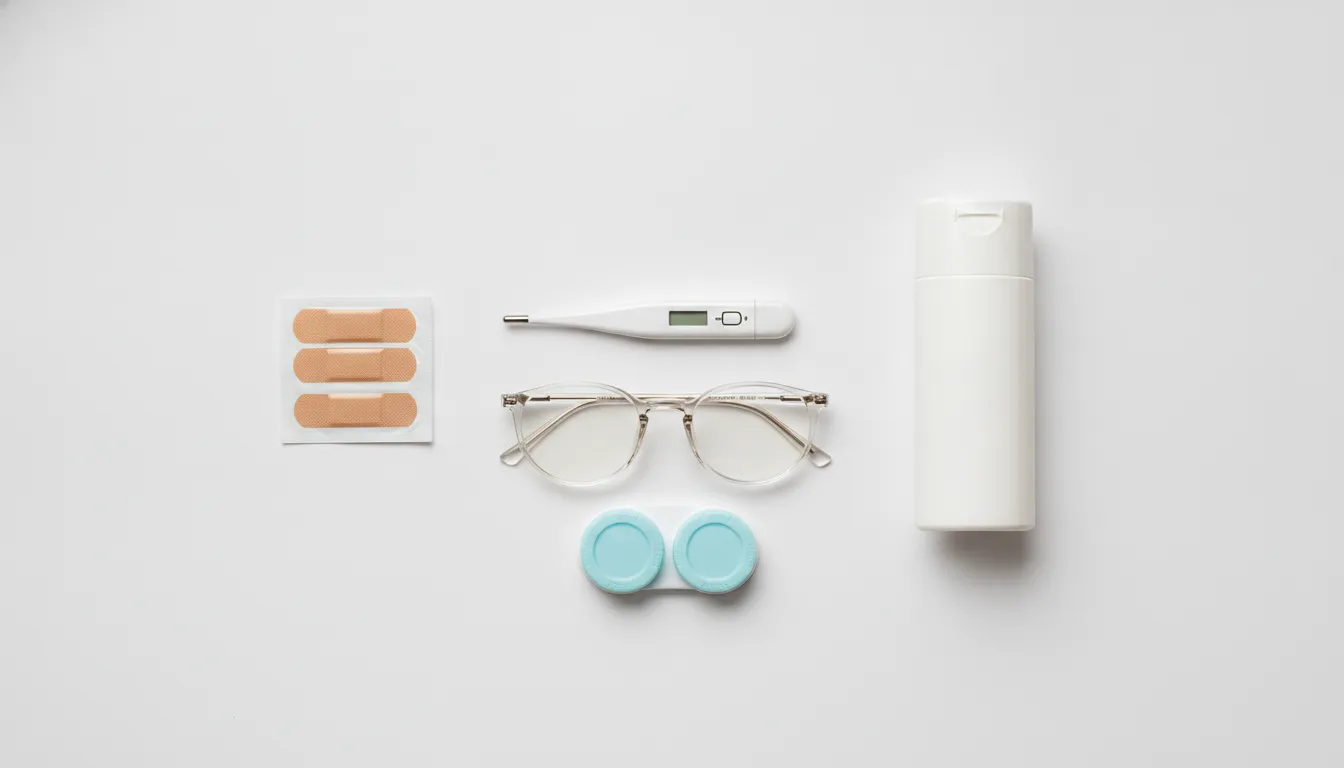
What Are FSA Eligible Items?
FSA eligible items are products and services that qualify as medical expenses under federal tax rules. In practical terms, the expense must primarily help diagnose, cure, mitigate, treat, or prevent a disease or illness, or affect a specific function of the body. The IRS explains these standards in Publication 502 and related medical-expense guidance.
Flexible spending accounts let eligible employees use tax-free dollars for qualified medical expenses, which can reduce out-of-pocket healthcare costs. However, having a health-related purpose does not automatically make an item eligible. The central question is whether the purchase addresses a medical condition or function, rather than simply supporting general wellness.
The medical-purpose test
Under the IRS definition, eligible expenses must be primarily used to alleviate or prevent a physical or mental disability or illness. That includes costs connected to diagnosis, cure, mitigation, treatment, or prevention of disease. A diagnostic device, treatment supply, or prescribed product may qualify when it serves that specific medical purpose.
For example, an item used to manage a diagnosed condition may meet the standard. While the same type of product purchased only for everyday convenience may require a closer review. The purpose of the expense and the circumstances of its use matter, so keep receipts and supporting documentation when appropriate.
What does not qualify?
Expenses that are merely beneficial to general health are not eligible medical expenses for FSA reimbursement. General fitness products, ordinary personal-care purchases, and wellness items may feel health-related but can fall outside the IRS standard when they are not tied to diagnosing, treating, or preventing a specific illness.
Eligibility can also vary by product, even within the same category. Before spending your balance, check the exact item rather than relying only on a broad product label or a retailer’s category page. Visit the daylii Dose blog archive for practical product guides and common eligibility questions.
When an item is unclear, an eligibility lookup is more reliable than guessing. daylii checks products at the SKU level, helping you evaluate the specific item you are considering instead of treating an entire product category as automatically approved.
Cold, Flu, and Allergy Medications
Many everyday products used to diagnose, treat, or prevent illness qualify for FSA reimbursement. The CARES Act permanently expanded eligibility for over-the-counter medications without a prescription, while diagnostic devices, prescribed medicines, insulin, and disease-prevention supplies remain tied to their medical purpose.
OTC medications after the CARES Act
- Cold and flu remedies: pain relievers, cough syrups, decongestants, throat lozenges
- Allergy medications: antihistamines, nasal sprays, eye drops for allergies
- Digestive aids: antacids, anti-diarrheal medications, laxatives
- Sleep aids: melatonin, sleep relief medications
The CARES Act changed a common point of confusion: eligible over-the-counter medications generally no longer need a prescription for FSA reimbursement. That can include common cold and flu remedies, pain relievers, and allergy medications when they are used to treat symptoms or illness. The IRS describes the expansion in its summary of CARES Act health care spending changes.
Keep your receipt and confirm the specific product before purchase. Eligibility can vary by item, formulation, or account administrator rules, especially when a product is marketed for general wellness rather than treating a condition. A real-time product check is more reliable than assuming every item in a broad category qualifies.
Thermometers and protective supplies
Thermometers used to diagnose illness are FSA-eligible diagnostic devices. Surgical masks and other personal protective equipment used to prevent the spread of disease can also qualify because disease prevention is included in the IRS definition of a medical expense. These supplies can be useful to keep on hand before symptoms become more serious.
Insulin, syringes, and diabetes supplies
Insulin is a qualified medical expense for FSA reimbursement. Syringes and related supplies should be checked as individual products, with documentation retained for the claim. For a closer look at eligible products and verification considerations, see daylii’s guide to diabetes supplies.
The same careful product-level approach applies to newer prescription treatments. If you are evaluating GLP-1 medications, verify the medication and the circumstances of its use rather than relying on a general category label.
You can verify FSA eligible items at the SKU level on the daylii platform, which helps you confirm the exact medication or supply before you spend your balance.
Pain Relief, First Aid, and Medical Supplies
Many everyday products used to manage pain, treat injuries, or monitor a health condition may qualify for FSA reimbursement. Eligibility usually depends on the product’s medical purpose, so a first-aid supply or diagnostic device is easier to substantiate than an item purchased solely for general comfort. Keep the receipt and confirm the individual product before checkout.
Pain relievers and first-aid basics
- OTC pain relievers: acetaminophen, ibuprofen, aspirin, naproxen
- First-aid supplies: adhesive bandages, sterile gauze, medical tape, antiseptic wipes
- First-aid kits: pre-assembled kits containing eligible medical supplies
- Topical treatments: hydrocortisone cream, antifungal treatments, antibiotic ointments
The CARES Act permanently expanded FSA eligibility to include many over-the-counter medications without a prescription. That can include common pain-relief products, such as medicines used for temporary headaches, muscle aches, or fever, when they meet your plan’s rules. Prescription medicines and drugs remain eligible medical expenses when prescribed by a physician. Your administrator may still require a receipt, product details, or other documentation.
Bandages and other first-aid supplies used to treat injuries are generally eligible because they are equipment and supplies needed for medical care. A complete first-aid kit is also typically eligible when its contents are intended for treating injuries. For a more detailed checklist, see this guide to FSA eligible first aid supplies.
Diagnostic devices for at-home monitoring
Some medical supplies help you measure a condition rather than treat it directly. Blood pressure monitors are considered FSA-eligible diagnostic devices, making them a practical option for people who need to track blood pressure at home. The same principle does not automatically apply to every wellness gadget. Look for a clear connection to diagnosis, treatment, or management of a medical condition.
Mobility and comfort equipment
Heating pads may qualify when used for a specific therapeutic purpose, but eligibility can depend on medical necessity and your plan’s documentation requirements. If you are considering one to address an injury or diagnosed condition, retain any supporting documentation your administrator requests.
Crutches and wheelchairs required to alleviate a physical disability are FSA-eligible medical equipment. Because these purchases can be expensive, verify eligibility before ordering and save the prescription or medical-necessity documentation when applicable. A product’s appearance or category alone does not determine whether it qualifies.
When a product is sold in several versions, checking the exact item matters. daylii’s SKU-level eligibility approach is designed to verify the specific product rather than relying on a broad category label or static list. That gives you a clearer answer before you spend your FSA funds.
Skin Care, Sun Protection, and Personal Care
Many everyday personal care products qualify when they prevent disease, treat a condition, or address a specific medical need. Sunscreen, acne medication, wound-care supplies, menstrual products, and some protective items may be reimbursable, while ordinary cosmetics generally are not. Check the exact product rather than relying on its category.
Which skin-care products are eligible?
Sunscreen with an SPF of 30 or higher is often FSA-eligible when used to help prevent skin cancer. That rationale matters: IRS guidance defines medical expenses to include the prevention of disease, rather than every product that supports general wellness. You can also generally use FSA funds for over-the-counter acne treatments containing salicylic acid or benzoyl peroxide because they are intended to treat a medical skin condition. The CARES Act expanded FSA eligibility to many OTC medications without a prescription, including qualifying acne treatments. Review the IRS guidance on OTC eligibility when a product’s labeling or intended use is unclear.
What about wound care and personal hygiene?
Bandages, antiseptic supplies, and other products used to clean or protect a wound generally fit the medical-purpose test. Hand sanitizer and protective items may also qualify when used for disease prevention, but eligibility can depend on the specific product and plan rules. Menstrual care products are eligible FSA items following the CARES Act expansion, which made them available through tax-favored accounts. This includes commonly used period products, though you should still verify the exact SKU before checkout.
General cosmetics are different. Makeup, ordinary moisturizer, perfume, and other products purchased mainly for appearance or routine grooming are not eligible simply because they are applied to the body. IRS guidance excludes expenses that are merely beneficial to general health, so a product’s intended medical purpose is more important than its aisle or marketing language. When in doubt, use daylii to check the exact item before spending your FSA balance.
- General fitness products such as gym memberships, exercise equipment, and fitness classes
- Ordinary cosmetics including makeup, perfume, moisturizers without a medical purpose
- General wellness items like vitamins taken for general health without a specific diagnosed deficiency
- Non-prescribed supplies that lack a clear connection to treating or preventing illness
Eye Care and Dental Expenses
Eye and dental care often qualify because they diagnose, treat, or prevent a specific illness or condition. That makes routine exams and corrective products useful categories to review when planning your FSA spending. But cosmetic services and products without a medical purpose may fall outside the rules. Always keep itemized receipts and confirm your plan’s documentation requirements.
Which eye care expenses qualify?
An eye examination is generally an eligible medical expense because it provides a diagnosis of whether a disease or illness is present. Prescription glasses and corrective lenses are also commonly eligible when they address a vision need. Reading glasses prescribed by a physician are typically eligible for reimbursement, while ordinary non-prescription readers may require a closer review of your plan’s rules. The distinction is the medical purpose, not simply whether the product is sold in a health section.
Contact lenses and their associated solution are generally eligible FSA expenses. This can include recurring lens-care purchases, so save receipts rather than treating each purchase as an automatic reimbursement. If you are unsure whether a particular lens, solution, or eyewear product qualifies, check the exact item before buying it. The IRS describes eligible medical expenses as costs connected to diagnosis, cure, mitigation, treatment, or prevention of disease. Review the IRS medical-expense guidance for the underlying standard.
What dental expenses can you pay with an FSA?
Dental examinations are generally eligible because the exam can diagnose whether a disease or illness is present. Orthodontic treatment, including braces, is also generally considered an eligible medical expense. Depending on the treatment arrangement, you may need an itemized statement or documentation showing the service and payment date.
Cosmetic dentistry is not eligible when it is performed solely to improve appearance rather than to diagnose, treat, or prevent disease. Examples can include elective aesthetic procedures with no therapeutic purpose. When a dental service has both cosmetic and medical components, ask the provider for a clear breakdown and check with your plan administrator before submitting the claim. FSA eligibility depends on the expense’s medical purpose, not just the fact that a dentist or orthodontist provided it.
Because product eligibility can vary by exact item and supporting documentation, verify the specific glasses, contacts, solution, or dental expense before using your balance. That small check can help prevent a rejected claim.
FSA Eligible Items by Category: Quick Reference Table
FSA eligible items generally serve a specific medical purpose, such as diagnosing, treating, preventing, or mitigating illness. Use this table as a practical starting point, then confirm the exact product and your plan’s rules before checkout. Prices are illustrative ranges, not reimbursement limits, and can vary by brand, quantity, provider, and location.
| Category | Examples | Eligibility Notes | Typical Cost Range |
|---|---|---|---|
| Cold and Flu | Thermometers, over-the-counter medications, masks, hand sanitizer | The CARES Act permanently expanded FSA coverage for many OTC medications without a prescription. Thermometers and disease-prevention PPE are also generally eligible when used for a medical purpose. See the IRS CARES Act guidance. | About $5 to $60 |
| First Aid and Pain Relief | Bandages, first-aid kits, pain relievers, heating pads | Bandages and first-aid supplies used to treat injuries generally qualify. OTC pain relievers are covered under the expanded rules, while a heating pad should be connected to a specific therapeutic need. | About $4 to $80 |
| Skin and Sun Care | Sunscreen SPF 30+, acne treatments, menstrual products | Sunscreen with SPF 30 or higher is often eligible when used for skin cancer prevention. Menstrual care products became eligible for tax-favored accounts after the CARES Act expansion. Cosmetic-only products may not qualify. | About $6 to $45 |
| Eye Care | Contact lenses, contact solution, prescription glasses, eye exams | Contact lenses and solution are generally eligible. Eye exams provide a medical diagnosis, and prescription vision products are typically covered as qualified medical expenses. | About $10 to $250 |
| Dental | Exams, braces and orthodontics, cleanings | Dental exams and orthodontic treatment, including braces, generally qualify because they diagnose or treat dental conditions. Routine services should still be documented with an itemized receipt. | About $50 to $8,000+ |
| Medical Devices | Blood pressure monitors, thermometers, crutches, wheelchairs | Diagnostic devices and equipment needed to alleviate or manage a physical condition can qualify. Keep the prescription, letter of medical necessity, or other supporting documentation when required by the plan. | About $15 to $1,500+ |
| Maternity and Family | Prenatal vitamins with an LMN, breast pumps, menstrual products | Prenatal vitamins may require a letter of medical necessity. Breast pumps are commonly eligible, and menstrual care products are covered under the CARES Act expansion. Verify specific product rules before purchase. | About $8 to $500 |

Eligibility can depend on the exact SKU, intended use, and documentation. A product category alone is not always enough to confirm reimbursement. daylii checks eligibility at the SKU level instead of relying only on broad static category lists, helping you verify the specific item in your cart.
How daylii Makes FSA Eligibility Verification Simple
Checking whether a product qualifies should not require opening several lists, comparing product names and still wondering whether the exact item will be reimbursed. daylii approaches the problem at the SKU level using a real-time eligibility database rather than relying on static, list-based methods. That distinction makes the answer more specific to what you are actually buying.
Verify the exact product across the stores you already use
dayliiMarketplace lets shoppers check eligibility for individual products across major retail platforms, including Amazon, CVS, Walmart, and Instacart. The focus is the product’s specific SKU, not only a broad category such as “pain relief” or “medical supplies.” That matters because packaging, formulation, size, and intended use can vary between products that appear similar in a search result.
This is different from using a general catalog at a static list-based store such as FSAStore or HSAStore. Those resources can help explain common eligible categories, but a category list may not answer the question a shopper has at checkout: is this exact item eligible? A product-level check gives you a clearer starting point before you spend your FSA funds. For general account and eligibility questions, visit the daylii homepage.
Connect eligibility with the rest of the reimbursement process
Verification is only one part of using an FSA well. DayliiReimburse supports automated receipt parsing, reducing the manual work involved in preparing and submitting claims. Instead of treating eligibility, receipts, and reimbursement as separate chores, the workflow can keep the purchase information and supporting documentation closer together.
daylii also connects eligibility decisions to the broader context of healthcare spending. Its clinical integrations with systems such as Epic and Cerner support automated diagnosis mapping, helping connect authorized care and medical need with the relevant spending process. DayliiPulse adds real-time balance tracking and analytics, so employees can see how much of their available healthcare spending remains instead of relying on a delayed estimate.
The result is a more practical way to use FSA eligible items: verify the exact product before buying. Keep the receipt process organized, and monitor the account after the purchase. It does not remove the need to follow your plan’s rules, but it can make those rules easier to apply consistently.
Frequently Asked Questions
What items are FSA eligible?
Common eligible purchases include over-the-counter medications, first-aid supplies, diagnostic devices, prescription medicines, contact lenses and solutions, menstrual care products, and equipment used to treat or prevent illness. Eligibility depends on the product’s specific medical purpose, so a category-level list is a useful starting point, not a final answer.
How do I check if a product is FSA eligible?
Check the exact product before buying, because two items that look similar can have different eligibility results. daylii uses a real-time SKU-level database and can verify products across marketplaces such as Amazon and CVS. That approach gives you a product-specific result instead of relying only on a broad store filter or static list.
Are over-the-counter medications FSA eligible without a prescription?
Generally, yes. The CARES Act permanently expanded FSA eligibility to include many over-the-counter medications without a prescription. Keep your itemized receipt and confirm the specific product before purchase, since plan administration rules and product classifications can still affect reimbursement. The IRS explains the CARES Act changes.
Can I use my FSA for everyday health products?
Some everyday health products qualify when they serve a recognized medical purpose. Examples include first-aid kits, bandages, thermometers, blood pressure monitors, sunscreen used for disease prevention, and menstrual care products. Items used only for general wellness may not qualify, so verify the exact product and retain documentation for your records.
Ready to check your next purchase?
Start verifying your FSA eligible items today. Knowing whether an item qualifies before checkout can make FSA spending simpler and more predictable. daylii gives you a straightforward way to verify eligibility at the product level, including items that may be difficult to confirm from a general list. Visit godaylii.com to check if any product is FSA eligible before you buy.