
The end of the year often brings a rush to spend down your FSA funds before they disappear. This “use-it-or-lose-it” rule can create unnecessary stress, especially if you’re not sure what to buy. Instead of making last-minute purchases, a little planning can turn that pressure into an opportunity. A great place to start is with practical, everyday health items you’ll actually use. Many people are surprised to learn about the wide range of FSA eligible face masks, from protective gear that keeps you healthy to therapeutic masks that treat skin conditions. Let’s look at how you can stock up on these essentials and make your FSA work for you.
Key Takeaways
- Confirm the mask has a medical purpose: For a face mask to be FSA-eligible, its primary function must be to prevent illness or treat a medical condition like acne. General cosmetic or fashion masks typically do not qualify.
- Keep clear records for payment: You can often pay with your FSA card directly, but always save itemized receipts in case you need to submit a claim for reimbursement or if your plan administrator requests proof of purchase.
- Shop strategically to stretch your funds: Make your pre-tax dollars go further by buying eligible masks in bulk, using retailer rewards programs, and timing your purchases with seasonal sales at drugstores and online health marketplaces.
Which Face Masks Can You Buy With Your FSA?
When you hear “face mask,” you might picture a few different things: the disposable blue ones, a relaxing clay mask for a spa night, or even a high-tech light therapy device. The good news is that your Flexible Spending Account (FSA) can cover more than you might think, but the key is always medical necessity. To qualify, a face mask must be intended to treat, prevent, or diagnose a medical condition. This means your standard sheet mask for hydration probably won’t make the cut, but a mask designed to treat acne or prevent the spread of illness likely will. Let’s look at the main categories of face masks you can purchase with your pre-tax FSA dollars.
Protective Medical Masks
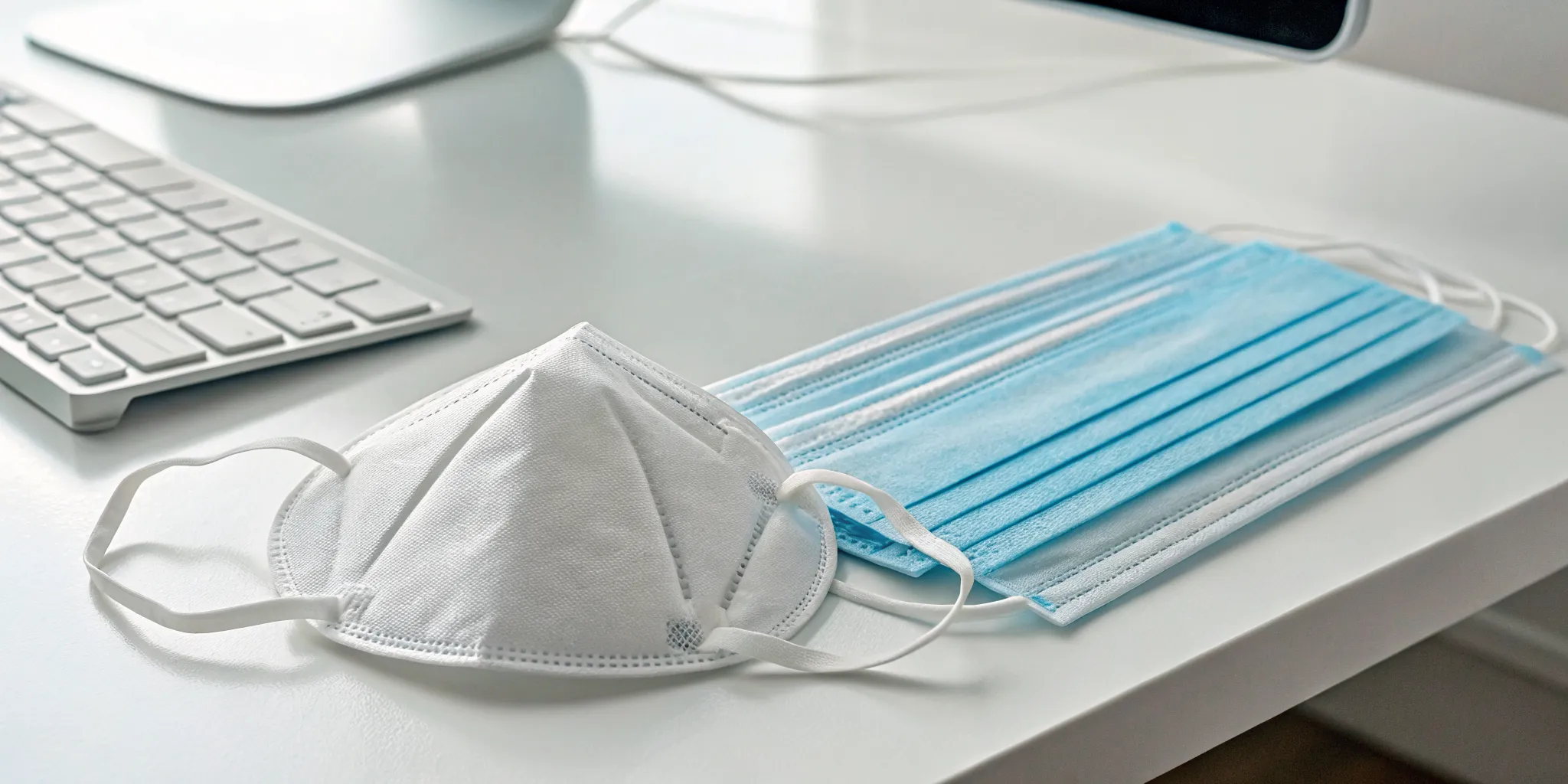
This is the most straightforward category. Disposable face masks that you use to prevent the spread of illness are generally considered a qualified medical expense for your FSA. Think of the standard surgical-style masks or N95 respirators that became common household items. Their primary purpose is to protect you and others from airborne particles and pathogens, which firmly places them in the medical category. So, stocking up on these for your health and safety is a perfectly valid way to use your FSA funds. It’s a simple, practical purchase that supports your well-being and is fully approved.
Skincare Masks for Medical Needs
This is where things get a little more specific. While a face mask for general skin brightening or moisturizing is considered cosmetic, many skincare masks that treat a specific medical condition are FSA-eligible. The most common example is acne. Products formulated to treat acne, like sulfur or clay masks, often qualify because acne is a recognized medical condition. Retailers like Ulta Beauty even have dedicated sections for FSA/HSA eligible face masks that target issues like this. Always check that the product’s primary purpose is to treat a condition, not just for general skincare, before you buy.
LED Light Therapy Masks
At-home light therapy is a great example of how health technology is becoming more accessible, and many of these devices are FSA-eligible. An LED light therapy facial mask uses different wavelengths of light to treat skin conditions like acne, inflammation, and sometimes even signs of aging linked to sun damage. Because these masks serve a clear medical or therapeutic purpose, they often qualify for purchase with your FSA funds. This allows you to invest in a long-term skincare treatment using your pre-tax dollars. Just be sure to confirm the specific device you’re interested in is listed as FSA-eligible by the seller.
What to Look for in an FSA-Eligible Brand
When you’re using your FSA funds, you’re not just buying a product; you’re making an investment in your health. The brand you choose matters. You want to find companies that are genuinely committed to well-being, not just ones that slap an “FSA-eligible” label on their packaging. A great brand will offer transparency, quality, and products designed with your health as the top priority.
Think of it this way: your FSA is a tool to help you take care of yourself in a smarter, more intentional way. The right brand makes that process easier. They provide clear information, stand behind their products, and often lead the way with new health solutions. Looking for a brand that aligns with these values ensures you get the most out of every dollar you spend. It’s about finding partners in your health journey who bring clarity and confidence to your decisions.
A Focus on Health Innovation
Look for brands that are at the forefront of health technology and research. When the IRS confirmed that masks purchased to prevent illness could be a reimbursable expense, it highlighted the importance of a product’s primary purpose. A truly innovative brand doesn’t just follow trends; it creates products designed specifically for health and protection. These companies invest in materials, design, and testing to ensure their masks offer real benefits, whether it’s superior filtration or features that support skin health during wear. They are clear about their product’s medical purpose, making it simple for you to justify your purchase.
Clinically-Backed Skincare
If you’re interested in skincare masks for conditions like acne or rosacea, it’s essential to choose brands that back their claims with clinical evidence. Not all skincare is FSA-eligible, and some items require a Letter of Medical Necessity (LMN) from your doctor to qualify. Brands that conduct clinical studies and openly share their results show a commitment to creating effective treatments. This focus on science-backed formulas helps ensure the product you’re buying is a legitimate medical expense, not just a cosmetic one. It gives you confidence that you’re purchasing a product with a proven health purpose.
Trusted Medical Suppliers
Where you buy your mask can be just as important as the brand itself. Purchasing from trusted medical suppliers or established health retailers gives you an extra layer of assurance. These suppliers have a reputation to uphold and are more likely to carry products that meet strict regulatory standards. As more retailers began to recognize personal protective equipment as an eligible expense, it became easier to find compliant products from reliable sources. Choosing a reputable seller simplifies the process, as they often clearly mark FSA-eligible items and can provide the documentation you need for reimbursement.
Where to Buy FSA-Eligible Face Masks
Once you know what kind of face mask qualifies for your FSA, the next step is finding where to buy it. The good news is that you have plenty of options, and you probably already shop at many of these places. Whether you prefer the convenience of online shopping or like to see products in person, you can easily find FSA-eligible masks at major retailers, specialty stores, and directly from medical suppliers. It’s all about knowing where to look.
Think of it this way: your FSA card works at more places than you might expect. Many retailers have made it simple to identify eligible products, often with clear labels or online filters that take the guesswork out of shopping. This makes it easier than ever to put your pre-tax dollars to work on items that support your health and well-being, from protective gear to therapeutic skincare. Let’s walk through the most common places to find and purchase the FSA-eligible face masks you need.
Online Health Marketplaces
For sheer convenience, it’s hard to beat online shopping. Major digital marketplaces have entire sections dedicated to FSA and HSA-eligible products, making your search incredibly simple. For example, Amazon provides a huge selection of medical face masks that you can purchase with your health savings funds. You can filter your search specifically for FSA-eligible items, add them to your cart, and check out in minutes, all from the comfort of your home. This is a great way to stock up on essentials without having to make a special trip to the store.
Pharmacies and Drugstores
Your local pharmacy or drugstore is another excellent place to find FSA-eligible face masks. These stores are designed to cater to your health needs, so their inventory is often already aligned with FSA guidelines. You can find everything from standard protective masks to medicated skincare masks. Even beauty retailers like Ulta Beauty carry a range of face masks designed for specific skin conditions that qualify for FSA or HSA funds. This allows you to easily pick up personal care items while using your health savings account.
Direct from Medical Suppliers
You can also purchase qualifying masks directly from medical supply companies. In recent years, many of these suppliers have officially recognized personal protective equipment (PPE), including face masks, as eligible expenses for FSA reimbursement. While it might sound more complicated, the process is often just as straightforward as buying from any other online retailer. This option is particularly useful if you’re looking for a specific type of medical-grade mask or want to buy in bulk from a trusted health-focused vendor.
How to Use Your FSA for Face Masks
Using your Flexible Spending Account (FSA) to buy eligible face masks is a smart way to use your pre-tax dollars for health and wellness. While it might seem complicated, the process is usually quite simple. Whether you’re buying a protective mask to prevent illness or a therapeutic mask for a specific skin condition, there are a few straightforward ways to make your purchase. The key is knowing your options and what documentation to keep on hand.
Most of the time, you can either pay directly with your FSA card or pay with your own money and get reimbursed later. Both methods work well, but it helps to know which one to use in different situations. Let’s walk through the steps for each, so you can feel confident when you make your next purchase.
Pay Directly with Your FSA Card
The easiest way to buy an FSA-eligible face mask is to use your FSA debit card at checkout, just like you would with any other debit or credit card. Many online health marketplaces and pharmacies have systems that automatically recognize and approve eligible items. When it works, it’s seamless.
However, sometimes a retailer’s point-of-sale system hasn’t been updated to recognize certain items as FSA-eligible. If this happens, your card might be declined even if the product qualifies. Don’t worry. If your card doesn’t go through, you can simply pay for the item with a personal card and follow the steps to get reimbursed by your FSA provider.
Get Reimbursed for Your Purchase
If you can’t use your FSA card directly, or if you simply forget to, reimbursement is your go-to option. This process involves paying for the mask out-of-pocket and then submitting a claim to your FSA administrator for the money back. It’s a standard procedure that FSA providers handle every day.
To get reimbursed, you’ll need to save your itemized receipt from the purchase. Then, log in to your FSA provider’s online portal or mobile app to submit your claim. You’ll typically need to upload a copy of the receipt and provide a few details about the purchase. Once approved, the funds will be transferred to your bank account or sent to you as a check.
Keep the Right Documentation
Whether you pay directly or file for reimbursement, keeping good records is essential. Always hold on to your itemized receipts, which show exactly what you bought, the date, and the cost. A simple credit card statement isn’t enough.
For certain masks, especially those that aren’t strictly for general protective use (like an LED therapy mask for acne), your FSA administrator may require more information. You might need to provide a Letter of Medical Necessity (LMN) from your doctor. This is a formal note explaining why the product is needed to treat a specific medical condition. It’s always a good idea to check your plan’s rules before buying to see if an LMN is required.
Key Features of an FSA-Eligible Face Mask
When you’re shopping for face masks with your FSA funds, it’s not as simple as picking any mask off the shelf. To make sure your purchase qualifies, you need to look for a few specific features. Think of it as a checklist for smart, eligible spending. The right mask will not only meet FSA requirements but will also give you confidence in its quality and effectiveness. From its intended use to the materials it’s made from, these key details make all the difference in determining whether a mask is a qualified medical expense.
A Clear Medical Purpose
First and foremost, an FSA-eligible mask must have a clear medical purpose. This means its primary function is to prevent the spread of illness or protect you from airborne particles. General-use cloth masks made for fashion or simple dust protection usually don’t make the cut. Instead, look for items like disposable surgical masks, KN95s, or N95 respirators. The IRS has specified that personal protective equipment (PPE) purchased to prevent disease is a qualified medical expense. So, when you’re browsing, always check the product description to confirm the mask is designed for medical or protective use.
FDA Approval or Clearance
Another strong indicator of eligibility is FDA approval or clearance. While not every single eligible mask will have this, it’s a great sign that the product meets certain standards for safety and effectiveness. You can often find this information on the product packaging or in the online description. Many health marketplaces and pharmacies clearly label which products are FSA or HSA eligible, which can save you a lot of time. Seeing that a mask is registered with the FDA gives you an extra layer of assurance that you’re buying a legitimate medical product that will likely be approved for reimbursement.
Proven Effectiveness
Beyond its stated purpose, an eligible mask needs to be effective. This is why certain types of masks, like N95s, are almost always covered. Their filtration efficiency is tested and proven. When you’re choosing a mask, look for details about its filtration capabilities or certifications that back up its claims. The goal of using FSA funds is to pay for legitimate healthcare expenses, and that includes products that genuinely contribute to your well-being. A mask with documented effectiveness is a much safer bet for FSA approval than one with vague or unsupported claims.
Comfort and Fit
A mask can’t be effective if you can’t wear it properly. Comfort and fit are essential features because a mask that constantly needs adjusting or creates gaps around your face isn’t offering full protection. Look for masks with adjustable nose pieces and soft ear loops. Some brands also focus on using high-quality, breathable materials that are less likely to irritate your skin. You might even find masks with certifications like OEKO-TEX, which indicates they are made with safer chemicals. A comfortable, well-fitting mask is one you’ll wear correctly, making it a more effective tool for your health.
How to Save Money on FSA-Eligible Masks
Using your Flexible Spending Account is already a smart financial move since you’re using pre-tax dollars to pay for essential health items. But why stop there? With a little planning, you can stretch those funds even further and get more value out of every dollar you spend. Being strategic about when and how you purchase your FSA-eligible masks can lead to significant savings over the course of your plan year.
Think of it like couponing for your healthcare. By keeping an eye out for sales, taking advantage of loyalty programs, and buying in larger quantities, you can reduce the overall cost of items you were going to buy anyway. This frees up more of your FSA funds for other needs, whether it’s a new pair of glasses, a prescription refill, or that LED therapy mask you’ve been considering. It’s all about making your money work harder for you, which is a core part of managing your health with confidence. Let’s get into a few simple ways you can make your FSA dollars go the distance.
Watch for Seasonal Sales
One of the easiest ways to save is by timing your purchases around major sales events. Many online retailers and drugstores offer seasonal promotions where you can find great deals on health and wellness products, including face masks. Keep an eye out for spring sales, Black Friday deals, or end-of-year clearances. For example, online marketplaces often feature special promotions or checkout discounts on FSA-eligible medical masks. If you know you’ll need to stock up, try to wait for one of these events to make your purchase. A little patience can result in some serious savings.
Use Retailer Rewards Programs
Don’t forget about loyalty programs. Many stores that sell FSA-eligible items also have rewards systems that let you earn points on every purchase. This is especially common with retailers that carry skincare and beauty products. For instance, you can find a great selection of HSA/FSA eligible products at beauty stores that allow you to earn points on acne-treating or sun-protective masks. You can then redeem those points for discounts on future purchases. It’s a simple way to get a little something extra back every time you shop for your health needs.
Consider Bulk or Subscription Options
If you consistently use a specific type of mask, buying in bulk or signing up for a subscription service can be a fantastic way to save. Many retailers offer a lower price per item when you purchase a larger quantity. Others have “subscribe and save” models that give you a recurring discount for setting up automatic deliveries. This approach not only saves you money over time but also adds a layer of convenience, ensuring you never run out of the products you rely on. It’s a perfect strategy for items you know you’ll use throughout the year.
Get the Most Out of Your FSA
A Flexible Spending Account (FSA) is a powerful tool for managing your health expenses, but it comes with a few rules. Getting familiar with how your FSA works can help you make the most of every pre-tax dollar you set aside. With a little bit of strategy, you can ensure you’re using your funds wisely on the products and treatments you need, including eligible face masks. Think of it as a dedicated savings account for your well-being, designed to make healthcare more affordable.
Plan Your Yearly Spending
Most FSAs have a “use-it-or-lose-it” rule. Because an FSA is typically offered by an employer, you often need to use the funds within the plan year. This means a bit of planning at the start of the year can save you from scrambling in December. Take a moment to map out your anticipated health costs. Think about recurring prescriptions, dental check-ups, new glasses or contacts, and any specialized treatments you might need. By estimating these expenses, you can contribute a more accurate amount to your FSA and create a simple spending plan to ensure no money is left behind.
Understand Your Specific Plan
While FSAs follow general IRS guidelines, the specifics can differ from one employer to another. Some plans might offer a grace period that gives you a couple of extra months to spend your funds, while others may let you carry over a small amount into the next year. The best way to get clear on the details is to check with your plan administrator. You can usually find this information in your benefits portal or by reaching out to your HR department. Always check with your specific plan administrator to confirm eligibility for any purchase, as rules can vary.
Combine Your Health Purchases
The biggest advantage of an FSA is that you’re using pre-tax money. This means you’re paying for health items with dollars that haven’t been taxed yet, which automatically saves you money on those purchases. For every $100 you spend from your FSA, you could be saving $20 to $30, depending on your tax bracket. To make this benefit work even harder, try to bundle your health-related shopping trips. When you’re buying an FSA-eligible face mask, think about what else you might need. Is it time to restock your first-aid kit, grab some sunscreen, or buy new contact lens solution? Combining these errands helps you use your funds efficiently.
Related Articles
- Shop FSA Eligible Items – What You Can Buy & Where
- FSA Eligible Products List – The Ultimate Guide (2026)
- What Are FSA Benefits? Your Guide to Tax Savings
- FSA and HSA Eligibility: Who Qualifies & Key Rules
- The Smart Shopper’s Guide to FSA Eligible Products
Frequently Asked Questions
Is my regular hydrating sheet mask covered by my FSA? Probably not. While a relaxing sheet mask is great for self-care, it typically falls under the category of general skincare or cosmetics. For a mask to be FSA-eligible, its primary purpose must be to treat a specific medical condition. Think of masks formulated with active ingredients to treat acne or rosacea, as these conditions are medical in nature.
What should I do if my FSA card is declined for an eligible mask? Don’t worry, this can happen sometimes, even when an item is definitely eligible. If your card is declined at checkout, simply pay for the mask with a personal credit or debit card. Be sure to get an itemized receipt (not just the credit card slip) and submit it to your FSA administrator for reimbursement. The process is usually straightforward through their website or app.
Do I need a doctor’s note to buy a skincare mask for acne? For most over-the-counter acne treatments, you likely won’t need a doctor’s note, also known as a Letter of Medical Necessity (LMN). However, for more expensive items like an LED therapy device, your plan administrator might require one. It’s always a smart idea to check the specific rules of your FSA plan before making a significant purchase.
Are all LED light therapy masks FSA-eligible? Eligibility for LED masks depends on their intended use. If a device is marketed and designed to treat a medical condition like acne or inflammation, it will often qualify for FSA funds. However, if its primary purpose is cosmetic, such as reducing wrinkles, it may not be covered. Always check the product details and the retailer’s FSA eligibility information to be sure.
What’s the easiest way to confirm a mask is FSA-eligible before I buy it? The simplest method is to shop directly from a retailer’s dedicated FSA or HSA section online. Many large online stores, pharmacies, and even beauty retailers have filtered sections that only show eligible products. This takes the guesswork out of your shopping and gives you confidence that your purchase will be approved.