
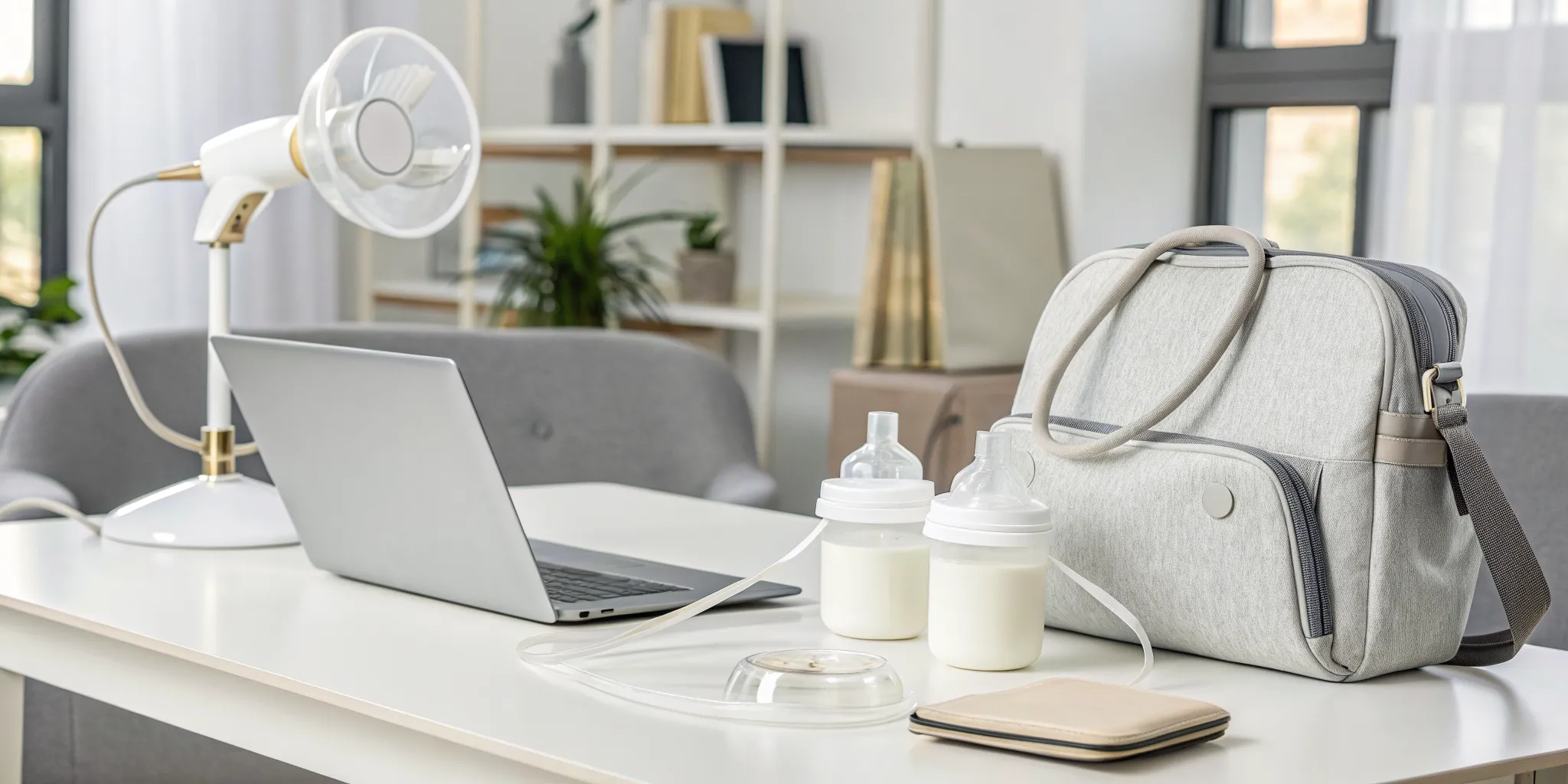
Breast pump technology has come a long way. Today’s options go far beyond traditional models, with innovative wearable pumps offering incredible freedom and flexibility. These modern tools can make a huge difference in your daily life, but they often come with a higher price tag. The great news is that you don’t have to pay for them with post-tax dollars. Your Flexible Spending Account (FSA) can make these advanced options much more affordable. Finding an FSA eligible breast pump that fits your lifestyle, whether it’s a hands-free model or a hospital-grade workhorse, is easier than you think. This guide will show you which brands qualify and how to make your purchase.
Key Takeaways
- Your FSA Covers More Than Just the Pump: Because breast pumps are considered medical devices, most models from major brands are FSA-eligible. This eligibility also includes essential supplies like replacement parts, milk storage bags, and even special cleaning soaps.
- Pay with Pre-Tax Dollars for Built-In Savings: Using your FSA is like getting an automatic discount on your purchase. Since the money is taken from your paycheck before taxes, you save an amount equal to your tax rate, making essential baby gear more affordable.
- Keep Your Purchase Process Simple: Buying your pump is easy. You can use your FSA debit card at checkout just like a regular card, or you can pay with your own money and submit the itemized receipt to your plan administrator for a quick reimbursement.
What Makes a Breast Pump FSA Eligible?
Figuring out what you can and can’t buy with your Flexible Spending Account (FSA) can feel like a puzzle, but when it comes to breast pumps, the rules are refreshingly clear. The main reason breast pumps are eligible is that they are considered medical equipment. They play a direct role in lactation and infant feeding, which falls squarely under the umbrella of health and medical care.
Using your FSA for a breast pump is a smart financial move. These accounts are funded with pre-tax dollars, meaning you don’t pay income tax on the money you set aside. When you buy an eligible item like a breast pump with those funds, you’re essentially getting a discount equal to your tax rate. This helps make essential parenting tools more affordable. To qualify, the pump must be for your personal use to assist with lactation. Let’s break down exactly what that means.
Meeting IRS Requirements
The foundation for FSA eligibility comes directly from the IRS. The agency maintains a list of qualified medical expenses, and the good news is that “breast pumps and supplies that assist lactation” are explicitly included. This means you don’t have to jump through special hoops or get pre-approval just to buy a standard pump. The IRS recognizes that these devices are not luxury items but essential tools for maternal and infant health. This clear-cut rule makes it simple for parents to use their FSA funds confidently for pumps and necessary accessories.
Proving Medical Necessity
For many medical expenses, you need a doctor’s note to prove they are medically necessary. However, for breast pumps, the necessity is generally understood for new and expecting mothers. You typically won’t need a prescription to make your purchase FSA-eligible. The act of preparing for or caring for a newborn is sufficient justification. This simplifies the process, allowing you to focus on choosing the right pump instead of gathering paperwork. Using an FSA or a Health Savings Account (HSA) lets you pay for these items with pre-tax money, which lowers your taxable income and saves you money.
Prescription vs. Over-the-Counter Pumps
Whether a breast pump is sold over-the-counter or requires a prescription, it is generally FSA-eligible. Most personal-use electric and manual pumps you find online or in stores fall into this category. However, it’s important to remember that not every related product is automatically covered. While essential supplies like tubing and flanges are eligible, items like extra bottles or specialized cleaning soaps might not be. If you’re ever unsure about a specific item, the best approach is to check with your FSA administrator before you make the purchase. They can give you the final word on what your specific plan covers.
Which Breast Pump Brands Are FSA Eligible?
The great news is that you have plenty of choices. Most major breast pump brands you’ll find online or in stores are FSA eligible, which means you can use your pre-tax dollars to get the right pump for your needs. This is a huge help for new parents. Whether you’re looking for a traditional electric pump, a simple manual one, or a discreet wearable model, the market is full of qualifying options.
Many retailers make it easy to find them by adding an “FSA/HSA Eligible” label to product descriptions. This allows you to shop with confidence, knowing your purchase will be approved. This eligibility covers a wide range of features and price points, so you don’t have to compromise on quality. You can focus on finding a reliable pump that fits your lifestyle, from brands you know and trust.
Popular Models from Medela and Spectra
When you start your search, you’ll quickly notice the names Medela and Spectra. These brands are mainstays in the world of breast pumps because they are known for being effective, durable, and reliable. You can find them at most major retailers, and their products are almost always FSA eligible. For example, the Spectra S1 Plus is a consistent bestseller, often praised by parents for its quiet motor and customizable settings. Medela also has a fantastic reputation, offering a variety of pumps that qualify for FSA spending. Just be sure to double-check the product listing for the FSA-eligible label before you add it to your cart.
Wearable Options like Momcozy, Willow, and Haakaa
If being tethered to a wall while you pump doesn’t fit your lifestyle, a wearable pump could be a perfect solution. Brands like Momcozy, Willow, and Haakaa have created innovative, hands-free pumps that fit discreetly inside your bra, giving you the freedom to move through your day. You can pump while you’re on a conference call, making lunch, or running errands. The best part is that many of these convenient pumps are FSA eligible. Brands make it easy to confirm coverage; for instance, Momcozy lists which models are eligible right on its website, so you can easily find a pump that offers you mobility and flexibility.
Hospital-Grade vs. Personal Use Pumps
You’ll likely see pumps categorized as either “personal use” or “hospital-grade.” Personal use pumps are the standard models you buy for yourself, and they are almost always FSA eligible. Hospital-grade pumps are more powerful, multi-user machines that are often rented from a hospital or medical supply company. These are typically recommended to help establish milk supply or for other specific medical needs. While you purchase a personal pump outright, the cost to rent a hospital-grade pump can also be an FSA-eligible expense. You may just need a letter of medical necessity from your doctor to get the rental fees approved for reimbursement.
How to Buy a Breast Pump with Your FSA
So you know your breast pump is FSA-eligible. Now, how do you actually use those pre-tax dollars to buy it? The good news is that the process is usually quite simple. Most FSA administrators offer a few different ways to pay for qualified medical expenses, giving you the flexibility to choose what works best for you. Whether you prefer the convenience of a dedicated debit card or don’t mind submitting a receipt, you can easily access your funds. Let’s walk through the three most common ways to purchase your breast pump using your FSA.
Use Your FSA/HSA Debit Card
If your FSA provider gave you a debit card, this is typically the most direct way to pay. Think of it just like any other debit or credit card. When you’re ready to check out, either online or in a store, you can simply swipe or enter the card details to complete your purchase. The funds are pulled directly from your FSA balance, so you don’t have to pay out of pocket and wait for your money to come back. Many major retailers that sell breast pumps are set up to accept FSA cards, making the transaction seamless. Just be sure to save your itemized receipt in case your plan administrator requests it for verification later.
Submit Receipts for Reimbursement
What if you don’t have an FSA card, or a retailer doesn’t accept it? No problem. You can use your personal credit or debit card to buy the breast pump and then pay yourself back from your FSA. The key here is to keep meticulous records. After your purchase, you’ll need to submit a claim to your FSA administrator. This usually involves filling out a form and providing an itemized receipt that shows the date, the item purchased, and the cost. Most providers have an online portal to make this process easier. Once your claim is approved, you’ll receive your reimbursement via direct deposit or a check.
Shop at Approved Retailers
To make things even easier, many stores do the work for you by clearly identifying which products are FSA-eligible. When you shop at major retailers like Target, you’ll often see a label that says “FSA/HSA Eligible” right on the product page. This takes the guesswork out of the equation, so you can feel confident that your purchase will be approved. Shopping at these approved retailers also simplifies the payment process, as their systems are often designed to recognize and accept FSA debit cards without any issues. It’s a great way to ensure a smooth and hassle-free purchase from start to finish.
How FSA/HSA Funds Save You Money
Using a Flexible Spending Account (FSA) or Health Savings Account (HSA) is one of the smartest ways to pay for health-related costs, including your breast pump and supplies. These accounts let you set aside money from your paycheck before taxes are taken out, which means you get a significant discount on essential items. Think of it as a dedicated savings account for your health that also lowers your taxable income. By planning ahead and using these funds, you can make the costs of preparing for a new baby much more manageable. It’s a straightforward way to stretch your budget and take control of your healthcare spending.
Understanding the Tax Savings
The biggest advantage of using an FSA or HSA is the tax benefit. When you contribute money to these accounts, it’s taken directly from your paycheck before income taxes are calculated. This means you aren’t paying taxes on the money you use for eligible purchases. For example, if you’re in a 22% tax bracket, using your FSA or HSA is like getting a 22% discount on everything you buy with those funds. This is because you’re spending the full dollar amount you earned, rather than the 78 cents you would have taken home after taxes. Using pre-tax dollars is a simple yet powerful way to reduce the overall cost of your health expenses.
Lowering Your Out-of-Pocket Costs
Your FSA and HSA can cover more than just the breast pump itself. Many essential breastfeeding accessories also qualify, which helps lower your total out-of-pocket spending. Items like milk storage bags, nursing pads, replacement tubing, and even specialized cleaning supplies are often considered eligible medical expenses. Instead of paying for these recurring necessities with your regular debit or credit card, you can use your tax-free funds. This makes the day-to-day costs of breastfeeding more affordable and ensures you have everything you need without straining your budget. Always check your plan’s specific guidelines to see what’s covered.
The Long-Term Benefits of an HSA
While both accounts offer tax savings, an HSA has a unique long-term advantage. Unlike an FSA, which typically has a “use it or lose it” rule each year, the money in your HSA rolls over indefinitely. It’s your money to keep, even if you change jobs or health plans. Better yet, an HSA can function as an investment account. You can invest your funds, allowing them to grow tax-free over time. This turns your HSA into a powerful tool for future healthcare costs, from your kids’ braces to your own medical needs in retirement. It’s a smart way to plan for your family’s long-term health and financial well-being.
Are Breast Pump Accessories Covered by FSA?
Getting your breast pump covered is a great first step, but what about all the other supplies you’ll need? The good news is that your FSA and HSA funds can stretch further than you might think. Many essential accessories that support your breastfeeding journey are also eligible for reimbursement. This is a huge relief, as the cost of replacement parts, storage bags, and cleaning supplies can add up quickly. Understanding what’s covered helps you plan your budget and make the most of your tax-free healthcare funds, ensuring you have everything you need without paying more than you have to.
Eligible Replacement Parts and Supplies
Over time, parts of your breast pump will wear out from regular use and cleaning. Things like valves, membranes, tubing, and flanges need to be replaced periodically to maintain proper suction and ensure your pump works efficiently and hygienically. Thankfully, these essential replacement parts are considered eligible medical expenses. You can use your FSA or HSA card to purchase them directly or submit your receipts for reimbursement. This coverage also includes many related items like nursing pads and milk storage bags, making it easier to keep your supplies stocked without dipping into your personal bank account.
What About Storage Bags and Nursing Pads?
Yes, both milk storage bags and nursing pads are typically covered. The IRS gives the green light to “breast pumps and supplies that assist lactation,” which is a broad category that includes these everyday necessities. Milk storage bags are crucial for safely storing your expressed milk, and nursing pads are a must-have for many moms. Because these items directly support the act of lactation, they qualify as medical expenses. This means you can confidently use your FSA or HSA funds to purchase them, taking one more recurring cost off your plate. You can find a helpful list of FSA/HSA eligible breastfeeding supplies to see what else you can buy.
Cleaning and Maintenance Items
Keeping your breast pump clean is non-negotiable for your baby’s health, and the costs of specialized soaps, sanitizing sprays, and cleaning wipes are also eligible for FSA and HSA spending. Since proper cleaning and maintenance are required for the pump to function safely as a medical device, the supplies you need to do it are covered. This includes everything from pump-part cleaning brushes to microwave sterilizer bags. Using your pre-tax dollars for these items makes it easier to follow best practices for hygiene without worrying about the extra expense. It’s all part of ensuring your equipment stays in perfect working order.
Where to Find the Best Deals on FSA-Eligible Pumps
Once you know which breast pump you want, the next step is figuring out where to buy it. The good news is that many retailers make it simple to use your FSA funds. Finding the right place to shop can help you get the best value and make the process feel seamless. From major online stores to your local pharmacy, you have plenty of options for purchasing your pump and accessories.
Online Stores that Accept FSA Cards
Shopping online is often the most convenient way to buy your breast pump. Major retailers like Amazon have dedicated FSA or HSA stores that clearly label eligible items, taking the guesswork out of your purchase. You can often use your FSA debit card directly at checkout, just like a regular credit card. Specialty retailers are another great option. For example, stores like Legendairy Milk accept FSA and HSA payments for their pumps and lactation supplies. This makes it easy to get exactly what you need from brands you trust without worrying about a complicated reimbursement process later.
Check Pharmacies and Medical Supply Stores
Don’t forget to check physical stores. Your local pharmacy or a nearby medical supply store often carries a selection of FSA-eligible breast pumps. One of the biggest benefits of shopping in person is the ability to see the products up close and ask knowledgeable staff for recommendations. It’s a good idea to call ahead to confirm which models they have in stock and to ensure they accept FSA cards at the register. Many pharmacies are well-versed in handling these transactions and can help you find the right pump for your needs. This can be especially helpful if you’re a first-time parent and want some extra guidance.
When to Buy for Maximum Savings
Timing your purchase can help you make the most of your FSA funds. Most FSA plans have a “use it or lose it” policy, meaning you must spend the money by the end of the plan year. If your employer contributes to your account, this is essentially free money for your health expenses. Keep an eye on your FSA deadline and plan your purchase accordingly. You might also find sales or promotions toward the end of the year as retailers know many people are looking to spend their remaining funds. Planning ahead ensures you don’t forfeit your hard-earned benefits and can get the supplies you need without the last-minute rush.
What Paperwork Do You Need for Reimbursement?
So, you found the perfect breast pump, but the store doesn’t accept your FSA card, or maybe you just forgot to use it. Don’t worry, you can still use your tax-free funds. The process is called reimbursement, and it’s pretty simple as long as you’re organized. You pay for the pump with your own money, and then your FSA or HSA provider pays you back.
The key to a smooth reimbursement is documentation. Your provider needs proof that you purchased an eligible item for the correct amount, so you’ll need to be diligent about saving receipts. While it might feel like one more thing on your to-do list, setting up a simple system from the start will save you headaches later. Once you get the hang of it, submitting a claim takes just a few minutes.
How to Keep Good Records
Your best friend in the reimbursement process is the itemized receipt. When you buy a breast pump or eligible supplies, get a receipt that clearly shows the date, store name, a description of what you bought, and the price. A simple credit card slip showing only the total amount usually isn’t enough.
I recommend creating a dedicated folder on your computer or in a cloud drive to store digital copies. Just snap a quick photo of the receipt with your phone right after the purchase and save it there. This way, everything is in one place when you need to file a claim, and you won’t have to search for a faded piece of paper later.
The Claim Submission Process
Before you even make a purchase, it’s a smart move to contact your FSA or HSA provider to confirm that the specific pump or accessory you want is covered. Once you’ve bought the item and have your itemized receipt, you’re ready to submit your claim. Most providers have an online portal or a mobile app that makes this process quick and easy.
You’ll typically fill out a short online form with details from your receipt, like the purchase date and amount, then upload a copy of the receipt. After submission, your provider will review it. Once approved, they’ll send the reimbursement via direct deposit or a check.
Keeping Records for Tax Time
You might be wondering if you need to keep these records after you’ve been paid back. The answer is a definite yes. You don’t report FSA spending on your tax return, but the IRS can audit your account to verify your funds were spent on qualified medical expenses. The official IRS definition includes “breast pumps and supplies that assist lactation,” so you’re covered there.
It’s a good practice to hold onto your receipts and reimbursement confirmations for at least three years, just in case. Having that digital folder of records we talked about makes this super easy. If you’re ever asked for proof, you’ll have everything organized and ready to go, giving you complete peace of mind.
FSA vs. Insurance: What’s the Difference?
It’s easy to get tangled up in the alphabet soup of healthcare benefits. While your health insurance is your primary partner for covering medical costs, a Flexible Spending Account (FSA) is a special tool that helps you pay for out-of-pocket expenses. Think of it this way: your insurance is there for the big things, like doctor visits and hospital stays, while your FSA is a tax-advantaged savings account you can use for specific health-related purchases, like a breast pump, copays, or prescription glasses.
The key thing to remember is that an FSA isn’t insurance. It’s a benefit offered by your employer that lets you set aside pre-tax money from your paycheck. This lowers your taxable income, which means you save money right from the start. You then use these funds throughout the year for qualified medical expenses. While insurance helps pay for services, an FSA helps you pay for the products and remaining costs that insurance might not fully cover. They work together to make healthcare more affordable.
Comparing Your Benefits
When we talk about these spending accounts, you’ll often hear two terms: FSA and HSA (Health Savings Account). An FSA is the most common, but it has a “use-it-or-lose-it” rule. You have to spend most of the money by the end of the plan year, or you forfeit it. In contrast, an HSA is only available if you have a high-deductible health plan (HDHP). The great thing about an HSA is that the funds roll over every year, acting more like a long-term savings account for medical costs. Both accounts let you use pre-tax dollars, but their structures serve different needs.
Using Both FSA and Insurance
So, how do these work in the real world? Let’s say your insurance plan covers a basic breast pump. That’s great, but you might have your eye on a more advanced, wearable model. You can use your FSA funds to cover the cost of that upgraded pump. The same goes for supplies. You can pay for eligible items directly with your FSA debit card, just like a regular credit card. If a retailer doesn’t accept it, or if you forget your card, you can pay out-of-pocket and simply submit your itemized receipt to your FSA provider for a tax-free reimbursement.
Understanding Your Plan’s Limitations
While an FSA is a fantastic tool, it does have rules. The IRS determines which items are considered qualified medical expenses. For example, breast pumps and essential lactation supplies are eligible. However, related but non-essential items, like extra bottles or a stylish pump bag, might not be covered. To avoid any checkout headaches, it’s a smart move to purchase your eligible and non-eligible items in separate transactions. This ensures your FSA card payment goes through smoothly for the items that qualify. When in doubt, always check your provider’s list of covered expenses.
Related Articles
- 24 FSA & HSA Eligible Expenses You Didn’t Know About (2025)
- What Products Are FSA Eligible? The Ultimate Guide
- FSA and HSA Eligibility: Who Qualifies & Key Rules
- What Are FSA Benefits? Your Guide to Tax Savings
- Your Guide to Healthcare Shopping with FSA Card
Frequently Asked Questions
Do I need a prescription from my doctor to buy a breast pump with my FSA? For most personal-use breast pumps, you won’t need a prescription or a doctor’s note. The IRS considers them qualified medical expenses for new and expecting mothers, so their necessity is generally understood. However, if you plan to rent a hospital-grade pump, your FSA administrator might require a letter of medical necessity from your doctor to approve the rental fees for reimbursement.
What’s the main difference between an FSA and an HSA? The biggest difference comes down to how the money is managed year to year. With an FSA, you generally have to spend the funds within the plan year, or you risk losing them. An HSA, which requires you to have a high-deductible health plan, lets your funds roll over indefinitely. The money in an HSA is yours to keep and can even be invested for long-term growth, making it a powerful tool for future health expenses.
Are accessories like a special pump bag or nursing clothes also FSA-eligible? While essential supplies that assist lactation are covered, items that are more for convenience or comfort typically are not. Things like replacement tubing, milk storage bags, and cleaning wipes are eligible. However, a stylish pump bag, specialized nursing bras, or postpartum clothing would not be considered qualified medical expenses, so you would need to pay for those out of pocket.
What happens if I lose my receipt? Can I still get reimbursed? Losing a receipt can make reimbursement tricky, as your FSA provider needs proof of an eligible purchase. Your best bet is to contact the retailer to see if they can provide a digital copy or a reprint of the itemized receipt. This is why I always recommend taking a quick photo of your receipt with your phone right after you buy something; it creates an instant digital backup and saves you a lot of potential trouble later.
Can I use my FSA to buy a used breast pump from another person? Generally, no. FSA funds are intended for purchasing new medical equipment from legitimate retailers to ensure safety and hygiene standards are met. A private sale from another individual wouldn’t provide the itemized receipt required for reimbursement, and it would be difficult to verify the item’s condition. It’s always best to purchase a new pump from an approved store to ensure it qualifies for your FSA.