
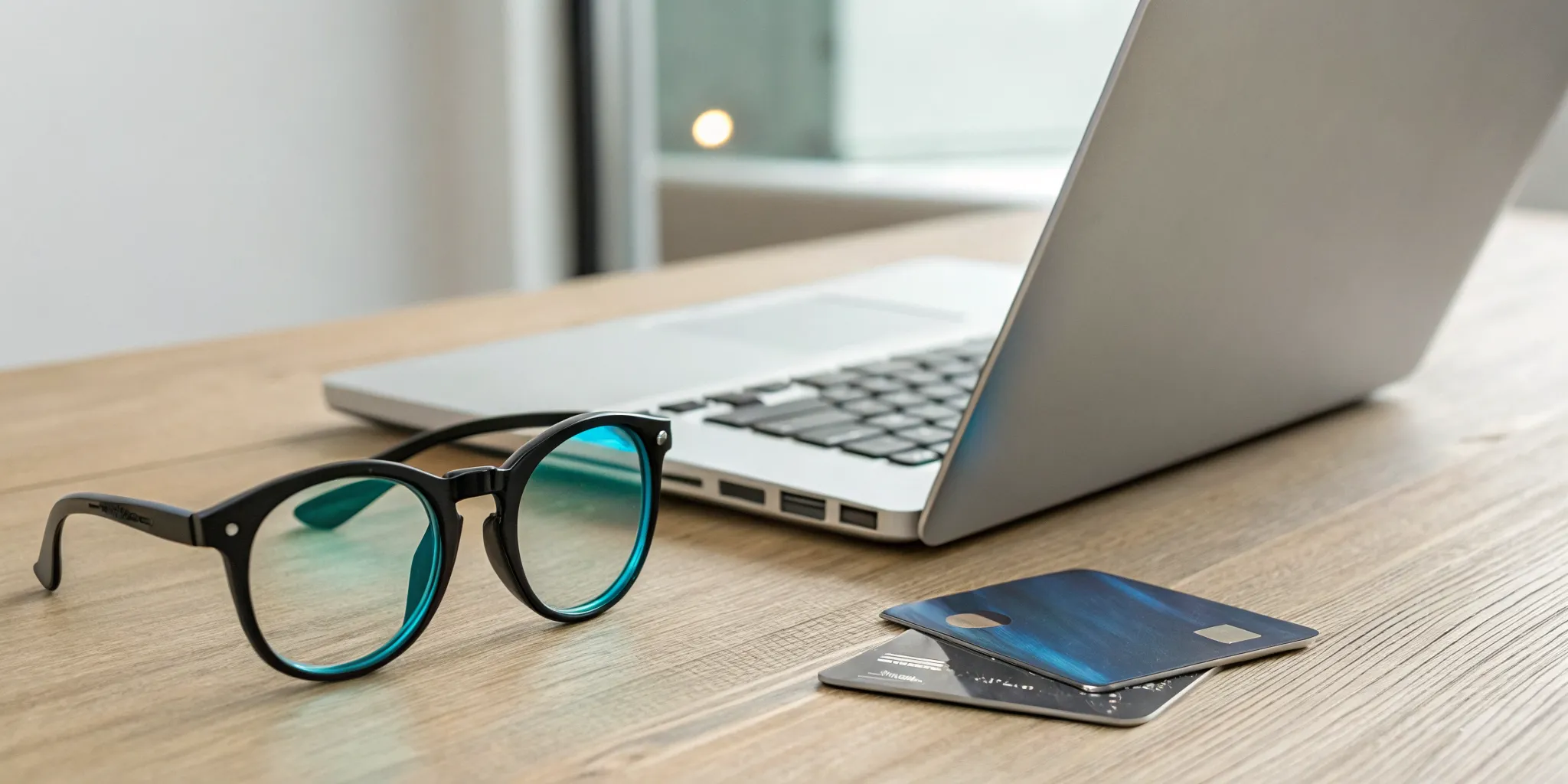
There’s a lot of debate about whether blue light glasses actually work. While the scientific community has mixed opinions, many people who wear them report feeling a real difference in eye comfort and sleep quality. If you’re curious to see if they work for you, using your pre-tax health funds is a smart, low-risk way to try them out. Your Flexible Spending Account (FSA) can make the purchase much more affordable, but first, you need to know the rules. We’ll explain what it takes to find FSA eligible blue light glasses, how to get the right documentation, and what to look for in a quality pair.
Key Takeaways
- Confirm eligibility before you buy: Your blue light glasses are easily covered by your FSA if they have a vision-correcting prescription; for non-prescription pairs, you will need a Letter of Medical Necessity from your doctor.
- Keep your documents organized for reimbursement: To ensure a smooth process, always save your itemized receipt and your doctor’s note (if required), as these are essential for submitting a claim or verifying your purchase.
- Focus on quality to make your funds count: Since the science is still developing, treat your purchase as a personal comfort tool by choosing glasses with certified filtering, an anti-reflective coating, and a comfortable fit.
What Are Blue Light Glasses?
If you spend a good chunk of your day looking at screens, you’ve probably felt it: that tired, gritty feeling in your eyes. Blue light glasses are designed to tackle that exact problem. They look just like regular glasses but have special lenses that filter out a portion of the blue light emitted from digital devices like your laptop, phone, and tablet.
The idea is to reduce your exposure to this specific type of light, which some studies suggest can contribute to eye strain and interfere with your sleep cycle. Think of them as a screen protector, but for your eyes. They aim to make your screen time more comfortable so you can finish your workday or scroll through your feed without feeling so drained.
What is blue light?
So, what exactly is this blue light we’re talking about? It’s a type of high-energy visible light that our digital screens produce in large amounts. While the sun is the biggest source of blue light, our close and constant proximity to phones and computers has made screen exposure a modern concern. This constant stream of blue light is linked to digital eye strain, which can show up as headaches, dry eyes, and blurred vision. It can also mess with your body’s natural sleep-wake cycle by suppressing melatonin, the hormone that tells your body it’s time to sleep.
How do blue light glasses work?
Blue light glasses work by using lenses with a special filter that blocks or absorbs a percentage of blue light before it reaches your eyes. There are two main ways they accomplish this. Some lenses have filtering materials mixed directly into the lens material, which absorbs the blue light. Others have a special surface coating that reflects some of the blue light away from your eyes. You can often spot these glasses by the faint yellow or amber tint of the lenses or the blue-ish reflection you see on their surface. The goal of these filtering technologies is to reduce the intensity of the light hitting your retina, which may help ease eye fatigue.
The benefits for your eyes and sleep
Many people who wear blue light glasses report that their eyes feel less tired and strained after long hours of screen use. By reducing glare and filtering harsh light, the glasses can make your screen time feel more comfortable and less intense. While the science is still developing, the anecdotal evidence for reduced eye fatigue is strong.
It’s also important to have realistic expectations. Most blue light glasses filter about 20% to 30% of blue light. They are a helpful tool, but they work best alongside other healthy habits. For example, practicing the 20-20-20 rule (looking at something 20 feet away for 20 seconds every 20 minutes) is still one of the best ways to care for your eyes.
Are Blue Light Glasses FSA Eligible?
So, can you use your Flexible Spending Account (FSA) to buy blue light glasses? The short answer is: it depends. Your FSA is a pre-tax account designed for out-of-pocket health care costs, and whether blue light glasses qualify hinges on if they are considered a medical necessity. The main difference comes down to whether the glasses have a prescription.
If you need glasses to see clearly and they happen to have a blue light filter, you’re generally in the clear. The primary purpose of the glasses is vision correction, which is a standard FSA-eligible expense. However, if you’re looking at non-prescription glasses solely for their blue light filtering properties, the rules get a bit more specific. In this case, you often need to show that they are being used to treat a particular medical condition. Don’t worry, it’s usually a straightforward process, but it requires a little extra preparation on your part.
Prescription vs. non-prescription eligibility
The easiest way to determine if your blue light glasses are FSA-eligible is to check for a prescription. If your glasses include a prescription from your eye doctor to correct your vision, they are almost always considered a qualified medical expense. The blue light filter is simply an add-on feature to a necessary medical device, making the entire purchase eligible.
On the other hand, non-prescription glasses (also called “plano” lenses) are typically not covered outright. Since they don’t correct vision, they are often viewed as a general wellness product rather than a medical treatment. However, this doesn’t mean you’re out of options. You can still get them covered if you can demonstrate a specific medical need for them.
When you need a Letter of Medical Necessity
This is where a Letter of Medical Necessity (LOMN) comes in. An LOMN is a formal note from your doctor that explains why a particular purchase is necessary to diagnose, treat, or prevent a medical condition. For non-prescription blue light glasses, your eye doctor might provide an LOMN if you experience symptoms like digital eye strain, computer vision syndrome, or chronic headaches from screen use.
Your best first step is to talk with your eye doctor about your symptoms. If they agree that blue light glasses could help, ask them to write an LOMN for you. It’s also a good idea to check with your FSA administrator beforehand to confirm they accept LOMNs for this type of purchase.
What documents you’ll need for reimbursement
Whether you’re buying prescription glasses or using an LOMN for non-prescription ones, keeping your documents in order is key. To get reimbursed or to prove your purchase was valid, you will almost always need an itemized receipt. This receipt should clearly show the vendor, the date of purchase, and a description of what you bought.
If you are using an LOMN for non-prescription glasses, you’ll need to keep a copy of that letter along with your receipt. Some retailers have systems in place to help you verify eligibility at checkout, but it’s always smart to hold onto your own records. Keeping these documents organized will make the reimbursement process smooth and protect you in case you ever need to verify your expenses.
Find Blue Light Glasses That Qualify for FSA
Now that you know the rules, let’s get to the fun part: shopping. Finding FSA-qualified blue light glasses is easier than you might think, whether you need a prescription or not. The key is knowing where to look and what documentation you might need. Think of it as a simple checklist to make sure your purchase qualifies, so you can get the eye relief you need without any reimbursement headaches. Here’s a straightforward guide to finding the perfect pair.
Prescription glasses from your eye doctor
If you already wear glasses to correct your vision, this is your most direct route. When your eye doctor prescribes glasses that include a blue light filtering coating, they are automatically considered a medical expense. This makes them fully eligible for FSA reimbursement without any extra paperwork. Simply use your FSA card at checkout or submit your receipt for reimbursement just as you would for regular prescription glasses. It’s a simple, one-step way to get the benefits of blue light filtering while also ensuring your purchase qualifies.
Non-prescription options with a doctor’s note
Don’t have a prescription? No problem. You can still use your FSA funds for non-prescription blue light glasses, but you’ll need one extra document: a Letter of Medical Necessity (LOMN). This is a formal note from your eye doctor stating that the glasses are needed to treat or prevent a specific medical issue, like digital eye strain, computer vision syndrome, or headaches caused by screen time. Getting this letter confirms the glasses serve a medical purpose, which is what makes them an FSA-eligible expense.
FSA-approved stores and products
Ready to start browsing? Many popular eyewear retailers make it simple to find and purchase FSA-eligible glasses. You can shop directly from dedicated sites like the FSA Store, which only stocks qualified products. Mainstream brands like Warby Parker also accept FSA cards and can help you apply your funds to prescription blue light lenses. Even large online marketplaces have dedicated sections; you can find a wide selection of FSA or HSA eligible blue light glasses on Amazon, making it easy to compare styles and prices from different sellers.
How to Buy Blue Light Glasses with FSA Funds
Once you’ve confirmed your blue light glasses are eligible, you’re ready to make your purchase. Using your Flexible Spending Account (FSA) funds is a simple process, whether you pay directly with your card or submit a claim for reimbursement later. The key is to know your options and keep your paperwork in order. Think of it as any other health-related purchase, just with a few extra steps to make sure you get the full benefit of your pre-tax dollars. Let’s walk through exactly how to do it.
Use your FSA card at online retailers
The easiest way to buy your glasses is to use your FSA card just like a debit card at checkout. Many online retailers are set up to accept FSA payments, which simplifies the process immensely. You can find a wide selection of eligible eyewear at dedicated sites like the FSA Store, which only sells qualified products. Big retailers like Amazon and popular eyewear brands such as Warby Parker also accept FSA cards, making it convenient to shop at places you already know and trust. Just look for an option to add your FSA card as a payment method when you’re ready to buy.
Pay with your FSA card vs. file for reimbursement
While using your FSA card directly is often the most straightforward path, it’s not your only option. If you find the perfect pair of glasses at a store that doesn’t accept FSA cards, don’t worry. You can pay with your personal credit or debit card and file for reimbursement from your FSA provider afterward. This approach gives you the flexibility to shop anywhere you like. To get reimbursed, you’ll typically need to submit a claim form along with an itemized receipt through your FSA administrator’s online portal. Both methods achieve the same goal, so you can choose whichever works best for you.
Keep your receipts and documents organized
Whether you pay directly or file for reimbursement, good record-keeping is essential. Always save the itemized receipt from your purchase, as this is the primary document you’ll need to prove your expense is eligible. An itemized receipt shows the date, the merchant, the item purchased, and the cost. If your plan requires a Letter of Medical Necessity (LOMN) for non-prescription glasses, be sure to keep a copy of that as well. I recommend creating a dedicated digital or physical folder for all your FSA-related documents. This simple habit will make the reimbursement process smoother and give you peace of mind if you ever need to verify your expenses.
What to Look for in FSA-Eligible Blue Light Glasses
Once you’ve confirmed your blue light glasses are eligible for FSA funds, the next step is picking the right pair. Not all blue light glasses are created equal, and you want to invest your healthcare dollars in a product that genuinely makes a difference. Focusing on a few key features will help you find glasses that are effective, comfortable, and built to last. Think of it less like a medical purchase and more like choosing a tool that will support your well-being every day. From the technology in the lenses to the way the frames sit on your face, quality matters. Let’s walk through what to look for to get the most out of your FSA purchase.
Certified blue light filtering technology
First, you need to know if the glasses actually work. Look for pairs that specify they use certified blue light filtering technology. This certification is your assurance that the lenses have been tested and proven to effectively filter the high-energy blue light from your screens. This key feature can help prevent sleep disruptions and reduce the eye strain that comes from staring at a computer all day. Without this verification, you might just be buying glasses with a simple tint that offers no real filtering benefits. Always check the product description for this information before you buy.
Quality lenses and anti-reflective coating
Beyond the blue light filter, the overall quality of the lenses is crucial. High-quality lenses with an anti-reflective (AR) coating can make a huge difference in your daily comfort. An AR coating is a layer that helps reduce glare from screens and overhead lights, which increases your visual clarity. This means less squinting and a more comfortable viewing experience during long work sessions. This coating often provides better results than a standard blue light filter alone, making it a must-have feature for anyone serious about protecting their eyes.
Comfortable frames that fit your prescription
Comfort is key for glasses you might wear for hours at a time. Look for frames made from lightweight, durable materials that won’t feel heavy or pinch your nose. A proper fit is also essential for effectiveness. If the frames are too big or small, the lenses won’t be positioned correctly, which can impact both your vision and the blue light filtering. If you wear prescription lenses, make sure the frames you choose can accommodate them. Your eye doctor can help you find a style that works for your prescription and fits your face perfectly.
How to Submit Your Glasses for FSA Reimbursement
So you’ve found the perfect pair of blue light glasses. Getting reimbursed is usually straightforward, but it requires a little organization. Think of it as the final step to making your smart health purchase official. The key is to follow your FSA administrator’s process carefully to ensure you get your money back without any hitches. Whether you paid with an FSA card or need to submit a claim, having your documents in order is the most important part of the process.
Your step-by-step reimbursement guide
Getting your money back for FSA-eligible glasses is a simple process. First, after buying your glasses, make sure you get an itemized receipt. A standard credit card slip won’t cut it; you need a receipt that details what you bought, who you bought it from, and the date. Next, fill out the claim form from your FSA administrator, which you can typically download from their website. Then, gather your supporting documents. This includes the itemized receipt and, for non-prescription glasses, your Letter of Medical Necessity (LOMN). Finally, submit everything through your provider’s online portal, app, or by mail.
Work with your benefits provider
Every FSA plan has slightly different rules, so it’s always a good idea to check in with your benefits provider before you buy. You can usually find a list of eligible expenses and submission guidelines on their website. If you want to use your FSA funds for non-prescription blue light glasses, this step is especially important. Your provider will confirm if you need a Letter of Medical Necessity. This letter explains that the glasses are needed to treat a specific medical condition, like digital eye strain. A quick call or a visit to their online portal can save you time and prevent your claim from being denied.
Keep clear records for tax purposes
Since FSAs offer a tax advantage, it’s essential to keep meticulous records. Always save your itemized receipts and any Letters of Medical Necessity for your tax files. I recommend creating a specific folder on your computer or a physical file just for your FSA documentation for the year. This way, if your FSA administrator ever requests proof of your purchases, you’ll have everything ready to go. Remember, a credit card statement isn’t enough; you need the original, itemized receipt to prove your expense was for an eligible medical product.
Common FSA Eligibility Mistakes to Avoid
Navigating FSA rules can feel tricky, but a little know-how goes a long way. When it comes to blue light glasses, a few common slip-ups can lead to denied claims. Let’s walk through what to watch out for so you can use your funds with confidence.
Myths about blue light glasses coverage
One of the biggest mix-ups is assuming any pair of blue light glasses is automatically FSA-eligible. The reality is a bit more nuanced. If blue light glasses don’t have a prescription, they are generally not covered because they’re seen as preventing a problem rather than correcting your vision. Think of it this way: FSAs are designed for expenses that treat or diagnose a medical condition. Without a prescription, non-corrective glasses often fall outside that definition. It’s also worth remembering that not all blue light glasses greatly reduce eye strain, so their medical necessity can be up for debate without a doctor’s official recommendation.
Forgetting required medical documents
For non-prescription blue light glasses, documentation is everything. You can’t just buy a pair off the shelf and expect a guaranteed reimbursement. To use your FSA funds for non-prescription blue light glasses, you typically need a Letter of Medical Necessity (LOMN) from an eye doctor. This letter needs to state that the glasses are needed to treat specific symptoms, like computer vision syndrome or chronic headaches. Before you make a purchase, it’s a smart move to check with your benefits provider first. They can tell you exactly what paperwork they require, so you don’t end up with an unexpected out-of-pocket expense.
Poor receipt and record management
Even with the right approvals, a lost receipt can stop your reimbursement in its tracks. Being organized is key to a hassle-free experience. Always keep the itemized receipt and, if you needed one, a copy of the LOMN for your records. This is especially important if you pay with a personal credit card instead of your FSA card. While you can get reimbursed later, you’ll need to submit a claim with clear proof of purchase. Keeping a dedicated folder, digital or physical, for your FSA-related expenses will make tax time and any potential audits much easier to handle.
Do Blue Light Glasses Really Work?
It’s the big question, and the answer isn’t a simple yes or no. When you look at the research, you’ll find a lot of debate. Some studies suggest that blue light glasses can help reduce symptoms of digital eye strain and may even improve sleep. On the other hand, some major health organizations, like the American Academy of Ophthalmology, state that there’s no scientific evidence that the blue light from our screens is damaging to our eyes.
So, what does this mean for you? It means the science is still catching up to the trend. While researchers debate the specifics, many people who wear blue light glasses say they feel a real difference, reporting less eye fatigue and discomfort after a long day of screen time. The decision to wear them often comes down to personal experience and comfort. The good news is that if you decide they’re worth a try, your FSA can make them more affordable.
What the science says about digital eye strain
When your eyes feel tired, dry, or sore after looking at a screen, you’re likely experiencing digital eye strain. While it’s easy to blame the blue light, some experts believe the problem is more about our habits. Factors like how long we stare at screens, the distance from our eyes, and how often we blink play a huge role. Essentially, our eyes weren’t designed for hours of uninterrupted screen time.
Studies from organizations like the National Institutes of Health have found mixed results on whether blue light glasses truly help. Some research finds no significant improvement in eye strain symptoms, while anecdotal reports from users often tell a different story. Many people feel that the glasses reduce glare and increase contrast, making screen time more comfortable.
Decide if blue light glasses are right for you
Since the scientific community is divided, the best way to decide is to consider your own habits and symptoms. If your primary concern is digital eye strain, you might want to start with some behavioral changes first. A great place to start is the 20-20-20 rule: every 20 minutes, look at something 20 feet away for at least 20 seconds. This simple practice gives your eyes a much-needed break.
If you’ve tried adjusting your habits and still feel discomfort, or if you’re particularly sensitive to light, blue light glasses could be a worthwhile experiment. Think of it as another tool in your wellness toolkit. Since many people report positive effects, your personal experience is what matters most. You can always try a pair and see if you notice a difference in your own comfort levels.
Make the most of your FSA investment
If you decide to give blue light glasses a shot, using your Flexible Spending Account (FSA) is a smart way to do it. Because you contribute to your FSA with pre-tax dollars, you’re essentially getting a discount on the purchase. This allows you to try them out without paying full price out of pocket.
Think of it this way: you’ve already set aside this money for health-related expenses, and improving your daily comfort certainly qualifies. By using your FSA funds, you can make a practical investment in your well-being. Just be sure to follow the eligibility rules, like getting a prescription or a Letter of Medical Necessity if needed, to ensure your purchase qualifies for reimbursement.
Related Articles
- Shop FSA Eligible Items – What You Can Buy & Where
- 5 Key Benefits of an FSA Account You Should Know
- The Ultimate Guide to FSA Employee Benefits
- FSA and HSA Eligibility: Who Qualifies & Key Rules
- How to Spend My FSA Money: A Smart User’s Guide
Frequently Asked Questions
Do I really need a doctor’s note for non-prescription blue light glasses? Yes, in most cases, you will. Your FSA is intended for medical expenses, and a Letter of Medical Necessity (LOMN) from your doctor is what officially classifies non-prescription glasses as a tool to treat a condition like digital eye strain or headaches. Without that letter, your purchase probably won’t qualify for reimbursement, so it’s a crucial step to take before you buy.
What’s the most important feature to look for when buying blue light glasses? You should prioritize two things: certified filtering technology and an anti-reflective coating. The certification is your proof that the lenses effectively block a percentage of blue light, not just tint your vision. The anti-reflective coating is just as important, as it reduces glare from screens and overhead lights, which is a major cause of eye fatigue.
Can I just use my FSA card to buy any pair of blue light glasses I find online? Not quite. While many online retailers accept FSA cards, it’s still your responsibility to ensure the purchase is an eligible expense according to your plan’s rules. If you’re buying prescription glasses, you’re generally in the clear. For non-prescription pairs, however, you need to have a Letter of Medical Necessity on file to justify the purchase as a medical expense.
Is it better to pay with my FSA card directly or get reimbursed later? One method isn’t better than the other; it really comes down to what works for you. Using your FSA card at checkout is often the most direct route. However, paying with your personal card and submitting a claim for reimbursement gives you the flexibility to shop anywhere, even at stores that don’t accept FSA cards. Just remember that for either method, keeping the itemized receipt is non-negotiable.
If the science is mixed, why should I even bother trying them? That’s a great question. While researchers continue to debate the long-term effects of blue light, many people who wear the glasses report a significant, immediate improvement in their daily comfort and a reduction in eye fatigue. Think of it as a personal wellness tool. Using your pre-tax FSA funds makes it a smart, lower-cost way to see if they provide relief for you.