
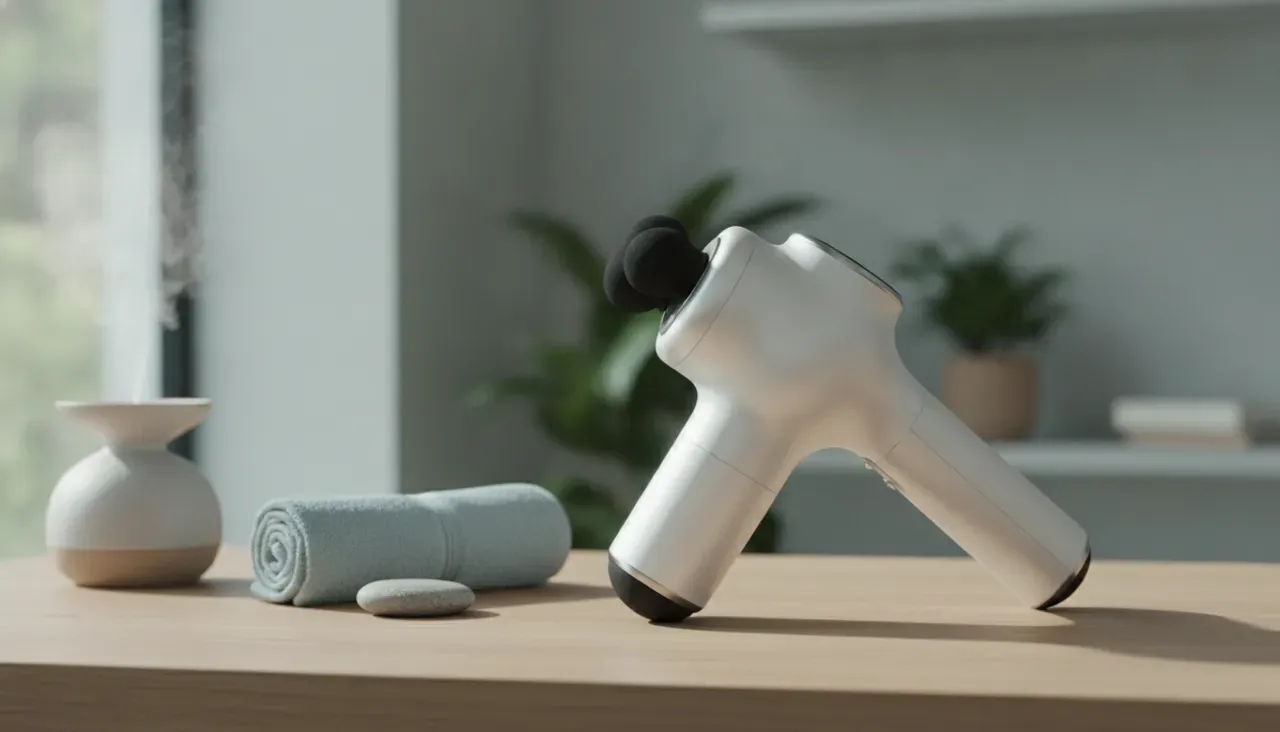
Massage guns can be FSA or HSA eligible, but not every purchase qualifies automatically. In most cases, eligibility depends on why you are buying the device, whether it is being used to treat or relieve a specific medical condition, and what your plan administrator requires before reimbursement.
Want simpler FSA/HSA spending decisions? daylii is building a smarter way to organize eligibility, documentation, and reimbursement steps so health spending feels less confusing.
The Short Answer: Massage Guns Can Be FSA or HSA Eligible
A massage gun may be eligible for FSA or HSA funds when it is used primarily for medical care, such as relieving muscle pain, supporting recovery from an injury, or helping with a condition your provider is treating. If the purchase is mainly for general relaxation, athletic performance, or wellness, your plan may deny the claim or ask for extra documentation.
The practical answer is this: treat massage gun eligibility as conditional. Some stores label certain massage guns as eligible, some require a letter of medical necessity requirements review, and some plan administrators make their own documentation decisions. Before you buy, check the product listing, your plan rules, and whether an LMN is needed.
This article is educational only. It is not medical, tax, or legal advice. If you are unsure whether a massage gun qualifies for your situation, ask your healthcare provider or plan administrator before using your benefits card.
When Does a Massage Gun Qualify?
FSA and HSA accounts are designed for qualified medical expenses. A massage gun is more likely to qualify when the device is connected to care for pain, injury recovery, mobility limitations, muscle tightness from a diagnosed condition, or another medical need. The closer the purchase is to documented medical care, the stronger the reimbursement case usually is.
It is less likely to qualify when the reason is broad wellness. For example, buying a massage gun because it feels relaxing after a long day is different from buying one because a provider recommended percussion therapy as part of a pain management or rehabilitation plan.
Eligible medical use
Eligible medical use usually means the massage gun is being purchased to diagnose, treat, mitigate, or prevent a medical condition. In real life, that can include situations such as chronic muscle pain, physical therapy support, recovery after an injury, or treatment for a condition that causes tightness or discomfort.
Documentation matters. If your plan asks why the product is medically necessary, a receipt alone may not be enough. You may need a provider note, diagnosis-related documentation, or an LMN that explains how the device supports care.
General wellness or relaxation use
General wellness use is the gray area that causes many denied claims. A massage gun can be a helpful recovery tool, but FSA and HSA eligibility is not based only on whether a product is useful. The purpose of the expense matters.
If the product is bought for relaxation, routine fitness recovery, stress relief, or convenience, your plan administrator may treat it as a personal wellness item. That does not mean the product is never eligible. It means you should expect the plan to look for a medical reason and supporting documentation.
Do You Need a Letter of Medical Necessity?
You may need a Letter of Medical Necessity, often shortened to LMN, if the massage gun could be used for both medical and non-medical reasons. An LMN is a document from a healthcare provider that explains the medical condition, the recommended product or service, and why the item is needed for care.
Massage guns often fall into this category because they can be used for medical pain relief or for general relaxation. If your plan requires an LMN, buying the product first and asking later can create reimbursement friction. It is safer to check before purchase, especially for higher-priced devices.
A strong LMN usually includes your name, the provider’s name, the condition being treated, the recommended item, the expected treatment period, and a clear explanation of why the item is medically necessary. Your plan may have its own form or preferred format, so do not assume one generic note will satisfy every administrator.
FSA vs. HSA Rules for Massage Guns
FSA and HSA accounts both help people pay for qualified medical expenses, but they operate differently. FSAs are typically employer-sponsored accounts with plan-year rules, while HSAs are connected to high deductible health plans and can roll over from year to year. For massage guns, the core eligibility question is similar: is the device being used for a qualified medical purpose?
The spending experience can feel different. With an FSA card, the transaction may be approved at checkout if the store and product are coded as eligible. That approval is not always the final word. Your administrator can still ask for documentation later. With an HSA, you may pay directly and keep records in case you need to prove the expense was qualified.
Either way, keep a careful paper trail. If the expense is questioned months later, the best answer is a clear file that connects the purchase to medical care.
How to Buy a Massage Gun With FSA or HSA Funds
Before buying, start with the product listing. Some retailers clearly mark certain devices as FSA or HSA eligible. Others sell massage guns in a wellness category without eligibility guidance. A label is helpful, but it does not replace your plan’s rules.
Use this buying checklist before you use your card or submit a reimbursement claim:
- Confirm the massage gun is listed as FSA or HSA eligible by the retailer, if possible.
- Check whether the listing says an LMN is required.
- Review your plan administrator’s eligibility guidance for therapeutic devices.
- Ask your provider whether the device is appropriate for your condition.
- Save the product page, receipt, order confirmation, and any provider documentation.
- Make sure the receipt shows the product name, date, merchant, and amount paid.
Make the checklist easier to manage. daylii is designed around clearer health spending decisions, including easier ways to organize eligibility signals, receipts, and next steps before reimbursement becomes a problem.
If a benefits card is declined at checkout, that does not always mean the device is ineligible. The merchant category, product coding, or card processor may not recognize the item. In that case, you may still be able to pay another way and submit a reimbursement claim, but only if your plan agrees the expense is qualified.
What Documentation Should You Keep?
Good documentation is the difference between a simple claim and a stressful back-and-forth. Keep records even when your card works at checkout. Plan administrators can request proof after the purchase, and HSA users are responsible for keeping records for tax purposes.
For a massage gun, keep:
- The itemized receipt or invoice.
- The product page or eligibility listing from the retailer.
- Any LMN or provider recommendation.
- Notes from your plan administrator if they confirm eligibility.
- Your reimbursement submission confirmation, if you file a claim.
The IRS explains medical expense principles in Publication 502, but individual plan administration still matters. Your plan may apply specific substantiation requirements, especially for items that can be used for both medical and personal purposes.
Massage Guns, Theragun, and Similar Recovery Devices
Searchers often ask whether Theragun devices are FSA or HSA eligible because the brand is one of the best-known massage gun makers. The answer is still conditional. A Theragun or similar percussion massager may qualify when used for a medical purpose, but brand name alone does not make every purchase eligible.
Retailer pages can help you compare options. Some product pages identify eligible models, while others may require an LMN or reimbursement claim. If you are comparing massage guns across retailers, pay attention to the eligibility language, return policy, receipt detail, and whether the seller provides the documentation your plan might request.
If you are shopping through a general marketplace, be extra careful. A product may appear in a health category but still lack the coding or documentation needed for smooth FSA or HSA use. For broader context on eligible categories, see daylii’s guide to FSA eligible products.
Common Mistakes That Lead to Denied Claims
Many denials come from preventable documentation gaps rather than the product itself. The most common mistake is assuming that a product marked as healthy, therapeutic, or recovery-focused is automatically eligible. Eligibility depends on plan rules and medical purpose.
Other common mistakes include:
- Buying the device for general relaxation and trying to justify it later.
- Skipping the LMN when the plan or retailer says one may be required.
- Losing the itemized receipt.
- Submitting a credit card statement instead of a detailed invoice.
- Using an HSA for a questionable expense without saving records.
- Assuming one plan’s approval means every plan will approve the same item.
These mistakes also apply to other recovery and pain relief products. If you are comparing related options, daylii’s guides to FSA eligible pain relief products and HSA eligible workout equipment can help you understand where the line often sits between medical care and general fitness.
How daylii Makes FSA/HSA Eligibility Easier
FSA and HSA decisions should not require a spreadsheet, five browser tabs, and a folder full of confusing receipts. The hard part is rarely the purchase itself. It is knowing what qualifies, what documentation is needed, and how to keep everything organized if your plan asks questions later.
daylii is focused on making health spending feel clearer and more manageable. For items like massage guns, that means helping people think through eligibility before they buy, organize receipts and supporting documents, and approach reimbursement with more confidence.
Stay close to smarter FSA/HSA decisions. Get daylii updates for clearer eligibility guidance, easier documentation habits, and a simpler way to manage health spending as daylii grows.
The goal is not to promise that every product will qualify. The goal is to reduce confusion so people can make more informed decisions, avoid common claim problems, and keep better records from the start.
FAQs About Massage Gun FSA and HSA Eligibility
Are massage guns FSA eligible?
Massage guns can be FSA eligible when used for a qualified medical purpose, such as treating muscle pain or supporting care for a specific condition. Some plans may require a Letter of Medical Necessity.
Are massage guns HSA eligible?
Massage guns can be HSA eligible when the expense qualifies as medical care. Because HSA users are responsible for keeping records, save the receipt, product details, and any provider documentation that supports the purchase.
Do I need an LMN for a massage gun?
You may need an LMN if the device could be used for both medical and personal wellness reasons. Ask your plan administrator before buying if the retailer or plan guidance is unclear.
Can I buy a Theragun with FSA or HSA funds?
A Theragun may be eligible if it is used for a qualifying medical purpose and your plan accepts the documentation. The brand name itself does not mean approval is automatic.
What if my FSA or HSA card is declined?
A declined card may reflect merchant or product coding, not necessarily final eligibility. You may be able to pay another way and submit a reimbursement claim, but only if your plan confirms the expense qualifies.
What should I do before buying a massage gun with benefits funds?
Check the retailer’s eligibility language, ask your plan whether an LMN is required, confirm the device is appropriate with your provider, and save detailed documentation before and after purchase.
Bottom Line
Massage guns are not automatically FSA or HSA eligible, but they can qualify when tied to a legitimate medical need and supported by the right documentation. Before buying, confirm your plan’s rules, check whether an LMN is needed, and keep a clear record of the purchase. That extra step can help you avoid denied claims and make your health spending easier to manage.