
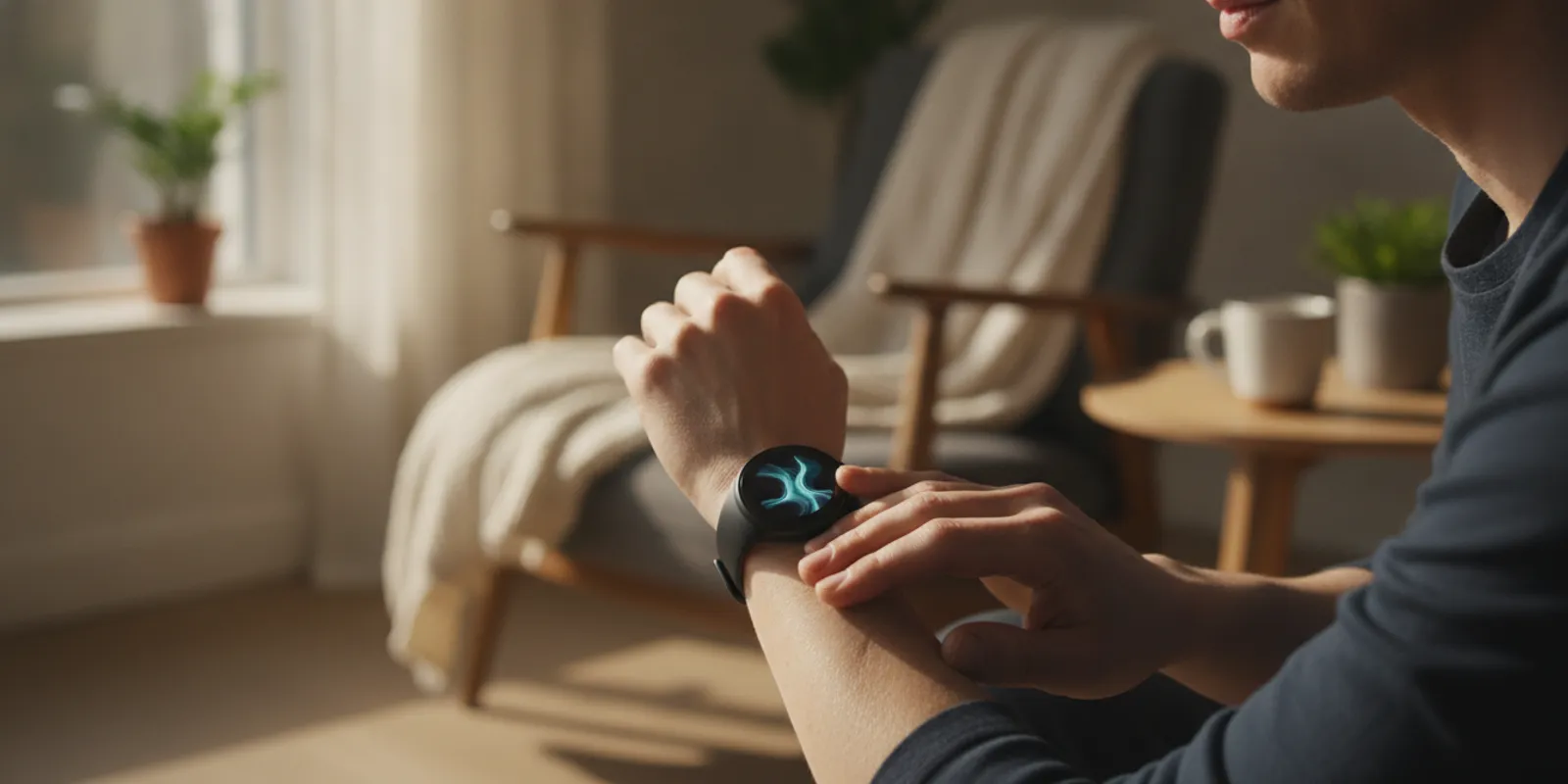
Are fitness trackers HSA eligible? Usually, a tracker bought for general wellness, exercise, or activity monitoring is not an eligible medical expense just because it measures health data. A device may be treated differently when it is used to diagnose, treat, or manage a specific medical condition, but eligibility depends on the facts, applicable tax rules, and the documentation required by your plan administrator.
Explore clearer HSA eligibility guidance
Are fitness trackers HSA eligible for general wellness?
In most cases, no. A smartwatch or activity tracker used to count steps, record workouts, track sleep, or encourage healthier habits is generally considered a personal wellness purchase. Those features may support your overall health, but a broad health benefit is not the same as an expense primarily used to diagnose, treat, mitigate, or prevent a particular disease or condition.
This distinction matters because fitness trackers often combine ordinary consumer features with health-related measurements. A heart-rate sensor, sleep report, calorie estimate, or blood-oxygen reading does not automatically turn the device into an HSA-qualified medical expense. The question is not simply whether a product collects health information. It is whether the particular expense qualifies under the rules and circumstances that apply to you.
For example, someone buying a tracker to set daily step goals would usually be making a general wellness purchase. Someone whose clinician recommends a particular monitoring device as part of treatment for a diagnosed condition may have a different case to document and review. Even then, a recommendation does not guarantee approval. The medical purpose, device, records, and administrator’s process all matter.
HSA rules can be specific, and product names are not enough to determine the result. A tracker marketed as a “health” or “medical” device is not automatically eligible. Likewise, a device sold as a consumer wearable may warrant review if it is being used for a documented medical purpose. Check the expense itself rather than relying on advertising or a general list of eligible products. For a broader overview of qualifying expenses, see this guide to what you can buy with an HSA.
When might medical necessity change the answer?
A fitness tracker may be considered for HSA reimbursement when it is recommended to address a specific medical condition rather than to support general fitness. The key issue is the primary purpose of the purchase and whether the relevant rules recognize it as medical care. A condition-specific recommendation can help explain that purpose, but it does not turn every wearable, subscription, or accessory into an eligible expense.
Consider a person who has a diagnosed condition and whose clinician recommends tracking a particular measurement to support treatment decisions. The person should ask the plan administrator whether the specific device and intended use can qualify before buying it. The administrator may request a letter of medical necessity (LMN) or other records. The letter should describe the diagnosis or condition, why monitoring is part of care, what kind of device is recommended, and the expected duration or use when appropriate. It should be based on the clinician’s actual judgment, not drafted to fit a purchase after the fact.
There are important limits to keep in mind:
- A prescription or recommendation is supporting evidence, not automatic approval. Ask whether the administrator requires a specific form or additional information.
- The device’s medical purpose must be clear. A general instruction to “exercise more” may not establish that a consumer tracker is treatment for a particular condition.
- Separate costs may be assessed separately. A device, optional premium app, extended warranty, replacement band, or other accessory may not all receive the same decision.
- Personal and medical use can overlap. If a device has both purposes, ask how the administrator wants you to document the medical portion or intended use. Do not assume the entire price qualifies.
- Rules and claim processes can vary. The HSA tax rules set the general framework, but administrators may request different records or have different payment procedures.
For general federal guidance about medical expenses and HSA distributions, consult the IRS and the current version of Publication 502. The IRS’s official website is the place to find its current tax guidance. If your facts are unusual, or the potential expense is substantial, consider asking a qualified tax professional as well as your HSA administrator.
What should you check before buying a tracker?
Do not rely only on a checkout label, a product page, or the fact that an HSA card works at a store. Before you spend HSA funds, take these steps:
- Define the purpose. Write down whether the tracker is for general exercise and wellness or for monitoring a specific diagnosed condition as part of care. Be accurate; do not describe a wellness purchase as medical treatment.
- Ask the HSA administrator about the exact item. Provide the make and model, price, features you intend to use, and medical purpose if applicable. Ask whether the device is eligible, whether an LMN is required, and whether a specific form or prior review is needed.
- Get clinical documentation before purchasing when possible. If a clinician believes the device is medically appropriate, ask what supporting documentation they can provide. The administrator can tell you what details it needs; the clinician should determine what is medically appropriate.
- Clarify what the decision covers. Ask whether the approval applies to the device only or also to a companion app, subscription, accessories, shipping, or replacement parts. Do not assume add-ons are included.
- Save the response and purchase records. Keep written guidance from the administrator, the itemized receipt, proof of payment, and any medical documents. A product’s HSA label is not a substitute for records.
These checks are useful whether you plan to pay with your HSA card or pay another way and request reimbursement. If you are new to the account rules, this FSA and HSA eligibility guide explains why eligibility should be checked for the person, expense, and account involved.
What documents should you keep for an HSA claim?
Keep records that establish what you bought, how much you paid, when you paid, and why the expense was medical if eligibility depends on a specific condition. A practical file may include:
- An itemized receipt identifying the tracker and its purchase date and price.
- Proof of payment, such as a card statement or order confirmation.
- The clinician’s recommendation, prescription, or LMN, if required and appropriate.
- The administrator’s written eligibility guidance, approval, or claim decision.
- Relevant explanation of the medical purpose, if requested, while protecting private health information and sharing only what is necessary.
A standard receipt may show the purchase but not the medical need. A letter may explain the need but not establish the amount paid. Keep both kinds of evidence when they apply. Store records with your tax documents and follow the retention guidance that applies to your situation. An HSA account holder may need to substantiate a distribution later, so a card transaction alone should not be treated as complete proof.
For more detail on organizing records, read how to save receipts for an HSA and the related HSA reimbursement rules. These recordkeeping habits can help whether you submit a claim immediately or reimburse yourself later, if the expense is eligible and you have retained the required documentation.
How do paying and reimbursement work?
There are two common ways people use an HSA for a potentially eligible expense: paying at the point of sale with an HSA card or paying out of pocket and later requesting reimbursement. Neither method determines whether the expense is qualified. A card approval is not a tax ruling, and a card decline is not necessarily a final decision about an expense. A payment system may not recognize a product or may require additional substantiation.
| Approach | What happens | What to confirm | Records to retain |
|---|---|---|---|
| Pay with HSA card | The card is used at checkout; the transaction may be approved or declined. | Whether the exact tracker is eligible and whether the administrator may request substantiation. | Itemized receipt, proof of medical purpose when needed, and any administrator request or response. |
| Pay out of pocket, then request reimbursement | You pay with personal funds and submit a claim under your account’s process. | Whether the expense meets the rules, what documents are required, and how the claim must be filed. | Receipt, proof of payment, claim submission, and medical documentation if applicable. |
| Wait for a decision before purchase | You ask the administrator to review the intended use and product in advance. | Whether advance review is available and whether the answer is binding or subject to later verification. | Written response, product details, and any clinician documentation submitted. |
Two examples show why the purpose matters
Example 1: General fitness goals. Jordan wants a wearable to count steps, track workouts, and receive reminders to move. The tracker may encourage healthy habits, but those goals are broad and do not by themselves establish a specific medical expense. Jordan should expect the purchase to be personal unless there are additional facts that change the medical purpose and the administrator confirms what documentation is needed.
Example 2: Condition-specific monitoring. Riley has a diagnosed condition, and a clinician recommends tracking a particular measurement as part of ongoing care. Riley should ask the administrator about the exact device and whether an LMN or other records are needed. The clinician’s recommendation and Riley’s records may support the medical purpose, but Riley should still get the administrator’s instructions and keep the itemized receipt. The examples are not guarantees; a different diagnosis, device, or use could lead to a different review.
Avoid stretching these examples to cover an entire shopping cart. If the tracker is potentially eligible but a separately purchased app, membership, or accessory is not clearly part of the medical recommendation, ask about each charge. A clear itemized receipt makes it easier to distinguish the device from other products and services.
If a card is declined, do not assume you should repeatedly retry the purchase or that you are prohibited from ever requesting reimbursement. Contact the administrator, explain the item and intended use, and ask what information it needs. If you pay personally, only seek reimbursement when you have a reasonable basis to believe the expense qualifies. Keep the entire record rather than relying on a confirmation screen.
More help is available in this guide to HSA reimbursement and eligible expenses and the overview of what you can buy with an HSA. Review your own account’s claim instructions, since submission deadlines and documentation steps can differ.
How do HSA administrators and plan rules affect eligibility?
Eligibility is not always as simple as checking whether a product appears on a store list. The federal tax treatment of a distribution is governed by applicable law, while an administrator handles payment and substantiation according to its procedures. One administrator may ask for documentation before paying a claim; another may process a transaction first and request records later. A payment method’s decision should not be confused with a final conclusion about tax treatment.
Ask specific questions rather than asking only, “Are fitness trackers eligible?” For example:
- Does your answer apply to this exact model and the condition or use I described?
- Do you require an LMN, prescription, or other documentation?
- Does the documentation need to be provided before purchase or only with a claim?
- Are the device, app subscription, and accessories reviewed as separate expenses?
- What should I do if the card is declined, or if a claim is denied?
- Can you provide the answer or required documentation in writing?
Read the response carefully. An administrator may explain its payment process without guaranteeing how a distribution will be treated for tax purposes. If it says documentation is required, ask what information must be present and whether there is a deadline. If the answer is unclear, provide only the additional facts needed to resolve the question, and request clarification before relying on a reimbursement.
Do not assume an FSA and HSA will handle the same purchase identically. Account rules, plan terms, and claim processes can differ. Likewise, another person’s successful purchase or a retailer’s eligible-item indicator does not decide your case. Your account, intended use, and supporting records matter.
Common mistakes to avoid
- Assuming “health tracking” means medical eligibility. General wellness features alone usually do not establish that a wearable is a qualified medical expense.
- Treating a clinician’s recommendation as a guarantee. The recommendation can document medical purpose, but the specific expense still needs to satisfy applicable requirements.
- Buying first and asking later. Advance review may help you understand documentation needs and avoid a preventable claim problem.
- Forgetting subscriptions and accessories. A decision about the hardware may not extend to separately billed services, bands, or warranties.
- Throwing away the receipt after a card payment. You may still need to show the purchase details and substantiate why the expense qualified.
- Assuming a declined card means the item is ineligible. Payment processing and tax eligibility are related but not identical questions.
HSA account basics and day-to-day organization can help you avoid confusion. See this HSA management guide for additional ways to keep track of spending and records.
Get help navigating HSA eligibility
Frequently Asked Questions
Can I use my HSA for an Apple Watch or smartwatch?
Not automatically. A smartwatch bought for exercise, step counting, or general wellness is generally a personal purchase. A specific medical use may call for a closer review, but the device, purpose, and required documentation need to be assessed. Ask your HSA administrator about the exact model and use before paying with HSA funds or filing a claim.
Does a doctor’s note make a fitness tracker HSA eligible?
A clinician’s note or LMN may support a claim by explaining the medical purpose, but it does not guarantee eligibility. Ask the administrator what form and details it needs, and make sure the clinician’s documentation reflects an actual recommendation for your care.
Can I get reimbursed if I paid with my personal card?
Possibly, if the expense qualifies and you follow your HSA administrator’s claim process. Save the itemized receipt and proof of payment, plus any medical documentation needed to support the purpose. Paying personally does not make an otherwise ineligible purchase reimbursable.
What if my HSA card approves the tracker?
Approval at checkout does not by itself prove the distribution is qualified. Keep your receipt and any supporting records, and check with the administrator if the tracker’s medical eligibility is uncertain. You are responsible for maintaining appropriate substantiation for HSA spending.
Are fitness tracker apps and subscriptions covered too?
Do not assume so. A subscription or app can be a separate expense from the tracker and may be treated differently. Ask the administrator to review each charge and explain whether it requires its own medical justification or documentation.
Explore HSA eligibility support
For most people, a fitness tracker remains a general wellness purchase rather than an HSA expense. If a specific medical condition changes the purpose, confirm the rules with your administrator before buying, keep the right records, and do not treat a card decision as the final word.


